Key Takeaways
- ✓Belgium is one of Europe’s most practical and rewarding short-trip destinations, especially for city breaks and food-focused travel.
- ✓Spring and autumn are the best all-round seasons for comfortable weather, while summer is best for energy and events.
- ✓A mid-range budget is the sweet spot for most travellers, but Belgium can work well for both budget and luxury styles.
- ✓Trains are the easiest way to move between Belgian cities, and most visitors do not need a car.
- ✓Food is a major part of the experience, with strong value available at cafés, lunch spots, and casual brasseries.
- ✓Hello eSIM is the simplest way to stay connected in Belgium, especially for maps, transport, and trip coordination.
- ✓A good Belgium trip is usually built around one or two cities plus time to slow down and enjoy neighborhoods, cafés, and walks.
- ✓Checking entry rules, connectivity, weather, and transport before departure makes the trip much smoother.
Belgium is one of Europe’s easiest countries to love: compact enough to explore without rushing, but rich enough to reward slow travel. In a single trip, you can move from grand medieval squares to world-class museums, from canal-lined towns to lively neighborhoods packed with cafés, beer bars, and chocolate shops. It is also a practical destination for first-time Europe visitors, with reliable trains, short city hops, and plenty of trip styles that work well in 2026—from a weekend break to a deeper Belgium itinerary.
This complete Belgium travel guide brings together the essentials you need to plan confidently: the best time to visit, realistic budgets, visa and entry basics, transport options, food and dining expectations, top experiences, Hello eSIM connectivity, and practical tips that make travel smoother. You will also find comparison tables, quick decision frameworks, and a “before you go” checklist to help you turn inspiration into a workable Belgium trip planner.
If you want the short version: Belgium is best for travellers who want culture, comfort, and convenience in one destination. It is ideal for city-break lovers, food-focused travellers, and anyone combining Belgium with nearby France, Netherlands, or Germany. Use this pillar page as your hub, then dive into the linked cluster guides whenever you want more detail on visas, transport, budgets, food, safety, itineraries, and Hello eSIM setup.
Why Visit Belgium in 2026
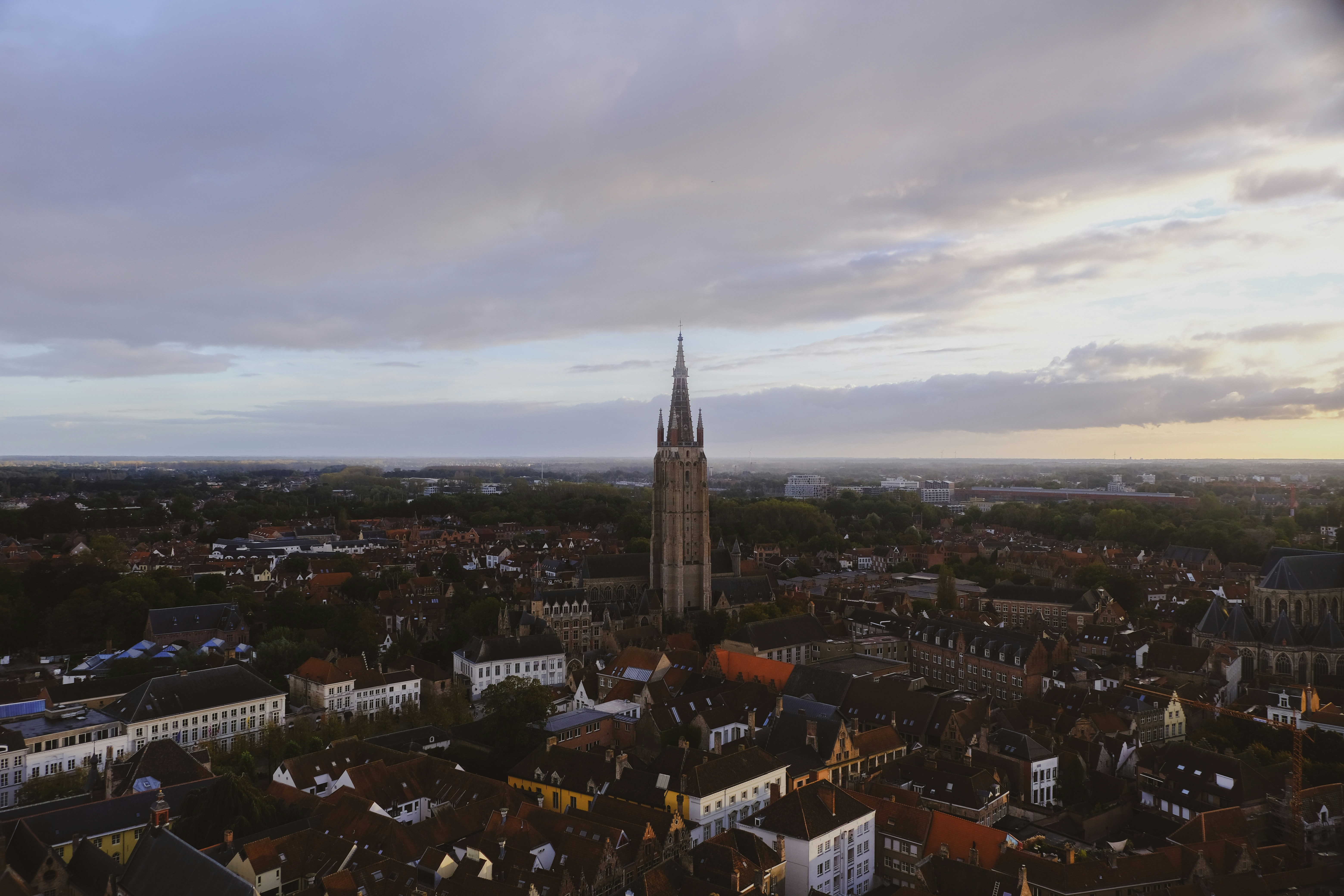
Belgium is a small country with an unusually big travel payoff: medieval architecture, modern design, excellent public transport, and a food scene that feels accessible rather than intimidating. In 2026, it remains one of Europe’s most efficient destinations for travellers who want variety without long transfers or complicated logistics. Think Brussels for institutions and art, Bruges for postcard scenery, Ghent for a youthful local feel, Antwerp for fashion and culture, and smaller towns for slower discovery.
What makes Belgium stand out is balance. You can build a trip around museums and history, or make it a food-and-drink journey, or use it as a base for a broader Benelux or Western Europe route. The country is also easy to navigate for short trips because major cities are connected by frequent trains and distances are modest. That makes Belgium especially appealing for travellers who value time: less time in transit, more time actually exploring.
Another reason people enjoy Belgium is that it suits many travel styles. Couples often come for romantic city breaks, solo travellers appreciate the compactness and safety of main tourist areas, and families benefit from straightforward train travel and walkable centers. If you are still deciding whether Belgium deserves a place on your Europe shortlist, the answer is usually yes—especially if you want a trip that feels culturally rich but not exhausting.
For deeper planning, pair this overview with Belgium Travel Budget Guide: Daily Costs and Money Tips, Getting Around Belgium: Transport Guide for Travellers, and Belgium Cultural Guide: Etiquette, Customs, and Tips.
Best Time to Visit Belgium
The best time to visit Belgium depends on whether you want the most comfortable weather, the smallest crowds, or the best value. Spring and early autumn are the most balanced seasons for most travellers in 2026: temperatures are mild, cities are walkable, and outdoor sightseeing feels pleasant. Summer brings longer days and a lively atmosphere, while winter is best for festive markets, museums, and cozy indoor dining.
Here is a high-level seasonal comparison to help you choose:
| Season | Typical Weather | Crowd Level | Best For | Watch Out For |
|---|---|---|---|---|
| Spring (Mar-May) | Mild, changeable | Moderate | Cities, gardens, flexible sightseeing | Rain showers, layers needed |
| Summer (Jun-Aug) | Warmest, brightest | High | Festivals, canal walks, long days | Peak prices, busier attractions |
| Autumn (Sep-Nov) | Cool, crisp | Moderate | Best all-round balance | Shortening days, rain |
| Winter (Dec-Feb) | Cold, damp | Lower | Christmas markets, museums, indoor food | Grey weather, fewer daylight hours |
If you want the most comfortable city exploration, aim for April to June or September to October. If your priority is atmosphere and events, summer can still be excellent, especially in Brussels, Ghent, and Antwerp. If you are planning a budget-conscious trip, winter often gives the best hotel value outside holiday peaks.
A useful decision rule is simple: choose spring or autumn for the best overall trip quality, summer for energy and events, and winter for value and indoor comfort. For more planning detail, see Belgium in 5 Days: The Perfect Extended Itinerary and Belgium in 10 Days: The Ultimate Travel Itinerary.
Belgium Budget Overview
Belgium is not a cheap country by global standards, but it is manageable if you plan with intention. In 2026, most travellers will find that transport, accommodation, and dining are the main budget drivers. The good news is that Belgium is compact, so you can reduce costs by staying in one base and using trains for day trips rather than changing hotels frequently.
A practical daily budget breakdown looks like this:
| Travel Style | Daily Budget Range | What It Usually Covers |
|---|---|---|
| Budget | €70–€120 | Hostel or simple room, casual meals, public transport |
| Mid-range | €130–€250 | Comfortable hotel, mix of cafés and restaurants, train travel |
| Luxury | €300+ | Boutique hotel, fine dining, taxis, premium experiences |
For most visitors, a mid-range budget is the sweet spot because Belgium’s cities are enjoyable when you can mix a few splurges with simpler meals and easy train connections. Budget travellers can still do well by booking early, using bakeries or lunch specials, and focusing on walkable city centers. Luxury travellers will find good value in boutique stays, tasting menus, and private experiences compared with some other Western European destinations.
The most useful money-saving tactic is to plan around transport efficiency. Belgium’s short distances mean that a thoughtfully designed route can save money on both accommodation and movement. If you need a deeper breakdown of where your money goes, use Belgium Travel Budget Guide: Daily Costs and Money Tips together with Belgium Currency & Money Guide: Exchange, Cards, and Tips. For trip planning, the Hello app also helps you track expenses and split costs with friends while you travel.
If you want a quick rule of thumb: Belgium is affordable enough for a short splurge trip, but structured enough that disciplined planners can keep costs very predictable.
Visa and Entry Basics
Belgium follows the Schengen framework, so entry rules depend on your passport, the length of your stay, and whether you are transiting or entering for tourism. For many travellers, the key question is not just whether they need a visa, but whether their passport validity, onward travel plans, and customs declarations are in order before departure.
As a general planning principle in 2026, short leisure visits across the Schengen area usually fall under a 90-days-in-180-days rule for eligible travellers, while some nationalities need a visa before travel. Requirements can change, and the exact entry process may depend on your citizenship and route. That is why it is important to confirm details well before your trip, especially if Belgium is part of a multi-country Europe itinerary.
Here is the most useful approach: check your passport expiry date, verify whether you need a visa, make sure you understand the Schengen stay limit, and keep accommodation and return-flight details accessible. If you are travelling with family, the documents for minors should be checked carefully as well. Even when no visa is needed, border officers may still ask basic trip-planning questions.
For Singapore passport holders specifically, use Belgium Visa & Entry Requirements for Singapore Passport Holders for the most relevant entry guidance. If you are coming from elsewhere, use it as a model for the type of information to verify before travelling. It covers passport validity, customs allowances, and practical entry tips that are useful for any visitor.
The simple rule is this: do not leave entry paperwork until the week of departure. Belgium is an easy country to visit, but European entry rules reward advance checking, especially in 2026 when border procedures and travel documentation expectations can be stricter than casual travellers assume.
Getting Around Belgium
Belgium is one of Europe’s most straightforward countries to navigate because its cities are relatively close together and public transport is well developed. For most travellers in 2026, the best mix is usually trains for intercity travel, walking for central sightseeing, and occasional taxis or ride-hailing when you are carrying luggage or arriving late.
If you are flying into Brussels, airport transfers are generally simple, and the main rail network makes it easy to reach other cities soon after arrival. Trains are especially valuable because they connect the big names—Brussels, Bruges, Ghent, Antwerp, Leuven, and beyond—without the stress of driving or parking. Driving can make sense for countryside detours, but for city-to-city travel, it is usually less efficient.
Here is a practical decision framework:
| Transport Option | Best For | Pros | Trade-Offs |
|---|---|---|---|
| Train | City hopping | Fast, frequent, easy | Peak-time crowding |
| Walking | City centers | Cheapest, immersive | Weather-dependent |
| Taxi/Ride-hail | Late arrivals, luggage | Convenient | More expensive |
| Car rental | Rural exploration | Flexible outside cities | Parking, traffic, costs |
For a first trip, you can usually skip the car entirely unless your itinerary includes small villages or remote countryside. Belgium’s compact size also means that a 3-, 5-, or 10-day itinerary can be planned very cleanly around rail corridors. If you are deciding between cities or building a route, Getting Around Belgium: Transport Guide for Travellers is the best detailed companion piece.
A useful tip for 2026: book intercity travel with a timetable mindset, not a distance mindset. Belgium may look tiny on a map, but the difference between a smooth day and a rushed one often comes down to how well you match your activities to train schedules and neighborhood locations.
Food and Dining in Belgium
Belgium’s food culture is one of the main reasons travellers fall in love with the country. It is famous for waffles, fries, chocolate, beer, and mussels, but the real pleasure is in how easy it is to eat well at many price points. In 2026, travellers can still expect a blend of casual street food, relaxed brasseries, and more refined restaurants, all within a compact and easy-to-explore setting.
A good Belgium food strategy is to mix the iconic with the everyday. Try the famous dishes, but also make time for bakery breakfasts, lunch specials, and local cafés. Belgian dining is often generous and comforting rather than overly complicated, which makes it especially travel-friendly. You will also find that many cities have strong vegetarian and dietary-friendly options, though checking ingredients is still wise if you have strict restrictions.
| Food Category | Typical Experience | Budget Level |
|---|---|---|
| Street snacks | Fries, waffles, quick bites | Low |
| Casual cafés | Sandwiches, soups, lunch plates | Low to mid |
| Brasseries | Classic Belgian dishes | Mid |
| Fine dining | Tasting menus, chef-led restaurants | High |
For travellers who want to understand what to eat, where to eat it, and what it costs, the best deep-dive is Belgium Food Guide: Must-Try Dishes, Prices, and Tips. If you are travelling with friends, it is also smart to use Hello’s expense-splitting tools so that shared meals, drinks, and café tabs stay easy to manage.
One practical tip: Belgium is a country where lunch can be your best-value meal of the day. Many travellers save money without feeling deprived by eating a substantial lunch, then choosing a lighter dinner or sharing treats throughout the evening. That approach works especially well in Brussels, Ghent, Bruges, and Antwerp, where the food scene is good enough that you do not need to overspend to eat memorably.
Top Experiences in Belgium
The best things to do in Belgium depend on what kind of traveller you are, but the country’s strengths are consistent: beautiful urban centers, excellent museums, strong café culture, and easy day-to-day exploration. In 2026, the most rewarding Belgium trips usually combine one or two major cities with a slower neighborhood or canal-side experience so the trip feels layered rather than rushed.
At a glance, the core experiences are:
- Historic squares and architecture in Brussels and Bruges
- Local energy, waterways, and medieval streets in Ghent
- Fashion, design, and urban culture in Antwerp
- Food, beer, and café-hopping across each city
- Easy train-based side trips that add variety without changing hotels
If you only have a short stay, focus on one or two cities rather than trying to “see everything.” Belgium rewards quality over quantity. A three-day trip can work well for a fast city introduction, while five days gives enough room for a richer route. Ten days lets you move at a more relaxed pace and add hidden-gem towns or longer museum stops.
For itinerary design, start with 3 Days in Belgium: A Day-by-Day Itinerary, then compare it with Belgium in 5 Days: The Perfect Extended Itinerary and Belgium in 10 Days: The Ultimate Travel Itinerary. Those guides give you structured day plans, but this pillar page helps you decide which experiences deserve priority.
A good rule: choose one “must-see” city, one “local-feel” city, and one “slow pleasure” activity such as a meal, canal walk, or museum afternoon. That mix usually produces a more memorable Belgium trip than trying to maximize attractions.
Hello eSIM Connectivity in Belgium
For most modern travellers, staying connected in Belgium is no longer a luxury—it is part of how the trip works. In 2026, a strong mobile data plan makes it easier to use maps, check train times, translate menus, book tickets, and coordinate with friends. Hello eSIM is especially useful because it gives you instant activation and data access without hunting for a local SIM card after arrival.
The main advantage of Hello eSIM in Belgium is convenience. You can set it up before departure, land with connectivity ready to go, and avoid the hassle of physical SIM swaps. That matters even more if Belgium is part of a multi-country Europe trip, because one consistent digital setup can simplify navigation across borders.
Here is the practical way to think about connectivity:
| Connectivity Need | Best Use Case | Why It Matters |
|---|---|---|
| Maps and navigation | Walking in city centers | Reduces getting lost |
| Train apps and tickets | Intercity travel | Helps manage schedules |
| Messaging | Coordinating plans | Keeps group trips simple |
| Translation and research | Dining and sightseeing | Speeds up decisions |
If you are planning to use data heavily for maps, rides, and social sharing, choose a plan with enough headroom rather than the absolute minimum. If you are mostly using Wi‑Fi in hotels and cafés, a smaller plan may be enough. The key benefit of Hello eSIM is flexibility: you can match the data plan to the style of trip you are taking.
For setup steps, device compatibility, coverage considerations, and plan-selection advice, see eSIM for Belgium: Best Plans, Coverage, and Setup Tips. It is the most detailed companion guide for making sure your phone works smoothly from the moment you arrive.
Practical Tips for a Smooth Trip
Belgium is an easy country to travel in, but a few practical habits will make your trip noticeably smoother. In 2026, the biggest wins come from preparation: book popular stays early, keep a light rain layer in your day bag, and plan your route around the city or neighborhood you are actually staying in.
The first tip is to travel with timing in mind. Belgium’s weather can shift quickly, so you will enjoy the country more if you expect a mix of sunshine and showers rather than aiming for perfect conditions. The second tip is to manage your money sensibly. Cards are widely accepted, but it is still smart to understand local spending patterns, tipping habits, and ATM access before you go.
The third tip is to protect your trip rhythm. Belgium is compact enough that overplanning can backfire. A good day often includes one major highlight, one good meal, and time to wander. The country is at its best when you allow room for cafés, neighborhoods, and spontaneous stops.
For safety and confidence, combine Belgium Safety Guide: Tips for a Safe Trip with Belgium Cultural Guide: Etiquette, Customs, and Tips. Those guides cover the human side of travel—what to expect, how to behave politely, and how to avoid common mistakes. For money details, use Belgium Currency & Money Guide: Exchange, Cards, and Tips.
If you are traveling with friends, Hello also helps with budget tracking and expense splitting, which is especially useful for shared restaurants, taxis, and train fares. That can save a lot of small arguments and keep the trip feeling easy.
A simple planning rule for Belgium: book the fixed parts early, keep the flexible parts loose, and leave room for excellent coffee, good weather windows, and unplanned discoveries.
Before You Go Checklist
Before you go, the goal is not to overpack the plan—it is to remove avoidable friction. Belgium is straightforward to visit, but a strong checklist helps you arrive ready to explore instead of spending your first day fixing logistics. In 2026, that means checking entry documents, transport basics, connectivity, and the weather, then packing for comfort rather than spectacle.
Use this checklist as your final pre-departure scan:
- Confirm passport validity and any visa or entry requirements
- Save accommodation addresses and arrival details offline
- Book major trains, hotels, or timed-entry attractions if needed
- Install and activate Hello eSIM before departure
- Download maps, translator tools, and train apps
- Carry a card for payments and a small amount of backup cash
- Pack layers, comfortable walking shoes, and a compact rain jacket
- Review local customs and basic etiquette
- Check your trip budget and set a daily spending target
- Share your itinerary with someone at home if needed
If Belgium is your first stop in a longer Europe trip, this checklist becomes even more important because small issues compound across borders. A properly set up phone, clear entry documents, and a realistic daily budget all reduce stress.
For the final details, return to the relevant cluster articles: Belgium Visa & Entry Requirements for Singapore Passport Holders, eSIM for Belgium: Best Plans, Coverage, and Setup Tips, Belgium Travel Budget Guide: Daily Costs and Money Tips, and Getting Around Belgium: Transport Guide for Travellers. Together, they cover the practical pieces that turn a good trip into a smooth one.
Frequently Asked Questions
How many days do I need for Belgium?
Three days is enough for a fast city break, five days is the best balance for first-time visitors, and ten days gives you time to explore at a slower pace with more day trips or hidden-gem stops.
What is the best month to visit Belgium?
April to June and September to October are usually the best months because the weather is milder, sightseeing is comfortable, and crowds are generally more manageable than in peak summer.
Is Belgium expensive for travellers in 2026?
Belgium is moderately expensive by European standards, but costs are predictable. Budget travellers can manage on roughly €70–€120 per day, while mid-range travellers often spend about €130–€250 per day.
Do I need a visa to visit Belgium?
That depends on your passport and length of stay. Belgium follows Schengen entry rules, so some travellers enter visa-free for short stays while others must apply in advance.
Is it easy to get around Belgium without a car?
Yes. Belgium’s train network makes city-to-city travel easy, and most major destinations are walkable once you arrive. For most short trips, a car is unnecessary.
What food should I try in Belgium?
Classic Belgium food highlights include waffles, fries, chocolate, mussels, and local café and brasserie dishes. Lunch is often the best-value meal of the day.
Why use Hello eSIM for Belgium?
Hello eSIM gives you instant mobile data access when you arrive, which is useful for maps, trains, messaging, and translation. It is especially convenient if Belgium is part of a multi-country Europe trip.
eSIM Plans for Belgium
Detailed Articles
Dive deeper into specific topics covered in this guide.
Belgium Travel Budget Guide: Daily Costs and Money Tips
How much does it cost to travel in Belgium? Daily budget breakdowns for budget, mid-range, and luxury travellers.
22 February 2026
Getting Around Belgium: Transport Guide for Travellers
Airport transfers, public transport, ride-hailing apps, inter-city travel, and driving tips for Belgium.
22 May 2026
Belgium Cultural Guide: Etiquette, Customs, and Tips
Essential do's and don'ts, greeting customs, dress codes, local phrases, and cultural tips for Belgium.
31 May 2026
Belgium in 5 Days: The Perfect Extended Itinerary
A detailed 5-day itinerary for Belgium with daily activities, costs, neighborhoods, and transport tips for an extended stay.
3 May 2026
Belgium in 10 Days: The Ultimate Travel Itinerary
A comprehensive 10-day itinerary for Belgium covering top attractions, hidden gems, daily costs, and transport between cities.
17 June 2026
Belgium Currency & Money Guide: Exchange, Cards, and Tips
Currency exchange, credit card acceptance, ATM tips, tipping culture, and money-saving advice for Belgium.
24 July 2026
Belgium Visa & Entry Requirements for Singapore Passport Holders
Visa requirements, passport validity, customs allowances, and entry tips for Singapore citizens travelling to Belgium.
6 July 2026
3 Days in Belgium: A Day-by-Day Itinerary
A detailed 3-day itinerary for Belgium with daily activities, costs, neighborhoods, and transport tips.
9 June 2026
More Travel Guides
Destination Guide
Complete Bosnia and Herzegovina Travel Guide 2026
Everything you need to know about travelling to Bosnia and Herzegovina — budget, visa, food, transport, eSIM connectivity, and itineraries.
Destination Guide
Complete Bahamas Travel Guide 2026
Everything you need to know about travelling to Bahamas — budget, visa, food, transport, eSIM connectivity, and itineraries.
Destination Guide
Complete Bahrain Travel Guide 2026
Everything you need to know about travelling to Bahrain — budget, visa, food, transport, eSIM connectivity, and itineraries.
Destination Guide
Complete Sint Eustatius Travel Guide 2026
Everything you need to know about travelling to Sint Eustatius — budget, visa, food, transport, eSIM connectivity, and itineraries.