3 Days in Belgium: A Day-by-Day Itinerary
A detailed 3-day itinerary for Belgium with daily activities, costs, neighborhoods, and transport tips.
By Hello Travel Team
This article contains affiliate links. If you book through them, Hello may earn a commission at no additional cost to you. Our editorial recommendations are independent. Learn more.
- 1
Brussels Old Town & Food Essentials
- MorningExplore Grand Place and Galeries Royales Saint-Hubert
- MorningCoffee and waffle near Rue des Bouchers~$7
- AfternoonWalk via Manneken Pis to Mont des Arts viewpoint
- AfternoonChocolate tasting in Sablon boutiques~$15
- EveningDinner and Belgian beer in Saint-Géry/Dansaert~$30
Grand Place / Old TownSablonSaint-GéryDansaertMostly walking; optional metro hop (~$2.3 per ride) if staying outside the centre.
Budget$60Mid-range$120Luxury$250 - 2
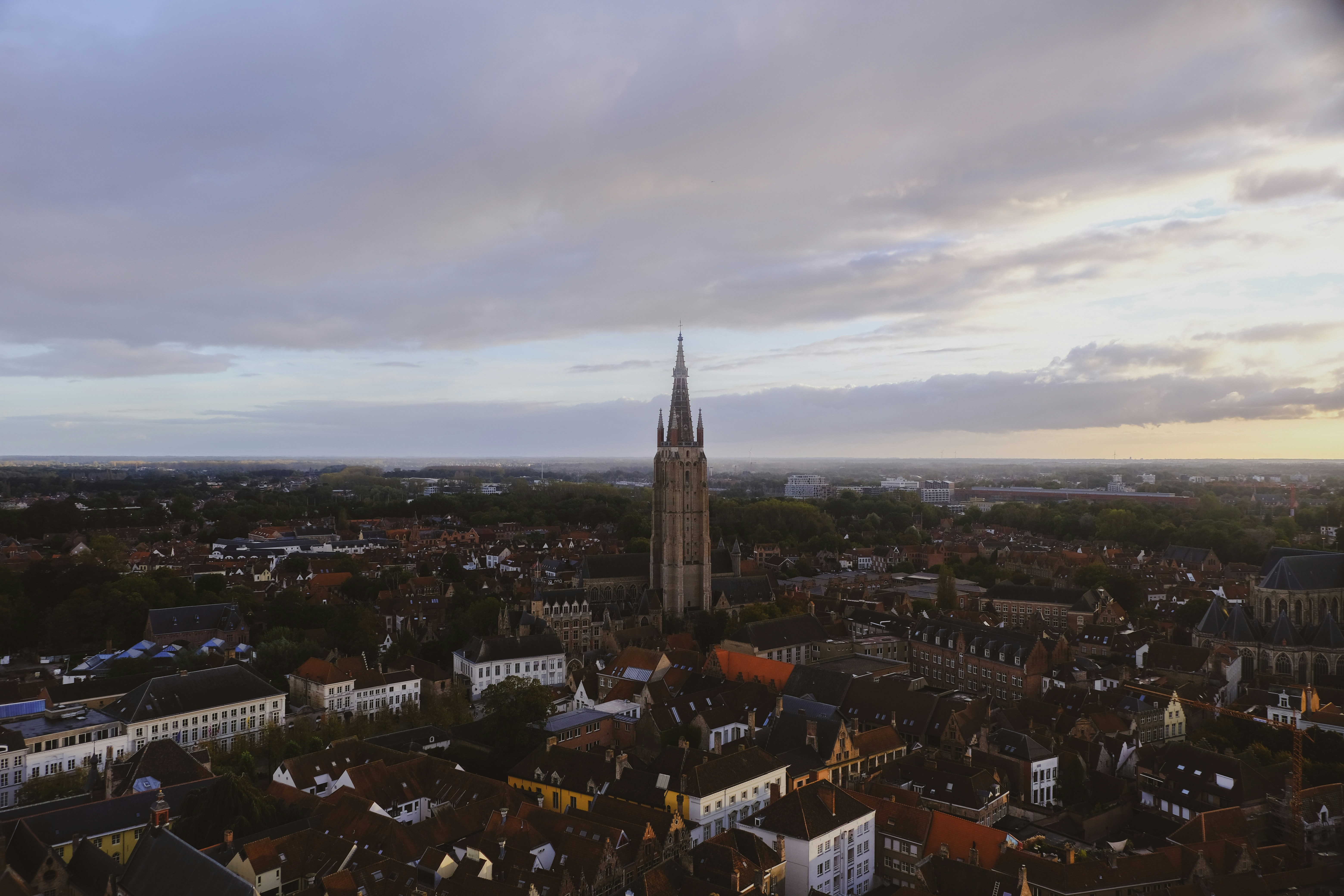
Day Trip to Bruges or Ghent from Brussels
- MorningTrain from Brussels Midi to Bruges or Ghent (return)~$30
- MorningBruges Markt, Belfry and canal walk OR Ghent Gravensteen and Graslei
- AfternoonCanal boat tour in Bruges or castle entry in Ghent~$16
- AfternoonLunch in historic centre (Bruges or Ghent)~$24
- EveningReturn train to Brussels and casual dinner in Ixelles/Saint-Gilles~$30
Brussels MidiBruges Historic CentreGhent Historic CentreIxellesSaint-GillesUse SNCB/NMBS trains from Brussels Midi or Central; second-class return ~$20–30, no reservations needed.
Budget$70Mid-range$130Luxury$270 - 3
Museums, EU Quarter and Atomium Finale
- MorningVisit Royal Museums of Fine Arts or Magritte Museum~$16
- MorningCoffee and light lunch around Mont des Arts~$20
- AfternoonMetro to EU Quarter and walk Parc du Cinquantenaire~$5
- AfternoonVisit Autoworld or Military Museum~$18
- EveningMetro/tram to Atomium and panoramic visit~$22
- EveningFinal Belgian dinner and dessert in city centre~$30
Mont des ArtsEU Quarter (Schuman)Parc du CinquantenaireLaeken / AtomiumCity CentreUse STIB/MIVB metro and trams; single tickets ~$2.3, day pass ~$8.25, plus short walks between sites.
Budget$80Mid-range$110Luxury$280
Trip Summary
Trip starter
Turn this 3-day itinerary into a Hello trip
Start with a prefilled trip for Belgium, then add dates, invite friends, track expenses, and pick an eSIM before you land.
Name and destination carried into the app.
Split costs and settle up during the trip.
Choose data for the destination before departure.
TL;DR: A Perfect 3-Day Belgium Itinerary in Brussels
A 3-day Belgium itinerary is best based in Brussels, using the city as a hub for day trips to Bruges or Ghent, with daily budgets ranging from $70-100 (budget) to $250+ (luxury) per day in 2026. You’ll walk most of the time, using trains and trams for longer hops.
For most travellers, the smartest Belgium 3 day itinerary is: Day 1 in central Brussels, Day 2 in Bruges or Ghent as a day trip, and Day 3 exploring Brussels’ museums and food scene with flexible time for chocolate, beer, and waffles. This Belgium travel plan keeps hotels in one place while maximizing sightseeing.
According to Visit Brussels, the city welcomed over 8 million overnight stays in 2023, making it the natural base for a first-time Belgium trip planner. Belgium overall drew more than 11 million international tourists in 2023 per Statbel, and most itineraries route through Brussels Airport or Brussels Midi station.
Use the Hello app to track your trip budget in real time: AI receipt scanning, automatic exchange rates, and multi-currency expense splitting are especially handy when you’re hopping between Brussels, Bruges, and Ghent. Buy and activate a Hello eSIM for Belgium before landing so you arrive connected and can navigate trains, trams, and walking routes from day one.
Day 1 Belgium Itinerary: Classic Brussels City Centre
Day 1 in Brussels focuses on the historic centre around Grand Place, with a walking-friendly route, €15-25 meals, and a daily budget from about $70 (budget) to $220+ (luxury) in 2026, depending on where you eat and sleep. You won’t need public transport beyond short metro hops.
Morning (09:00–12:30): Grand Place & Old Town walk
Start at Grand Place (Grote Markt), Brussels’ UNESCO-listed main square with ornate guildhalls and City Hall. Entry to the square is free; allow 1–1.5 hours to wander and take photos. Nearby, visit the Galeries Royales Saint-Hubert (beautiful 19th-century shopping arcade) and stop for a coffee and a Belgian waffle (~€4–6 / $4–7 in 2026) at a café on Rue des Bouchers.
Afternoon (13:00–17:00): Manneken Pis, Sablon & chocolate tasting
Walk 5 minutes to the famous Manneken Pis statue, then continue uphill to the Mont des Arts viewpoint for city panoramas. Head to the Sablon neighborhood, known for upscale chocolate shops like Pierre Marcolini and Neuhaus. Expect to pay €8–15 ($9–16) for a small box of artisanal chocolates in 2026. Lunch at a brasserie runs €15–22 ($16–24) for a main dish like moules-frites.
Evening (18:00–22:00): Belgian beer & dinner in Saint-Géry
In the evening, walk or take the metro (single ticket ~€2.10 / $2.30) to the Saint-Géry and Dansaert areas, packed with bars and restaurants. Try mussels, stoofvlees (Flemish beef stew), or carbonnade with fries. Dinner with beer is typically €20–30 ($22–33) for mid-range in 2026.
Use the Hello app’s budget tracking to tag expenses by category (food, attractions, transport) and see how your actual spending compares to your Belgium trip planner estimates.
Day 2 Belgium 3 Day Itinerary: Day Trip to Bruges or Ghent
Day 2 in your Belgium 3 day itinerary is ideal for a day trip to Bruges or Ghent, with round-trip train tickets around €18–30 ($20–33) and total day costs from about $80 (budget) to $230+ (luxury) in 2026. Both cities are easily reached from Brussels within an hour.
Transport: Brussels to Bruges or Ghent
Direct trains from Brussels Midi/Central to Bruges take about 1 hour; standard second-class return tickets are roughly €28 ($30) in 2026, per SNCB/NMBS timetable averages. Ghent is closer (about 30–40 minutes) with return tickets near €18–22 ($19–24). No seat reservations required; trains run at least every 30 minutes during the day.
Bruges option – fairytale canals
In Bruges, start at the Markt and Belfry, then wander to the canals and Rozenhoedkaai. A classic canal boat tour is around €12–15 ($13–16) per person in 2026. Lunch in the centre costs €15–25 ($16–27) mid-range. Budget travellers can grab takeaway frites for €5–8. Visit the Basilica of the Holy Blood (small donation) and explore cobbled streets like Langestraat.
Ghent option – student vibes & medieval streets
In Ghent, focus on Gravensteen Castle (entry around €13–15 / $14–16), Saint Bavo’s Cathedral, and the Graslei/Korenlei canal quays. Food prices are similar to Brussels, with €12–20 ($13–22) mains common in 2026.
Evening: Back to Brussels for dinner
Return to Brussels by early evening and dine in the Ixelles or Saint-Gilles neighborhoods for a more local feel. Use Hello’s expense splitting to share train tickets, boat tours, and dinners among friends—even if some pay in dollars and others in euros—thanks to automatic exchange rate conversion.
Day 3 Belgium Travel Plan: Museums, EU Quarter & Atomium
Day 3 in Brussels balances culture and architecture, with time for top museums, the EU Quarter, and optionally the Atomium, costing about €20–40 in entry fees and a daily total from $80 (budget) to $250+ (luxury) in 2026. Public transport is essential today but still affordable.
Morning (09:00–13:00): Museums at Mont des Arts
Start at Mont des Arts again and choose one or two museums: the Royal Museums of Fine Arts of Belgium, Magritte Museum, or BELvue Museum. Combined tickets for major museums often fall in the €10–15 ($11–16) range per adult in 2026. Belgium’s cultural institutions reported millions of annual visitors before the pandemic; Visit Brussels notes strong recovery in museum attendance from 2022 onwards.
Afternoon (13:00–17:00): EU Quarter & Parc du Cinquantenaire
Take the metro to Schuman (single ticket ~€2.10 / $2.30) and stroll the European Quarter, home to the European Commission and Council buildings. Continue to Parc du Cinquantenaire, visiting the Autoworld or Military Museum if interested (entries typically €12–18 / $13–20). Grab lunch at a nearby café or back in Ixelles, budgeting €15–22 ($16–24) for a main in 2026.
Evening (17:00–22:00): Atomium or local food crawl
For iconic photos, ride the metro and tram to Atomium in Laeken. Entry tickets are usually around €16–18 ($17–19) for adults. Alternatively, stay central and do a Belgian food crawl: waffles, frites, chocolate, and beer. Expect €20–30 ($22–33) for a sit-down dinner plus €10–15 ($11–16) in snacks.
If you bought a Hello eSIM for Belgium at Hello eSIM for Belgium, you can check museum opening times, book last-minute Atomium tickets, and navigate metro lines offline via downloaded maps while keeping data usage in check.
Budget Breakdown & Transport Tips for 3 Days in Belgium
A realistic budget for a 3 day Belgium itinerary in Brussels ranges from around $150 (shoestring) to $350 (comfortable mid-range) and $800+ (luxury) in 2026, including accommodation, food, local transport, and one day trip by train. Staying in Brussels avoids extra hotel changes.
Typical daily costs in 2026
According to average price snapshots from European city trip reports and booking data, mid-range hotels in Brussels often run €90–150 ($100–165) per night, while hostels or budget hotels can fall between €35–70 ($39–77). Meals average €15–25 ($16–27) per person at mid-range restaurants, with street food and bakery lunches closer to €7–10 ($8–11).
Here’s a simple comparison table for 3 days:
| Tier | Daily Budget (USD) | 3-Day Total (USD) | What It Includes |
|---|---|---|---|
| Budget | $50–70 | $150–210 | Hostel or budget hotel, street food, limited museum entries, mainly walking and public transport |
| Mid-range | $110–130 | $330–390 | 3-star hotel, sit-down meals, museum tickets, Bruges/Ghent day trip, some bar/beer nights |
| Luxury | $250–280+ | $750–840+ | 4–5-star hotel, fine dining, taxis, guided tours, Atomium plus multiple museums |
Transport tips
Trams, metros, and buses in Brussels use the STIB/MIVB network; single tickets cost around €2.10 and day passes about €7.50 ($8.25) in 2026. Trains between major Belgian cities are frequent and don’t require reservations. Use the Hello app’s multi-currency tracking to log tram tickets, train fares, and taxi rides with AI receipt scanning in euros.
Common Questions About Planning a 3 Day Belgium Trip
Most travellers ask how to structure a Belgium 3 day itinerary, and the best answer is to base yourself in Brussels, add one full day trip to Bruges or Ghent, and keep one flexible day for museums, food, and neighborhoods—balancing walking, trains, and budget-conscious restaurant choices.
Q: Is 3 days enough for Belgium?
A: Three days is enough for a first-time taste of Belgium, especially if you focus on Brussels plus one other city. Tourism reports show most international visitors stay 2–4 nights, so you’ll be in line with the average trip length.
Q: Should I stay in one city or move each night?
A: For a smooth Belgium travel plan, stay all 3 nights in Brussels. Brussels Midi is the main train hub, and you can reach Bruges or Ghent in under an hour, avoiding check-in/check-out stress.
Q: How much should I budget per day?
A: In 2026, plan roughly $50–70 per day if you’re very budget-focused, $110–130 for mid-range comfort, and $250+ for luxury. These ranges cover accommodation, food, local transport, and basic sightseeing.
Q: Do I need to book trains in advance?
A: For domestic routes like Brussels–Bruges or Brussels–Ghent, you usually don’t need reservations. Buying on the day is fine, but weekend or holiday crowds mean you should arrive at the station a bit earlier.
Q: How do I track shared expenses with friends?
A: Use Hello’s expense splitting and bank statement import features to share costs—like train tickets and restaurant bills—across multiple currencies. The app converts automatically, so splitting euros among friends paying in dollars or pounds is straightforward.
Using Hello App & Hello eSIM to Power Your Belgium Trip Planner
The easiest way to keep your Belgium trip planner on track is to use the Hello app for expense tracking and an eSIM from Hello for connectivity, so your 3 days in Brussels, Bruges, and Ghent stay organized, online, and within your budget without juggling paper receipts or roaming fees.
Stay connected from arrival
With Hello’s eSIM plans for Belgium, you can buy and activate data before flying, then land at Brussels Airport already online. Plans start from 5GB with live pricing, so you can choose the amount of data that matches your Belgium itinerary—whether you’re mostly on Wi‑Fi or streaming maps and videos on the go.
Track and split expenses in real time
Hello’s AI receipt scanning works in any language and currency, making it perfect for euros in Belgium. Snap a photo of a restaurant bill, import your bank statement, or use voice expense entry for quick logging. Multi-currency tracking and automatic exchange rates help you see your true spending in your home currency.
Plan and adjust your Belgium 3 day itinerary
Use trip planning features to list Day 1 (Brussels centre), Day 2 (Bruges or Ghent), and Day 3 (museums and Atomium), then compare planned vs actual costs with budget tracking. If you’re visiting other countries like Belgium combined with Japan or Thailand, Hello keeps all trips in one place.
For reliable data and navigation during your stay, consider setting up Hello eSIM via Hello eSIM for Belgium before departure, so your Belgium itinerary runs smoothly from the moment you step off the plane.
Explore These Destinations
Stay Connected
Book this trip
Compare options on trusted travel sites
Plan stays for this trip
Continue to a reviewed booking partner to check current property details and terms.

Make the most of Belgium
From eSIM connectivity to expense tracking, Hello is the all-in-one companion that keeps your trip stress-free.
Related Articles
Belgium Currency & Money Guide: Exchange, Cards, and Tips
Currency exchange, credit card acceptance, ATM tips, tipping culture, and money-saving advice for Belgium.
24 July 2026
Belgium Safety Guide: Tips for a Safe Trip
Safety tips, health advisories, emergency contacts, common scams, and travel insurance advice for Belgium.
15 July 2026
Belgium Visa & Entry Requirements for Singapore Passport Holders
Visa requirements, passport validity, customs allowances, and entry tips for Singapore citizens travelling to Belgium.
6 July 2026