Belgium in 5 Days: The Perfect Extended Itinerary
A detailed 5-day itinerary for Belgium with daily activities, costs, neighborhoods, and transport tips for an extended stay.
By Hello Travel Team
- 1
Arrival, Grand-Place, and Sainte-Catherine
- MorningAirport train to Brussels and hotel check-in~$12
- Late morning and afternoonGrand-Place, Manneken Pis, and Galeries Royales
- EveningMont des Arts and Sainte-Catherine dinner~$40
Grand-PlaceSainte-CatherineMont des ArtsTake the direct airport train to Brussels Central or Brussels-Midi. Brussels urban transport costs approximately €2.10–€2.60 per ride; a day pass is about €7.50.
Budget$70Mid-range$145Luxury$330 - 2
Museums, Sablon, and the Marolles
- MorningRoyal Museums or Magritte Museum~$18
- AfternoonSablon lunch, chocolate shops, and church~$30
- EveningMarolles walk and Saint-Géry dinner~$45
SablonMarollesSaint-GéryUse STIB metro, tram, and bus services. A day pass costs approximately €7.50; most central attractions are walkable.
Budget$65Mid-range$140Luxury$300 - 3
Bruges Medieval Center and Canals
- MorningReturn train Brussels–Bruges~$35
- Late morning and afternoonBeguinage, Markt, Burg, and canal cruise~$25
- EveningBelfry, dinner, and return to Brussels~$50
Bruges Historic CenterBeguinageSint-AnnaTake a train from Brussels Central to Bruges; the journey takes about one hour. Return tickets commonly cost approximately $31–$40, depending on date and fare.
Budget$90Mid-range$180Luxury$390 - 4
Ghent and Antwerp Highlights
- MorningTrain to Ghent and historic-center walk~$15
- AfternoonGravensteen, canal area, and lunch~$35
- Late afternoonTrain to Antwerp, Central Station, and Grote Markt~$20
- EveningAntwerp dinner and train to Brussels~$40
Ghent Historic CenterGrasleiAntwerp Old TownScheldt QuaysBrussels–Ghent takes roughly 30–40 minutes, and Ghent–Antwerp about 45–60 minutes. Choose Ghent alone for a slower day.
Budget$80Mid-range$130Luxury$280 - 5
Atomium, European Quarter, and Departure
- MorningAtomium or European Quarter museums~$18
- AfternoonFinal Belgian lunch and souvenir shopping~$25
- Late afternoon or eveningTransfer to airport or railway station~$15
HeyselEuropean QuarterParc du CinquantenaireUse the metro for Heysel and the Atomium. Allow at least 90 minutes for the airport transfer and extra time for security.
Budget$65Mid-range$135Luxury$300
Trip Summary
Trip starter
Turn this 5-day itinerary into a Hello trip
Start with a prefilled trip for Belgium, then add dates, invite friends, track expenses, and pick an eSIM before you land.
Name and destination carried into the app.
Split costs and settle up during the trip.
Choose data for the destination before departure.
TL;DR: The Best Belgium 5 Day Itinerary at a Glance
A Belgium 5 day itinerary works best with Brussels as your base and day trips to Bruges and Ghent, plus time for Antwerp and a slower final day in the capital. This Belgium travel plan combines medieval architecture, art, chocolate, beer, local food, and easy rail connections, with estimated 2026 costs of $375–$1,300 per person excluding international flights. Belgium recorded 46.1 million tourist overnight stays in 2025, according to Statbel, while Brussels attractions welcomed 6.6 million visitors, making advance planning worthwhile.
Stay in central Brussels neighborhoods such as Grand-Place, Sainte-Catherine, Sablon, or the European Quarter. Brussels offers convenient connections to all three day-trip cities, so changing hotels is unnecessary. Belgium’s railway network is the easiest way to travel between destinations; Brussels–Bruges tickets commonly start around $15.50 each way, while local STIB transport in Brussels costs roughly €2.10–€2.60 per journey or about €7.50 for a day pass. Prices below are practical 2026 estimates and vary by season, booking time, and restaurant choice.
Day 1: Brussels Arrival, Grand-Place, and Sainte-Catherine
Begin your Belgium 5 day trip in central Brussels, where the historic core, excellent food, and compact streets make the first day easy after arrival. From Brussels Airport, take the direct train to Brussels Central or Brussels-Midi; the journey usually takes around 20 minutes, and onward urban transport typically costs €2.10–€2.60 per ride. Leave luggage at your hotel, then explore Grand-Place from late morning, continuing to the Gothic Town Hall, Maison du Roi, and the nearby Galeries Royales Saint-Hubert.
In the afternoon, see the Manneken Pis, browse chocolate shops, and walk toward Mont des Arts for one of the city’s best viewpoints. For lunch, budget €12–€20 for a croque monsieur, soup, or Belgian fries with a snack; dinner in Sainte-Catherine is approximately €25–€45 per person at a comfortable mid-range restaurant. Try moules-frites, carbonnade flamande, or a seasonal Belgian beer.
In the evening, walk around Sainte-Catherine and the old fish market area. Budget travelers can expect about $70 today, mid-range travelers $145, and luxury travelers $330, including accommodation, meals, transport, and attractions. Download an eSIM from Hello eSIM for Belgium before departure so maps, translation, and train apps work as soon as you land.
Day 2: Brussels Museums, Sablon, and Local Food
Spend the second day discovering Brussels beyond Grand-Place: choose one major museum area in the morning, explore Sablon in the afternoon, and finish with a relaxed Belgian dinner. Start around 9:30 a.m. at the Royal Museums of Fine Arts, Magritte Museum, or the Musical Instruments Museum; allow €10–€20 for admission depending on the museum and ticket type. Reserve popular exhibitions ahead during weekends and school holidays.
For lunch, head to Sablon for a café meal costing approximately €18–€30, then browse antique shops, chocolatiers, and the Church of Our Blessed Lady of the Sablon. Walk through the Marolles neighborhood afterward, where the Place du Jeu de Balle flea market is especially lively in the morning. The neighborhood offers a more local atmosphere than the central tourist streets.
In the evening, visit the Saint-Géry district or return to Sainte-Catherine for dinner. A traditional meal with one drink costs around €30–€50 mid-range, while a tasting menu can exceed €100. Use STIB metro, tram, and bus services for longer journeys; a Brussels day ticket is roughly €7.50, and contactless fares can be cheaper for a few rides. Track shared museum tickets, meals, and taxis in the Hello app, whose receipt scanning can recognize different languages and currencies and automatically categorize expenses.
Day 3: Bruges Day Trip from Brussels
Bruges is the essential day trip on a Belgium itinerary: take an early train, explore the medieval center on foot, and return to Brussels after dinner or an early evening canal-side stroll. Aim for a train from Brussels Central around 8:00 a.m.; the journey takes about one hour, and return fares are commonly around $31–$40 depending on the ticket and travel date. Buy through the Belgian railway system and check whether weekend pricing applies.
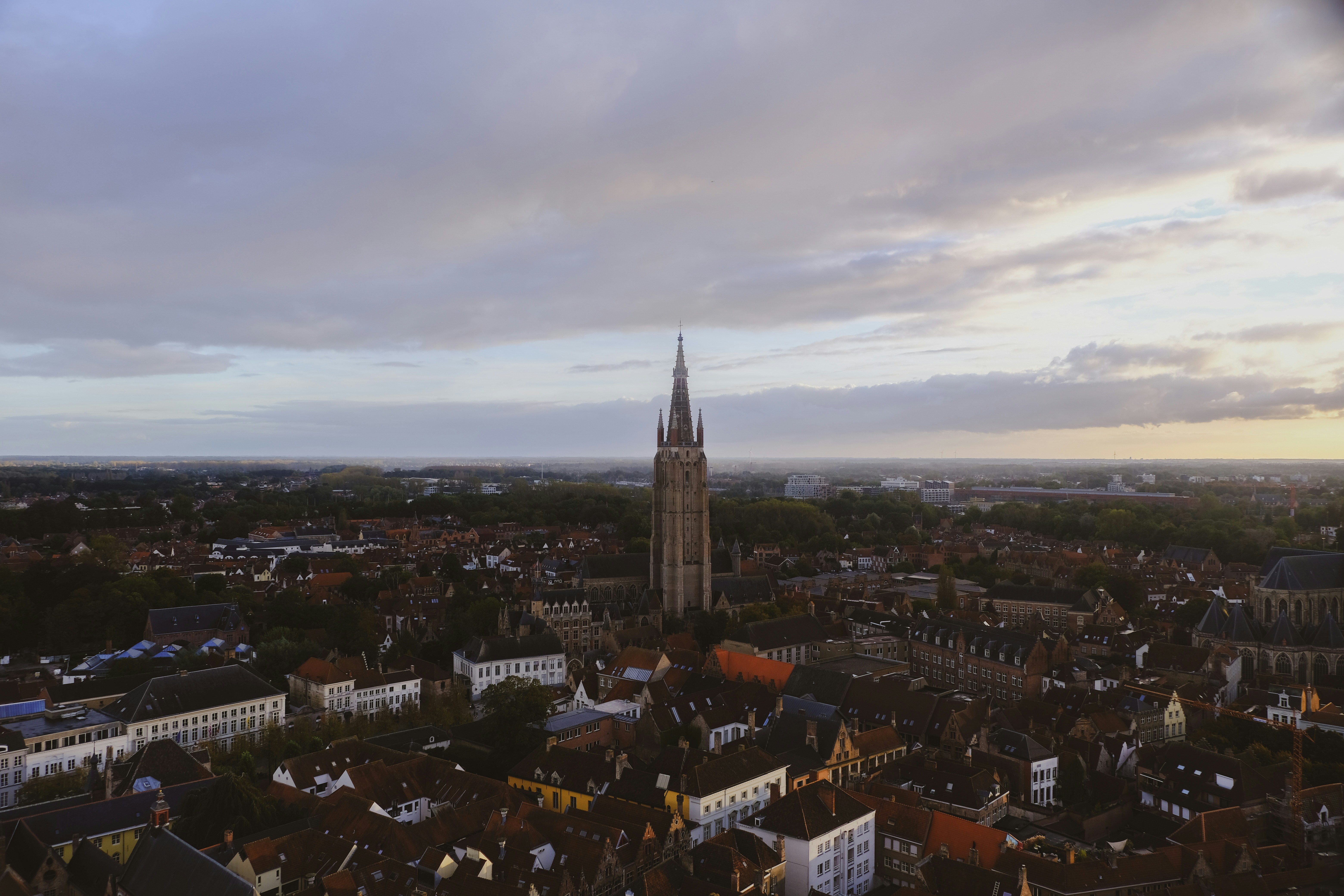
Arrive in Bruges and walk from the station through Minnewater Park toward the Beguinage, then continue to the Markt and Burg squares. A canal cruise usually takes around 30 minutes and costs approximately €15–€20. Climb the Belfry if you are comfortable with steep stairs; admission is commonly around €15–€20. For lunch, choose a casual brasserie serving Flemish stew, shrimp croquettes, or waffles for €15–€25.
Spend the afternoon around the Church of Our Lady, Dijver canals, and quieter streets near Sint-Anna. Dinner can be €25–€45, although a picnic or fries keeps costs lower. Return to Brussels around 7:00–9:00 p.m. Budget today is approximately $90, mid-range $180, or luxury $390. Bruges is busiest between late morning and mid-afternoon, so early arrival produces better photographs and shorter queues.
Day 4: Ghent and Antwerp Highlights
Combine Ghent and Antwerp only if you prefer a fast-paced Belgium travel plan; otherwise, spend the full day in Ghent for a more comfortable experience. The most efficient version starts with a morning train from Brussels to Ghent, taking roughly 30–40 minutes, followed by an afternoon train to Antwerp of about 45–60 minutes before returning to Brussels. Combined rail costs are often around €25–€40, depending on tickets and timing.
In Ghent, begin at Saint Bavo’s Cathedral, the Graslei and Korenlei quays, and Gravensteen Castle. Castle admission is approximately €13–€15, while a canal cruise generally costs €10–€15. Have lunch near the historic center for €15–€25; vegetarian travelers should look for Ghent’s strong plant-based restaurant scene. Around 2:00 p.m., continue to Antwerp for the Central Station, Meir shopping street, Cathedral of Our Lady, and Grote Markt. Add the MAS museum or a walk along the Scheldt if time allows.
Dinner in Antwerp costs around €25–€50 at a mid-range restaurant. Budget travelers should choose Ghent alone and expect about $80 today; the combined route costs about $130 mid-range or $280 luxury. Belgium’s rail network makes this route possible, but check departure times in advance and avoid carrying large luggage between cities.
Day 5: Brussels Neighborhoods, Atomium, and Departure
Use the final day for a flexible Brussels itinerary: visit the Atomium or a preferred museum in the morning, enjoy a final local lunch, and leave enough time for airport or rail-station transfers. If your departure is late, take the metro toward Heysel for the Atomium, allowing two to three hours and approximately €16–€18 for admission. The structure is farther from the historic center, so public transport is more practical than walking.
Alternatively, stay central and explore the European Quarter, Parc du Cinquantenaire, and the House of European History. For lunch, order Belgian fries, a sandwich, or a bakery meal for €8–€18. Buy chocolate, speculoos, or locally brewed beer as souvenirs, but pack liquids carefully if flying. Allow at least 90 minutes for airport travel and check your airline’s baggage rules before shopping.
A budget final day costs roughly $65, a mid-range day about $135, and a luxury day around $300. Before checking out, review shared costs in Hello’s expense-splitting feature. The app supports multiple currencies, automatic exchange-rate conversion, voice expense entry, bank-statement imports, and AI-powered categorization, which is useful when friends have paid in euros at different times.
Belgium 5 Day Itinerary Budget, Areas, and Transport Guide
A realistic Belgium 5 day itinerary costs approximately $375–$1,300 per person excluding international airfare, with the widest variation coming from accommodation and dining. Brussels is the best base because Grand-Place and Sainte-Catherine provide walkable evenings, while Brussels Central offers convenient trains to Bruges, Ghent, and Antwerp. Sablon suits travelers seeking elegant cafés and museums; the Marolles feels more local; the European Quarter is quieter at night.
| Travel style | Estimated total | Typical daily spend | Best for |
|---|---|---|---|
| Budget | $375–$500 | $65–$100 | Hostels, bakeries, casual meals, walking |
| Mid-range | $700–$900 | $125–$190 | Central hotels, museums, restaurants, day trips |
| Luxury | $1,100–$1,300+ | $250–$400 | Boutique hotels, fine dining, private guides |
Within Brussels, STIB contactless journeys are roughly €2.10 each, while a day pass costs about €7.50. Brussels–Bruges rail tickets can start near $15.50 one way, according to Rail Europe, although fares vary. Reserve hotels and major attractions early for spring, summer, Christmas markets, and weekends. Keep a small amount of cash for market stalls, but cards are widely accepted. Hello’s budget tracker can combine cash, card, and bank-imported expenses in multiple currencies, helping prevent a final-day spending surprise.
Common Questions About a Belgium 5 Day Trip
The best Belgium 5 day trip combines Brussels with Bruges, Ghent, and Antwerp while using Brussels as a single base, keeping transport simple and allowing evenings in the capital. This structure suits first-time visitors who want medieval towns, museums, food, and practical logistics without rushing through multiple hotel changes.
Is five days enough for Belgium? Yes. Five days covers Brussels thoroughly and allows two or three rewarding day trips. Travelers who prefer slower travel should choose either Ghent or Antwerp rather than both on Day 4.
Where should you stay in Brussels? Grand-Place and Sainte-Catherine are best for first-time visitors and evening dining. Sablon suits boutique hotels and museums, while the European Quarter offers quieter accommodation and good transport.
Should you buy a rail pass? Usually not for this itinerary. Compare individual Belgian train fares first, especially if traveling on weekends or using short routes. Booking early is less critical than checking the correct station and departure time.
What food should you try? Order moules-frites, carbonnade flamande, shrimp croquettes, Belgian waffles, fries, chocolate, and regional beer. Expect €8–€18 for a casual meal and €25–€50 for a comfortable dinner in 2026.
How do travelers stay connected? Buy and activate Hello eSIM for Belgium before departure. Hello offers instant activation, plans starting from 5GB, and connectivity across 200+ countries, so maps, translation, reservations, and rail information are available on arrival.
Explore These Destinations
Stay Connected
Make the most of Belgium
From eSIM connectivity to expense tracking, Hello is the all-in-one companion that keeps your trip stress-free.
Related Articles
Belgium Currency & Money Guide: Exchange, Cards, and Tips
Currency exchange, credit card acceptance, ATM tips, tipping culture, and money-saving advice for Belgium.
24 July 2026
Belgium Safety Guide: Tips for a Safe Trip
Safety tips, health advisories, emergency contacts, common scams, and travel insurance advice for Belgium.
15 July 2026
Belgium Visa & Entry Requirements for Singapore Passport Holders
Visa requirements, passport validity, customs allowances, and entry tips for Singapore citizens travelling to Belgium.
6 July 2026