Belgium Travel Budget Guide: Daily Costs and Money Tips
How much does it cost to travel in Belgium? Daily budget breakdowns for budget, mid-range, and luxury travellers.
By Hello Travel Team
This article contains affiliate links. If you book through them, Hello may earn a commission at no additional cost to you. Our editorial recommendations are independent. Learn more.
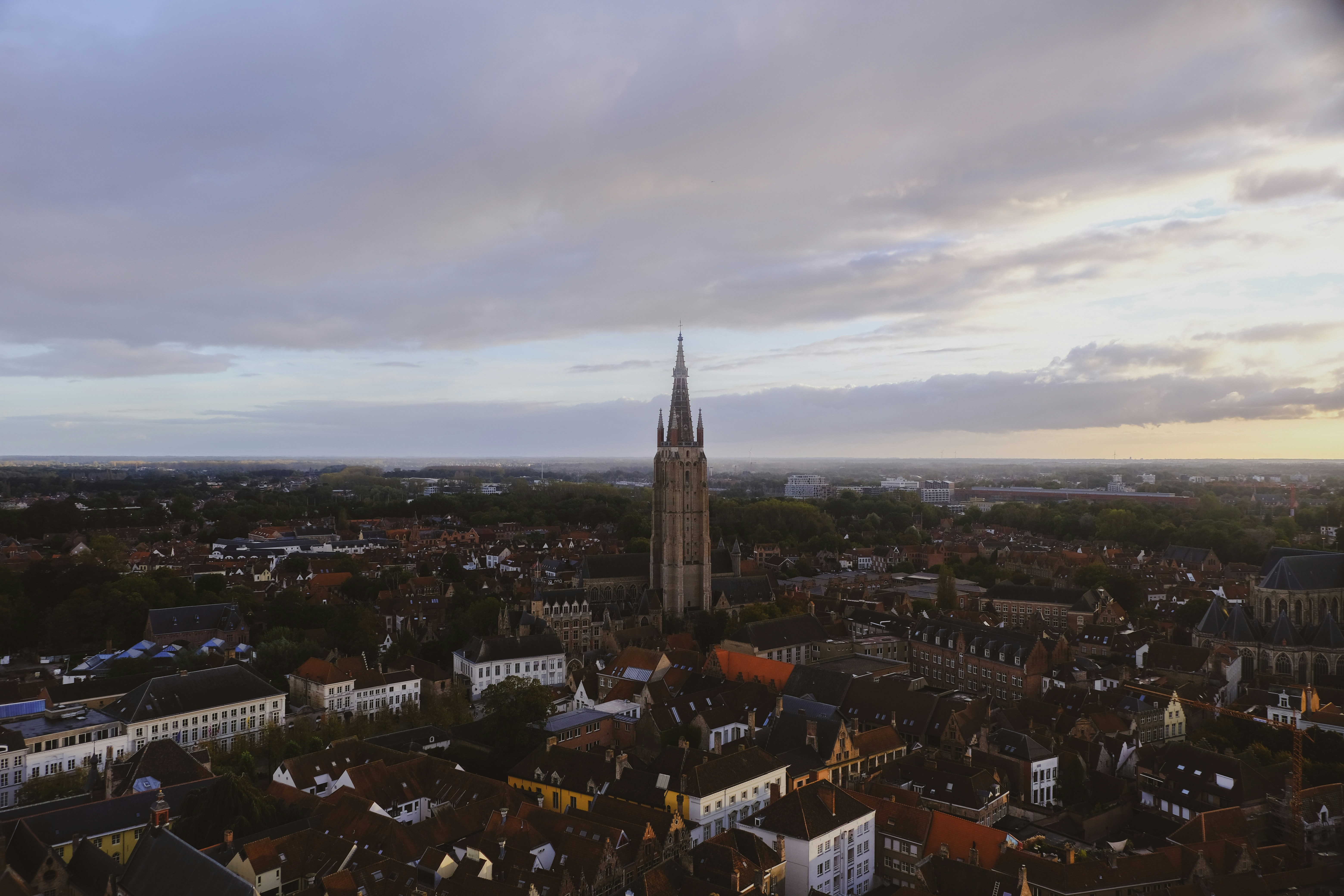
TL;DR – Typical Belgium Travel Costs Per Day
You can expect Belgium daily expenses of roughly €60–270 per person per day in 2026, depending on whether you travel on a budget, mid-range, or luxury style, covering accommodation, food, transport, and sightseeing.
For most travellers, Belgium is a moderate-cost destination: not as pricey as Switzerland, but definitely more expensive than many Eastern European countries. Nomadic Matt’s 2026 Belgium budget guide estimates about €60/day for backpackers, €150/day for mid-range, and from €270/day for luxury travellers, including lodging, food, transport, and activities. According to BudgetYourTrip’s aggregated data from real trips, the average traveller spends around €170 per day in Belgium, with budget trips from €69/day and luxury trips around €403/day.
If you’re planning a one-week trip, that works out to roughly:
- Budget: €420–€500 per person
- Mid-range: €900–€1,100 per person
- Luxury: €1,900+ per person
In the sections below, you’ll find a Belgium budget guide breaking down typical costs for accommodation, food, transport, and attractions, plus money tips and real examples to help you answer “how much will my Belgium trip cost?” for your own travel style.
Belgium Daily Budget Ranges: Budget, Mid-Range & Luxury
A realistic Belgium travel cost ranges from about €60 for backpackers to €270+ for luxury travellers per day in 2026, with most visitors falling in the €100–€170 mid-range comfort zone.
Nomadic Matt’s updated 2026 guide pegs a backpacker budget at around €60/day, covering hostel dorms, cheap eats, public transport, and mostly free activities. BudgetYourTrip, using real traveller data, suggests a similar floor of €69/day for budget travel and an average of €170/day for typical trips. Upscale travel can easily reach or exceed €270/day, especially in popular cities like Brussels, Bruges, and Antwerp.
Here’s a quick comparison of typical Belgium daily expenses by travel style in 2026:
| Travel Style | Approx. Daily Cost | What It Usually Includes |
|---|---|---|
| Budget | €60–75 | Hostel dorm, groceries + street food, public transport, mostly free sights |
| Mid-range | €130–170 | Private room in a 2–3★ hotel, restaurant meals, intercity trains, paid museums |
| Luxury | €270+ | 4–5★ hotels, fine dining, taxis/first-class trains, guided tours and special experiences |
According to one detailed 2026 breakdown, a budget traveler might spend €94/day, while a mid-range traveler spends €179/day, assuming hostels or basic hotels, simple restaurant meals, local transport, and sightseeing. Use these ranges as a baseline, then adjust up or down based on how often you eat out, what kind of rooms you book, and how many paid attractions you want to include.
Accommodation Costs in Belgium: Hostels, Hotels & Apartments
Expect Belgium accommodation costs from about €20–35 for hostel dorms to €140–200+ for luxury hotels per night in 2026, depending on city, season, and comfort level.
Nomadic Matt’s Belgium guide lists hostel dorms at €20–35/night and private hostel rooms around €30–50/night, while budget hotels tend to sit between €75–120/night. Airbnb-style private rooms often cost €100–200/night, and full apartments can range from €180–400/night, especially in popular city centres like Brussels or Bruges. HikersBay’s 2026 estimates are similar: hostels from €52/night and luxury hotels around €145/night for solo travellers.
To keep your Belgium trip cost under control, think in these typical brackets:
| Type of Stay | Typical Price (2026) | Notes |
|---|---|---|
| Hostel dorm | €20–35/night | Best value for solo backpackers in Brussels, Ghent, Bruges |
| Basic hotel (2–3★) | €75–120/night | Good mid-range option near city centres |
| Boutique / 4★ hotel | €140–200+/night | For comfort-focused or luxury trips |
| Apartment | €180–400/night | Great for families/groups, often with kitchens |
Book early for summer (July–August) and Christmas markets, when prices jump and budget rooms sell out quickly. If you’re splitting costs with friends, Hello’s expense splitting feature can automatically divide multi-night stays across currencies and people, making it much easier to track who paid for which hotel and settle up fairly.
Food, Drink & Daily Living Costs in Belgium
You should budget around €15–97 per day for food and drinks in Belgium in 2026, from cheap street snacks and supermarket meals up to full restaurant dining and Belgian beer tastings.
Nomadic Matt’s 2026 breakdown shows street food and snacks at €3–6, casual take-out around €8–14, and sit-down restaurant meals from €15–60 per person, depending on the level of dining. Coffee usually costs €3–4, beer €4–5, and a glass of wine about €4–5. Lonely Planet’s Belgium budget tips add more detail: a sandwich runs €6–11, Belgian fries €3–5, waffles €2–5, and dinner for two at a mid-range restaurant costs €75–150.
A practical daily Belgium budget guide for food might look like:
- Budget eating (€15–25/day): supermarket breakfasts, picnic lunches, one cheap takeaway or street food dinner, maybe one beer
- Mid-range (€30–50/day): café breakfasts, casual lunches, mid-range restaurant dinner + drinks
- Indulgent (€60–90+/day): full three-course dinners, craft beer bars, specialty coffee, desserts
Belgians love long, social meals, and tipping is modest because service charges are usually included. To keep your Belgium daily expenses in check, mix splurge meals (like moules-frites or a beer tasting in Bruges) with simple supermarket or bakery lunches. Hello’s AI receipt scanning and budget tracking help you log those frequent small purchases (coffee, fries, beer) that quietly add up over a week.
Transport, Attractions & Connectivity: What You’ll Spend
Plan €10–20 per day for local transport and €15–36 per day for attractions in Belgium, depending on how many museums and day trips you include in your itinerary.
Public transport in Belgian cities is generally affordable. HikersBay estimates local transportation at about €10/day, while Lonely Planet notes individual tickets around €2.50 per ride for buses or trams. Intercity trains between Brussels, Bruges, Ghent, and Antwerp usually cost €10–20 each way, depending on distance and ticket type. For sightseeing, HikersBay lists entrance tickets at about €36/day, and BudgetYourTrip reports an average of €18/day on attractions and entertainment, indicating that you can spend more or less depending on how museum-heavy your days are.
Typical daily non-food Belgium travel cost examples:
- Budget: Walk most places, maybe one tram or bus, free sights (historic centres, churches, canals) → €5–15/day
- Mid-range: Regular public transport, one intercity train or museum entry → €20–30/day
- Luxury: Taxis, private tours, paid viewpoints and specialty museums → €40+/day
For connectivity, using Hello eSIM for Belgium means you can arrive already online, navigate trams and trains with real-time info, and check live ticket prices without hunting for a local SIM. Data plans from Hello start at 5GB with instant activation, and you can explore options on the dedicated Belgium and Hello eSIM for Belgium pages.
Sample Daily Budgets & One-Week Belgium Trip Cost
For a one-week trip, expect your Belgium travel cost to land between €420 for budget travellers and over €1,900 for luxury travellers in 2026, depending on your style and city choices.
Putting together the data from Nomadic Matt, BudgetYourTrip, and other 2026 budget breakdowns, a reasonable planning assumption is €60–75/day for budget, €130–170/day for mid-range, and €270+/day for luxury. The Currency Shop’s estimates are similar, putting budget days around €70, mid-range around €172, and luxury days at €406 when converted from Australian dollars. That gives a helpful frame for calculating total trip costs.
Here’s a sample comparison for a 7-day Belgium itinerary:
| Travel Style | Daily Budget (2026) | 7-Day Trip Cost | Example Trip |
|---|---|---|---|
| Budget | €60–75 | €420–525 | Hostels, picnics, free walking tours, trains between Brussels & Bruges |
| Mid-range | €130–170 | €910–1,190 | 2–3★ hotels, restaurant dinners, museum passes, intercity trains |
| Luxury | €270–350+ | €1,890–2,450+ | 4–5★ hotels, fine dining, private tours, taxis and first-class rail |
To build your own Belgium budget guide, list each major category: accommodation, food, transport, sightseeing, plus a buffer for shopping and unexpected costs. The Hello app’s trip planning and budget tracking features let you set a daily budget, track multi-currency expenses automatically with live exchange rates, and see in real time if you’re on track, underspending, or starting to blow the budget.
Common Questions About Belgium Travel Costs (Q&A)
Most travellers spend between €60 and €170 per day in Belgium, with backpackers on the low end and comfort-focused travellers in the mid-range, adjusting for accommodation style, how often they eat out, and how many paid attractions they visit.
Q: How much does a budget Belgium trip cost per day?
A: A realistic budget Belgium daily cost is about €60–75 in 2026, assuming hostel dorms (€20–35), street food and groceries (€15–25), public transport (€5–10), and mostly free sights. Several 2026 breakdowns (Never Ending Footsteps, Nomadic Matt) converge around €60–94/day for frugal travellers.
Q: What’s a mid-range daily budget for Belgium?
A: Aim for €130–170 per person per day. This usually covers a private room in a 2–3★ hotel (€75–120), café and restaurant meals (€30–50), local transport (€10–15), and a couple of paid museums or activities (€15–25).
Q: How much do luxury trips cost?
A: Luxury travellers typically spend €270–400+ per day, including 4–5★ hotels (€140–200+), fine dining (€60–90+ per day), taxis or first-class trains, and private tours.
Q: Is Belgium more expensive than neighbouring countries?
A: Belgium sits in the middle: generally cheaper than Switzerland or Scandinavia, but similar in cost to the Netherlands and slightly cheaper than central Paris hotel prices. Cities like Brussels and Bruges feel pricey, while smaller towns can be more affordable.
Q: How can I track and split expenses easily?
A: Using Hello’s AI receipt scanning, multi-currency tracking, and expense splitting keeps your Belgium trip costs transparent—especially if you’re sharing hotel rooms, restaurant bills, and train tickets with friends across different currencies.
Money-Saving Tips & Smart Ways to Manage Your Belgium Budget
You can keep your Belgium daily expenses closer to the budget range by mixing free activities with selective splurges, using public transport, and tracking spending proactively so small costs don’t snowball.
Lonely Planet’s money-saving tips highlight that walking or cycling in compact cities like Bruges and Ghent, plus using affordable public transport (around €2.50 per ride), can significantly reduce daily costs. Free or low-cost activities include exploring historic centres, canals, street markets, and churches, while many museums offer reduced-price late-entry times or combo tickets that cut your overall Belgium travel cost. Real traveller reports suggest that careful planning can keep in-country expenses around €60–80/day, even including some sightseeing.
Practical ways to stretch your budget:
- Travel off-peak (shoulder seasons like April–May and September–October) to avoid high hotel rates
- Stay in Ghent or Antwerp and day-trip to Brussels or Bruges, which can sometimes mean cheaper lodging
- Shop at supermarkets (Carrefour, Delhaize) for breakfasts and picnic lunches
- Use city passes where available for bundled transport + attractions
- Limit taxis and rely on trams, buses, and trains
To stay in control, let the Hello app handle the admin: AI-powered categorization groups your Belgium expenses (food, transport, attractions), voice expense entry logs quick purchases on the go, and live currency conversion helps if you’re paying with non-euro cards. That way, you can focus on enjoying Belgium’s beer, chocolate, and medieval streets—without losing track of what you’re spending.
Explore These Destinations
Stay Connected
Book this trip
Compare options on trusted travel sites
Plan flights for this trip
Continue to a reviewed booking partner to check current routes, fares, and terms.

Track your Belgium trip budget
Split expenses with friends, track spending by category, and see real-time currency conversions — all in one app.
Related Articles
Belgium Currency & Money Guide: Exchange, Cards, and Tips
Currency exchange, credit card acceptance, ATM tips, tipping culture, and money-saving advice for Belgium.
24 July 2026
Belgium Safety Guide: Tips for a Safe Trip
Safety tips, health advisories, emergency contacts, common scams, and travel insurance advice for Belgium.
15 July 2026
Belgium Visa & Entry Requirements for Singapore Passport Holders
Visa requirements, passport validity, customs allowances, and entry tips for Singapore citizens travelling to Belgium.
6 July 2026