Key Takeaways
- ✓Aim for shoulder seasons (March–May, September–November 2026) for comfortable weather, lighter crowds, and better value across most of Australia.
- ✓Plan a realistic daily budget of roughly AUD 120–350 per person, using the Australia budget and currency guides plus Hello’s expense tracking to stay on target.
- ✓Check visa requirements early; Singapore passport holders should follow the dedicated Australia visa and entry guide for up‑to‑date steps and customs rules.
- ✓Use **Hello eSIM** to stay connected with instant data activation in Australia, managed through the same app you use for trip planning and expense splitting.
- ✓Rely on domestic flights for long distances and public transport plus ride‑hailing for city travel, complementing your chosen 3‑, 5‑, or 10‑day itinerary.
- ✓Explore Australia’s food scene by mixing cafes, casual restaurants, and special meals, guided by the Australia food and dining cluster article.
- ✓Read the safety and cultural guides before departure to understand beach safety, sun protection, emergency contacts, and everyday etiquette.
- ✓Use the “Before You Go” checklist to organize visas, bookings, connectivity, money, and insurance 2–4 weeks before your trip for a smoother arrival.
Australia is the kind of place that wins people over fast: world‑class cities like Sydney and Melbourne, laid‑back coastal towns, Aboriginal culture, wildlife you won’t see anywhere else, and landscapes that swing from reef to red desert. This 2026 Australia Travel Guide is your all‑in‑one trip planner, designed to help you go from vague “maybe we should visit Australia” to a confident, well‑budgeted itinerary.
You’ll find practical advice on the best time to visit, how much to budget per day, visa and entry requirements, getting around huge distances, and what to eat (beyond avo toast). We’ll also cover Hello eSIM connectivity, safety basics, cultural tips, and how to build short and long itineraries using detailed cluster guides like Australia in 3 Days, Australia in 5 Days, and Australia in 10 Days.
Throughout the guide, you’ll see comparison tables, decision frameworks, and “at a glance” summaries that help you choose the right season, budget level, and route for your style of travel. Think of this as your friendly, well‑travelled friend’s master plan for Australia: big‑picture guidance here, then deep dives in the linked articles whenever you’re ready to zoom in on the details.
Why Visit Australia in 2026
Australia in 2026 is a dream destination for travellers who love nature, food, and vibrant cities, with strong safety standards, great infrastructure, and plenty of bucket‑list experiences from the Great Barrier Reef to Uluru. Plan smart, and you can balance once‑in‑a‑lifetime sights with a realistic budget and pace.
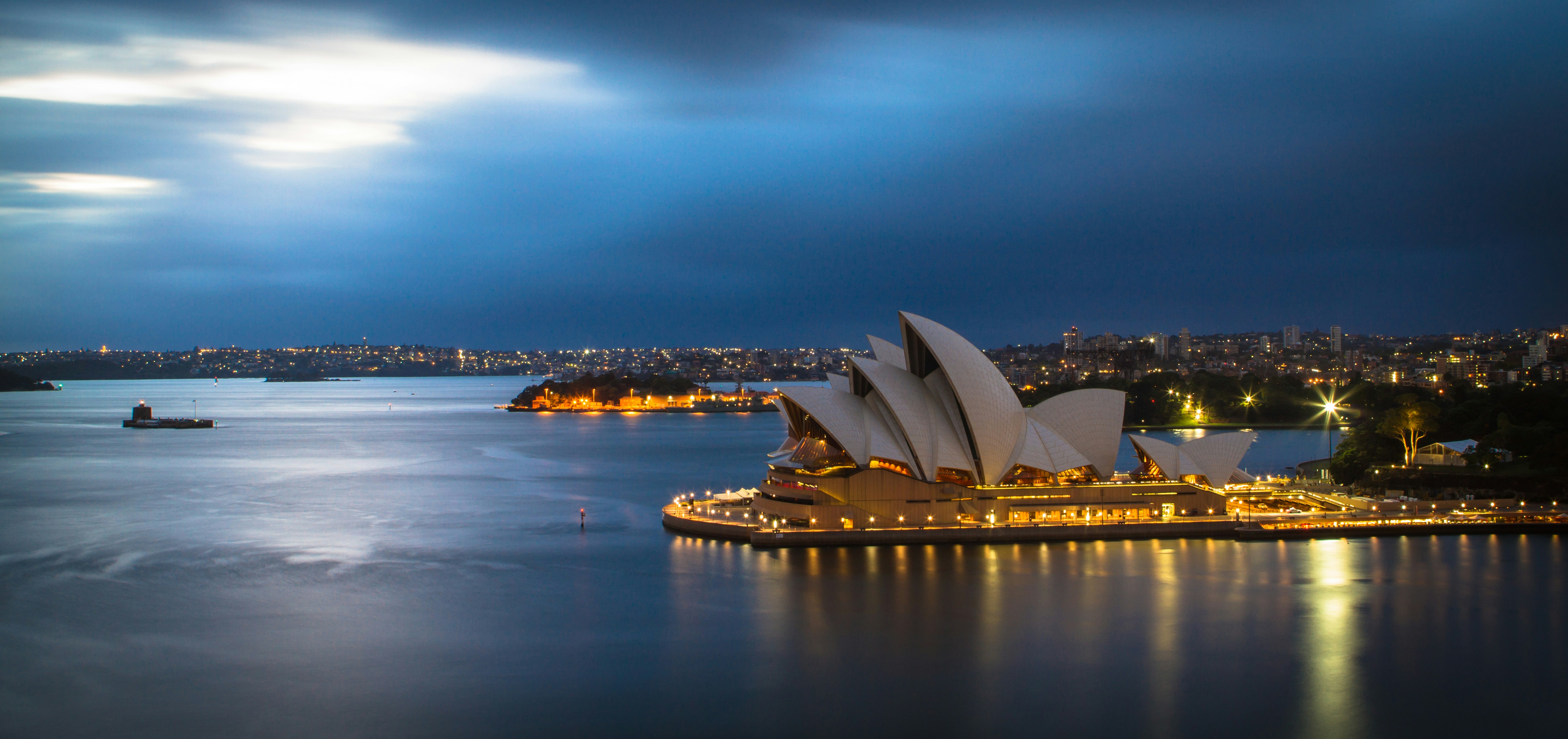
Australia feels familiar and surprising at the same time. English is widely spoken, infrastructure is modern, and payments are easy—yet you’re surrounded by wildlife, Aboriginal culture, and landscapes you won’t see in Japan or Thailand. Cities like Sydney and Melbourne mix beach lifestyle with arts, coffee culture, and nightlife, while places like Cairns and the Red Centre give you reef and desert adventures in one trip.
As of 2026, Australia remains a safe, high‑income country with reliable healthcare, tap‑to‑pay everywhere, and strong protections for travellers. The main thing you’ll notice is cost: prices are closer to Western Europe than Southeast Asia, which is why using our Australia Travel Budget Guide and Australia Currency & Money Guide to plan your daily spend is essential.
The country is vast, so itineraries matter. Short trips fit best around one or two cities—see Australia in 3 Days and Australia in 5 Days. Longer holidays can mix east‑coast highlights and outback or reef adventures—use Australia in 10 Days and 10 Days in Australia: Sydney, Melbourne, and the Great Barrier Reef as starting points.
Combine those itinerary ideas with our dedicated guides on transport, safety, culture, food, and Hello eSIM connectivity to build an Australia trip that feels both exciting and manageable.
3 Days in Australia: A Day-by-Day Itinerary
ItinerariesAustralia in 5 Days: The Perfect Extended Itinerary
ItinerariesAustralia in 10 Days: The Ultimate Travel Itinerary
Itineraries10 Days in Australia: Sydney, Melbourne, and the Great Barrier Reef
Budget PlanningAustralia Travel Budget Guide: Daily Costs and Money Tips
Currency & MoneyAustralia Currency & Money Guide: Exchange, Cards, and Tips
Safety & HealthAustralia Safety Guide: Tips for a Safe Trip
Cultural GuideAustralia Cultural Guide: Etiquette, Customs, and Tips
Best Time to Visit Australia
The best time to visit Australia depends on where you’re going, but for most first‑time trips, March–May and September–November 2026 offer the best mix of mild weather, lower crowds, and fair prices. Avoid peak summer if you dislike heat or inflated accommodation costs.
Because Australia spans multiple climate zones, you plan by region + season, not just month. Southern cities like Sydney and Melbourne have temperate weather, while northern areas like Cairns are tropical with distinct wet and dry seasons. Our itineraries—Australia in 10 Days and 10 Days in Australia: Sydney, Melbourne, and the Great Barrier Reef—work best in shoulder seasons when flights and hotels are easier to book and outdoor activities are more pleasant.
Here’s a high‑level weather and trip‑style comparison by season (southern Australia focus):
| Season (2026) | Months | Typical Temp (Sydney) | Trip Vibe | Pros | Cons |
|---|---|---|---|---|---|
| Summer | Dec–Feb | 20–27°C | Beachy, busy | Long daylight, festive, great for coastal trips | Higher prices, heatwaves, crowds |
| Autumn | Mar–May | 14–23°C | Comfortable | Mild weather, good for cities and road trips | Easter/holiday spikes |
| Winter | Jun–Aug | 8–17°C | Cozy, calmer | Cheaper, fewer crowds, good for cultural/snow trips | Cool, shorter days |
| Spring | Sep–Nov | 13–22°C | Fresh, active | Ideal for mixed city + nature itineraries | Storms in some regions |
For tropical north (Cairns, Great Barrier Reef), dry season (roughly May–October) is best for reef trips, which pair perfectly with routes in 10 Days in Australia: Sydney, Melbourne, and the Great Barrier Reef.
Use this structure: pick your season, map cities and regions, then refine with the detailed itinerary guides.
Budget Overview: How Much Does Australia Cost?
As of 2026, Australia is a mid‑to‑high cost destination: most travellers should expect roughly AUD 120–350 per person per day, depending on whether you travel on a budget, mid‑range, or luxury style. Careful planning can keep costs in check without missing major experiences.
The Australia Travel Budget Guide breaks down daily costs by category, while Australia Currency & Money Guide explains how to pay, withdraw cash, and save on fees. Here’s a simplified daily budget overview for major cities like Sydney and Melbourne:
| Travel Style (2026) | Daily Budget (per person) | Typical Inclusions |
|---|---|---|
| Budget | AUD 120–180 | Hostel bed or budget hotel, public transport, inexpensive eats, 1–2 paid attractions |
| Mid‑range | AUD 180–260 | Comfortable hotel, mix of restaurants and casual cafes, some tours, occasional rideshares |
| Luxury | AUD 260–350+ | High‑end hotels, fine dining, premium tours, flights or business‑class rail between cities |
In big cities, coffee might be around AUD 5, casual meals AUD 20–30, and museum entries AUD 20–35 as of 2026. Long‑distance transport (flights or inter‑city trains) and signature experiences like Great Barrier Reef tours will be your largest variable costs.
To keep your budget on track across a 3‑, 5‑, or 10‑day itinerary, use the price cues inside Australia in 3 Days, Australia in 5 Days, Australia in 10 Days, and 10 Days in Australia: Sydney, Melbourne, and the Great Barrier Reef. Combine that with Hello’s built‑in expense splitting and budget tracking features so you can share costs with friends and monitor real‑time spending as you go.
Australia Travel Budget Guide: Daily Costs and Money Tips
Currency & MoneyAustralia Currency & Money Guide: Exchange, Cards, and Tips
Itineraries3 Days in Australia: A Day-by-Day Itinerary
ItinerariesAustralia in 5 Days: The Perfect Extended Itinerary
ItinerariesAustralia in 10 Days: The Ultimate Travel Itinerary
Itineraries10 Days in Australia: Sydney, Melbourne, and the Great Barrier Reef
Visa & Entry Requirements (Especially for Singapore Travellers)
As of 2026, most travellers need an approved electronic visa or authorization before flying to Australia, and Singapore passport holders follow specific eVisitor or ETA rules and customs allowances. Always check requirements and apply online well before your trip.
Our dedicated guide Australia Visa & Entry Requirements for Singapore Passport Holders walks Singapore citizens through visa types, eligibility, documents, and step‑by‑step application processes. Even if you’re not from Singapore, this article is a useful model for understanding the kinds of entry checks and paperwork Australia typically requires.
Key points for 2026 travel:
- Passport validity: Many travellers are required to have at least 6 months’ validity beyond arrival date; check your country’s specific rule.
- Electronic authorizations: Short‑term tourism normally uses online systems (such as eVisitor/ETA); approvals are usually fast but not guaranteed.
- Customs & biosecurity: Australia is strict on food, plant, and animal products. Declare anything questionable on your arrival card to avoid fines.
A simple decision path for your paperwork:
- Confirm your nationality’s visa category on your government site.
- If you’re Singaporean, follow the steps in Australia Visa & Entry Requirements for Singapore Passport Holders.
- Apply online and wait for approval before booking non‑refundable flights.
- Keep digital and printed copies of visa confirmations to show airline staff and border officers.
Combine this with the Australia Safety Guide: Tips for a Safe Trip and Australia Cultural Guide: Etiquette, Customs, and Tips so you’re prepared not just for entry, but for health, safety, and social norms once you’re on the ground.
Getting Around: Transport in and Between Australian Cities
Australia is huge, so smart transport planning is key: in cities you’ll rely on public transport and ride‑hailing, while between cities you’ll mostly use domestic flights, long‑distance trains, or road trips. Plan your routes early to avoid surprise costs and long travel days.
The Getting Around Australia: Transport Guide for Travellers explains airport transfers, local public transport, inter‑city options, and driving rules. Our itineraries—Australia in 3 Days, Australia in 5 Days, and Australia in 10 Days—layer on real‑world examples: when to fly vs. drive, how long to allow for connections, and which neighbourhoods are most convenient.
Use this simple comparison when choosing inter‑city transport:
| Mode | Best For | Pros | Cons |
|---|---|---|---|
| Domestic flights | Sydney–Melbourne, east‑coast hops, reaching Cairns | Fast, frequent, good value if booked early | Add baggage fees, airport transit time |
| Long‑distance train | Scenic routes, relaxed pace | Scenic, comfortable, less stressful than flying | Slower, limited routes and schedules |
| Rental car | Road trips around one region | Flexibility, access to small towns and beaches | Driving rules, parking costs, long distances |
| Coach/bus | Budget‑friendly point‑to‑point travel | Cheaper, straightforward | Longer travel time, fewer amenities |
Within cities, expect integrated public transport cards, contactless payments, and ride‑hailing apps for late‑night or door‑to‑door trips. The Australia Transport Guide also covers driving on the left, speed limits, and rough fuel costs, which are important if you’re planning coastal or outback routes.
Build your transport plan alongside your itinerary: once you choose a 3‑, 5‑, or 10‑day route from the cluster guides, map each day’s main moves and pre‑book flights or cars where needed.
Getting Around Australia: Transport Guide for Travellers
Itineraries3 Days in Australia: A Day-by-Day Itinerary
ItinerariesAustralia in 5 Days: The Perfect Extended Itinerary
ItinerariesAustralia in 10 Days: The Ultimate Travel Itinerary
Itineraries10 Days in Australia: Sydney, Melbourne, and the Great Barrier Reef
Food & Dining: What to Eat and How Much It Costs
Australia’s food scene in 2026 is a highlight of any trip: expect excellent coffee, multicultural restaurants, fresh seafood, and modern takes on classics like meat pies and pavlova. Daily food costs add up, so it helps to mix sit‑down meals with casual eats and supermarket snacks.
The Australia Food Guide: Must-Try Dishes, Prices, and Tips dives into specific dishes, street food options, and typical restaurant prices, plus advice for vegetarians, vegans, and travellers with dietary restrictions. Paired with the Australia Currency & Money Guide, you can quickly see how food fits into your daily budget.
For 2026, here’s a rough sense of food spending in major cities:
- Coffee & pastry breakfast: around AUD 10–15.
- Casual lunch (burger, salad, or noodles): AUD 15–25.
- Sit‑down dinner with a drink: AUD 30–50+ per person.
Signature experiences include coastal seafood, modern Australian menus that blend local produce with global flavours, and rich cafe culture. If you’re coming from Thailand, prices will feel higher, while travellers from Japan or Western Europe may find them comparable.
To keep costs manageable, alternate big nights out with simple meals, and use hotel or apartment kitchens when available. The food guide also covers grocery prices, tipping norms (typically not mandatory), and food safety, so you can confidently explore markets and street stalls.
Check your itinerary days in Australia in 3 Days, Australia in 5 Days, and 10 Days in Australia: Sydney, Melbourne, and the Great Barrier Reef to identify which days you’ll likely splurge—such as waterfront dinners or special tasting menus—and budget accordingly.
Australia Food Guide: Must-Try Dishes, Prices, and Tips
Currency & MoneyAustralia Currency & Money Guide: Exchange, Cards, and Tips
Itineraries3 Days in Australia: A Day-by-Day Itinerary
ItinerariesAustralia in 5 Days: The Perfect Extended Itinerary
Itineraries10 Days in Australia: Sydney, Melbourne, and the Great Barrier Reef
Top Experiences & Sample Itineraries
For most travellers in 2026, the best Australia trips mix city highlights (Sydney, Melbourne) with nature and wildlife (Great Barrier Reef, coastal walks, outback). Short itineraries focus on one region; longer ones connect multiple cities by flight.
Use our itinerary cluster guides as your building blocks:
- 3 Days in Australia: A Day-by-Day Itinerary — perfect for a long weekend stopover in one city.
- Australia in 5 Days: The Perfect Extended Itinerary — adds day trips and deeper neighbourhood exploration.
- Australia in 10 Days: The Ultimate Travel Itinerary — balances major icons and local gems.
- 10 Days in Australia: Sydney, Melbourne, and the Great Barrier Reef — focuses on East Coast cities plus reef adventures.
To help you choose, here’s a simple decision framework:
- If you have 3 days: Stay in one city (usually Sydney or Melbourne). Prioritize harbour views, museums, and one coastal walk.
- If you have 5 days: Base yourself in a main city and add a nearby region (Blue Mountains from Sydney, Great Ocean Road from Melbourne).
- If you have 10 days: Combine at least two cities plus one “big nature” destination like the Great Barrier Reef or Uluru.
Top experiences include Sydney’s harbour and beaches, Melbourne’s laneways and cafes, reef snorkelling or diving days, wildlife encounters, and Aboriginal cultural tours. The detailed itineraries provide day‑by‑day plans, estimated costs, neighbourhood picks, and transport tips; this pillar guide helps you decide which route matches your time, budget, and interests before diving into the specifics.
Hello eSIM Connectivity & Staying Online in Australia
In 2026, the easiest way to stay connected in Australia is to use Hello eSIM, giving you instant data activation on arrival, in‑app management, and coverage across major cities and tourist regions. Combine it with Wi‑Fi in hotels and cafes to keep costs efficient.
Our dedicated eSIM for Australia: Best Plans, Coverage, and Setup Tips explains how Hello eSIM works in Australia: compatible devices, typical data bundles, and what coverage looks like in cities versus regional areas. With Hello’s travel companion app, you can buy and activate eSIM data plans for 200+ countries—including Australia—before you land or while you’re in the airport queue.
Advantages of using Hello eSIM for Australia travel include:
- No need to find a local SIM shop after a long flight.
- Keep your home SIM for calls and verification codes while using data on Hello eSIM.
- Manage usage, top‑ups, and plan changes inside the Hello app where you’re already tracking your trip and expenses.
Practical tips:
- Check that your phone is eSIM‑compatible and unlocked before departure.
- Install the Hello app and add your Australia Hello eSIM profile while on stable Wi‑Fi.
- Test data before leaving the airport so you have navigation and messaging ready.
The eSIM guide also discusses typical speeds and reliability in key areas covered by itinerary articles like Australia in 10 Days and 10 Days in Australia: Sydney, Melbourne, and the Great Barrier Reef, helping you plan for remote days where connectivity may be slower or patchy.
Safety, Culture, and Practical Etiquette
Australia is generally very safe for travellers in 2026, with low crime rates in most tourist areas and strong emergency services, but you still need to respect local laws, nature, and cultural norms. A bit of etiquette and preparation goes a long way.
The Australia Safety Guide: Tips for a Safe Trip covers health advisories, common scams, emergency numbers, and why travel insurance remains important. Pair it with the Australia Cultural Guide: Etiquette, Customs, and Tips to understand how Australians typically greet, dress, and behave in social situations.
Key safety and culture points for 2026:
- Nature safety: Beaches have lifeguards and flagged swim zones; always follow signs and local advice.
- Sun & heat: UV can be intense; use sunscreen, hats, and stay hydrated.
- Personal safety: Cities are generally safe, but basic precautions (watching belongings, avoiding isolated areas late at night) still apply.
- Social norms: Australians value informality, fairness, and respect. Tipping isn’t mandatory but small tips for good service are appreciated.
Culturally, be especially respectful when engaging with Aboriginal and Torres Strait Islander experiences, asking permission before photographing people or sensitive sites. The cultural guide includes useful phrases, dress expectations, and dos and don’ts that help you blend in rather than stand out.
Practical etiquette also extends to transport (queueing, ticket validation), nature (leave no trace), and money (using cards and tap‑to‑pay). Reading the safety and culture cluster guides ahead of time will make your trip smoother and more comfortable from day one.
Before You Go: Australia Trip Checklist 2026
A smart pre‑departure checklist makes Australia travel in 2026 far less stressful: confirm your visa, book key flights and stays, set up Hello eSIM, and organize money, insurance, and a realistic itinerary. Aim to complete most items 2–4 weeks before your trip.
Use this “Before You Go” checklist as a planning framework:
-
Documents & visas
- Check your passport validity (ideally 6+ months beyond your return date).
- Apply for the correct Australian visa or electronic permission; Singapore passport holders should follow Australia Visa & Entry Requirements for Singapore Passport Holders.
-
Itinerary & bookings
- Choose a route: 3‑day, 5‑day, or 10‑day using Australia in 3 Days, Australia in 5 Days, Australia in 10 Days, or 10 Days in Australia: Sydney, Melbourne, and the Great Barrier Reef.
- Book flights, key accommodation, and major tours (reef trips, popular day tours) in advance.
-
Money & budget
- Read the Australia Travel Budget Guide and Australia Currency & Money Guide.
- Set a daily budget and add it into the Hello app’s budget tracking.
-
Connectivity & apps
- Install the Hello app and set up Hello eSIM using eSIM for Australia: Best Plans, Coverage, and Setup Tips.
- Save offline maps and key bookings on your phone.
-
Safety & culture
- Review Australia Safety Guide: Tips for a Safe Trip and Australia Cultural Guide: Etiquette, Customs, and Tips.
- Purchase travel insurance and note emergency contacts.
With these basics checked off, you’ll arrive in Australia ready to enjoy the country instead of problem‑solving logistics.
Australia Visa & Entry Requirements for Singapore Passport Holders
Itineraries3 Days in Australia: A Day-by-Day Itinerary
ItinerariesAustralia in 5 Days: The Perfect Extended Itinerary
ItinerariesAustralia in 10 Days: The Ultimate Travel Itinerary
Itineraries10 Days in Australia: Sydney, Melbourne, and the Great Barrier Reef
eSIM & ConnectivityeSIM for Australia: Best Plans, Coverage, and Setup Tips
Budget PlanningAustralia Travel Budget Guide: Daily Costs and Money Tips
Currency & MoneyAustralia Currency & Money Guide: Exchange, Cards, and Tips
Safety & HealthAustralia Safety Guide: Tips for a Safe Trip
Cultural GuideAustralia Cultural Guide: Etiquette, Customs, and Tips
Frequently Asked Questions
How many days do I need for a first trip to Australia?
For a first‑time trip in 2026, 7–10 days is ideal: it gives you time for at least one major city (often Sydney or Melbourne) plus a nature highlight like the Great Barrier Reef or the outback. If you have less time, use Australia in 3 Days or Australia in 5 Days to build focused city‑based itineraries; for longer holidays, follow Australia in 10 Days or 10 Days in Australia: Sydney, Melbourne, and the Great Barrier Reef.
Is Australia safe to visit in 2026?
Yes, Australia is generally very safe to visit in 2026, with low crime rates in most tourist areas, strong healthcare, and reliable emergency services. The Australia Safety Guide: Tips for a Safe Trip outlines key precautions like sun protection, swimming between flags at patrolled beaches, avoiding scams, and buying travel insurance. Basic common sense—watching your belongings, respecting nature, and following local advice—goes a long way.
How expensive is Australia compared to other destinations?
Australia is more expensive than many Southeast Asian destinations like Thailand and broadly comparable to Western Europe or Japan as of 2026. Most travellers should plan roughly AUD 120–350 per person per day depending on their style of travel. The Australia Travel Budget Guide: Daily Costs and Money Tips and Australia Currency & Money Guide show how accommodation, food, transport, and activities stack up, plus money‑saving strategies and how to track expenses in the Hello app.
Do I need a visa to visit Australia, and how do I apply?
Many nationalities need an electronic visa or travel authorization approved before flying to Australia. Requirements depend on your passport and trip purpose. Singapore passport holders should follow the step‑by‑step instructions in Australia Visa & Entry Requirements for Singapore Passport Holders, which explain visa options, documents, and customs rules. Travellers from other countries should check their own government and Australian immigration sites, applying at least a few weeks before departure.
What’s the best way to stay connected in Australia?
In 2026, the simplest option is to use Hello eSIM for instant mobile data on arrival, managed entirely in the Hello app. The eSIM for Australia: Best Plans, Coverage, and Setup Tips guide explains compatible phones, typical data bundles, and coverage in major cities and tourist areas. You can install Hello eSIM before you fly, keep your home SIM for calls, and use hotel or cafe Wi‑Fi to supplement mobile data and keep costs reasonable.
What should I not do in Australia from a cultural standpoint?
Australians value informality, respect, and fairness, so aggressive bargaining, loud behaviour in quiet places, or disrespecting Aboriginal culture and sites are frowned upon. The Australia Cultural Guide: Etiquette, Customs, and Tips recommends saying please and thank you, respecting queues, following dress norms, and asking permission before photographing people or sensitive cultural areas. It also highlights useful phrases and local manners that help you fit in smoothly.
What are the must‑see highlights if it’s my first time?
For a first visit, most travellers aim for Sydney’s harbour and beaches, Melbourne’s laneways and cafes, and at least one big nature experience such as the Great Barrier Reef or the outback. Use 3 Days in Australia or Australia in 5 Days if you’re short on time, and Australia in 10 Days or 10 Days in Australia: Sydney, Melbourne, and the Great Barrier Reef if you want a broader overview of Australia’s icons and hidden gems.
eSIM Plans for Australia
Detailed Articles
Dive deeper into specific topics covered in this guide.
3 Days in Australia: A Day-by-Day Itinerary
A detailed 3-day itinerary for Australia with daily activities, costs, neighborhoods, and transport tips.
8 June 2026
Australia in 5 Days: The Perfect Extended Itinerary
A detailed 5-day itinerary for Australia with daily activities, costs, neighborhoods, and transport tips for an extended stay.
3 May 2026
Australia in 10 Days: The Ultimate Travel Itinerary
A comprehensive 10-day itinerary for Australia covering top attractions, hidden gems, daily costs, and transport between cities.
17 June 2026
10 Days in Australia: Sydney, Melbourne, and the Great Barrier Reef
Ten-day Australia itinerary covering east coast highlights with budget and transport advice.
14 July 2026
Australia Travel Budget Guide: Daily Costs and Money Tips
How much does it cost to travel in Australia? Daily budget breakdowns for budget, mid-range, and luxury travellers.
22 February 2026
Australia Currency & Money Guide: Exchange, Cards, and Tips
Currency exchange, credit card acceptance, ATM tips, tipping culture, and money-saving advice for Australia.
24 July 2026
Australia Safety Guide: Tips for a Safe Trip
Safety tips, health advisories, emergency contacts, common scams, and travel insurance advice for Australia.
15 July 2026
Australia Cultural Guide: Etiquette, Customs, and Tips
Essential do's and don'ts, greeting customs, dress codes, local phrases, and cultural tips for Australia.
30 May 2026
More Travel Guides
Destination Guide
Complete Bosnia and Herzegovina Travel Guide 2026
Everything you need to know about travelling to Bosnia and Herzegovina — budget, visa, food, transport, eSIM connectivity, and itineraries.
Destination Guide
Complete Bahamas Travel Guide 2026
Everything you need to know about travelling to Bahamas — budget, visa, food, transport, eSIM connectivity, and itineraries.
Destination Guide
Complete Bahrain Travel Guide 2026
Everything you need to know about travelling to Bahrain — budget, visa, food, transport, eSIM connectivity, and itineraries.
Destination Guide
Complete Sint Eustatius Travel Guide 2026
Everything you need to know about travelling to Sint Eustatius — budget, visa, food, transport, eSIM connectivity, and itineraries.