3 Days in Australia: A Day-by-Day Itinerary
A detailed 3-day itinerary for Australia with daily activities, costs, neighborhoods, and transport tips.
By Hello Travel Team
This article contains affiliate links. If you book through them, Hello may earn a commission at no additional cost to you. Our editorial recommendations are independent. Learn more.
- 1
Sydney Harbour Icons and The Rocks
- MorningAirport to city by Airport Link train~$14
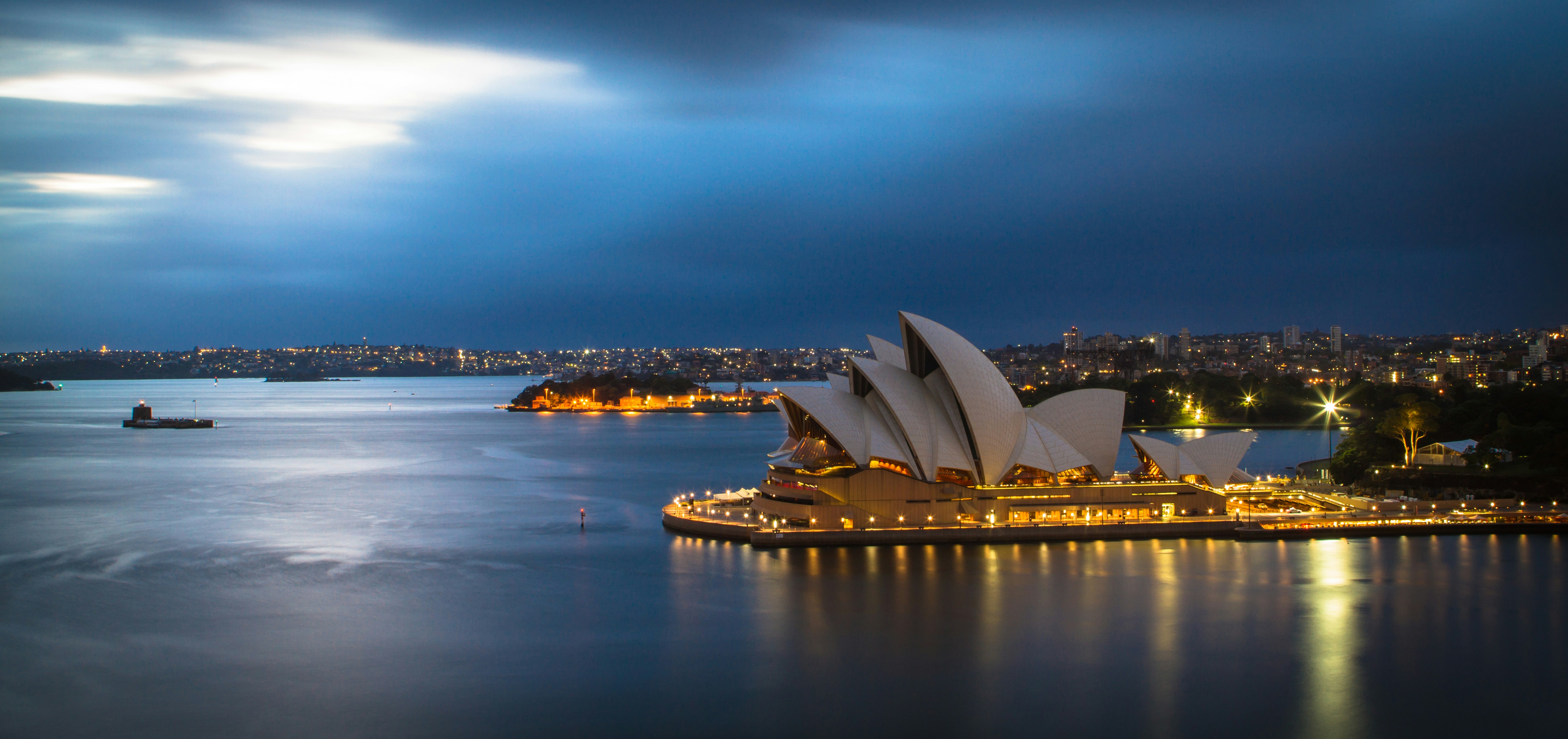
- MorningWalk around Circular Quay and Opera House
- MorningCoffee and breakfast near the harbour~$18
- AfternoonExplore The Rocks historic area and markets~$10
- AfternoonMuseum of Contemporary Art visit
- AfternoonGuided walking tour of The Rocks~$30
- EveningHarbour-view dinner at mid-range restaurant~$45
- EveningDrinks in a historic pub~$18
Sydney AirportCBDCircular QuayThe RocksDarling HarbourUse Opal on Airport Link and city trains; daily caps keep costs manageable. Walking between Circular Quay, The Rocks, and Darling Harbour is easy if you’re comfortable with hills.
Budget$80Mid-range$180Luxury$320 - 2
Bondi Beach and Coastal Walks
- MorningTrain from CBD to Bondi Junction~$4
- MorningBus from Bondi Junction to Bondi Beach~$3
- MorningBreakfast at Bondi beachfront café~$20
- MorningSwim and relax at Bondi Beach
- AfternoonBondi to Coogee coastal walk
- AfternoonLunch in Coogee at casual restaurant~$24
- EveningSunset drinks in Coogee or Bondi~$20
- EveningBus and train back to CBD~$7
- EveningSimple dinner near hotel~$22
CBDBondi JunctionBondi BeachBronteCoogeeUse train to Bondi Junction and bus to the beach on Opal. Coastal walk is best done one-way; catch a bus from Coogee back to the city.
Budget$70Mid-range$160Luxury$260 - 3
Blue Mountains Day Trip and Harbour Farewell
- MorningTrain from Central to Katoomba~$9
- MorningBus or walk to Echo Point Lookout~$4
- MorningVisit Echo Point and Three Sisters viewpoints
- AfternoonScenic World unlimited rides pass~$40
- AfternoonLunch in Katoomba café~$22
- AfternoonHike short Blue Mountains trail
- EveningTrain back to Sydney Central~$9
- EveningFarewell dinner near Circular Quay~$40
- EveningNight photos of Harbour Bridge and Opera House
CBDCentral StationKatoombaEcho PointCircular QuayTake a direct train from Central to Katoomba using Opal; off-peak fares are cheaper. Local buses connect Katoomba station to Echo Point and Scenic World.
Budget$90Mid-range$180Luxury$260
Trip Summary
Trip starter
Turn this 3-day itinerary into a Hello trip
Start with a prefilled trip for Australia, then add dates, invite friends, track expenses, and pick an eSIM before you land.
Name and destination carried into the app.
Split costs and settle up during the trip.
Choose data for the destination before departure.
TL;DR: A Perfect 3-Day Australia Itinerary in Sydney
A 3-day Australia itinerary is best spent in Sydney, combining iconic harbor views, beaches, and food, with daily budgets ranging from about $80–$260 USD per person in 2026, depending on whether you travel on a budget, mid-range, or luxury plan.
Sydney is Australia’s most visited city and a natural base for a short Australia 3 day itinerary, with Tourism Research Australia reporting over 16 million domestic overnight visitors and more than 4 million international visitors to New South Wales in 2024. In three days, you can cover the Harbour, Bondi, and the Blue Mountains without rushing, especially if you cluster sights by neighborhood.
Use this Australia travel plan as a flexible template: Day 1 focuses on the Harbour and The Rocks, Day 2 on beaches and coastal walks, and Day 3 on nature in the Blue Mountains. Public transport (train, light rail, ferries, buses) runs on the contactless-friendly Opal system, with typical caps of around 16–18 AUD per day in 2026.
To keep costs under control, many visitors find that tracking spend per category (food, transport, activities) makes more difference than cutting out experiences. The Hello app’s budget tracking and expense splitting features help you stick to your Australia trip planner targets while still enjoying Aussie coffee, coastal walks, and sunset drinks with friends.
Day 1 Australia Itinerary: Sydney Harbour, The Rocks and City Icons
Day 1 in Sydney is all about Sydney Harbour, with a loop from Circular Quay and The Rocks to Darling Harbour, costing roughly $80–$220 USD per person in 2026 depending on whether you choose free viewpoints or premium tours and dining.
Morning (08:00–12:00): Arrival and Harbour First Look
If you land at Sydney Airport, take the Airport Link train to Central or Circular Quay (about 20 AUD one way in 2026). From Central, transfer to a city train to Circular Quay and step straight out to views of the Sydney Opera House and Harbour Bridge. According to Destination NSW, Sydney welcomes millions of visitors annually drawn to this harbor precinct, making it the ideal starting point. Grab a flat white from a local café (6–7 AUD) and walk the promenade.
Afternoon (12:00–17:00): The Rocks and Museums
Stroll into The Rocks, Sydney’s historic neighborhood with cobblestone streets, heritage pubs, and weekend markets. Many historic sites and galleries are free or low-cost, so this fits a budget-friendly Australia travel plan. Visit the Museum of Contemporary Art (free entry, donations welcome) or join a short walking tour (25–40 AUD) to learn about colonial history and Aboriginal connections to the harbor.
Evening (17:00–21:30): Dinner with a View
For dinner, choose between:
- Budget: food court or casual Asian eats in nearby Haymarket for 15–20 AUD per meal in 2026.
- Mid-range: a bistro in The Rocks with mains 28–40 AUD.
- Luxury: waterfront fine dining near Circular Quay, where multi-course menus can exceed 140 AUD.
Track these first-day costs and split restaurant bills in the Hello app so everyone knows what they’ve spent without manual spreadsheets.
Day 2 Australia 3 Day Itinerary: Bondi Beach and Coastal Walks
Day 2 focuses on Bondi Beach and Sydney’s coastline, with a mix of swimming, café culture, and the Bondi to Coogee coastal walk, typically costing $70–$200 USD per person in 2026 depending on restaurant choices and transport.
Morning (08:00–12:30): Bondi Beach Start
From the CBD, take a train to Bondi Junction (4–5 AUD) and then a bus to Bondi Beach (around 3–4 AUD), both on the Opal system. According to Transport for NSW, daily caps keep public transport affordable for visitors, especially if you’re tapping on/off with a contactless card. Arrive by 9:00 to secure a spot on the sand and watch surfers. Grab breakfast at a beachfront café: expect 18–26 AUD for avocado toast and coffee in 2026.
Afternoon (12:30–17:30): Bondi to Coogee Coastal Walk
The Bondi to Coogee Walk is one of Australia’s most photographed coastal trails, with viewpoints over rock pools, cliffs, and beaches. The walk is free, about 6 km one-way, and takes 2–3 hours with stops. Bring sunscreen; Australia has high UV levels and locals often reapply every two hours in summer. Pause at Bronte or Clovelly for a swim, then finish at Coogee for a late lunch (18–28 AUD per main at casual spots in 2026).
Evening (17:30–21:30): Sunset Drinks or Return to the CBD
Stay in Coogee for sunset drinks (10–15 AUD per glass of wine) or return to the city by bus. A budget version of this Australia itinerary leans on supermarket snacks and takeaway (10–15 AUD per meal), while luxury travellers might book a spa session or rooftop dinner back in the CBD.
Keeping your Australia trip planner organized is easier if you log each café, transport tap-on, and activity in Hello’s budget tracker so you can compare beach day costs to city days.
Day 3 Australia Travel Plan: Blue Mountains Day Trip from Sydney
Day 3 is best spent in the Blue Mountains, a UNESCO-listed region of cliffs and eucalyptus forests, with day-trip costs ranging from about $90–$260 USD per person in 2026 depending on whether you go self-guided by train or on an organized tour.
Morning (07:00–12:00): Train to Katoomba and Echo Point
Catch an early train from Sydney’s Central Station to Katoomba (around 2 hours; 10–12 AUD one-way using Opal off-peak). The Australian Bureau of Statistics notes that domestic nature-based trips remain a major draw, and the Blue Mountains are among the most accessible wilderness areas from a major city. In Katoomba, either walk or take the local bus to Echo Point for panoramic views of the Three Sisters rock formation.
Afternoon (12:00–17:00): Scenic World or Hiking
At Scenic World, you can ride cableways and boardwalks over rainforest and cliffs; tickets in 2026 are commonly in the range of 50–60 AUD per adult for unlimited rides. Budget travellers might skip Scenic World and opt for free hiking trails like Prince Henry Cliff Walk or the Giant Stairway (check trail difficulty and weather at the visitor center).
Grab lunch in Katoomba:
- Casual café meals: 18–24 AUD.
- Sit-down restaurants: 28–40 AUD per main.
Evening (17:00–21:30): Return to Sydney and Harbour Farewell
Take the evening train back to Sydney and, if you still have energy, return to Circular Quay for a night photo session. Add a simple farewell dinner:
- Budget: takeaway noodles or kebab (12–16 AUD).
- Mid-range: modern Australian mains around 30–40 AUD.
- Luxury: degustation menus at 150 AUD+.
Log shared tour costs and meals in Hello’s expense splitting feature, especially if some friends choose Scenic World while others prefer free hikes.
Transport, Neighborhoods and Daily Budgets for 3 Days in Sydney
Getting around Sydney for a 3-day trip is straightforward with Opal public transport, with typical daily caps and pay-as-you-go fares keeping total transport costs around $10–$20 USD per day in 2026 for most visitors.
Key Neighborhoods to Base Your Australia Itinerary
For a short Australia 3 day itinerary, focus on:
- CBD & Circular Quay: best for first-time visitors, easy access to trains, ferries, and icons.
- The Rocks: heritage feel, pubs, harbor views.
- Bondi & Eastern Suburbs: beaches and relaxed cafés.
- Darling Harbour & Pyrmont: family-friendly attractions and waterfront dining.
According to Tourism Research Australia, New South Wales consistently receives the highest international visitor numbers in Australia, which is reflected in Sydney’s dense transport network and accommodation options ranging from hostels to five-star hotels.
Typical Daily Budgets in 2026 (Per Person)
Here’s a simple comparison to plug into your Australia trip planner:
| Tier | Accommodation (per night) | Food & Drink (per day) | Transport (per day) | Activities (per day) | Approx Total per Day |
|---|---|---|---|---|---|
| Budget | $35–60 USD (hostel) | $20–30 USD | $10–15 USD | $10–15 USD | ~$75–120 USD |
| Mid | $90–160 USD (3–4 star) | $35–55 USD | $10–20 USD | $20–40 USD | ~$155–275 USD |
| Luxury | $220+ USD (5 star) | $60–120 USD | $15–25 USD | $40–120 USD | ~$335–485 USD |
You can use Hello’s budget tracking to set a daily cap and log each spend with AI receipt scanning, making it easier to decide whether that harbor cruise or extra cocktail fits your Australia travel plan.
Staying Connected and Tracking Your Australia Travel Budget with Hello
The easiest way to stay connected in Australia for 3 days is to activate a Hello eSIM for Australia before you fly, then use the Hello app to track and split expenses in real time while you explore Sydney and the Blue Mountains.
Hello’s travel companion app (iOS and Android) combines trip planning, eSIM connectivity for 200+ countries, and powerful expense tools like AI receipt scanning and multi-currency tracking. For a short Australia trip, that means you can land at Sydney Airport already online, check real-time train schedules, and message your group without hunting for local SIM shops.
Data plans with Hello eSIM typically start around 5 GB, with prices updated live in the app, making it easy to match your Australia travel plan to expected usage (navigation, social sharing, streaming). Buying and activating an eSIM from Hello before departure allows you to arrive connected and immediately order rideshares or check Opal fares. To explore options, you can visit Hello eSIM for Australia.
On the money side, Hello’s AI receipt scanning works with any language and currency, automatically categorizing spend across food, transport, and activities. If one friend pays for the Blue Mountains tour while another covers the Bondi dinner, Hello’s expense splitting handles multiple currencies and exchange rates automatically. That makes cost control and group fairness much easier than manual spreadsheets.
With bank statement import (CSV/PDF) and voice expense entry, you can also reconcile your 3-day Australia itinerary afterwards, seeing exactly what you spent in each neighborhood and on each day.
Common Questions About Planning a 3-Day Australia Itinerary
Most travellers can see Sydney’s major highlights in 3 days by focusing on the Harbour, Bondi Beach, and a Blue Mountains day trip, with typical daily costs between $80 and $260 USD per person in 2026 depending on travel style and accommodation choices.
Q: Is 3 days enough for Australia?
For the whole country, three days is very short; Australia covers nearly 7.7 million square kilometers according to Geoscience Australia. But 3 days is ideal for a focused Australia 3 day itinerary in Sydney, giving you time for city icons, beaches, and one nature day.
Q: What’s a realistic 3-day Australia travel plan?
A common Australia travel plan looks like: Day 1 – Sydney Harbour and The Rocks; Day 2 – Bondi Beach and coastal walks; Day 3 – Blue Mountains or another day trip (like Hunter Valley for wine lovers). This keeps transport simple and minimizes hotel changes.
Q: How much should I budget for a 3-day trip?
In 2026, many visitors find that a total of $240–$780 USD per person covers 3 days, depending on whether they travel budget or mid-range. Luxury travellers who choose five-star hotels and fine dining might spend upwards of $1,000 USD for three days.
Q: Do I need to rent a car?
Not usually. Sydney’s trains, buses, light rail, and ferries cover most of this Australia itinerary, and the Blue Mountains are easily reached by train. Renting a car makes sense mainly for road trips beyond New South Wales.
Q: How do I keep track of shared costs?
Using the Hello app’s expense splitting and budget tracking is an easy way to divide tours, meals, and transport among friends fairly while keeping your Australia trip planner clear and stress-free.
Explore These Destinations
Stay Connected
Book this trip
Compare options on trusted travel sites
Plan stays for this trip
Continue to a reviewed booking partner to check current property details and terms.

Make the most of Australia
From eSIM connectivity to expense tracking, Hello is the all-in-one companion that keeps your trip stress-free.
Related Articles
Australia Currency & Money Guide: Exchange, Cards, and Tips
Currency exchange, credit card acceptance, ATM tips, tipping culture, and money-saving advice for Australia.
24 July 2026
Australia Safety Guide: Tips for a Safe Trip
Safety tips, health advisories, emergency contacts, common scams, and travel insurance advice for Australia.
15 July 2026
10 Days in Australia: Sydney, Melbourne, and the Great Barrier Reef
Ten-day Australia itinerary covering east coast highlights with budget and transport advice.
14 July 2026