Australia in 10 Days: The Ultimate Travel Itinerary
A comprehensive 10-day itinerary for Australia covering top attractions, hidden gems, daily costs, and transport between cities.
By Hello Travel Team
- 1
Arrival and Sydney Harbour
- MorningAirport transfer to the CBD~$17
- AfternoonThe Rocks and Museum of Contemporary Art
- EveningCircular Quay and Royal Botanic Garden sunset walk~$30
The RocksCircular QuaySydney CBDAirport Link train is approximately A$22–25; rideshare is commonly A$45–70.
Budget$120Mid-range$240Luxury$550 - 2
Sydney Opera House and Manly
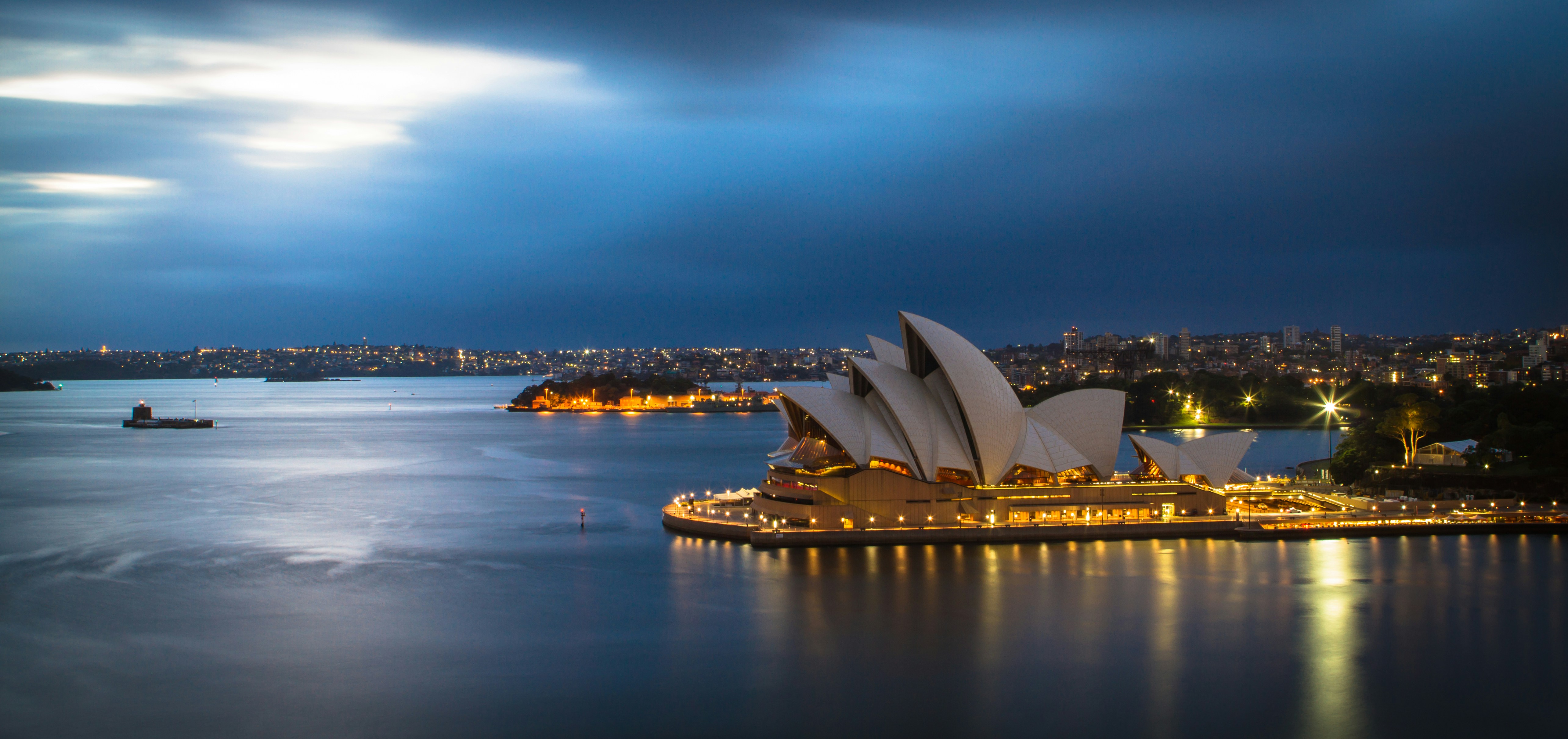
- MorningOpera House guided tour~$35
- AfternoonFerry to Manly Beach~$14
- EveningManly coastal walk and dinner in Chinatown~$35
Circular QuayManlyChinatownUse the ferry from Circular Quay; allow roughly A$8–10 each way.
Budget$120Mid-range$250Luxury$600 - 3
Bondi to Coogee Coastal Walk
- MorningBondi to Coogee walk
- AfternoonBrunch at Bronte or Tamarama~$18
- EveningDinner in Surry Hills or Newtown~$30
BondiBronteCoogeeSurry HillsPublic transport fares are generally A$3–6 per ride; Sydney’s weekday daily cap is about A$17.80.
Budget$110Mid-range$230Luxury$550 - 4
Fly to Uluru and Sunset at the Rock
- MorningDomestic flight to Ayers Rock Airport~$350
- AfternoonCultural Centre
- EveningUluru sunset viewing~$40
YularaUluru-Kata Tjuta National ParkThe flight is usually around 3.5 hours; arrange a resort shuttle or transfer before arrival.
Budget$500Mid-range$800Luxury$1500 - 5
Uluru Sunrise and Kata Tjuta
- MorningSunrise at Talinguru Nyakunytjaku~$25
- AfternoonKata Tjuta Valley of the Winds walk
- EveningYulara dinner~$40
YularaKata TjutaA three-day park pass is approximately A$38 per adult; guided tours and transfers cost extra.
Budget$300Mid-range$650Luxury$1400 - 6
Fly to Melbourne and Explore the CBD
- MorningFlight from Uluru to Melbourne~$350
- AfternoonSkyBus to Southern Cross Station~$16
- EveningFederation Square, Hosier Lane, and NGV~$35
Melbourne CBDFederation SquareChinatownSkyBus is approximately A$24 one way; rideshare commonly costs A$55–85.
Budget$400Mid-range$700Luxury$1400 - 7
Queen Victoria Market and Melbourne Neighbourhoods
- MorningQueen Victoria Market breakfast and lunch~$18
- AfternoonRoyal Botanic Gardens and Shrine of Remembrance
- EveningFitzroy or Carlton dinner~$40
Queen Victoria MarketFitzroyCarltonTrams within Melbourne’s Free Tram Zone are free; the wider network uses Myki and has a daily cap of roughly A$10.
Budget$110Mid-range$250Luxury$600 - 8
Great Ocean Road and the Twelve Apostles
- MorningDepart Melbourne for Torquay~$100
- AfternoonBells Beach and Apollo Bay~$25
- EveningTwelve Apostles sunset or Port Campbell dinner~$45
TorquayApollo BayPort CampbellOrganised tours often cost A$120–220; car hire starts around A$70–120 per day before fuel and insurance.
Budget$220Mid-range$420Luxury$1000 - 9
Great Ocean Road Wildlife or St Kilda
- MorningTwelve Apostles sunrise and coastal lookouts
- AfternoonReturn to Melbourne or wildlife sanctuary~$30
- EveningSt Kilda sunset and penguin viewing~$25
Port CampbellSt KildaBrightonIf returning from Port Campbell, allow several hours; avoid driving tired and consider an overnight stop.
Budget$150Mid-range$320Luxury$750 - 10
Final Melbourne Morning and Departure
- MorningBreakfast and final shopping~$25
- AfternoonAirport transfer~$16
- EveningAirport meal and departure~$25
Melbourne CBDSouthern CrossTake SkyBus or a pre-booked transfer and arrive at least three hours before an international departure.
Budget$80Mid-range$180Luxury$400
Trip Summary
Trip starter
Turn this 10-day itinerary into a Hello trip
Start with a prefilled trip for Australia, then add dates, invite friends, track expenses, and pick an eSIM before you land.
Name and destination carried into the app.
Split costs and settle up during the trip.
Choose data for the destination before departure.
Australia 10-Day Itinerary: TL;DR
A well-paced Australia 10 day itinerary combines Sydney, Uluru, and Melbourne, giving you iconic harbour views, an unforgettable outback sunrise, and Australia’s best food, culture, and laneway experiences. Plan around one domestic flight, budget approximately US$1,750–$2,650 per person excluding international flights, and reserve accommodation and major tours early.
This Australia travel plan assumes arrival in Sydney and departure from Melbourne. Australia is vast, so flying between regions is more practical than attempting to travel overland; the country’s median international visitor stay was 12 days in 2025–26, according to the Australian Bureau of Statistics. Australia recorded more than 9.1 million visitor arrivals during that period, making advance planning particularly useful for popular seasons.
Days 1–3: Sydney Harbour, Beaches, and Local Neighbourhoods
Spend your first three days in Sydney, using public transport for the centre and coastal walks while allowing one full day for the harbour and one for the eastern beaches.
Day 1 – Arrival and Circular Quay: In the morning, take the Airport Link train to Central or Circular Quay, usually around A$22–25 (US$15–17) in 2026 including airport access charges, or choose a rideshare for roughly A$45–70. After checking in, walk through The Rocks and visit the Museum of Contemporary Art. In the afternoon, stroll around Circular Quay and the Royal Botanic Garden. At sunset, photograph the Opera House and Harbour Bridge from Mrs Macquarie’s Chair. Eat fish and chips at a casual harbour-side shop, or budget A$25–45 for a modern Australian dinner.
Day 2 – Harbour icons: Take a morning guided Opera House tour from approximately A$40–55, then ride a ferry to Manly, generally about A$8–10 each way. Walk part of the Manly-to-Spit Bridge trail or relax at Manly Beach. Return for dinner in Chinatown, where dumplings or noodles can cost A$15–25.
Day 3 – Bondi to Coogee: Start early on the six-kilometre coastal walk, stopping at Bronte and Tamarama. Allow A$15–25 for brunch, then swim only between the flags. Spend the evening in Surry Hills or Newtown; a pub meal and drink typically cost A$30–50. Sydney’s public transport daily cap is about A$17.80 on most weekdays and lower on Sundays, according to current 2026 fare guidance.
Days 4–5: Uluru and the Red Centre
Uluru deserves two days because sunrise, sunset, and cultural interpretation reveal very different sides of the desert landscape.
Day 4 – Sydney to Uluru: Take a morning flight to Ayers Rock Airport, usually about 3.5 hours; fares vary widely, but A$250–500 one way is a sensible planning range when booked ahead. Use a resort shuttle or pre-arranged transfer to reach Yulara. In the afternoon, visit the Cultural Centre before joining an Uluru sunset viewing experience. The national park entry pass is commonly sold as a three-day pass, priced around A$38 per adult in 2026. Dinner at a casual resort venue may cost A$25–45, while a guided dinner under the stars can exceed A$200.
Day 5 – Sunrise and Kata Tjuta: Leave before dawn for Talinguru Nyakunytjaku, allowing time for the colours of Uluru to change after sunrise. After breakfast, drive or join a tour to Kata Tjuta and walk the Valley of the Winds section if conditions and fitness allow. Afternoon heat can be extreme, so carry water, wear sun protection, and follow park closures. Return to Yulara for a relaxed dinner.
Uluru is a culturally significant Anangu place, not simply a climbing challenge; visitors are asked to respect the request not to climb and to remain on marked paths. A two-day Red Centre stop typically costs A$600–1,200 per person excluding flights, depending mainly on accommodation and tours.
Days 6–7: Melbourne Culture, Coffee, and Hidden Gems
Two days in Melbourne are enough for a concentrated introduction to its galleries, markets, laneways, gardens, and neighbourhood dining scene.
Day 6 – Arrival and the CBD: Fly from Ayers Rock Airport to Melbourne, usually via a connection, and allow most of the morning or early afternoon for travel. From Melbourne Airport, SkyBus to Southern Cross Station is approximately A$24 one way in 2026; a rideshare commonly costs A$55–85. Check in, then explore Federation Square, Flinders Street Station, Hosier Lane, and the National Gallery of Victoria. Melbourne’s Free Tram Zone covers much of the central business district, so check the boundaries before tapping on. Dinner in Chinatown or Fitzroy generally costs A$20–45 per person.
Day 7 – Markets and neighbourhoods: Begin at Queen Victoria Market for coffee, pastries, and a hot lunch; allow A$15–25. In the afternoon, choose the Royal Botanic Gardens and Shrine of Remembrance, or tour the Melbourne Cricket Ground for roughly A$35–45. Finish with independent shops and restaurants in Fitzroy, Collingwood, or Carlton. A tasting-menu dinner can cost A$120–220, while a casual pasta or curry is often A$20–35.
Melbourne’s Myki network has a daily fare cap of roughly A$10 in 2026, and trams within the Free Tram Zone are free. Use a Myki card or compatible payment method where accepted, and remember that inspectors can issue fines for travelling without a valid touch-on.
Days 8–10: Great Ocean Road, Wildlife, and Departure
Use your final three days for a choice between a Great Ocean Road excursion and a slower Melbourne finish; the best option depends on your departure time and tolerance for long drives.
Day 8 – Great Ocean Road: Join an organised day tour, often A$120–220, or rent a car from approximately A$70–120 per day before fuel and insurance. Leave early for Torquay, Bells Beach, Apollo Bay, and the Twelve Apostles. The full return drive from Melbourne is long—often 10–12 hours with stops—so an overnight stay in Apollo Bay or Port Campbell is more comfortable. Budget A$25–45 for lunch and A$35–70 for dinner.
Day 9 – Wildlife and the coast: If you stayed overnight, visit the Twelve Apostles at sunrise, then continue to Loch Ard Gorge and London Bridge before returning to Melbourne. Alternatively, stay in the city and visit St Kilda, Brighton Beach, and the penguin viewing area after sunset; arrive early and follow ranger instructions. A wildlife sanctuary ticket generally costs A$25–45.
Day 10 – Final morning: Enjoy breakfast near your hotel, buy gifts at the market, and leave at least three hours before an international flight. SkyBus or a pre-booked transfer is the simplest airport connection. Keep A$20–40 for breakfast and airport food, and avoid scheduling a distant day trip on departure day.
Australia Travel Costs, Transport, and Daily Budget
For a realistic Australia travel plan, budget by region: accommodation and long-distance transport create the largest differences, while many of the country’s best walks, beaches, gardens, and viewpoints are free.
| Travel style | Typical daily budget per person | What it covers |
|---|---|---|
| Budget | US$90–140 | Hostel bed, supermarket meals, public transport, free sights |
| Mid-range | US$180–280 | Three-star hotel, cafés, paid attractions, occasional rideshare |
| Luxury | US$400–750+ | Premium hotel, restaurants, private transfers, guided experiences |
In 2026, a budget traveller can expect approximately A$25–40 for a hostel bed, A$35–55 for food, A$10–18 for local transport, and A$10–25 for attractions per day. Mid-range travellers should allow A$100–180 for accommodation, A$60–110 for meals, and A$25–60 for transport and activities. Luxury costs rise sharply in Uluru, where premium desert tours and resort dining are significant expenses.
For this itinerary, estimated totals excluding international flights are approximately US$1,750 budget, US$2,650 mid-range, and US$6,000 luxury per person. Domestic flights, Uluru tours, and the Great Ocean Road are the main variables. The Hello app can scan receipts in different currencies, categorise spending automatically, import bank statements, and split shared costs with automatic exchange-rate conversion—useful when friends pay for different hotels, taxis, and tours.
Common Questions About an Australia 10 Day Trip
The most practical Australia 10 day trip links Sydney, Uluru, and Melbourne rather than trying to cover the entire country, because domestic flights save days that would otherwise be spent crossing enormous distances.
Is 10 days enough for Australia? Yes, for a focused route. It is not enough to see the east coast, Great Barrier Reef, Tasmania, and the outback together. This itinerary prioritises three contrasting regions.
What is the best month for this Australia itinerary? April–May and September–October usually offer a strong balance of comfortable city weather and manageable outback temperatures. Winter is popular for Uluru, while summer can bring hot desert conditions and busy coastal destinations.
Should I rent a car? Not for Sydney or central Melbourne. Public transport is cheaper and easier in both cities. A car is useful for the Great Ocean Road, but only drive if you are rested and comfortable driving on the left.
How do I stay connected? Buy and activate Hello eSIM for Australia before departure so you can use maps, rideshare apps, attraction tickets, and emergency information after landing. Hello’s eSIM plans cover 200+ countries, start from 5GB, and offer instant activation; live pricing is displayed when you purchase.
What should I pack? Bring reef-safe sunscreen, a refillable water bottle, comfortable walking shoes, a light layer for cool evenings, and modest clothing for culturally sensitive locations. Download offline maps before travelling to remote areas.
Explore These Destinations
Stay Connected
Make the most of Australia
From eSIM connectivity to expense tracking, Hello is the all-in-one companion that keeps your trip stress-free.
Related Articles
Australia Currency & Money Guide: Exchange, Cards, and Tips
Currency exchange, credit card acceptance, ATM tips, tipping culture, and money-saving advice for Australia.
24 July 2026
Australia Safety Guide: Tips for a Safe Trip
Safety tips, health advisories, emergency contacts, common scams, and travel insurance advice for Australia.
15 July 2026
10 Days in Australia: Sydney, Melbourne, and the Great Barrier Reef
Ten-day Australia itinerary covering east coast highlights with budget and transport advice.
14 July 2026