Bosnia and Herzegovina Cultural Guide: Etiquette, Customs, and Tips
Essential do's and don'ts, greeting customs, dress codes, local phrases, and cultural tips for Bosnia and Herzegovina.
By Hello Travel Team
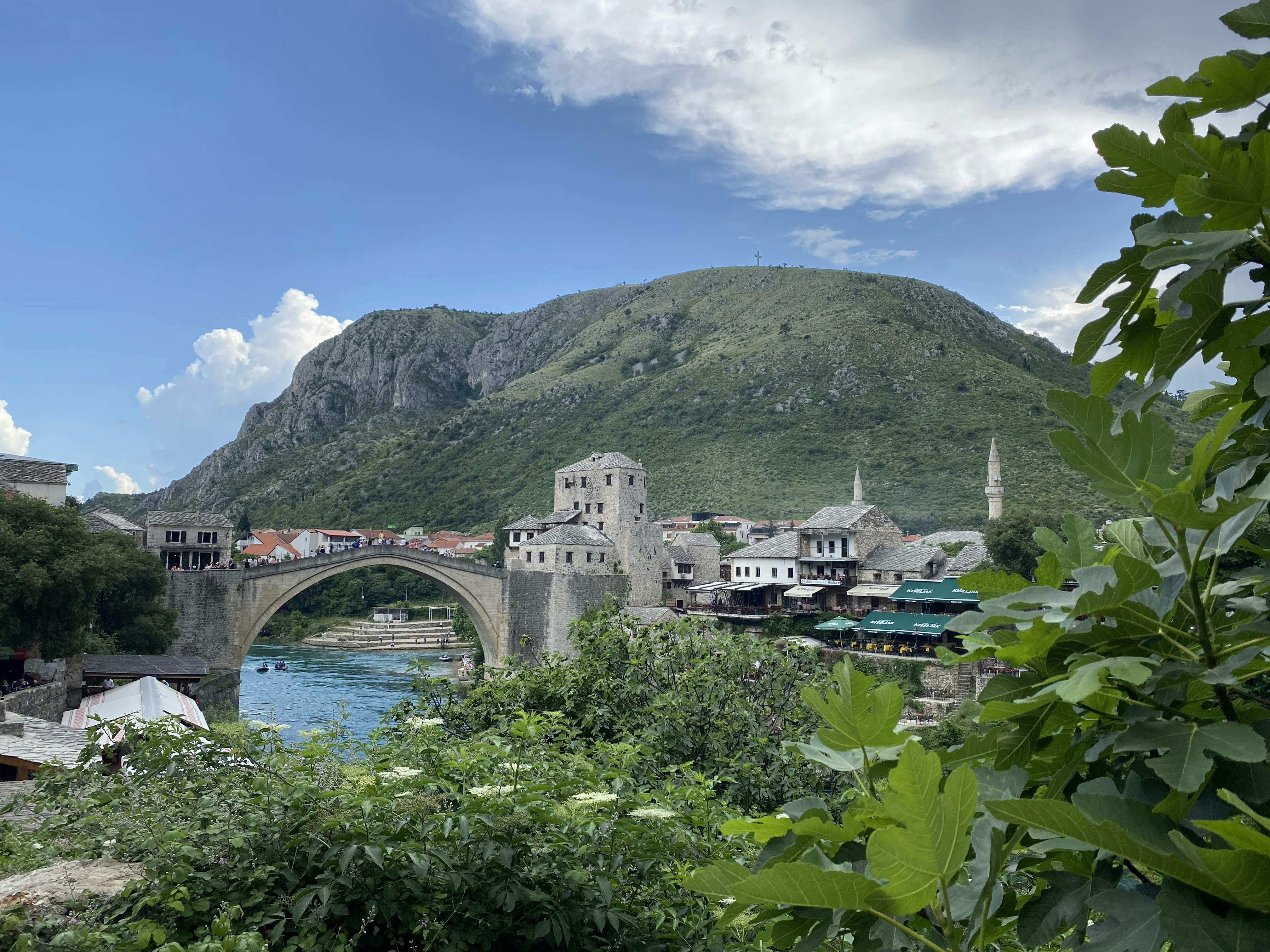
TL;DR: Bosnia and Herzegovina culture is warm, formal at first, and deeply respectful of faith and family
Bosnia and Herzegovina culture is best described as hospitable, socially aware, and a little more formal than many first-time visitors expect. The most important Bosnia and Herzegovina etiquette rule is simple: be polite, dress modestly in religious and older neighborhoods, and follow the lead of locals when greeting, eating, and taking photos.
Bosnia and Herzegovina etiquette: greetings, small talk, and everyday manners
A good first impression in Bosnia and Herzegovina starts with a handshake, eye contact, and a polite greeting. In cities like Sarajevo, Mostar, and Banja Luka, people often use formal titles and surnames at first, then switch to first names once a relationship feels warmer. If you are invited into someone’s home, remove your shoes if your host does, and expect hospitality to be offered generously.
Useful phrases go a long way in Bosnia and Herzegovina customs. Try “Dobar dan” for good day, “Hvala” for thank you, and “Molim” for please or you’re welcome. “Izvolite” is especially handy when offering or receiving something. Even a short attempt at the local language is usually appreciated, especially outside major tourist zones.
A practical tip: keep greetings unhurried. Rushing straight to business or asking personal questions too early can feel abrupt. When in doubt, follow the local pace, smile, and let the conversation warm up naturally.
Bosnia and Herzegovina dos and don'ts for visiting homes, cafes, and public spaces
The most useful Bosnia and Herzegovina dos and donts are about respect, restraint, and reading the room. Do greet people when entering small shops, cafés, or family-run guesthouses. Do wait to be seated in more formal restaurants, and do keep your voice moderate in public spaces. Don’t assume everyone shares the same background, and avoid making assumptions about religion, politics, or the recent past unless your host brings it up.
In everyday social settings, coffee matters. A Bosnian coffee invitation is often about conversation, not speed, so don’t treat it like a grab-and-go espresso. If you are offered food or drink, accepting at least a small portion is polite unless you have a clear reason to decline.
For practical planning, remember that tourist demand is usually highest in Sarajevo, Mostar, and the Old Bridge area in summer, so earlier reservations help. If you are navigating the city and sharing plans with friends, Hello’s trip tools and budget tracking can help keep group costs organized while you stay connected with a Hello eSIM.
Dress codes, religious sites, and photography rules in Bosnia and Herzegovina
Dress modestly in mosques, churches, and monasteries, and be prepared to cover shoulders and knees when entering religious sites. In Bosnia and Herzegovina customs around sacred places, conservative clothing shows respect and helps you avoid unnecessary friction. For women, a scarf can be useful in some mosque visits; for men, sleeveless tops and very short shorts are best avoided.
Photography is generally acceptable in many public areas, but don’t photograph people, prayer spaces, or military or sensitive buildings without permission. This is especially important in historic districts and near memorial sites, where a quick snapshot can feel intrusive. If you are unsure, ask first and keep your request brief.
A simple comparison can help:
| Situation | Good choice | Avoid |
|---|---|---|
| Mosque or church visit | Modest clothing, quiet behavior | Revealing outfits, loud conversation |
| Street photography | Ask before photographing people | Taking close portraits without consent |
| Restaurant or café | Relaxed but neat casual wear | Beachwear in town centers |
In practical travel terms, pack one modest outfit even in summer. Sarajevo can be hot in July and August, but that does not change expectations inside religious or memorial spaces.
Business etiquette, gift-giving customs, and local holidays that affect travel
Business etiquette in Bosnia and Herzegovina is usually courteous, direct, and relationship-oriented. Handshakes are standard, punctuality is expected for formal meetings, and business cards are exchanged without fuss. Meetings may begin with a short personal conversation before moving to the agenda, so don’t be surprised if the first few minutes feel more social than transactional.
Gift-giving is thoughtful but usually modest. If you are invited to someone’s home, a small box of sweets, flowers, or a souvenir from your home country is a safe choice. Avoid overly expensive gifts unless the relationship is close, because they can create awkwardness rather than gratitude. Alcohol may be appreciated in some households, but not all, so choose carefully if you do not know the family well.
Holiday timing matters. Ramadan, Bajram/Eid celebrations, Orthodox and Catholic holidays, and New Year periods can all affect opening hours, transport, and restaurant schedules depending on the city and community. Bosnia and Herzegovina is also one of the few places where different religious calendars can shape the rhythm of the same trip, so always check local schedules before you book day tours or intercity transport.
Common questions about Bosnia and Herzegovina customs and travel etiquette
Bosnia and Herzegovina culture is friendly and welcoming, but visitors do best when they are respectful, modest, and observant. Below are the questions travellers ask most often before they go.
Do I need to dress conservatively in Bosnia and Herzegovina? You do not need to dress formally everywhere, but modest clothing is the safest choice in religious sites, older neighborhoods, and family settings.
Is tipping expected in Bosnia and Herzegovina? Tipping is appreciated for good service, especially in restaurants, cafés, and with guides, though it is usually more modest than in some Western countries.
Can I use English easily? In tourist areas, yes, especially in Sarajevo and Mostar. In smaller towns, basic Bosnian phrases help a lot.
What is the biggest etiquette mistake travelers make? The most common mistake is moving too fast: rushing greetings, speaking loudly, or ignoring local customs around faith and privacy.
For connectivity, having a Hello eSIM before arrival can make it easier to check opening hours, maps, and transit updates on the move. If you want one place to manage internet access and trip finances, Hello’s eSIM plans and budget tools are built for that kind of travel day.
Explore These Destinations
Stay Connected
🇧🇦 eSIM Plans for Bosnia and Herzegovina
Make the most of Bosnia and Herzegovina
From eSIM connectivity to expense tracking, Hello is the all-in-one companion that keeps your trip stress-free.
Related Articles
Bosnia and Herzegovina Currency & Money Guide: Exchange, Cards, and Tips
Currency exchange, credit card acceptance, ATM tips, tipping culture, and money-saving advice for Bosnia and Herzegovina.
24 July 2026
Bosnia and Herzegovina Safety Guide: Tips for a Safe Trip
Safety tips, health advisories, emergency contacts, common scams, and travel insurance advice for Bosnia and Herzegovina.
16 July 2026
Bosnia and Herzegovina Visa & Entry Requirements for Singapore Passport Holders
Visa requirements, passport validity, customs allowances, and entry tips for Singapore citizens travelling to Bosnia and Herzegovina.
7 July 2026