Key Takeaways
- ✓Visit Oman between November and March for the most comfortable weather and best conditions for desert, mountain, and wadi activities.
- ✓Plan a daily budget of roughly US$60–90 (budget), US$120–200 (mid-range), or US$250+ (luxury) as of 2026, and use Hello for trip budgeting and expense splitting.
- ✓Use Hello eSIM for instant, reliable mobile data across Oman, following the setup steps in the dedicated eSIM guide.
- ✓Choose a 3, 5, or 10-day itinerary based on how much you want to see beyond Muscat; road trips unlock deserts, mountains, and coastal highlights.
- ✓Check visa and entry requirements early, using the Singapore-focused Oman visa guide as a structured checklist even if you hold a different passport.
- ✓Respect local culture with modest clothing, polite behaviour, and awareness of Islamic customs, guided by the Oman cultural and safety articles.
- ✓Combine the currency and budget guides to decide how much cash and card spending you’ll need, especially if visiting souqs and smaller towns.
- ✓Run a pre-departure checklist covering documents, connectivity, money, itinerary, and health/insurance to ensure a smooth and stress-free arrival in Oman.
Oman is one of the Middle East’s best-kept secrets: dramatic fjords in Musandam, golden desert dunes, frankincense-scented souqs, and turquoise wadis you can swim in all in one trip. This 2026 Oman travel guide brings everything together so you can plan with confidence—budget, visas, transport, food, eSIM connectivity, and ready-made itineraries.
Think of this as your hub for planning an Oman adventure, whether you’re backpacking, road-tripping, or flying in for a short escape from Japan, Thailand, or elsewhere. We’ll help you decide the best time to visit, what kind of daily budget to expect, how to move between cities, and how to stay connected with Hello eSIM.
You’ll find comparison tables for seasons and budgets, a before-you-go checklist, and links to deeper guides like Oman Travel Budget Guide: Daily Costs and Money Tips, Oman Visa & Entry Requirements for Singapore Passport Holders, and Getting Around Oman: Transport Guide for Travellers. By the end, you’ll know whether a 3, 5, or 10-day itinerary suits you, what to eat, how much cash to carry, and how to travel respectfully in Omani culture. Use this as your Oman trip planner and tap into the cluster guides whenever you’re ready to dive deeper.
Why Visit Oman in 2026
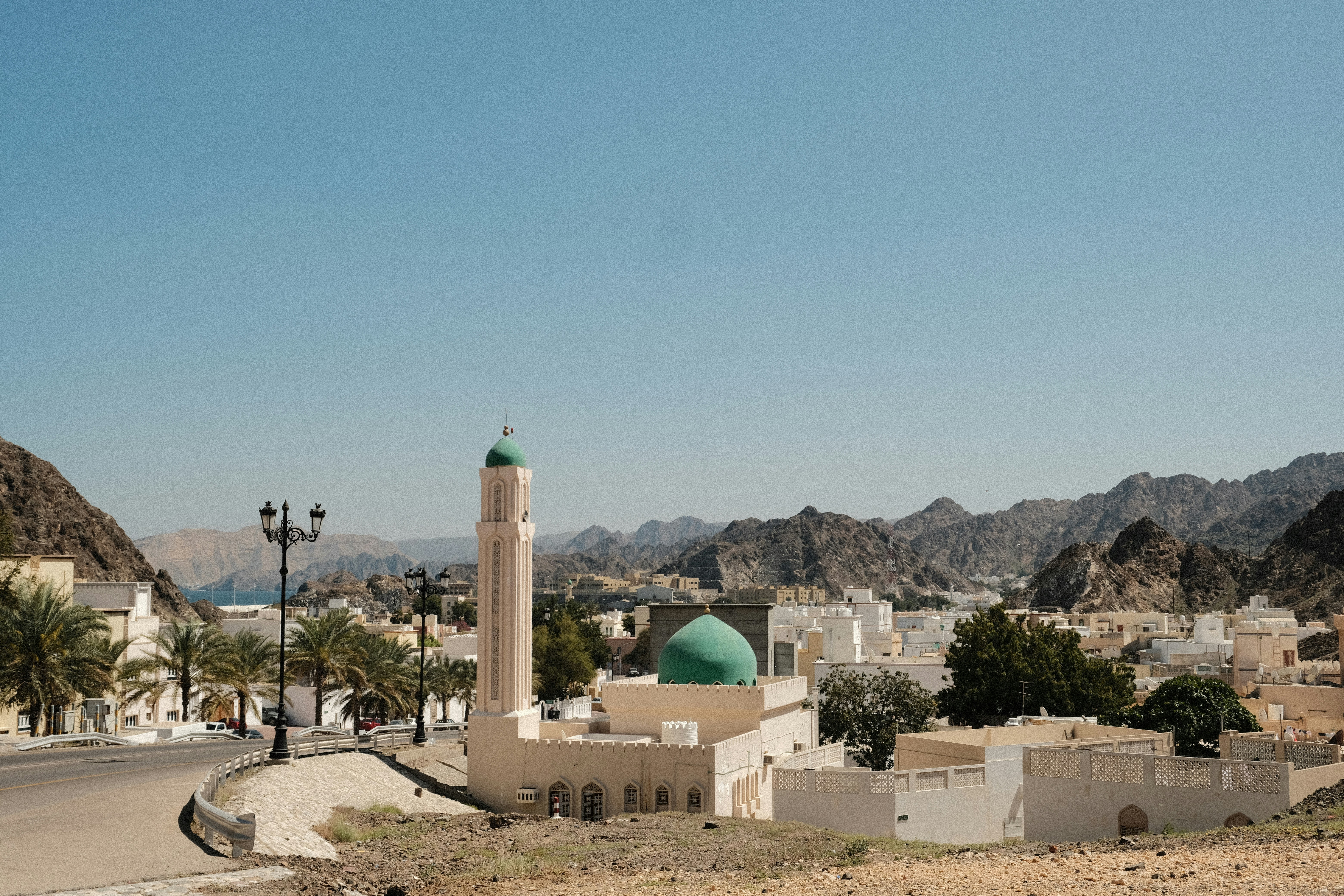
Oman in 2026 is ideal for travellers who want Middle Eastern landscapes and culture without the crowds: think dramatic mountains, pristine beaches, safe cities, and a welcoming, traditional society that still feels authentic.
Oman’s magic is its variety packed into a relatively small country. In one trip you can camp under the stars in Wahiba Sands, snorkel with turtles off the coast near Sur, hike the rim of Jebel Akhdar, and wander centuries-old forts like Nizwa—all without the intense urban buzz you find in nearby hubs.
Unlike some destinations that feel over-developed, Oman’s tourism growth has been deliberately slow and considered. As of 2026, infrastructure is solid (good roads, quality hotels, reliable mobile data via Hello eSIM), but it still feels like you’re discovering something special rather than following a rigid tourist trail.
Oman is also consistently ranked as one of the safer countries in the region, making it a strong choice for solo travellers, couples, and families. For an overview of safety, see the Oman Safety Guide: Tips for a Safe Trip, which covers health, emergency contacts, and insurance.
If you love the idea of a road trip through cinematic landscapes, sunrise over dunes, and evenings drinking karak tea in friendly local cafés, Oman delivers. And with flexible itineraries like 3 Days in Oman: A Day-by-Day Itinerary, Oman in 5 Days: The Perfect Extended Itinerary, and Oman in 10 Days: The Ultimate Travel Itinerary, you can tailor your trip length and style easily.
Use this guide as your base, then jump into the detailed cluster articles whenever you’re ready to lock in the specifics.
Best Time to Visit Oman
The best time to visit Oman is between November and March, when daytime temperatures are comfortable, skies are clear, and conditions are ideal for desert camping, wadis, and city sightseeing.
Oman has a desert and coastal climate, which means big seasonal differences. Summers (June–September) can be extremely hot, with interior temperatures often exceeding 40°C, while coastal areas like Muscat stay humid and sticky. Winter, by contrast, is pleasantly warm in most regions, with cooler nights in the mountains.
To help you quickly decide, here’s an at-a-glance seasonal comparison:
| Season (2026) | Temp range (Muscat) | Pros | Cons |
|---|---|---|---|
| Nov–Mar (High) | 20–30°C | Best overall weather; ideal for desert, wadis, and city walks | Higher prices; more visitors at popular spots |
| Apr–May (Shoulder) | 25–35°C | Cheaper rates; good for short trips and coastal stays | Hotter afternoons, limited comfort for long hikes |
| Jun–Sep (Low) | 30–40°C+ | Lowest prices; quiet attractions | Extreme heat inland; outdoor activities limited |
| Oct (Shoulder) | 25–35°C | Transition month; improving weather | Can still feel hot in the day |
If you’re planning one of the suggested itineraries, pair your dates carefully. For example, the mountain-heavy Oman in 10 Days: The Ultimate Travel Itinerary is best between November and March. Shorter breaks like 3 Days in Oman: A Day-by-Day Itinerary or Oman in 5 Days: The Perfect Extended Itinerary work well in shoulder months if you don’t mind some heat.
Keep in mind that Ramadan (dates vary each year) affects opening hours and dining options, though it’s a fascinating time culturally. For etiquette and how to behave respectfully if visiting during religious periods, see the Oman Cultural Guide: Etiquette, Customs, and Tips.
Oman Budget Overview: What It Costs in 2026
As of 2026, Oman is a mid-range destination: cheaper than many parts of Europe or Japan, more expensive than typical backpacking in Thailand, with excellent value if you plan smart and use local transport and food options.
The Oman Travel Budget Guide: Daily Costs and Money Tips breaks down detailed daily expenses, but here’s a high-level comparison to help you plan quickly:
| Traveller type (2026) | Approx. daily budget (per person) | Typical inclusions |
|---|---|---|
| Budget | US$60–90 | Guesthouse or simple hotel, local eateries, shared taxis/buses, free or low-cost sights |
| Mid-range | US$120–200 | Comfortable hotel, mix of local and nicer restaurants, car rental or private transfers, some guided tours |
| Luxury | US$250+ | High-end hotels/resorts, fine dining, private driver, premium experiences and excursions |
Oman uses the Omani Rial (OMR), a strong currency pegged around OMR 1 ≈ US$2.60–2.70 as of 2026. Your biggest cost drivers will be accommodation, car rental/fuel, and guided desert or mountain experiences.
For practical money logistics—ATMs, card acceptance, and how much cash to carry—see the Oman Currency & Money Guide: Exchange, Cards, and Tips. It covers tips like exchanging a small amount into rials before arrival, relying on ATMs in cities, and using cards in supermarkets and many hotels.
To keep on top of spending day by day, Hello’s trip-planning and budget-tracking features help you record expenses, split them with friends, and compare actual costs against your planned daily budget. Combine this with the specific breakdowns in the Oman Travel Budget Guide: Daily Costs and Money Tips to fine-tune your trip.
If you’re unsure where you sit on the scale, start with a mid-range budget and adjust up or down after reading the detailed budget guide.
Visa & Entry Requirements (with a Focus on Singapore Travellers)
As of 2026, Oman offers straightforward entry for many nationalities, but rules vary by passport. Singaporeans enjoy relatively simple procedures, while other travellers must check e-visa options and passport validity carefully.
The cornerstone resource here is the Oman Visa & Entry Requirements for Singapore Passport Holders, which goes into detail on visa categories, length of stay, and required documents for Singapore citizens. Even if you don’t hold a Singapore passport, you can use its structure as a checklist: visa type, passport validity (usually at least 6 months), onward tickets, and proof of accommodation.
Here’s a simple decision flow to guide your planning:
-
Check your nationality:
- If Singaporean, follow the exact steps in the Oman Visa & Entry Requirements for Singapore Passport Holders.
- If another nationality, confirm current requirements on your government’s travel advisory site and Oman’s official e-visa portal.
-
Confirm passport validity: Aim for 6+ months beyond your intended departure from Oman.
-
Prepare entry documents: Return/onward flight proof, accommodation confirmation, and basic itinerary notes can be requested at the border.
-
Know customs allowances: The visa-entry guide explains what you can bring in duty-free, plus rules on medications and items that may attract scrutiny.
To streamline things, store scans of your passport, visa, and key bookings securely in your phone and cloud. Combined with Hello’s trip planner, you’ll have your route, accommodation, and flight details handy during immigration.
For health and safety considerations that complement your entry prep (like insurance and emergency contacts), cross-check with the Oman Safety Guide: Tips for a Safe Trip.
Getting Around Oman: Transport Options Explained
Getting around Oman in 2026 is easiest with a mix of car rental, taxis, and occasional buses, depending on your budget and confidence with driving. Distances are moderate, and roads between major cities are generally excellent.
The Getting Around Oman: Transport Guide for Travellers breaks down airport transfers, public transport, and driving tips in detail. At a high level, you’ll likely combine:
- Car rental: The most flexible way to explore desert, wadis, and mountains. Good roads, clear signage, and fuel prices that are reasonable by global standards.
- Taxis and ride-hailing: Common in Muscat and major towns. Useful if you’re staying mostly in the city and doing day trips with operators.
- Intercity buses/minibuses: Budget-friendly, but routes and schedules can be limited compared to self-driving.
Here’s a quick comparison to help you choose:
| Mode | Best for | Pros | Cons |
|---|---|---|---|
| Car rental | 5–10 day itineraries, flexible road trips | Maximum freedom; reach remote spots; time-efficient | Higher cost; need confidence driving abroad |
| Taxi/ride-hailing | Short stays, city-focused trips | No driving stress; simple for airport–hotel | Can become expensive; less reach beyond cities |
| Bus/minibus | Budget travellers, city-to-city hops | Cheapest option; local experience | Limited routes; less convenient for sights en route |
For step-by-step advice on airport transfers and driving etiquette, read Getting Around Oman: Transport Guide for Travellers. Combine this with itinerary ideas from Oman in 5 Days: The Perfect Extended Itinerary and Oman in 10 Days: The Ultimate Travel Itinerary to map out your route.
Hello’s trip planner helps you record transport bookings, car rental details, and daily drive times, so everything from Muscat to Nizwa and the desert sits neatly in one place.
Food & Dining: What to Eat (and How Much It Costs)
Oman’s food scene is comforting, aromatic, and surprisingly affordable, with hearty rice dishes, grilled meats, and fragrant spices—plus Indian, Pakistani, and other regional influences throughout the cities.
For a deep dive into dishes, prices, and safety, see the Oman Food Guide: Must-Try Dishes, Prices, and Tips. At a glance, expect:
- Signature dishes: Shuwa (slow-roasted lamb), mandi or qabuli (rice with meat), harees, and fresh seafood on the coast.
- Street & casual food: Shawarma, falafel, paratha and karak tea, plus inexpensive South Asian meals.
- Restaurant pricing (2026):
- Local eateries: US$3–7 per main
- Mid-range restaurants: US$10–20 per person
- Hotel restaurants: US$20+ per person
Dining is also a window into Omani hospitality. Meals may stretch long, with plenty of tea and conversation, especially if you’re hosted by locals on a desert or mountain stay.
If you have dietary needs—vegetarian, vegan, halal, or avoiding allergens—the food guide explains practical strategies, including where English menus are common and what phrases help you communicate your needs.
Combine food planning with your budget by cross-referencing the Oman Travel Budget Guide: Daily Costs and Money Tips. Use Hello’s expense tracking to log meals and see how your daily spending compares to your planned budget over a 3, 5, or 10-day itinerary.
For cultural context around dining etiquette (for example, whether to eat with your right hand, expectations around sharing, and tipping norms), the Oman Cultural Guide: Etiquette, Customs, and Tips fills in those details.
Staying Connected: Hello eSIM for Oman
In 2026, the easiest way to stay online in Oman is Hello eSIM, which gives instant mobile data without hunting for local SIM shops or dealing with physical cards.
The dedicated eSIM for Oman: Best Plans, Coverage, and Setup Tips explains exactly how Hello eSIM works in Oman: plan options, coverage across cities and remote regions, and step-by-step activation. In practice, it’s as simple as:
- Purchase a Hello eSIM data plan for Oman (or the region) in the app.
- Install the eSIM profile before departure or on arrival.
- Activate data once you land and start using maps, messaging, and ride-hailing immediately.
Here’s why Hello eSIM is especially useful in Oman:
- Road trips: Reliable data for navigation between Muscat, Nizwa, Sur, and desert camps.
- Transport & logistics: Easy access to ride-hailing apps, bus schedules, and car rental contacts.
- Safety: Always-on connectivity to check weather, contact emergency services, or share your live location.
Combine Hello eSIM with offline map downloads and saving key pins (accommodation, viewpoints, petrol stations) before you hit the road. The eSIM guide also covers typical data usage patterns, so you can choose a plan that matches a short 3-day city break or a data-heavy 10-day road trip like the one in Oman in 10 Days: The Ultimate Travel Itinerary.
Since Hello is also a trip companion app, you can keep your itinerary, budget tracking, and expense splitting in the same place you manage connectivity.
Top Experiences & Suggested Itineraries
Oman’s top experiences span desert dunes, mountain villages, wadis, forts, and coastal drives—and you can mix and match them into 3, 5, or 10-day itineraries depending on your time.
For detailed day-by-day plans, use:
- 3 Days in Oman: A Day-by-Day Itinerary for a short Muscat-focused escape with a taste of desert or wadi.
- Oman in 5 Days: The Perfect Extended Itinerary for a balanced trip covering Muscat, Nizwa, desert, and coastal highlights.
- Oman in 10 Days: The Ultimate Travel Itinerary for a full road trip through mountains, multiple wadis, and off-the-beaten-path stops.
At a high level, must-do experiences include:
- Muscat & surrounds: Sultan Qaboos Grand Mosque, Mutrah Corniche and Souq, Royal Opera House.
- Nizwa & interior: Nizwa Fort and souq, nearby castles, traditional market days.
- Desert: Overnight camp in Wahiba Sands, dune bashing, stargazing.
- Wadis & coast: Wadi Shab and Wadi Bani Khalid for swimming and hiking; the coastal road to Sur.
Use this simple decision framework:
- Short on time (3 days): Focus on Muscat + one major side trip (desert or wadi) → follow or adapt the 3-day itinerary.
- Moderate time (5 days): Add Nizwa and a night in the desert → use the 5-day itinerary.
- Plenty of time (10 days): Do a full loop including mountains and multiple wadis → follow the 10-day plan.
Hello’s trip planner makes it easy to clone these itineraries, adjust days, and slot in your own hotel and activity bookings while keeping transport and budget in view.
Culture, Etiquette & Staying Safe
Oman is friendly, conservative, and safe, with a strong emphasis on respect, hospitality, and Islamic traditions. Understanding a few cultural norms will make your trip smoother and more rewarding.
The Oman Cultural Guide: Etiquette, Customs, and Tips is your go-to for do’s and don’ts: how to greet people, dress appropriately, behave in mosques, and use simple Arabic phrases. Expect modest dress norms, particularly outside resorts and touristy areas, and always ask before photographing people.
For safety specifics, the Oman Safety Guide: Tips for a Safe Trip covers health advisories, common scams (few, but worth knowing), emergency contacts, and insurance advice. As of 2026, violent crime against tourists is very rare, and the main risks are environmental: heat, dehydration, long drives, and off-road desert or mountain activities.
Think of safety in three layers:
- Urban & everyday: Normal precautions with belongings; respect local laws and customs.
- Road trips: Avoid driving when tired, watch out for animals on roads, and plan fuel stops.
- Outdoor activities: Use reputable guides for desert/mountain excursions, carry plenty of water, and check conditions.
Hello supports this with always-on connectivity via Hello eSIM and trip documentation stored in one place, making it easier to contact help or share your plans with someone back home.
For money-related safety—like ATM use, carrying cash, and card security—review the Oman Currency & Money Guide: Exchange, Cards, and Tips alongside the safety guide.
Money, Currency & Paying for Things
Oman uses the Omani Rial (OMR), and as of 2026, you’ll find a good mix of card-friendly businesses and cash-only spots, especially once you leave major cities.
The Oman Currency & Money Guide: Exchange, Cards, and Tips explains how to handle rials day to day: where to exchange money, how widely cards are accepted, ATM fees, and tipping norms. As a quick overview:
- Currency: OMR 1 is roughly US$2.60–2.70 in 2026.
- Cards: Widely accepted in hotels, supermarkets, larger restaurants, and malls.
- Cash: Useful for small eateries, souqs, rural shops, and tips.
Pair this with the Oman Travel Budget Guide: Daily Costs and Money Tips to understand how much you should withdraw or exchange for a given itinerary length. For example, a 5-day mid-range trip may involve a mix of card payments for hotels and car rental, plus cash for meals and smaller purchases in souqs.
Hello’s expense tracking and bill-splitting are especially handy if you’re travelling with friends. You can log shared costs (car rental, desert camps, big meals), assign who paid, and keep a running balance so settling up at the end is simple.
To reduce fees and hassle:
- Use ATMs in major banks or malls.
- Avoid changing large amounts at airports unless necessary.
- Keep a small emergency cash stash separate from your main wallet.
For tipping culture in restaurants and tours, the currency guide provides context so you can be fair and respectful without overpaying.
Before You Go: Essential Checklist for Oman
Before you fly to Oman in 2026, run through this essential checklist: visa requirements, health and safety prep, connectivity, money, and core bookings for your chosen itinerary length.
Use the Oman Visa & Entry Requirements for Singapore Passport Holders as a template for entry prep, even if you’re not Singaporean: confirm visa type, passport validity, and any required documents. Then, cross-reference with the Oman Safety Guide: Tips for a Safe Trip for insurance and health basics.
Here’s a practical before-you-go list:
- Documents: Passport (6+ months validity), visa confirmation if required, travel insurance, flight and hotel bookings.
- Itinerary: Choose between 3 Days in Oman, Oman in 5 Days, or Oman in 10 Days and adapt in Hello’s trip planner.
- Connectivity: Purchase and install Hello eSIM following eSIM for Oman: Best Plans, Coverage, and Setup Tips.
- Money: Read the Oman Currency & Money Guide: Exchange, Cards, and Tips, notify your bank, and plan initial cash/ATM strategy.
- Culture & clothing: Check the Oman Cultural Guide: Etiquette, Customs, and Tips and pack modest, breathable outfits.
Decision tip: if you’re still unsure how long to go, start with the 5-day itinerary—it offers a balanced first taste—then use Hello to extend or compress your plans depending on flight options and budget.
Doing this prep a week or two before departure makes arrival much more relaxed: you’ll have data as soon as you land, know what to expect at immigration, and have your first few days fully mapped out.
Oman Visa & Entry Requirements for Singapore Passport Holders
Safety & HealthOman Safety Guide: Tips for a Safe Trip
Itineraries3 Days in Oman: A Day-by-Day Itinerary
ItinerariesOman in 5 Days: The Perfect Extended Itinerary
ItinerariesOman in 10 Days: The Ultimate Travel Itinerary
eSIM & ConnectivityeSIM for Oman: Best Plans, Coverage, and Setup Tips
Currency & MoneyOman Currency & Money Guide: Exchange, Cards, and Tips
Cultural GuideOman Cultural Guide: Etiquette, Customs, and Tips
Frequently Asked Questions
Is Oman safe to visit in 2026 for solo travellers and families?
Yes. As of 2026, Oman is considered one of the safer countries in the region for both solo travellers and families, with low crime rates and a strong culture of hospitality. The main risks are environmental—heat, long drives, and outdoor activities—rather than personal safety. For detailed advice on health, emergency contacts, and insurance, see the Oman Safety Guide: Tips for a Safe Trip.
How many days do I need in Oman for a first-time visit?
For a first trip, 5 days is a sweet spot: enough time to experience Muscat, Nizwa, a night in the desert, and at least one wadi. If you’re short on time, follow 3 Days in Oman: A Day-by-Day Itinerary for a focused taste. If you want a deeper road trip with mountains and multiple coastal stops, use Oman in 10 Days: The Ultimate Travel Itinerary.
What is the best way to stay connected to mobile data in Oman?
The easiest way in 2026 is Hello eSIM, which offers instant data without physical SIM cards. You buy a plan in the Hello app, install the eSIM, and activate data on arrival. The eSIM for Oman: Best Plans, Coverage, and Setup Tips guide explains coverage, recommended plans for different trip lengths, and troubleshooting, so you can rely on maps, messaging, and ride-hailing throughout your stay.
How expensive is Oman compared to other destinations?
Oman is mid-range: typically more expensive than backpacking hotspots like Thailand, but often cheaper than trips to Japan or Western Europe. As of 2026, budget travellers might spend about US$60–90 per day, mid-range travellers US$120–200, and luxury travellers US$250+ per day. For detailed breakdowns and money-saving tips, read the Oman Travel Budget Guide: Daily Costs and Money Tips and Oman Currency & Money Guide: Exchange, Cards, and Tips.
Do I need to rent a car in Oman, or can I rely on public transport?
You don’t have to rent a car, but it significantly expands what you can see. Public transport and taxis cover cities and some intercity routes, which is fine for a short Muscat-focused stay. For desert, mountain, and multiple wadi stops—especially on 5 or 10-day itineraries—a car makes logistics much easier. The Getting Around Oman: Transport Guide for Travellers compares driving, taxis, and buses so you can decide based on your budget and comfort level.
What should I wear in Oman and are there strict dress codes?
Oman is conservative but relaxed if you show basic respect. In cities, modest, breathable clothing that covers shoulders and knees is recommended, especially in souqs and local neighbourhoods. In mosques and rural areas, stricter coverage applies, and women may need scarves. Resorts and private spaces are more flexible. For detailed guidance on dress codes and etiquette in different settings, see the Oman Cultural Guide: Etiquette, Customs, and Tips.
What are the must-try local foods in Oman?
Don’t miss shuwa (slow-roasted lamb), rice dishes like mandi and qabuli, fresh seafood along the coast, and everyday favourites such as shawarma, paratha, and karak tea. Prices are generally reasonable, with local meals often under US$10. For a full list of must-try dishes, typical restaurant costs, and dietary tips, check the Oman Food Guide: Must-Try Dishes, Prices, and Tips.
eSIM Plans for Oman
Detailed Articles
Dive deeper into specific topics covered in this guide.
Oman Safety Guide: Tips for a Safe Trip
Safety tips, health advisories, emergency contacts, common scams, and travel insurance advice for Oman.
20 July 2026
3 Days in Oman: A Day-by-Day Itinerary
A detailed 3-day itinerary for Oman with daily activities, costs, neighborhoods, and transport tips.
14 June 2026
Oman in 5 Days: The Perfect Extended Itinerary
A detailed 5-day itinerary for Oman with daily activities, costs, neighborhoods, and transport tips for an extended stay.
8 May 2026
Oman in 10 Days: The Ultimate Travel Itinerary
A comprehensive 10-day itinerary for Oman covering top attractions, hidden gems, daily costs, and transport between cities.
22 June 2026
Oman Cultural Guide: Etiquette, Customs, and Tips
Essential do's and don'ts, greeting customs, dress codes, local phrases, and cultural tips for Oman.
5 June 2026
Oman Travel Budget Guide: Daily Costs and Money Tips
How much does it cost to travel in Oman? Daily budget breakdowns for budget, mid-range, and luxury travellers.
27 February 2026
Oman Currency & Money Guide: Exchange, Cards, and Tips
Currency exchange, credit card acceptance, ATM tips, tipping culture, and money-saving advice for Oman.
27 March 2026
Oman Visa & Entry Requirements for Singapore Passport Holders
Visa requirements, passport validity, customs allowances, and entry tips for Singapore citizens travelling to Oman.
11 July 2026
More Travel Guides
Destination Guide
Complete Bosnia and Herzegovina Travel Guide 2026
Everything you need to know about travelling to Bosnia and Herzegovina — budget, visa, food, transport, eSIM connectivity, and itineraries.
Destination Guide
Complete Bahamas Travel Guide 2026
Everything you need to know about travelling to Bahamas — budget, visa, food, transport, eSIM connectivity, and itineraries.
Destination Guide
Complete Bahrain Travel Guide 2026
Everything you need to know about travelling to Bahrain — budget, visa, food, transport, eSIM connectivity, and itineraries.
Destination Guide
Complete Sint Eustatius Travel Guide 2026
Everything you need to know about travelling to Sint Eustatius — budget, visa, food, transport, eSIM connectivity, and itineraries.