Oman Cultural Guide: Etiquette, Customs, and Tips
Essential do's and don'ts, greeting customs, dress codes, local phrases, and cultural tips for Oman.
By Hello Travel Team
This article contains affiliate links. If you book through them, Hello may earn a commission at no additional cost to you. Our editorial recommendations are independent. Learn more.
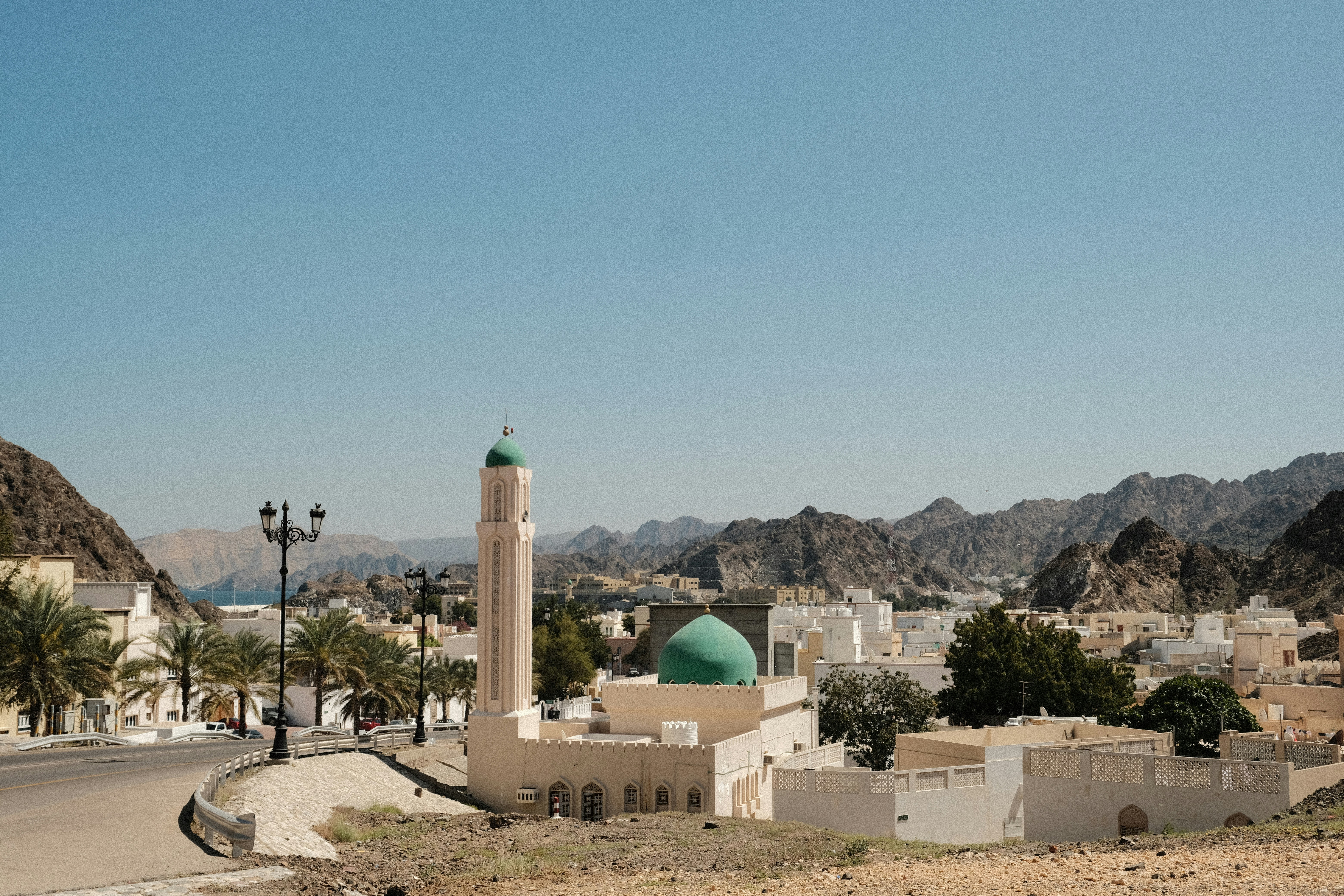
TL;DR: Essential Oman Culture, Etiquette, and Dos and Don’ts
Oman is welcoming and conservative, so dressing modestly, greeting politely, and respecting Islamic customs are the key pillars of good etiquette for visitors. A few Arabic phrases, awareness of local holidays, and sensitivity around photography will make your trip smoother and more enjoyable.
Oman is known for its hospitality, but visitors are expected to be respectful in return, especially in how they dress, speak, and behave in public. Alcohol is limited, public displays of affection are frowned upon, and Friday is the main weekly prayer day, so things move more slowly.
To navigate daily life, remember simple rules: cover shoulders and knees, ask before taking photos of people, use your right hand for eating and giving, and avoid loud or aggressive behavior. In mosques and religious sites, standards are stricter, and women may be asked to cover hair.
Basic planning also helps. According to Oman’s National Centre for Statistics, the country welcomed over 3.5 million visitors in 2023, with arrivals increasing year-on-year as tourism grows, so booking popular activities and desert tours in advance is wise. In Muscat, everyday costs are mid-range: expect coffee at 1.5–3 OMR and local restaurant meals at 3–6 OMR in 2026.
Staying connected and on top of your costs is helpful in a country with long driving distances and limited public transport. An eSIM from Hello lets you arrive online, use maps, and keep WhatsApp working from day one, while Hello’s expense tracking keeps group budgets transparent throughout your Oman trip.
Core Oman Etiquette, Dos and Don’ts for Everyday Interactions
The most important etiquette rule in Oman is to be polite, modest, and patient, avoiding confrontational behavior, public affection, and anything that may offend Islamic values. Think quiet respect, calm conversations, and a genuine appreciation for Omani traditions in every interaction.
In everyday life, dress and demeanor matter. Public anger, shouting at staff, or aggressive bargaining is considered very rude. You can negotiate a little at souqs like Mutrah Souq in Muscat, but keep it friendly and never push for rock-bottom prices as you might in other Gulf markets.
Key Oman dos and don’ts:
- Do use your right hand for eating, giving, and receiving items.
- Do greet shopkeepers and taxi drivers with a salam before asking questions.
- Do remove shoes when entering a private home if others do.
- Don’t criticize religion, politics, or the Sultan.
- Don’t show public affection (kissing, hugging) outside private spaces.
- Don’t eat or drink in public during daylight hours in Ramadan.
Alcohol is available in some hotels and licensed venues but drinking in public places, being visibly drunk, or carrying alcohol outside permitted areas can lead to serious trouble. Oman’s Royal Oman Police have reported regular fines for drunk driving and disorderly conduct, so treat alcohol with extra caution.
Finally, Omanis value hospitality. If offered coffee (qahwa) and dates, accept at least one as a sign of respect, and take time to chat; that small interaction is often the most memorable part of visiting Oman.
Greetings, Local Phrases, and Everyday Communication in Oman
Omanis appreciate visitors who greet in Arabic, so starting conversations with a simple “As-salaam alaikum” and a smile is one of the easiest ways to show cultural respect and build rapport quickly. You do not need perfect Arabic, just a few sincere words.
Oman’s official language is Arabic, but English is widely spoken in cities, hotels, and tourist-facing services. According to Oman’s Ministry of Education, English is compulsory in schools from grade one, which explains why many younger Omanis can switch easily between both languages. Still, using basic Arabic signals respect.
Useful phrases:
- As-salaam alaikum – Peace be upon you (hello)
- Wa alaikum as-salaam – And peace be upon you (response)
- Shukran – Thank you
- Afwan – You’re welcome / excuse me
- Min fadlak / min fadlik – Please (to a man / woman)
- Kam al-saa’a? – What time is it?
- Kam al-sirr? – How much is it?
Men usually greet other men with a handshake and sometimes a light touch on the shoulder if they know each other well. Women may greet with a handshake or verbal greeting, but wait for the other person to offer their hand—never initiate physical contact by default, especially across genders.
When you’re navigating directions or arranging taxis, having mobile data makes quick translation much easier. Hello’s eSIM plans let you use real-time translation apps, maps, and messaging without hunting for a local SIM counter at the airport, keeping all your trip details in one place.
Dress Codes in Oman: What to Wear in Cities, Souqs, and Mosques
The safest dress code in Oman is modest clothing that covers shoulders, chest, and knees, with stricter standards in mosques and rural areas where conservative Islamic norms are more visible. Light, loose fabrics are ideal for the climate and show cultural sensitivity.
In Muscat and coastal cities, you’ll see a mix of traditional dishdasha and abaya alongside Western clothing, but shorts, sleeveless tops, and tight outfits can still feel out of place. For men, light trousers or long shorts that cover the knee plus a short- or long-sleeve shirt work well. For women, midi-to-maxi skirts or loose trousers, and tops that cover the shoulders and avoid low necklines are best.
Religious sites such as the Sultan Qaboos Grand Mosque in Muscat have clear rules: women must cover arms, legs, and hair; men must wear long trousers and tops with sleeves. Visitors without appropriate clothing can be turned away or asked to rent or purchase coverings onsite. The mosque’s visitor guidelines emphasize respectful, non-transparent fabrics and closed shoes.
Beach resorts are more relaxed, and standard swimwear is fine within the private resort area, though walking through lobbies or public streets in swimwear is not acceptable. In desert camps, evening temperatures drop, so pack a warmer layer that still covers up.
Here’s a quick comparison of Oman dress expectations by setting:
| Location / Activity | Men’s Dress Code | Women’s Dress Code |
|---|---|---|
| City streets & malls | Shoulders covered, knees covered | Shoulders, chest, knees covered |
| Mosques & religious sites | Long trousers, sleeves, no shorts | Long sleeves, long skirts/trousers, scarf |
| Beach resorts (pool/beach area) | Swim shorts acceptable | Standard swimsuits acceptable |
| Local villages & rural areas | Long trousers, conservative shirts | Loose, modest clothing; hair partially covered if possible |
| Business meetings | Smart-casual to formal (shirt, trousers) | Smart-casual to formal (blouse, trousers/skirt) |
Plan outfits with respect first and comfort second; it’s far easier to adjust by removing a layer than wishing you had packed more modest options.
Photography Rules, Religious Sensitivity, and Public Behavior in Oman
In Oman, it is essential to ask permission before photographing people, avoid sensitive sites like military or government buildings, and follow mosque-specific rules that restrict photography in prayer areas and during worship. Respectful photography keeps you out of trouble and earns local goodwill.
Oman’s laws prohibit photographing military installations, some government buildings, and critical infrastructure such as ports, power stations, and border posts. Being seen with a camera or drone near these sites can lead to questioning or confiscation of equipment. Always look for signage and err on the side of caution.
For people photography, especially women and children, explicit permission is non-negotiable. In markets like Nizwa Souq or Sur’s fishing harbor, many will happily agree if you ask politely and show them the photo. If someone declines, thank them and move on.
Mosques vary. At Sultan Qaboos Grand Mosque, photography is generally allowed in the courtyard and main halls outside prayer times, but tripods, drones, and commercial shoots require prior permission. During prayers, cameras and phones should be silent, and visitors should avoid taking photos of worshippers.
Public behavior also shapes how your photography is perceived. Oman is quiet and conservative: loud music, disruptive drone flights, or intrusive lenses pointed into private homes are disrespectful. According to regional tourism authorities, complaints from residents most often relate to noise and lack of privacy rather than tourists simply taking scenic photos.
If you’re unsure, use the simple rule: ask, then shoot. A quick “photo, ok?” and a gesture goes a long way to keeping your cultural footprint light.
Business Etiquette, Gift-Giving Customs, and Planning Around Omani Holidays
Oman business culture combines formality with personal warmth, so punctuality, modest dress, and relationship-building over coffee are just as important as contracts and presentations. Gift-giving is thoughtful but understated, and key Islamic holidays can reshape schedules and availability.
Business meetings typically start with informal conversation before any agenda. Titles and surnames are used until you’re invited to be more casual. Arrive on time, but be prepared for meetings to start a little late; flexibility is part of the rhythm. Exchanging business cards with your right hand is customary.
For gifts, avoid alcohol, pork products, or anything containing offensive imagery. Good options include books about your country, quality chocolates, or small handicrafts. Present and receive gifts with your right hand, and don’t be surprised if your gift is set aside rather than opened in front of you—this can be a sign of politeness, not disinterest.
Holidays to note when planning travel:
- Ramadan (dates shift annually): restaurants may close or reduce daytime service, and working hours shorten.
- Eid al-Fitr and Eid al-Adha: family-focused holidays; expect busy domestic travel and some closures.
- National Day (18 November): major celebrations, parades, and traffic disruptions in cities.
According to Oman’s Ministry of Heritage and Tourism, hotel occupancy in Muscat and key coastal areas spikes around National Day and Eid periods, with some properties reporting near-full occupancy, so booking early is wise.
Managing schedules, shared costs, and shifting plans is easier if everything lives in one app. Hello’s trip planning, budget tracking, and expense splitting tools help friends keep track of hotel bills, rental cars, and desert tours—even if one person pays in OMR and another in USD—thanks to automatic multi-currency conversion.
Common Questions About Oman Culture, Etiquette, and Local Customs
Most first-time visitors to Oman ask whether it’s safe, how conservative daily life really is, and what basic etiquette rules they need to follow to avoid offense—and the answers are reassuring: Oman is safe, welcoming, and easy to navigate if you respect Islamic culture and dress modestly.
Q: Is Oman safe for tourists, including solo travelers? A: Yes. Oman consistently ranks among the safest countries in the region, with low crime rates and strong social cohesion. Government statistics and international safety indexes highlight low violent crime and high levels of public trust in authorities, making it comfortable for solo and family travel.
Q: How strict is Oman compared to other Gulf countries? A: Oman is conservative but generally less flashy and strict than some neighbors, focusing on quiet respect rather than rigid rules. You won’t see the nightlife of Dubai, but you also won’t feel heavily policed if you’re behaving respectfully.
Q: Can I wear shorts and T‑shirts? A: In tourist contexts, long shorts and T‑shirts are often fine for men, but always cover shoulders and knees in public spaces. Women are better off with loose trousers or long skirts and tops that cover shoulders and don’t cling.
Q: Do I need Arabic to get around? A: No, but a few phrases help. English is widely spoken in hotels, malls, and tourist sites, and taxi apps and map services work well if you have data.
Q: How do I stay connected and manage trip costs? A: Using Hello eSIM for Oman lets you arrive with mobile data ready, and the Hello app’s budget tracking and expense splitting features help you keep OMR and foreign currency spending under control throughout your journey.
Explore These Destinations
Stay Connected
Book this trip
Compare options on trusted travel sites
Plan activities for this trip
Continue to a reviewed booking partner to check schedules, inclusions, and terms.

Make the most of Oman
From eSIM connectivity to expense tracking, Hello is the all-in-one companion that keeps your trip stress-free.
Related Articles
Oman Safety Guide: Tips for a Safe Trip
Safety tips, health advisories, emergency contacts, common scams, and travel insurance advice for Oman.
20 July 2026
Oman Visa & Entry Requirements for Singapore Passport Holders
Visa requirements, passport validity, customs allowances, and entry tips for Singapore citizens travelling to Oman.
11 July 2026
eSIM for Oman: Best Plans, Coverage, and Setup Tips
Everything you need to know about using eSIM in Oman. Best data plans, network coverage, and setup instructions.
2 July 2026