Oman Safety Guide: Tips for a Safe Trip
Safety tips, health advisories, emergency contacts, common scams, and travel insurance advice for Oman.
By Hello Travel Team
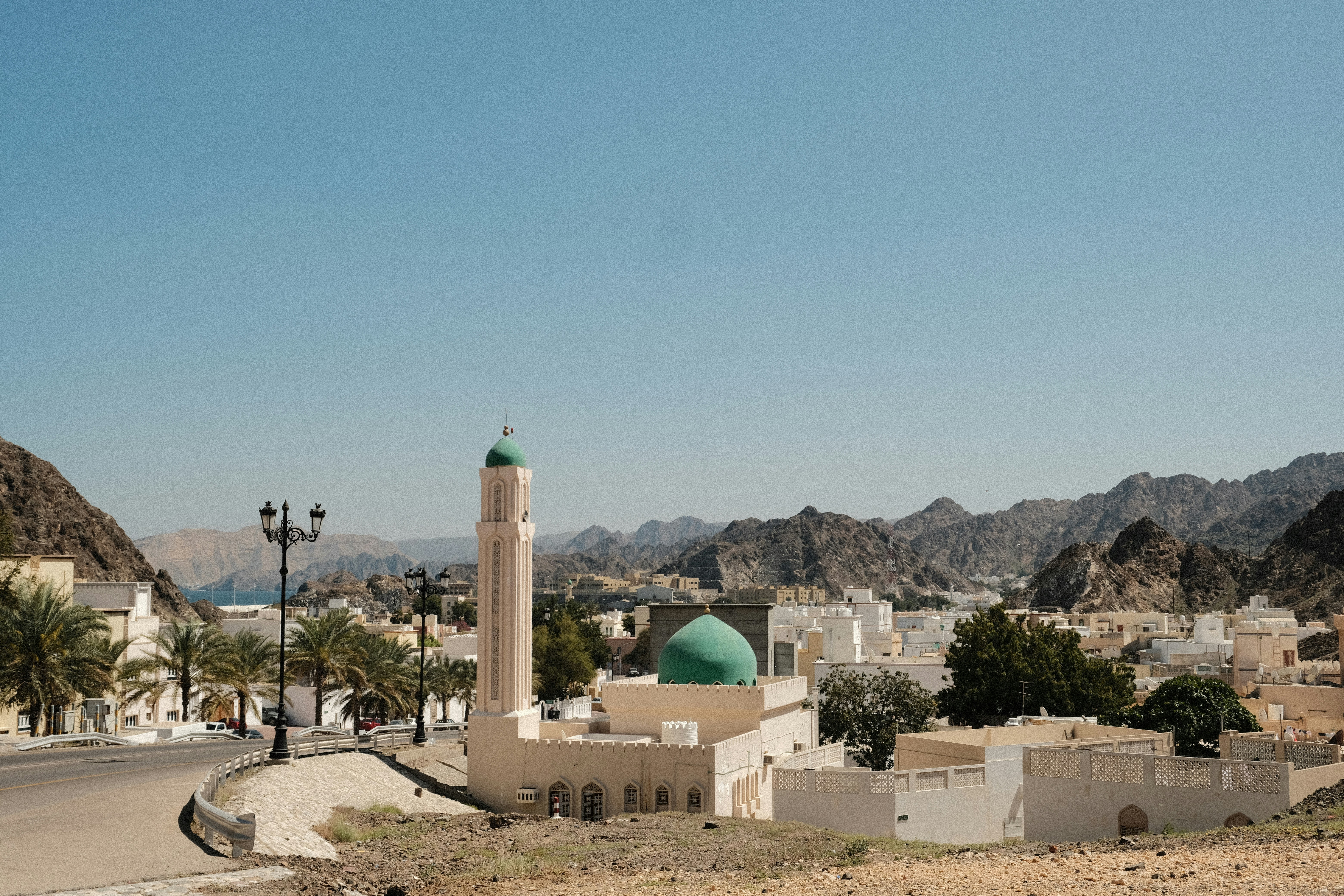
Oman Safety Guide: Is Oman Safe for Travellers?
TL;DR: Oman is generally a safe, welcoming destination with low street-crime levels, but travellers should take normal precautions, drive carefully, respect local customs, and avoid restricted border areas. Keep emergency number 9999 saved, purchase comprehensive travel insurance, check current government advisories before departure, and prepare for heat, flash floods, and remote-road conditions. Oman’s Ministry of Foreign Affairs describes the country as one of the safest and most relaxing places to visit, while current international advisories still recommend vigilance because regional tensions can change quickly. Most visitors enjoy trouble-free trips in Muscat, Nizwa, Salalah, and the Wahiba Sands. The main everyday risks are road accidents, dehydration, heat exposure, strong currents, and getting stranded in remote desert or mountain areas. Avoid travelling near the Yemen border and follow instructions from local authorities. For Singapore citizens, the Embassy of Singapore in Muscat can provide consular assistance at +968 2460 7760; Singapore’s Ministry of Foreign Affairs also lists its 24-hour duty office at +65 6379 8800 or +65 6379 8855. This Oman travel safety guide covers scams, health, solo travel, emergency contacts, insurance, and practical ways to stay connected.
Oman Travel Safety: Crime, Local Customs, and Common Scams
Oman travel safety is strongest when visitors combine ordinary crime precautions with respect for conservative local customs and careful dealings with informal operators. Violent crime against tourists is uncommon, but keep passports, phones, wallets, and cameras in a closed bag or hotel safe, especially in busy souqs, shopping centres, airports, and beach car parks. Avoid walking alone through unfamiliar areas late at night, and do not photograph military sites, police buildings, ports, airports, or people without permission. Dress modestly outside resorts: shoulders and knees covered is a useful standard, and women should carry a light scarf for mosques. Public displays of affection should be discreet, and alcohol is limited to licensed venues. During Ramadan, avoid eating, drinking, or smoking openly during daylight hours.
Common Oman scams are usually low-level rather than aggressive. Be cautious of unofficial taxi drivers quoting inflated fares, fake tour offers, counterfeit booking messages, and strangers requesting urgent cash or claiming that a payment failed. Confirm excursions with licensed hotels or established operators, agree taxi fares before departure, inspect rental-car damage, and use official payment terminals. Never hand over your passport as security for an informal transaction. If a seller becomes pushy, leave calmly. Report theft or serious deception to the Royal Oman Police by calling 9999.
Oman Emergency Numbers and What to Do in an Emergency
For police, ambulance, fire, or any immediate emergency in Oman, call 9999 and clearly state your location, nearest landmark, and the type of help required. Oman uses 9999 as its main emergency number, including police assistance, ambulance requests, and fire emergencies. Save the number before driving into the desert, mountains, or rural wadis, where mobile coverage may be limited. Share your itinerary with someone at home, carry water, and avoid entering remote valleys after rain because flash floods can develop quickly even when skies overhead look clear.
| Situation | Action in Oman | Practical tip |
|---|---|---|
| Police or crime | Call 9999 | Ask your hotel to help with translation and a written report |
| Ambulance or serious illness | Call 9999 | Give the nearest road, hotel, petrol station, or GPS location |
| Fire | Call 9999 | Leave the building first; do not use lifts |
| Lost passport | Contact police and the Singapore Embassy | Keep a scan and photocopy separately |
| Consular assistance | Singapore Embassy, Muscat: +968 2460 7760 | Address: No. 2980/1, Way 2840, Hay Al Sarooj |
Singapore citizens can contact the Ministry of Foreign Affairs Duty Office at +65 6379 8800 or +65 6379 8855 when urgent consular support is needed. Emergency services may need precise directions, so download offline maps and record your accommodation address in English and Arabic.
Oman Health Advisories, Vaccinations, Water, and Desert Heat
The most important Oman health precautions are preventing heat illness, dehydration, road injuries, and stomach infections; most travellers do not need special vaccines beyond routine protection. Visit a doctor or travel clinic several weeks before departure to review routine vaccinations such as measles, tetanus, diphtheria, pertussis, polio, and seasonal influenza. Depending on your itinerary and previous destinations, a clinician may discuss hepatitis A, hepatitis B, typhoid, or rabies. Entry requirements can change, so check official Omani and health-authority guidance before flying.
Tap water in Muscat and other developed areas is generally treated, but bottled water is the easiest choice for visitors with sensitive stomachs. Choose sealed bottles, avoid ice when hygiene is uncertain, and wash hands before eating. A 1.5-litre bottle commonly costs roughly OMR 0.15–0.30 in supermarkets in 2026, while a restaurant bottle may cost OMR 0.50–1.00. Drink regularly rather than waiting until thirsty, use sunscreen, and schedule outdoor activities for early morning or late afternoon. Temperatures can exceed 40°C in summer, while mountain nights may be surprisingly cool.
Use caution at wadis, beaches, and coastal cliffs. Never swim after heavy rain, obey warning signs, and do not assume calm-looking water is safe. Travel insurance should cover emergency treatment, medical evacuation, rental-car excess, desert excursions, and water activities.
Driving, Solo Female Travel, and LGBTQ+ Safety in Oman
Oman is manageable for solo and female travellers, but the safest approach is conservative dress, confident boundaries, cautious driving, and avoiding isolated places after dark. Muscat is generally easy to navigate, while long-distance travel requires more planning. Major highways are good, but speeding, sudden lane changes, livestock, poor lighting, and fatigue create real risks. Rent a suitable vehicle for mountain roads and desert tracks, check whether your policy covers off-road driving, and never enter sand dunes or remote wadis without enough fuel, water, navigation, and a recovery plan. A 4WD with an experienced guide is safer for Wahiba Sands and rugged mountain routes.
Women can usually travel independently, use reputable taxis or hotel-arranged transport, and stay in well-reviewed accommodation. Keep a charged phone, share live location on long journeys, and trust your instincts if someone behaves inappropriately. At beaches, wadis, and villages, wear a cover-up away from designated swimming areas. Oman is socially conservative, and same-sex sexual activity is illegal; LGBTQ+ travellers should exercise discretion, avoid public displays of affection, and understand that legal and social protections are limited. Do not assume resort privacy eliminates local laws. Avoid political demonstrations and large gatherings, monitor official alerts, and follow police instructions. Travellers should also check their government’s latest advisory before visiting, particularly for border regions and during periods of heightened regional tension.
Travel Insurance and Staying Connected Safely in Oman
Comprehensive travel insurance is worth buying for Oman because a small premium can protect against expensive medical care, evacuation, cancellations, and rental-car problems. Choose a policy that covers the full trip length and lists desert driving, hiking, canyoning, scuba diving, and other planned activities. Check exclusions carefully: many policies do not cover driving on unsealed roads, travelling against government advice, riding a motorbike without the required licence, or leaving valuables unattended. Keep the insurer’s emergency number, policy certificate, passport copy, and medical details offline as well as in cloud storage.
Connectivity is especially useful when navigating mountain roads, contacting a hotel, sharing a location, checking weather alerts, or calling 9999. Hello’s eSIM plans cover 200+ countries, offer instant activation, and start from 5GB, with live pricing available through the Hello app. Buy and activate an eSIM from Hello for Oman before departure so maps, translation, ride-hailing, and emergency communication work as soon as you arrive. Coverage can still be patchy in remote desert and mountain areas, so download offline maps and tell someone your route.
The Hello app also supports multi-currency budget tracking, AI receipt scanning, voice expense entry, bank-statement imports, and expense splitting with automatic exchange-rate conversion. That is useful when one traveller pays for a 4WD, fuel, accommodation, or a group dinner in Omani rials and everyone needs an accurate share.
Common Questions About Oman Safety
Most travellers can visit Oman safely by using normal precautions, respecting local laws, and preparing for driving, heat, weather, and regional-security changes.
Is Oman safe for solo travellers? Generally yes, especially in Muscat and established tourist areas. Use reputable accommodation and transport, avoid isolated areas at night, and share plans for desert or mountain trips.
What are the Oman emergency numbers? Call 9999 for police, ambulance, fire, and urgent assistance. Give your exact location and a nearby landmark.
Are there many Oman scams? Tourist scams are not usually widespread, but inflated taxi fares, unofficial tours, fake payment messages, and questionable rental-car claims can occur. Confirm prices and bookings in writing.
Can I drink tap water in Oman? Treated tap water is available in many urban areas, but bottled water is a practical option for visitors with sensitive stomachs. Stay hydrated, especially during outdoor activities.
Is Oman safe for LGBTQ+ travellers? Legal protections are limited and same-sex sexual activity is illegal. Exercise discretion, avoid public displays of affection, and review current official advice before travelling.
Do I need travel insurance for Oman? Comprehensive cover is strongly recommended, including medical evacuation, rental-car excess, adventure activities, cancellations, and repatriation. Save your insurer’s assistance number offline.
Where is the Singapore Embassy in Oman? The Embassy of Singapore is in Muscat at No. 2980/1, Way 2840, Hay Al Sarooj, telephone +968 2460 7760.
Explore These Destinations
Stay Connected
Ready for Oman?
eSIM data, expense splitting, budget tracking, and more. Everything you need for a smooth trip in one app.
Related Articles
Oman Visa & Entry Requirements for Singapore Passport Holders
Visa requirements, passport validity, customs allowances, and entry tips for Singapore citizens travelling to Oman.
11 July 2026
eSIM for Oman: Best Plans, Coverage, and Setup Tips
Everything you need to know about using eSIM in Oman. Best data plans, network coverage, and setup instructions.
2 July 2026
Oman in 10 Days: The Ultimate Travel Itinerary
A comprehensive 10-day itinerary for Oman covering top attractions, hidden gems, daily costs, and transport between cities.
22 June 2026