Key Takeaways
- ✓Niger is best for travellers who want culture, space, and a more adventurous travel experience.
- ✓The cool, dry season is usually the easiest and most comfortable time to visit.
- ✓Transport planning matters more than in many destinations, so build in buffers and pre-arrange key transfers.
- ✓Budget for comfort in transport first, because logistics often affect the trip more than hotel upgrades.
- ✓Hello eSIM is the simplest way to arrive with data already working.
- ✓Food, cultural etiquette, and safety basics are all part of a successful Niger trip.
- ✓A realistic itinerary is better than an overpacked one in a country where distances and timing can shape the whole journey.
Niger is one of West Africa’s most rewarding and least understood destinations: a place of vast desert horizons, ancient caravan routes, river landscapes, Sahelian culture, and some of the most distinctive travel experiences in the region. This 2026 pillar guide brings everything together in one place so you can plan a Niger trip with confidence, from understanding the best season to visit and estimating daily budgets to sorting visas, transport, food, connectivity, and practical safety considerations. Whether you are building a short city-focused trip or a longer overland journey, the goal here is to give you the big-picture framework while pointing you to deeper cluster guides when you need step-by-step detail.
You will find comparison tables for weather, budget, and transport trade-offs, plus clear decision-making advice for different travel styles. We also cover how Hello eSIM fits into trip planning, so you can stay connected without wasting time hunting for local SIM options after arrival. Because Niger is a destination where logistics matter, this guide emphasizes preparation: entry rules, money handling, getting around, health and safety basics, and cultural etiquette that helps you travel respectfully.
Use this page as your starting point, then dive into the linked cluster articles for itineraries, transport, food, safety, and budget planning. If you want a practical, realistic Niger travel guide for 2026, this is the hub to bookmark.
Why Visit Niger in 2026
Niger rewards travellers who want something far beyond the usual tourist circuit: open desert scenery, deep cultural traditions, major Sahel crossroads, and a pace of travel that feels genuinely adventurous. In 2026, the country is best approached as a destination for prepared travellers who value authenticity, flexibility, and strong planning. The experience is not about ticking off endless attractions; it is about the atmosphere, the landscapes, and the chance to travel through a part of West Africa that remains little visited.
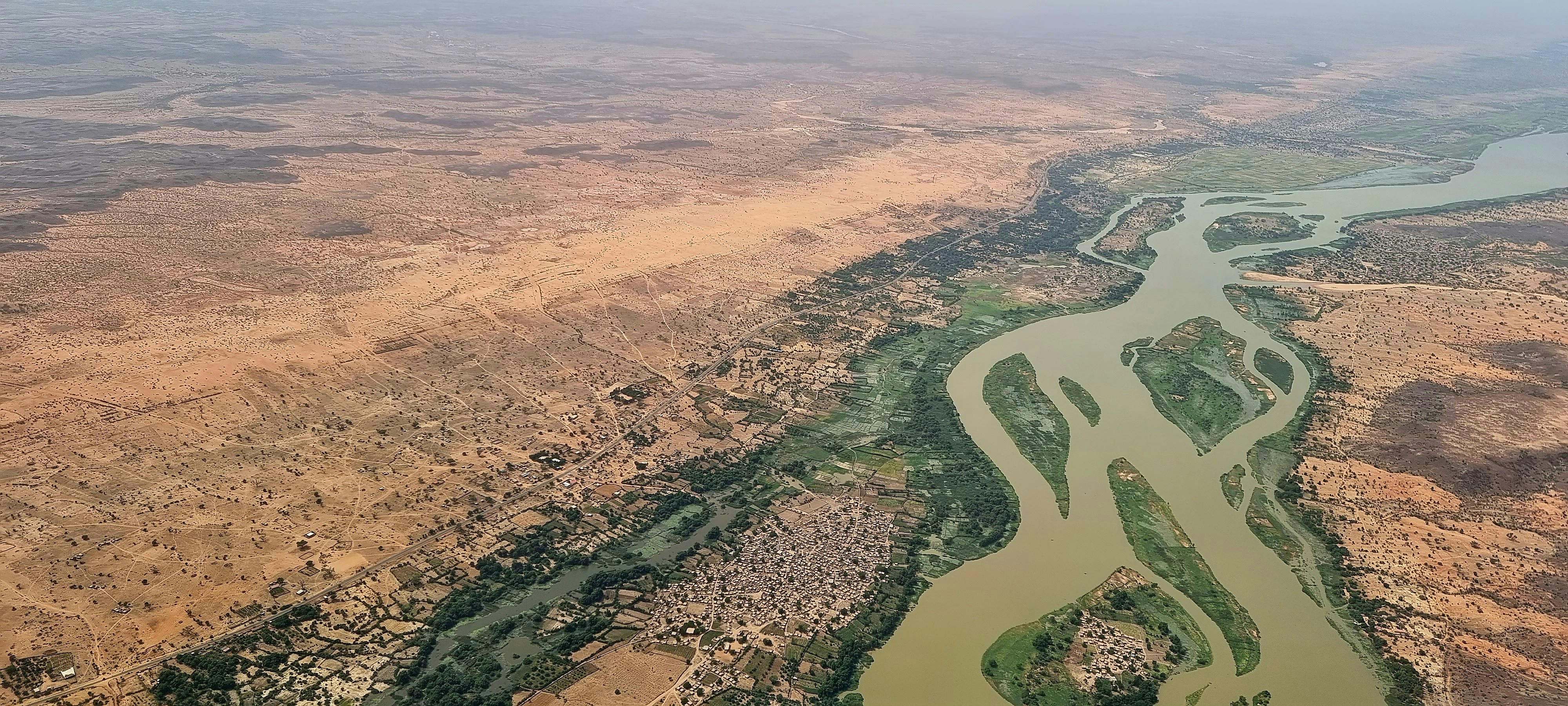
What makes Niger especially compelling is its variety. You can experience urban energy in Niamey, river scenery near the Niger River, and desert environments further north, depending on your route and permissions. Travellers also come for markets, music, artisan traditions, and the feeling of crossing a country where hospitality matters deeply. If you are used to highly packaged destinations, Niger can feel more raw and more rewarding at the same time.
For the best experience, think of Niger as a destination where a good trip is built on three things: timing, logistics, and local awareness. That means choosing the right season, budgeting realistically, and planning transport carefully instead of improvising on the ground. The detailed Niger Travel Budget Guide and Niger Cultural Guide are the best next reads if you want to understand how the destination works in practice.
At a glance, Niger suits travellers who enjoy cultural immersion, overland travel, photography, and off-the-beaten-path destinations. It is less suitable for people looking for easy resort travel or spontaneous weekend-style tourism. That contrast is exactly why planning matters so much here. The more prepared you are, the more memorable the trip becomes.
Best Time to Visit Niger
The best time to visit Niger is generally the cool, dry season, when heat and humidity are lower and movement is easier. For most travellers, that means planning around the period from late autumn through early spring, especially if your itinerary includes long drives, outdoor sightseeing, or desert-facing experiences. The hottest months can be extremely demanding, and the rainy season can disrupt road conditions in some areas.
Here is a practical seasonal overview for 2026 planning:
| Season | Typical conditions | Travel impact | Best for |
|---|---|---|---|
| Cool dry season | Lower temperatures, clear skies, minimal rain | Easiest overall travel | Sightseeing, road travel, photography |
| Hot dry season | Very high daytime heat, dry air | Fatiguing, especially outdoors | Short city stays, very flexible travellers |
| Rainy season | Heavier showers, greener landscapes in some areas | Some roads and schedules can be affected | Budget-conscious travellers, fewer crowds |
If you are deciding between different trip styles, the rule of thumb is simple: choose the cool dry season if you want the smoothest possible experience; choose the rainy season only if your plans are flexible and you are comfortable adjusting transport and timing as needed. For longer itineraries, this matters even more because the country’s distances can make weather delays more noticeable.
Weather affects everything from comfort to packing strategy, so it is worth pairing this section with the detailed Niger in 5 Days: The Perfect Extended Itinerary and Niger in 10 Days: The Ultimate Travel Itinerary articles. Those guides help you match the season to a realistic route. If you are especially sensitive to heat, build in slower days and avoid overstuffing your itinerary with long road transfers.
In short, Niger is a destination where timing is part of the travel experience. Visit at the right season and the country feels more accessible, more comfortable, and far more enjoyable.
Budget Overview: How Much to Plan for Niger
A realistic Niger budget depends on how much road travel you do, how comfortable you want your accommodation to be, and whether you rely on guided transport or more self-managed arrangements. As of 2026, Niger is not a destination where budget planning should be vague. Costs can rise quickly if you need private transport, last-minute logistics, or extra support for remote travel.
Use this simple planning framework:
| Traveller style | Approx. daily range | What it usually covers |
|---|---|---|
| Budget | Lower-cost guesthouses, simple meals, local transport where possible | Basic room, modest food, limited extras |
| Mid-range | Comfortable hotels, more reliable transfers, mixed dining | Better rooms, some private transport, guided activities |
| Higher-comfort | Top-end hotels, private drivers, flexible timing | Premium stays, more convenience, less stress |
The biggest cost drivers are usually accommodation quality, transport, and whether you need local support for routing and scheduling. Food can remain relatively manageable if you eat simply, but moving around the country is where budgets can stretch the most. That is why the Getting Around Niger: Transport Guide for Travellers and Niger Currency & Money Guide: Exchange, Cards, and Tips are especially useful before you book anything.
One unique planning insight for Niger is that a “cheap” trip can become expensive if you are unprepared. Delays, poor connectivity, and uncertainty around payments can all create avoidable extra costs. Using a clear spending plan, carrying the right cash mix, and pre-booking the most important transfers usually saves money in the end.
If you want a more detailed breakdown of daily costs, exchange considerations, and saving strategies, go straight to the budget cluster guide. It is the best place to turn abstract trip planning into numbers you can actually use.
For most travellers, the smartest approach is to budget for comfort in transport rather than overspending on hotel upgrades. In Niger, transport reliability often has a bigger effect on trip quality than a slightly nicer room.
Visa, Entry, and Arrival Basics
Visa and entry planning should be handled early for Niger, because rules, document requirements, and processing steps matter more than they do in many easier destinations. Your exact requirements depend on passport nationality, trip purpose, and the entry point you use, so it is wise to verify details well before departure. The most useful next step is the dedicated Niger Visa & Entry Requirements for Singapore Passport Holders, which gives a practical model for how to think about documentation, validity, and customs questions.
As a general trip-planning principle, make sure your passport has sufficient validity, that you understand whether you need a visa in advance, and that you carry supporting documents for your stay and onward travel. Travellers should also be ready for entry checks that may ask about accommodation, route plans, and proof of funds. Those details are not unusual, but they can slow you down if you have not prepared.
Here is a simple pre-entry decision tree:
If you know your visa category and documents are complete, finalize transport and accommodation. If your requirements are unclear, confirm them before booking non-refundable flights or hotels. If you plan to cross borders overland, leave extra time for document checks and route changes.
Arrival planning matters too. It is best to have your first-night accommodation confirmed, local cash arranged, and connectivity ready before you land. That reduces friction at the airport and gives you flexibility if transport timing changes.
For travellers building a broader Niger itinerary, visa planning should be linked to your route, not treated as a separate task. If your trip includes multiple cities or a longer overland movement, make sure your entry timing matches your transport availability and weather window.
Because entry rules can change, treat visa preparation as an essential part of trip design rather than a last-minute admin task. The smoother this step is, the easier the rest of the journey becomes.
Getting Around Niger
Getting around Niger is one of the most important parts of trip planning because the country’s size, distances, and infrastructure can strongly shape your experience. In practice, transport choices are less about convenience alone and more about reliability, safety, and time management. If you understand your options in advance, you will avoid a lot of stress on the ground.
The main transport decision is usually between public transport, private transfers, and more flexible hire arrangements. Public options can work for certain routes, but they may require patience and adaptability. Private transport costs more, yet it often gives you control over departure times and comfort. That trade-off is especially important if you are trying to cover multiple destinations in a limited number of days.
| Transport option | Best for | Pros | Cons |
|---|---|---|---|
| Public transport | Very flexible, cost-sensitive travellers | Lower cost, local feel | Less predictable schedules |
| Private driver/transfer | Comfort, efficiency, short itineraries | Reliable timing, easier logistics | Higher cost |
| Self-arranged road travel | Experienced travellers | Maximum flexibility | Requires confidence and preparation |
For airport arrivals, first confirm your accommodation transfer plan. For inter-city travel, build in buffer time because road conditions, weather, and local timing can all affect the day. If you are visiting on a tighter schedule, a more structured approach is usually better than trying to improvise transport after arrival. That is one reason the Getting Around Niger: Transport Guide for Travellers is such an important companion article.
A useful rule for Niger is this: the shorter your trip, the more valuable private or pre-arranged transport becomes. On longer trips, you may have more room to absorb delays and use a mix of transport methods.
If you are also planning city stops, pair your transport choices with lodging locations that reduce unnecessary cross-town transfers. In Niger, good logistics often matter more than squeezing in one extra stop.
Food and Dining in Niger
Niger’s food scene is one of the best ways to understand everyday life in the country. Meals are often straightforward, filling, and closely tied to regional ingredients and West African culinary traditions. Travellers who enjoy local dining will find that food is not just fuel here; it is part of the cultural experience.
A smart approach is to mix simple local meals with a few more comfortable restaurant stops, especially if you are travelling over several days. That keeps costs manageable and gives you a better feel for the country’s cuisine. For practical dish ideas, price expectations, and safety considerations, the best next read is Niger Food Guide: Must-Try Dishes, Prices, and Tips.
Here are a few broad dining tips for 2026 planning: choose busy places with good turnover, carry hand hygiene supplies, and pay attention to how food is handled and stored. If you have dietary restrictions, plan ahead where possible, because options can be more limited outside major urban areas. Water and food safety are worth taking seriously, particularly on longer itineraries where illness can disrupt the whole trip.
From a budgeting point of view, food can be one of the more controllable parts of your spend. You can keep costs lower with simple local meals, or raise them with more comfortable restaurants and hotel dining. The key is consistency: eat in ways that support your overall itinerary instead of making spontaneous choices that slow you down.
The cultural side matters too. In Niger, sharing food can be part of hospitality, and meal timing may be more relaxed than what some travellers are used to. Going with that rhythm rather than fighting it often makes the experience more enjoyable.
If food is a major part of why you travel, Niger is worth exploring slowly. The most memorable meals are often the simplest ones, taken in the right setting and at an unhurried pace.
Top Experiences and Sample Trip Styles
The best experiences in Niger depend on how much time you have and how adventurous you want to be. Some travellers come for a short city-focused trip; others want a longer journey that combines cultural stops, landscapes, and more ambitious road travel. The country works best when your itinerary matches your energy level, season, and transport confidence.
If you only have a few days, focus on one base and build a compact route. If you have a week or more, you can create a richer mix of city, culture, and scenery. The cluster itinerary articles are ideal for specific day-by-day planning: 3 Days in Niger: A Day-by-Day Itinerary, Niger in 5 Days: The Perfect Extended Itinerary, and Niger in 10 Days: The Ultimate Travel Itinerary.
A useful decision framework is:
If you want a first look at Niger, choose a short, low-logistics itinerary. If you want a fuller travel experience, choose five days or more. If you want the best overall value for time and effort, plan at least one longer overland segment so the journey feels varied.
Top experiences often include city life, local markets, food experiences, cultural encounters, and landscapes that reward slow observation rather than rush. Photography travellers will appreciate how much the light, open space, and everyday scenes contribute to the experience. Travellers interested in culture should prioritize respectful interaction and time spent learning rather than just passing through.
The big advantage of using a pillar guide like this one is that it helps you combine those experiences intelligently. Instead of thinking in isolated attractions, think in travel arcs: arrive, settle, explore one core area deeply, then add one or two carefully chosen extensions.
For most travellers, the best Niger trip is not the longest one; it is the one with the clearest logic. Match your route to your budget, the season, and your transport plan, and the destination becomes much more approachable.
Hello eSIM Connectivity in Niger
Reliable connectivity can make a Niger trip much easier, especially if you are navigating transport, messaging accommodations, or checking route updates while on the move. For 2026, the most convenient option for many travellers is Hello eSIM, which lets you activate data before arrival and avoid wasting time looking for a local SIM on day one. That is especially useful in a destination where logistics already deserve your attention.
The best connectivity strategy is to set up your Hello eSIM before departure, confirm your device compatibility, and keep your activation steps simple. This gives you mobile data as soon as you land or when you first need it, depending on your setup. For a detailed walkthrough of plans, coverage, and installation, read eSIM for Niger: Best Plans, Coverage, and Setup Tips.
Here is a practical comparison framework for trip planning:
| Connectivity option | Best for | Strengths | Trade-offs |
|---|---|---|---|
| Hello eSIM | Most travellers wanting instant setup | Pre-trip activation, convenience, easy backup | Requires eSIM-compatible device |
| Local physical SIM | Longer stays or travellers who prefer local purchase | May suit extended use | Extra airport or shop time |
| Offline-only travel | Very light users | No mobile data costs | Harder for navigation and coordination |
For most visitors, the key benefit of Hello eSIM is confidence. You land with a working data plan, which makes it easier to coordinate pickups, confirm lodging, share trip updates, and handle unexpected changes. If your itinerary includes multiple cities or transport shifts, that reliability becomes even more valuable.
Connectivity should be seen as part of safety and planning, not just convenience. Being able to check information, contact hosts, and manage trip details reduces friction throughout the journey. If you are already using Hello for expense tracking and trip planning, the integration can simplify your whole travel workflow.
In a destination like Niger, the best connectivity is the one you do not have to think about. That is the core value of preparing your Hello eSIM before you go.
Practical Tips, Safety, and Cultural Etiquette
Practical preparation is what turns Niger from a challenging idea into a manageable trip. The most important habits are to plan conservatively, keep your documents and cash organized, dress and behave respectfully, and leave room for schedule changes. Those fundamentals matter more here than in many mainstream destinations.
Safety and health are worth treating seriously, especially for first-time visitors. Before you go, review the Niger Safety Guide: Tips for a Safe Trip so you understand the local risk picture, emergency preparation, common scams, and insurance considerations. Pair that with the Niger Cultural Guide: Etiquette, Customs, and Tips so your interactions are respectful and culturally aware.
A few practical rules help most travellers:
Arrive with key bookings and first-night details already confirmed. Carry multiple ways to access your money, not just one card or one wallet. Dress modestly and observe local social cues, especially outside very tourist-oriented settings. Build buffer time into every transfer. Keep copies of important documents.
If you are travelling with companions, use Hello’s trip planning and expense-splitting features to reduce friction around shared costs and logistics. That is especially useful on trips where transport, meals, and incidentals may need frequent coordination.
Cultural awareness is not an optional extra in Niger; it is part of travelling well. Politeness, patience, and a willingness to follow local pacing all go a long way. Travellers who slow down and observe tend to get more out of the destination than those who try to rush through it.
Think of this section as your real-world operating manual. The more prepared you are with money, connectivity, health planning, and etiquette, the easier it becomes to focus on why you came in the first place: the experience of being there.
Before You Go Checklist
Before you travel to Niger in 2026, use this checklist to make sure the essentials are covered. The destination is much easier when the basics are handled before departure rather than on arrival.
Checklist:
Passport valid for your intended travel period, with extra validity checked in advance. Visa or entry permission confirmed for your nationality and trip purpose. First-night accommodation booked. Transport plan for arrival and inter-city movement. Enough cash arranged in the right format for local spending. Hello eSIM installed and tested on a compatible device. Travel insurance reviewed, including medical and disruption coverage. Clothing packed for heat, dust, and modest dress expectations. Copies of key documents saved digitally and physically. Emergency contacts and accommodation details stored offline. Food, water, and health precautions reviewed. A realistic itinerary with buffer time, not an overpacked schedule.
A good way to use this checklist is to split it into three phases. First, confirm entry documents and transport. Second, set up money and connectivity. Third, review health, safety, and packing. That order prevents the most common last-minute mistakes.
If you are travelling for the first time, the most helpful companion reads are the visa, budget, transport, and safety cluster articles. Together, they turn a broad destination into a workable plan. If you are already comfortable with West African travel, the checklist still matters because Niger’s logistics reward organization more than spontaneity.
The basic idea is simple: arrive prepared so you can spend your time exploring rather than troubleshooting. In Niger, that preparation is part of the trip, not separate from it.
Frequently Asked Questions
Is Niger a good destination for first-time travellers to West Africa?
Yes, if you are comfortable planning ahead and want a destination that feels genuinely off the beaten path. Niger is best for travellers who value culture, landscapes, and logistics planning more than easy tourism.
What is the best length of trip for Niger?
Three to five days works for a compact introduction, while ten days or more is better if you want to combine several regions or move at a more relaxed pace.
When should I visit Niger for the most comfortable weather?
The cool, dry season is usually the most comfortable for travel in 2026, especially if you will spend time outdoors or on the road.
Do I need to arrange transport in advance?
Yes, in most cases it is smarter to pre-arrange important transfers, especially airport pickup and any inter-city travel, because timing and reliability matter a lot.
Can I rely on cards in Niger?
Not fully. Cash planning is important, and you should also review money-handling tips before you go so you are prepared for limited card acceptance in some situations.
Is Hello eSIM useful in Niger?
Yes. Hello eSIM is a convenient way to get mobile data ready before arrival, which helps with navigation, coordination, and day-to-day trip management.
What should I prioritize most before travelling to Niger?
Start with entry requirements, then transport, money, connectivity, and safety planning. Those four areas have the biggest effect on how smooth your trip feels.
eSIM Plans for Niger
Detailed Articles
Dive deeper into specific topics covered in this guide.
Niger Travel Budget Guide: Daily Costs and Money Tips
How much does it cost to travel in Niger? Daily budget breakdowns for budget, mid-range, and luxury travellers.
27 February 2026
Niger Cultural Guide: Etiquette, Customs, and Tips
Essential do's and don'ts, greeting customs, dress codes, local phrases, and cultural tips for Niger.
5 June 2026
Niger in 5 Days: The Perfect Extended Itinerary
A detailed 5-day itinerary for Niger with daily activities, costs, neighborhoods, and transport tips for an extended stay.
8 May 2026
Niger in 10 Days: The Ultimate Travel Itinerary
A comprehensive 10-day itinerary for Niger covering top attractions, hidden gems, daily costs, and transport between cities.
22 June 2026
Niger Currency & Money Guide: Exchange, Cards, and Tips
Currency exchange, credit card acceptance, ATM tips, tipping culture, and money-saving advice for Niger.
27 March 2026
Getting Around Niger: Transport Guide for Travellers
Airport transfers, public transport, ride-hailing apps, inter-city travel, and driving tips for Niger.
27 May 2026
Niger Visa & Entry Requirements for Singapore Passport Holders
Visa requirements, passport validity, customs allowances, and entry tips for Singapore citizens travelling to Niger.
11 July 2026
3 Days in Niger: A Day-by-Day Itinerary
A detailed 3-day itinerary for Niger with daily activities, costs, neighborhoods, and transport tips.
14 June 2026
More Travel Guides
Destination Guide
Complete Bosnia and Herzegovina Travel Guide 2026
Everything you need to know about travelling to Bosnia and Herzegovina — budget, visa, food, transport, eSIM connectivity, and itineraries.
Destination Guide
Complete Bahamas Travel Guide 2026
Everything you need to know about travelling to Bahamas — budget, visa, food, transport, eSIM connectivity, and itineraries.
Destination Guide
Complete Bahrain Travel Guide 2026
Everything you need to know about travelling to Bahrain — budget, visa, food, transport, eSIM connectivity, and itineraries.
Destination Guide
Complete Sint Eustatius Travel Guide 2026
Everything you need to know about travelling to Sint Eustatius — budget, visa, food, transport, eSIM connectivity, and itineraries.