Key Takeaways
- ✓Nicaragua offers a high‑value mix of colonial cities, volcanoes, and beaches, with lower costs than many popular destinations.
- ✓The dry season from December to April is ideal, but shoulder months can provide good value and fewer crowds.
- ✓Use the budget, currency, and food guides alongside Hello’s tracking tools to keep your daily spending on target.
- ✓Check visa and entry rules for your nationality in advance, using the Singapore‑focused guide as a template for what to verify.
- ✓Hello eSIM provides instant, hassle‑free connectivity in Nicaragua, making navigation and coordination much easier.
- ✓Combine transport tips and curated itineraries to choose a realistic route that matches your available time and travel style.
- ✓Read the safety and cultural guides before you go to understand local etiquette, common risks, and how to respond in emergencies.
- ✓Complete the “Before You Go” checklist—documents, money, health, and digital setup—to ensure a smooth start to your Nicaragua trip.
Nicaragua is one of Central America’s most rewarding countries to visit in 2026: affordable, welcoming, and still pleasantly under the radar compared to neighbours like Costa Rica or Thailand. In a single trip you can hike active volcanoes, surf Pacific waves, explore colonial cities, and unwind on Caribbean islands.
This complete Nicaragua travel guide brings everything together in one place so you can confidently plan your trip: when to go, how much to budget, entry and visa rules, transport options, food, safety, and connectivity. You’ll also find practical decision tools like budget and weather comparison tables, plus a “Before You Go” checklist to make sure nothing slips through the cracks.
Throughout the guide, you’ll see links to detailed cluster articles for deeper dives into specific topics, like the Nicaragua Travel Budget Guide: Daily Costs and Money Tips or Nicaragua Safety Guide: Tips for a Safe Trip. Use this pillar page as your hub: skim for the big picture, then click into the cluster guides when you want step‑by‑step details.
Whether you’re squeezing Nicaragua into a wider Central America trip or planning a dedicated 10‑day adventure, this guide will help you choose the right itinerary, stay connected with Hello eSIM, track your expenses, and travel smarter—so you can spend less time researching and more time enjoying those sunset views over Lake Nicaragua.
Why Visit Nicaragua in 2026
Nicaragua in 2026 offers one of the best value-for-money trips in the Americas, with rich culture, volcanoes and beaches, and affordable prices compared with more famous neighbours like Costa Rica or Mexico. It’s ideal if you want adventure without sacrificing comfort or your budget.
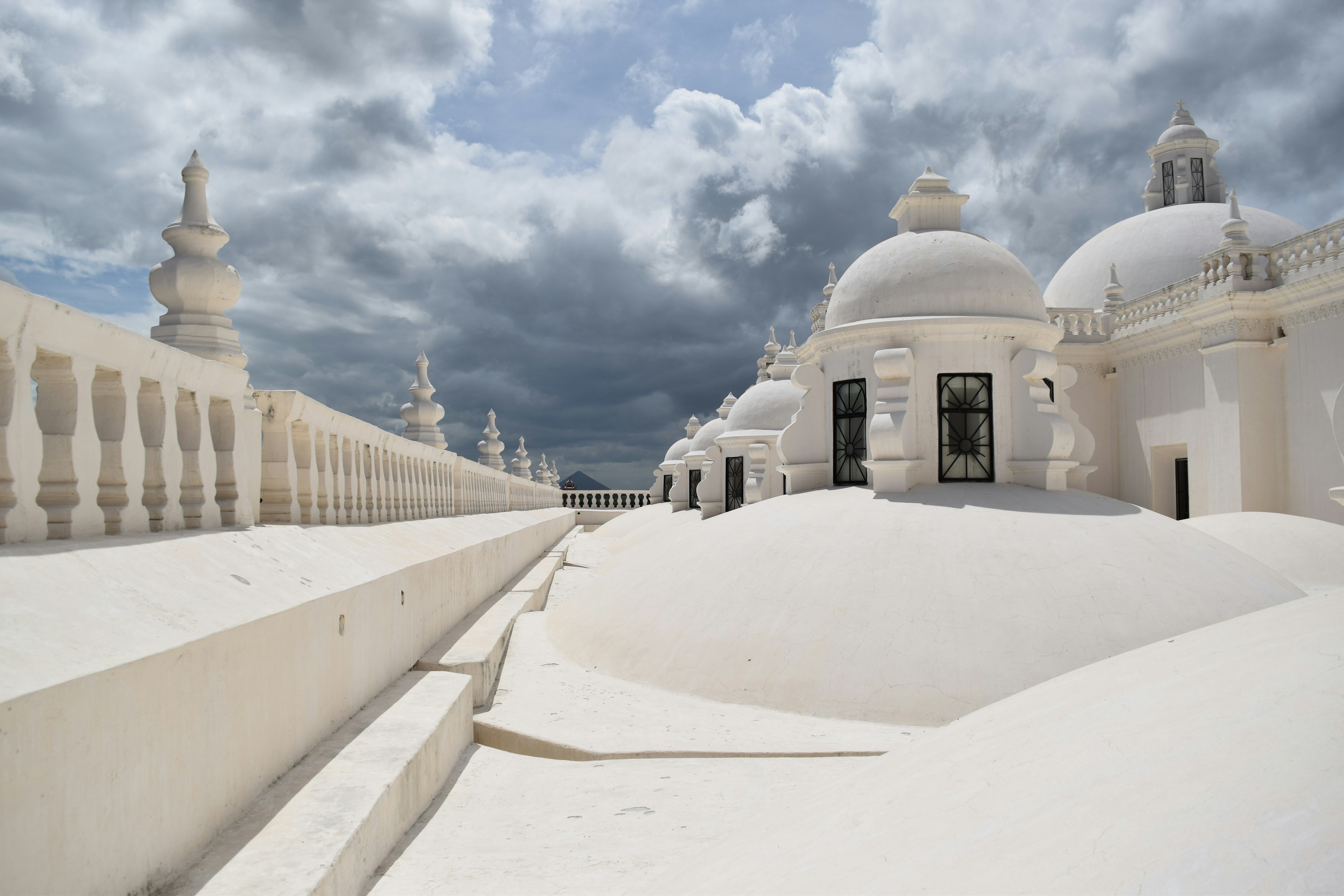
Travellers love Nicaragua for its mix of colonial cities, volcanic landscapes, and uncrowded surf beaches. Granada and León deliver colourful architecture and lively plazas, while places like San Juan del Sur and Popoyo attract surfers of all levels. Inland, you can board down Cerro Negro or hike cloud forests around Matagalpa.
As of 2026, Nicaragua remains significantly cheaper than destinations such as Japan or Portugal, especially for accommodation and food. Budget travellers can get by on a modest daily spend, while mid‑range visitors enjoy boutique hotels, guided activities, and domestic flights without breaking the bank—see the Nicaragua Travel Budget Guide: Daily Costs and Money Tips for exact numbers.
Safety‑conscious travellers will appreciate that most tourist areas are manageable with normal street smarts, especially when you follow the advice in the Nicaragua Safety Guide: Tips for a Safe Trip. Pair that with cultural awareness from the Nicaragua Cultural Guide: Etiquette, Customs, and Tips and you’re well prepared.
Hello also works as a digital companion for Nicaragua: Hello eSIM keeps you connected, while in‑app budget tracking and expense splitting help you monitor costs in real time. Combine these tools with one of the recommended routes in the Nicaragua in 5 Days: The Perfect Extended Itinerary or Nicaragua in 10 Days: The Ultimate Travel Itinerary to shape an unforgettable 2026 trip.
Nicaragua Travel Budget Guide: Daily Costs and Money Tips
Safety & HealthNicaragua Safety Guide: Tips for a Safe Trip
Cultural GuideNicaragua Cultural Guide: Etiquette, Customs, and Tips
ItinerariesNicaragua in 5 Days: The Perfect Extended Itinerary
ItinerariesNicaragua in 10 Days: The Ultimate Travel Itinerary
Best Time to Visit Nicaragua
The best time to visit Nicaragua is generally the dry season from December to April, when you get sunny days, calm seas, and reliable conditions for volcano hikes and beach time. Shoulder months like November and May can be excellent for fewer crowds and lower prices.
Nicaragua has a tropical climate with two main seasons: dry (summer) and wet (winter). In practice, this means you’ll experience warm temperatures year‑round, with more rain from May to October, especially on the Caribbean side. For city breaks in Granada or León and Pacific surfing around San Juan del Sur, the dry months are ideal.
Here’s an at‑a‑glance overview:
| Season (2026) | Months | Weather & Rain | Best For | Crowds & Prices |
|---|---|---|---|---|
| Dry peak | Dec–Feb | Sunniest, least rain | Volcano hikes, city exploring, surfing | Higher prices, busiest |
| Late dry | Mar–Apr | Hotter, still mostly dry | Beaches, festivals, nightlife | Moderate prices, some heat waves |
| Early wet | May–Jun | Afternoon showers, green landscapes | Fewer tourists, budget travel | Lower prices, occasional storms |
| Wet season | Jul–Oct | Regular rain, lush scenery | Coffee regions, slower travel | Lowest prices, some road disruptions |
| Shoulder | Nov | Mixed sun and showers | Good value, flexible plans | Moderate crowds, better deals |
If you’re following the 3 Days in Nicaragua: A Day-by-Day Itinerary or Nicaragua in 5 Days: The Perfect Extended Itinerary, aim for dry or shoulder periods to maximise your chances of clear views and smooth transport. Longer trips like the Nicaragua in 10 Days: The Ultimate Travel Itinerary can work year‑round, but build in extra flexibility during the wet season in case roads or ferries are affected.
Hello’s trip planning tools make it easier to compare seasonal prices and track date‑specific expenses, so you can decide whether peak‑season stability or off‑season savings better fits your travel style.
Budget Overview & Costs in 2026
Nicaragua remains very budget‑friendly in 2026: a shoestring traveller can get by on a modest daily budget, while mid‑range visitors typically spend more for private rooms, activities, and transport. Luxury is possible, but not yet as developed or pricey as in Costa Rica or Japan.
The Nicaragua Travel Budget Guide: Daily Costs and Money Tips breaks down typical daily costs for different travel styles, including accommodation, meals, local transport, and activities. As a high‑level view, think of Nicaragua as a place where street food and local buses are extremely affordable, while organised tours and boutique stays add most of the extra cost.
Here’s a quick comparison table to help you estimate:
| Travel Style (2026) | Approx. Daily Budget* | Typical Accommodation | Food Style | Transport & Activities |
|---|---|---|---|---|
| Budget | US$30–45 | Hostel dorms, basic guesthouses | Markets, street food, comedores | Local buses, shared shuttles, free/low‑cost sights |
| Mid‑range | US$60–100 | Private rooms, boutique hotels | Mix of local eateries & cafes | Shuttles, occasional taxis, guided day trips |
| Comfort/Luxury | US$150+ | High‑end hotels, eco‑lodges | Top restaurants, cocktails | Private drivers, premium tours, domestic flights |
*Figures are illustrative; check the budget guide for detailed, up‑to‑date numbers.
For money logistics—currency, ATMs, cash vs card, and tipping norms—see the Nicaragua Currency & Money Guide: Exchange, Cards, and Tips. Many places outside main cities still prefer cash, so plan withdrawals accordingly.
Hello’s built‑in budget tracking and expense splitting tools shine in Nicaragua. You can log costs in real time, divide group expenses fairly, and compare your actual spending against the estimates from the budget guide. This makes it easier to adjust your daily choices—like swapping a taxi for a bus or choosing a local lunch spot—to stay on track financially.
Visa & Entry Requirements (with Singapore Example)
Most travellers can enter Nicaragua relatively easily in 2026, but rules vary by nationality, so it’s essential to check visa, passport validity, and onward ticket requirements before you fly. Singapore passport holders enjoy specific arrangements covered in detail in the dedicated visa guide.
The Nicaragua Visa & Entry Requirements for Singapore Passport Holders explains current stay durations, whether you need a visa in advance, and any fees payable on arrival or departure for Singapore citizens as of 2026. Even if you’re not from Singapore, this article shows the type of information to look for: immigration rules, customs allowances, and practical tips for smooth entry.
In general, plan for:
- A passport with at least 6 months’ validity beyond your date of entry.
- Proof of onward travel (return or onward ticket).
- Evidence of sufficient funds for your stay.
- Awareness of any regional agreements that may count your time in nearby countries towards a combined limit.
Use the following simple decision framework:
- If your nationality is visa‑exempt for short stays: focus on passport validity, onward tickets, and entry forms.
- If you require a visa: apply well in advance and carry printed approval letters.
- If you plan to stay longer than standard tourist limits: look into extensions or alternative visa types.
Hello’s trip planning features help you store digital copies of key documents (e.g., passport photo page, bookings) and share them with your travel companions. However, always carry printed backups too. When in doubt, check with your nearest Nicaraguan embassy or consulate shortly before travel, as rules can change from year to year.
Getting Around Nicaragua: Cities, Coasts, and Islands
Getting around Nicaragua involves a mix of local buses, shared shuttles, taxis, and occasionally domestic flights or ferries. With a bit of planning, you can move comfortably between colonial cities, surf towns, and lake or island destinations.
The Getting Around Nicaragua: Transport Guide for Travellers gives step‑by‑step advice on airport transfers, public buses, ride options, inter‑city routes, and driving tips. Use it as your detailed reference; here we’ll outline the big picture and help you choose what suits your travel style.
Common options include:
- Public buses and “chicken buses”: Cheapest way to travel between towns—great for budget travellers with flexible schedules.
- Tourist shuttles: Shared minivans linking popular spots (e.g., Managua–Granada–San Juan del Sur). More comfortable than buses and still affordable.
- Taxis and moto‑taxis: Good within cities and for short hops; agree prices in advance if meters aren’t used.
- Domestic flights and boats: Useful for reaching more remote Caribbean destinations and islands.
Decision guide:
- If you prioritise budget: choose local buses and occasional shuttles.
- If you prioritise comfort and time: use shuttles or private drivers between key stops.
- If you prioritise off‑the‑beaten‑path destinations: consider a mix of buses, boats, and, where necessary, flights.
The itineraries in 3 Days in Nicaragua: A Day-by-Day Itinerary, Nicaragua in 5 Days: The Perfect Extended Itinerary, and Nicaragua in 10 Days: The Ultimate Travel Itinerary showcase realistic combinations of transport modes with time estimates and cost ranges.
Hello’s trip planning and expense tools can help you compare transport options, log fares as you go, and share routes with your travel group, making it easier to keep everyone on the same page.
Food & Dining: What to Eat in Nicaragua
Nicaraguan food is hearty, comforting, and surprisingly varied, with staples like rice, beans, plantains, and fresh cheese appearing in countless delicious combinations. Travellers can eat very well here on a reasonable budget, from street stalls to sit‑down restaurants.
The Nicaragua Food Guide: Must-Try Dishes, Prices, and Tips is your deep dive into specific dishes, typical prices, and food safety advice. Use it to build your must‑try list; here’s a quick overview.
Expect to encounter:
- Gallo pinto: Stir‑fried rice and beans, often eaten at breakfast.
- Nacatamales: Corn masa parcels filled with meat and vegetables, steamed in banana leaves.
- Vigorón: Yucca topped with cabbage slaw and chicharrón (fried pork rind).
- Fresh seafood along the coasts and simple grilled meats inland.
Nicaragua is generally friendly to travellers with basic dietary preferences—vegetarian options are increasingly common in tourist hubs—but strict vegan or allergy‑friendly choices may require more planning. The food guide covers how to communicate needs and what to look for.
In terms of budget, street food and local "comedores" (simple eateries) are very inexpensive, making it easy to keep daily food costs low. Cafes and international‑style restaurants in cities and surf towns cost more but are still reasonable compared to Japan or Italy.
Combining the food guide with the Nicaragua Travel Budget Guide: Daily Costs and Money Tips helps you decide whether you’ll mostly eat like a local, mix in a few upscale meals, or splurge regularly. Hello’s expense tracking lets you see your food spending pattern at a glance, so you can adjust mid‑trip if those sunset cocktails start pushing you beyond your planned budget.
Top Experiences & Suggested Itineraries
The best Nicaragua trips balance colonial cities, volcano adventures, and beach downtime, tailored to how many days you have. From short escapes to longer journeys, you can build itineraries that feel full but not rushed.
Three key cluster articles anchor your planning:
- 3 Days in Nicaragua: A Day-by-Day Itinerary for quick getaways.
- Nicaragua in 5 Days: The Perfect Extended Itinerary for a slightly deeper dive.
- Nicaragua in 10 Days: The Ultimate Travel Itinerary for a more comprehensive route.
Use this simple framework to choose:
| Trip Length | Ideal Focus | Example Mix |
|---|---|---|
| 3 days | One city + one volcano | Granada + Masaya Volcano day trip |
| 5 days | Cities + beach | Granada, León, San Juan del Sur |
| 10 days | Cities + volcanoes + coast + islands | Granada, León, Ometepe, Pacific beach |
Top experiences to consider:
- Walking the colonial streets and churches of Granada and León.
- Volcano boarding at Cerro Negro or sunset viewing at Masaya Volcano.
- Experiencing island life on Ometepe or coastal vibes in San Juan del Sur.
- Exploring coffee country and cooler mountain towns.
If you’re combining Nicaragua with other countries like Guatemala or Panama, shorter itineraries work best. If Nicaragua is your main destination, a 10‑day plan allows for slower travel and rest days.
Hello’s trip planner helps you organise day‑by‑day activities, estimate costs based on the budget guide, and keep all bookings and notes in one place. Once you’ve picked your base itinerary from the cluster articles, you can easily customise it in Hello to match your interests and pace.
Staying Connected: Hello eSIM for Nicaragua
Staying online in Nicaragua is straightforward in 2026, especially if you use Hello eSIM for instant data connectivity upon arrival. That means no hunting for local SIM shops and no paperwork—just scan, activate, and go.
The eSIM for Nicaragua: Best Plans, Coverage, and Setup Tips walks you through everything you need to know about using Hello eSIM in Nicaragua: compatible devices, recommended data amounts, coverage differences between cities, beaches, and rural areas, and step‑by‑step activation instructions.
At a high level:
- Urban centres like Managua, Granada, León, and many Pacific coastal towns have solid 4G coverage.
- Rural regions and some islands may have slower speeds or patchier signal—plan downloads and navigation ahead when heading off‑grid.
Using Hello eSIM gives you:
- Instant activation before you land or right after arriving.
- Local‑style data prices without the hassle of physical SIMs.
- The ability to keep your home number active on your primary line (for calls and SMS) while using data through Hello.
Because Hello is more than just connectivity, you can also use the app to monitor data usage, track travel expenses, and coordinate daily plans with your group. This is especially helpful in Nicaragua, where online maps and ride apps make it easier to navigate cities and stay oriented.
For specifics like best data bundles, how much data a 5‑day or 10‑day trip typically consumes, and coverage considerations for your exact route, use the eSIM cluster article as your technical reference, then plug those choices into your broader trip plan.
Safety, Culture, and Money: Travelling Responsibly
Nicaragua is rewarding and generally manageable for travellers, but you’ll have a much smoother experience if you understand basic safety practices, cultural norms, and how money works locally. A bit of preparation goes a long way.
The Nicaragua Safety Guide: Tips for a Safe Trip highlights common issues to watch for (like petty theft or scams), health considerations, and emergency contacts. Most visitors who follow normal precautions and avoid known trouble spots have incident‑free trips.
The Nicaragua Cultural Guide: Etiquette, Customs, and Tips explains greetings, dress expectations, and useful phrases. Showing respect for local customs—modest clothing in religious spaces, polite greetings, and patience with slower service—helps interactions feel warmer and more relaxed.
On the financial side, the Nicaragua Currency & Money Guide: Exchange, Cards, and Tips covers currency, ATMs, card acceptance, and tipping. In many areas, cash remains king, and smaller businesses may prefer local currency over foreign notes.
Think of this trio—safety, culture, money—as your foundation:
- Safety: Read the guide, share your itinerary with someone at home, and keep Hello’s emergency numbers handy in notes.
- Culture: Learn a few phrases, observe how locals behave, and err on the side of politeness.
- Money: Carry a mix of cash and cards, and use Hello to track spending and split group expenses fairly.
Combining these cluster guides with Hello’s tools helps you travel responsibly and confidently, whether you’re exploring big cities or quieter rural communities.
Before You Go: Nicaragua Trip Checklist
A simple pre‑departure checklist makes Nicaragua travel feel easy. Think in four buckets: documents, money, health & safety, and digital setup. Ticking these off before you leave saves time and stress once you land.
Documents & admin
- Confirm passport validity and any required visas—use the Nicaragua Visa & Entry Requirements for Singapore Passport Holders as a template for the details you should verify.
- Print and save digital copies of flight bookings, accommodation, and travel insurance.
- Note emergency contacts from the Nicaragua Safety Guide: Tips for a Safe Trip.
Money & budget
- Read the Nicaragua Travel Budget Guide: Daily Costs and Money Tips to set a realistic daily budget.
- Check the Nicaragua Currency & Money Guide: Exchange, Cards, and Tips to decide how much cash to bring and which cards work best.
- Set up Hello’s budget tracking and expense splitting for your trip.
Health & safety
- Review safety and health recommendations from the safety guide.
- Pack any personal medications and basic first‑aid items.
Digital & connectivity
- Install Hello, purchase and pre‑load Hello eSIM for Nicaragua using the eSIM for Nicaragua: Best Plans, Coverage, and Setup Tips.
- Download offline maps and key documents to your phone.
Finally, choose a route that matches your time frame using 3 Days in Nicaragua: A Day-by-Day Itinerary, Nicaragua in 5 Days: The Perfect Extended Itinerary, or Nicaragua in 10 Days: The Ultimate Travel Itinerary, then customise it inside Hello so everything—plans, budgets, and connectivity—is ready before you go.
Nicaragua Visa & Entry Requirements for Singapore Passport Holders
Budget PlanningNicaragua Travel Budget Guide: Daily Costs and Money Tips
Currency & MoneyNicaragua Currency & Money Guide: Exchange, Cards, and Tips
eSIM & ConnectivityeSIM for Nicaragua: Best Plans, Coverage, and Setup Tips
Safety & HealthNicaragua Safety Guide: Tips for a Safe Trip
Itineraries3 Days in Nicaragua: A Day-by-Day Itinerary
ItinerariesNicaragua in 5 Days: The Perfect Extended Itinerary
ItinerariesNicaragua in 10 Days: The Ultimate Travel Itinerary
Frequently Asked Questions
Is Nicaragua safe to visit in 2026?
Most travellers who stick to established tourist areas and follow normal precautions have safe, enjoyable trips to Nicaragua in 2026. The Nicaragua Safety Guide: Tips for a Safe Trip covers common scams, neighbourhood awareness, health considerations, and emergency contacts. Combine its advice with Hello’s trip notes and document storage to stay prepared.
How much should I budget per day for a trip to Nicaragua?
Daily budgets vary by travel style, but Nicaragua is generally affordable compared with countries like Japan or Costa Rica. The Nicaragua Travel Budget Guide: Daily Costs and Money Tips provides detailed ranges for budget, mid‑range, and more comfortable trips. Use those estimates with Hello’s budget tracking to plan and monitor your spending in real time.
Do I need a visa to visit Nicaragua?
Visa requirements depend on your nationality and length of stay. The Nicaragua Visa & Entry Requirements for Singapore Passport Holders explains rules for Singapore citizens and illustrates what information you should confirm for your own passport: visa necessity, allowed stay duration, passport validity, and onward travel proof. Always double‑check with official sources shortly before travelling, as regulations can change.
What’s the best way to stay connected in Nicaragua?
The easiest option in 2026 is Hello eSIM, which offers instant activation and local‑style data pricing without a physical SIM. The eSIM for Nicaragua: Best Plans, Coverage, and Setup Tips details ideal data plans, coverage by region, and step‑by‑step setup. Once connected, you can use Hello not just for data, but also for trip planning and expense management.
When is the best time of year to visit Nicaragua?
Most travellers prefer the dry season from December to April, when weather is more predictable for volcano hikes, city exploring, and beach days. Shoulder months like November and May can offer good value with fewer crowds. Use the seasonal guidance in the itineraries—3 Days, 5 Days, and 10 Days—to match your route to the climate.
How do I get around between cities and beaches?
You’ll typically use a mix of public buses, tourist shuttles, taxis, and occasionally boats or domestic flights. The Getting Around Nicaragua: Transport Guide for Travellers explains how each option works, what it costs, and when to choose it. The itinerary articles show real‑world examples of routes and time estimates, which you can then adapt in Hello’s trip planner.
What should I definitely eat while in Nicaragua?
Don’t miss local staples like gallo pinto, nacatamales, vigorón, fresh seafood on the coasts, and simple grilled meats. The Nicaragua Food Guide: Must-Try Dishes, Prices, and Tips lists essential dishes, typical prices, and how to navigate street food safely. Combine it with the budget guide to estimate how much you’ll spend on eating out each day.
eSIM Plans for Nicaragua
Detailed Articles
Dive deeper into specific topics covered in this guide.
Nicaragua Travel Budget Guide: Daily Costs and Money Tips
How much does it cost to travel in Nicaragua? Daily budget breakdowns for budget, mid-range, and luxury travellers.
27 February 2026
Nicaragua Safety Guide: Tips for a Safe Trip
Safety tips, health advisories, emergency contacts, common scams, and travel insurance advice for Nicaragua.
20 July 2026
Nicaragua Cultural Guide: Etiquette, Customs, and Tips
Essential do's and don'ts, greeting customs, dress codes, local phrases, and cultural tips for Nicaragua.
5 June 2026
Nicaragua in 5 Days: The Perfect Extended Itinerary
A detailed 5-day itinerary for Nicaragua with daily activities, costs, neighborhoods, and transport tips for an extended stay.
8 May 2026
Nicaragua in 10 Days: The Ultimate Travel Itinerary
A comprehensive 10-day itinerary for Nicaragua covering top attractions, hidden gems, daily costs, and transport between cities.
22 June 2026
3 Days in Nicaragua: A Day-by-Day Itinerary
A detailed 3-day itinerary for Nicaragua with daily activities, costs, neighborhoods, and transport tips.
13 June 2026
Nicaragua Currency & Money Guide: Exchange, Cards, and Tips
Currency exchange, credit card acceptance, ATM tips, tipping culture, and money-saving advice for Nicaragua.
27 March 2026
Nicaragua Visa & Entry Requirements for Singapore Passport Holders
Visa requirements, passport validity, customs allowances, and entry tips for Singapore citizens travelling to Nicaragua.
11 July 2026
More Travel Guides
Destination Guide
Complete Bosnia and Herzegovina Travel Guide 2026
Everything you need to know about travelling to Bosnia and Herzegovina — budget, visa, food, transport, eSIM connectivity, and itineraries.
Destination Guide
Complete Bahamas Travel Guide 2026
Everything you need to know about travelling to Bahamas — budget, visa, food, transport, eSIM connectivity, and itineraries.
Destination Guide
Complete Bahrain Travel Guide 2026
Everything you need to know about travelling to Bahrain — budget, visa, food, transport, eSIM connectivity, and itineraries.
Destination Guide
Complete Sint Eustatius Travel Guide 2026
Everything you need to know about travelling to Sint Eustatius — budget, visa, food, transport, eSIM connectivity, and itineraries.