eSIM for Nicaragua: Best Plans, Coverage, and Setup Tips
Everything you need to know about using eSIM in Nicaragua. Best data plans, network coverage, and setup instructions.
By Hello Travel Team
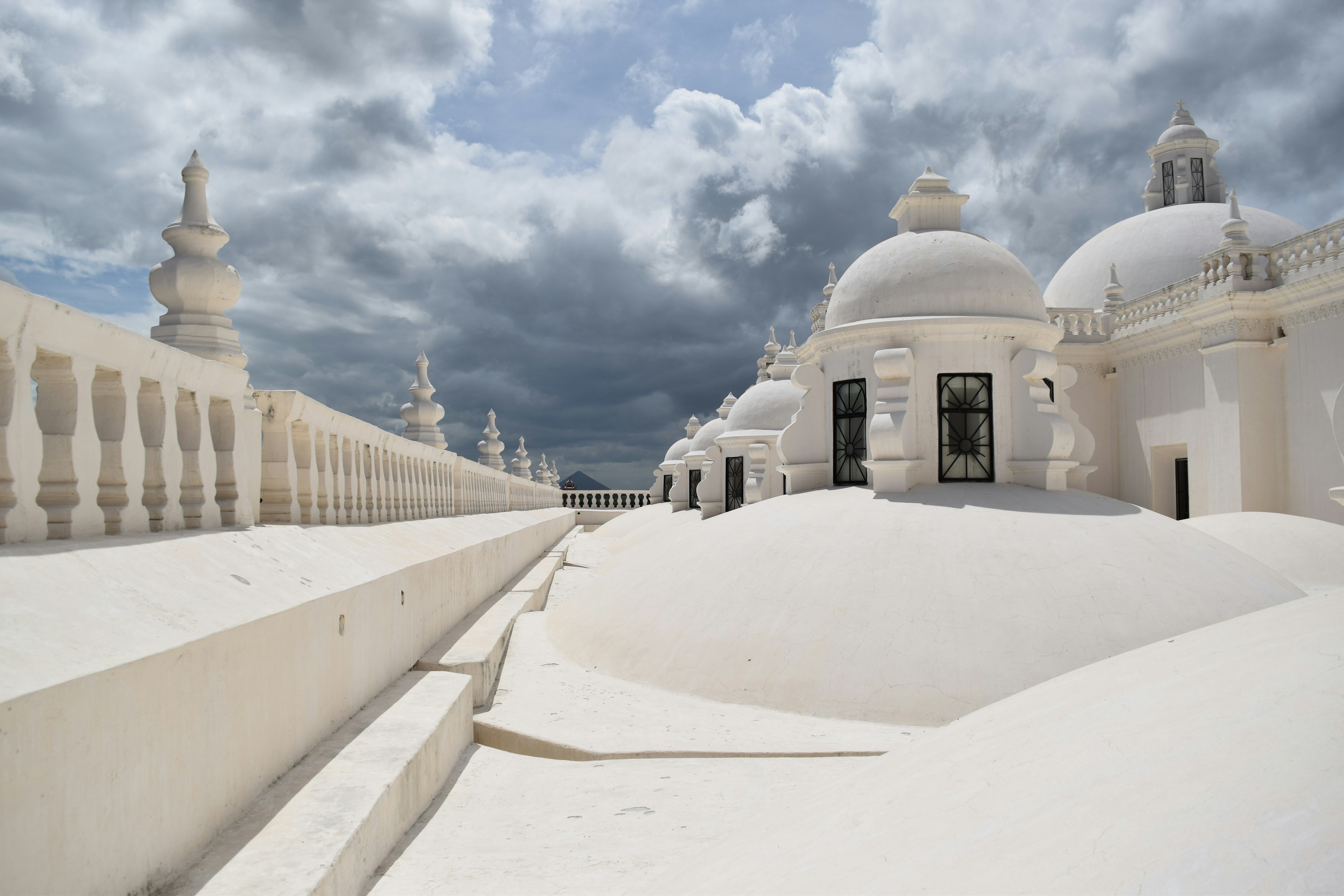
TL;DR: How to Use an eSIM for Nicaragua Travel Internet
Using an eSIM for Nicaragua is the easiest way to get reliable mobile data for maps, messaging, and social media without hunting for local SIM shops or paying roaming fees. Buy and install a Hello eSIM before you fly, then land in Managua or León already connected.
Nicaragua’s main mobile networks (Claro and Tigo) cover major cities, colonial towns, and many Pacific beach spots with 4G service, but rural and Caribbean areas can be patchy. For most travellers, a 5–10GB Nicaragua eSIM plan is enough for a week of navigation, booking apps, and occasional video calls.
Hello’s eSIM plans (starting from 5GB, with live-updated prices) let you purchase and activate from the Hello app, track your travel budget, and even split trip costs with friends – all in one place. If you’re planning a trip, you can explore the destination guide for Nicaragua and stay connected with a Hello eSIM for Nicaragua.
Best Nicaragua eSIM Plans and How Much Data You Really Need
For most visitors, the best Nicaragua eSIM plan is 5–15GB, which comfortably covers maps, messaging, and light social media for 7–14 days, as long as you use Wi‑Fi in hotels and cafés when possible. Heavy streamers or digital nomads should look at 20GB or more.
To estimate your data needs, think in daily habits. Many travellers use around 1–1.5GB per day when relying on mobile data for Google Maps, WhatsApp, ride‑hailing, and occasional short videos. Streaming HD video or doing frequent video calls can push that to 3–4GB daily. If you’re planning slow travel in places like Granada, León, or San Juan del Sur, and streaming series at night, a larger eSIM plan will give peace of mind.
Hello’s eSIM plans for Nicaragua start from 5GB, with prices updated live in the app so you always see current rates for the year you’re traveling. Because Hello supports over 200 countries, it’s ideal if you’re combining Nicaragua with neighbours like Costa Rica or Mexico, and want one app to manage connectivity and costs.
Here’s a simple guide to choosing your data size:
| Travel Style | Trip Length | Suggested Data |
|---|---|---|
| Long weekend in cities | 3–4 days | 5GB |
| One-week classic itinerary (Granada, León, beaches) | 7–9 days | 10GB |
| Two-week trip with remote stays | 14–16 days | 15–20GB |
| Digital nomad / remote work month | 30 days | 30GB+ (use Wi‑Fi where possible) |
If you’re traveling as a group, consider one person buying a larger Hello eSIM plan and tethering others on long bus rides, while still using guesthouse Wi‑Fi to keep usage in check.
Coverage and Speed: Where Nicaragua eSIM Mobile Data Works Best
Nicaragua’s mobile data coverage is strongest in the Pacific region and main cities, so an eSIM for Nicaragua works very well if your route includes Managua, Granada, León, and popular surf towns like San Juan del Sur and Popoyo. Expect 4G in most populated areas and slower data in remote regions.
Local travellers commonly report that Claro offers slightly better coverage nationwide, while Tigo performs well in many urban and tourist zones, including major highways and towns. On Reddit, residents note that both Claro and Tigo now support eSIM with 4G coverage, especially in cities and popular tourist corridors, though coverage can drop to 3G or edge in rural areas and parts of the northern highlands.
Along the Pacific coast – from León down to San Juan del Sur – you’ll find reasonably reliable data for maps, messaging, and social media. In the Laguna de Apoyo area and around Ometepe Island, coverage is more mixed: the main villages often have a decent signal, but expect slower speeds when hiking, biking, or staying at more remote eco‑lodges.
On the Caribbean side (Bluefields, Pearl Lagoon, Corn Islands), infrastructure is improving but still more limited; many travellers rely heavily on hotel Wi‑Fi and use mobile data only in town centers. That’s where a Hello eSIM helps: you can stay connected when a local SIM shop isn’t nearby, while still switching to Wi‑Fi whenever available to preserve your data.
If you’re planning bus travel between cities, mobile data usually works along main roads, but downloading offline maps in advance is smart in case your signal drops in rural stretches.
How to Set Up and Activate a Hello eSIM for Nicaragua Step by Step
Setting up a Nicaragua eSIM is a one‑time, 10‑minute process you can do at home before your trip: install the eSIM profile, keep your physical SIM for calls if you like, then simply turn on the Hello eSIM when you land. No kiosks, paperwork, or local registration needed.
Most modern phones (iPhone XS and newer, many recent Android flagships) support eSIM. Check under Settings → Mobile Data or SIM Manager: if you see an option to add a mobile plan or eSIM, your device is compatible. Once you’ve confirmed that, the process is straightforward:
- Download the Hello app on iOS or Android and create an account.
- Open the Nicaragua section or go directly to Hello eSIM for Nicaragua in the app.
- Choose your preferred data size (plans start from 5GB, prices shown live for the current year).
- Follow the in‑app instructions to install the eSIM profile via QR code or automatic installation.
- Give the new plan a clear name (e.g. “Nicaragua data”) so you can distinguish it later.
- On arrival in Nicaragua, go to settings and switch mobile data to the Hello eSIM, then enable data roaming.
Your phone will automatically connect to a local partner network (typically Claro or Tigo), and you’ll be online within a minute – ready to order a taxi in Managua, pin your guesthouse in Granada, or send your “I arrived!” message without hunting for airport Wi‑Fi.
Practical Tips for Using Nicaragua eSIM Mobile Data on the Road
To make your Nicaragua travel internet last longer, combine mobile data with the country’s surprisingly decent Wi‑Fi in guesthouses and cafés, especially in tourist hubs like San Juan del Sur, Granada, and León. Most mid‑range hotels include Wi‑Fi in the nightly rate (often $25–60 per room as of 2025).
You’ll find a growing number of coworking spaces and laptop‑friendly cafés in cities and surf towns, where you can offload heavy tasks like cloud backups or large downloads. That way, your Hello eSIM data is used mainly for navigation, translations, and messaging while you’re out exploring. For typical travel days, budget 1GB of mobile data for maps, messaging, and basic browsing.
Some practical usage tips:
- Download offline maps for Nicaragua in Google Maps before you fly.
- Turn off automatic cloud photo backups on mobile data; restrict them to Wi‑Fi only.
- In social apps, disable auto‑playing HD videos to save data.
- Use WhatsApp text and voice notes instead of video calls when on slow connections.
Safety‑wise, having reliable data is especially useful for late‑night taxi rides, bus station navigation, or checking reviews in unfamiliar neighbourhoods. Hello’s eSIM connectivity helps you keep ride‑hailing, translation, and emergency contacts a tap away.
If you’re traveling with friends, use Hello’s expense splitting and budget tracking features to keep trip costs under control. For example, if your group spends $120 on a shared beach house weekend in San Juan del Sur, you can snap the receipt with AI scanning, split it in córdobas and dollars, and let Hello auto‑convert currencies and track who’s paid.
Costs: Mobile Data, Local SIMs, and Everyday Travel Budget in Nicaragua
Nicaragua is one of Central America’s more budget‑friendly destinations, and pairing a Nicaragua eSIM plan with local prices for food, transport, and accommodation makes it easy to keep your daily spend in check, especially if you use Hello’s built‑in budget tracking tools.
To set expectations, mid‑range travellers often spend $40–70 per day including accommodation, meals, and local transport, according to regional backpacking budgets compiled by travel bloggers in 2024. Shared dorm beds can be as low as $10–15 per night, while simple private rooms in guesthouses run $25–40. Restaurant meals in tourist areas typically cost $7–12 for a main dish and drink in 2025, while hearty local “comida corriente” lunches can be $3–5.
Public buses between cities – say, Managua to León or Granada – are very inexpensive, often $2–5 per journey depending on route and comfort level. Tourist shuttles cost more but save time, at around $10–20 per person for popular routes. Surfboard rentals in beach towns are commonly $10–15 per day, and guided day trips (volcano boarding near León, Masaya Volcano night visit) often start around $25–40.
Local SIM cards from operators like Claro or Tigo can be cheap if you’re staying long‑term, but they usually require visiting a store and registering with an ID. A Hello eSIM avoids that extra step and lets you track all connectivity costs alongside other trip expenses in one app. You can log purchases manually, use AI receipt scanning, or import bank statements to keep a clear overview of your Nicaragua travel budget.
Common Questions About Using an eSIM for Nicaragua Mobile Data
Most travellers ask a handful of practical, conversational questions about Nicaragua eSIM connectivity – from “Will my phone work there?” to “Do I need a local SIM if I already have an eSIM from Hello?” Here are clear answers to the most frequent queries.
Q: Will my phone support an eSIM in Nicaragua?
A: If you have a recent iPhone (XS or newer) or many Android flagships (Samsung S20+, Google Pixel 4+), your phone likely supports eSIM. Check in settings under Mobile Data or SIM Manager for an option to add an eSIM or mobile plan.
Q: Do I still need a physical SIM card?
A: Not necessarily. Many travellers keep their home SIM in the phone for calls and SMS, and use a Hello eSIM for data only. You can choose which SIM handles mobile data, so your Nicaragua travel internet runs through the eSIM, while your home number remains reachable for verification codes.
Q: Is eSIM coverage good outside Managua?
A: Coverage is strongest on the Pacific side, especially around cities and popular tourist routes. Locals report 4G data with Claro and Tigo in most urban areas and main highways, with weaker signal in rural or mountainous zones. In those places, rely more on Wi‑Fi.
Q: How much does mobile data typically cost?
A: Travel eSIM data prices vary by year and plan size, but as of mid‑2020s many regional eSIM offers range from around $10–40 for moderate data bundles, according to independent comparison sites tracking over 4,000 prepaid eSIM plans globally. In the Hello app, you’ll see live‑updated pricing for Nicaragua before you buy.
Q: Can I share my data with friends?
A: Yes. You can enable hotspot/tethering on your phone so friends connect to your Hello eSIM data, then use Hello’s expense splitting features to divide costs fairly in multiple currencies.
Q: Is it easy to stay on top of my spending?
A: Definitely. Hello includes multi‑currency budget tracking, AI receipt scanning (any language/currency), voice expense entry, and Gmail receipt imports so you can track everything from your eSIM plan to volcano‑boarding tours and beach bar tabs in one place.
Explore These Destinations
Stay Connected
Stay connected in Nicaragua
Get an eSIM before you land. Hello gives you instant data in 200+ countries — no SIM swaps, no roaming fees.
Related Articles
Nicaragua Safety Guide: Tips for a Safe Trip
Safety tips, health advisories, emergency contacts, common scams, and travel insurance advice for Nicaragua.
20 July 2026
Nicaragua Visa & Entry Requirements for Singapore Passport Holders
Visa requirements, passport validity, customs allowances, and entry tips for Singapore citizens travelling to Nicaragua.
11 July 2026
Nicaragua in 10 Days: The Ultimate Travel Itinerary
A comprehensive 10-day itinerary for Nicaragua covering top attractions, hidden gems, daily costs, and transport between cities.
22 June 2026