Nicaragua Cultural Guide: Etiquette, Customs, and Tips
Essential do's and don'ts, greeting customs, dress codes, local phrases, and cultural tips for Nicaragua.
By Hello Travel Team
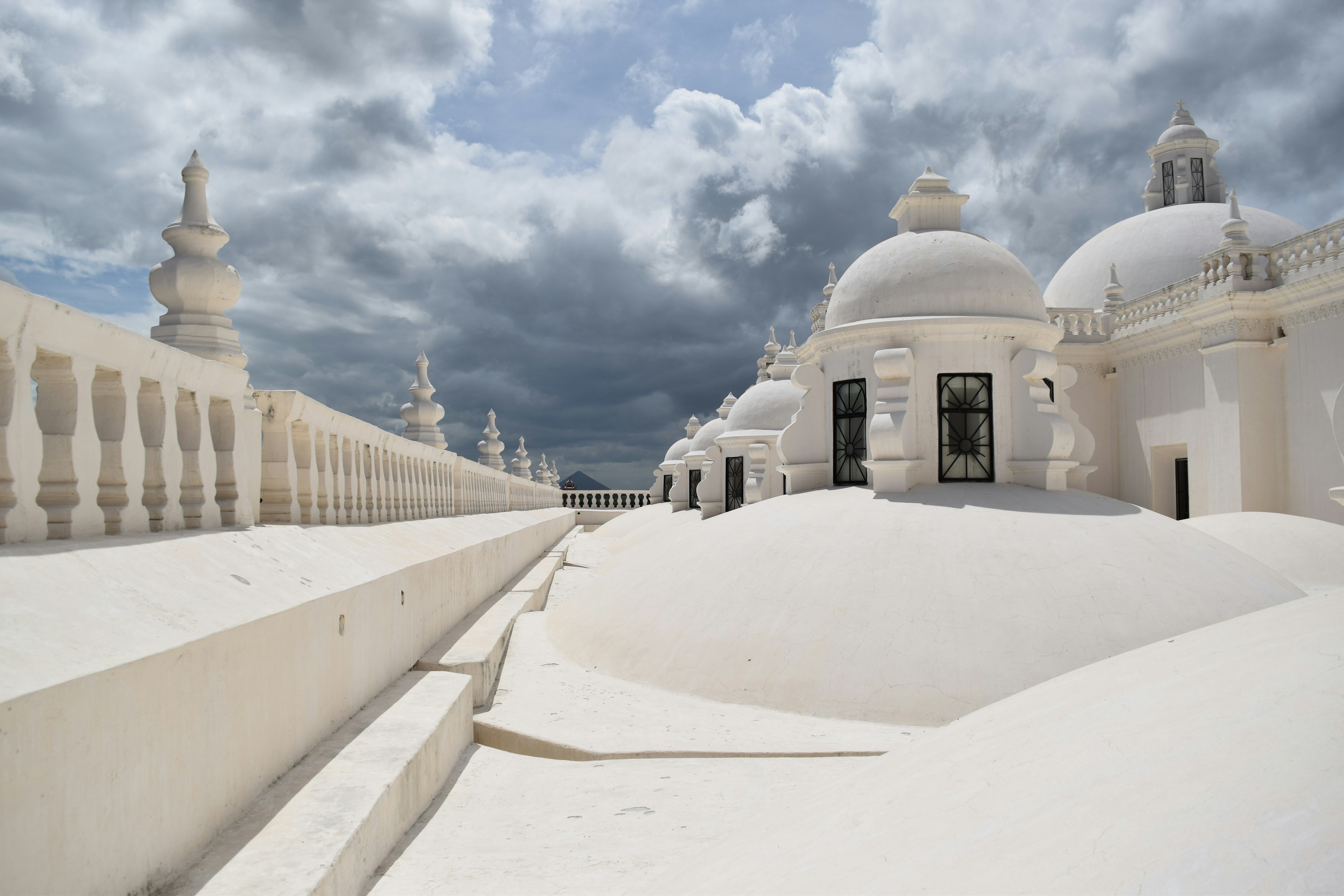
TL;DR: Nicaragua Culture, Etiquette, and Essential Dos and Don’ts
Nicaraguan culture is warm, family-oriented, and generally relaxed, but travellers are expected to greet politely, dress modestly, and show respect for elders and religious traditions. A few basic phrases in Spanish, awareness of local holidays, and a calm attitude go a long way toward smooth interactions.
Expect friendly, direct contact in Nicaragua: people often say buenos días when entering shops, thank bus drivers when getting off, and greet neighbours as they pass. Ignoring these small social rituals can come across as rude or aloof, even if it’s unintentional.
For visitors, the main cultural do’s and don’ts are simple: do greet people, be punctual for anything semi-formal (like tours or business meetings), and ask permission before taking photos of individuals or inside churches. Don’t flaunt wealth, raise your voice in public, or criticize the country’s politics unless you know your audience very well.
Dress is casual but conservative: shorts and T‑shirts are fine in beach towns like San Juan del Sur, but in Nicaragua cities such as Granada or León, locals tend to cover shoulders and knees, especially in churches and government buildings. Pack at least one modest outfit for cathedrals and religious sites.
Staying connected with an eSIM from Hello makes navigating buses, booking local tours, and translating Spanish phrases easier, without hunting for SIM shops or juggling cash top-ups. Combined with Hello’s budget tracking and expense splitting, you can focus on connecting with people—not receipts—throughout your Nicaragua trip.
Greetings, Basic Phrases, and Everyday Nicaragua Etiquette
In Nicaragua, greeting people politely with buenos días or buenas tardes is one of the simplest and most important etiquette rules, signalling respect and friendliness to locals in shops, restaurants, and neighbourhoods. Skipping greetings can feel abrupt, even if your intentions are good.
Typical greetings are warm but not overly formal. A safe pattern is: Buenos días (morning), Buenas tardes (afternoon), Buenas noches (evening). When meeting someone, saying Mucho gusto (nice to meet you) and offering a light handshake is standard. Among friends or close acquaintances, a single cheek kiss and hug are common, especially between women.
Helpful everyday phrases include:
- ¿Cuánto cuesta? – How much does it cost?
- ¿Dónde está la parada de bus? – Where is the bus stop?
- Disculpe / Perdón – Excuse me / Sorry
- ¿Podemos tomar una foto? – Can we take a photo?
Social etiquette emphasises respect for elders: using Don or Doña plus first name (Don Carlos, Doña María) is both polite and appreciated. Saying gracias and por favor frequently is expected, not optional.
In restaurants, a 10% tip is appreciated in 2026, especially in tourist hubs, though not always automatically added. According to Nicaragua’s tourism authority, tourism arrivals have grown steadily since 2023, which means staff are used to foreigners—but they value those who try a bit of Spanish and follow local manners.
Hello’s expense splitting and AI receipt scanning make it easy to track shared meals in córdobas and dollars, even when you pay cash and your friends pay by card.
Dress Codes, Religious Sites, and Photography Rules in Nicaragua
Nicaragua dress codes are generally relaxed, but visitors should dress modestly—covering shoulders and knees—inside churches, religious events, and government buildings, where shorts, crop tops, and beachwear are seen as disrespectful even in hot weather. Pack light, breathable layers that can quickly make outfits more conservative.
On the street, locals in cities like Managua, León, and Granada often wear jeans, simple dresses, and collared shirts rather than beachwear. In coastal areas, shorts and tank tops are common, but it’s still better to avoid entering banks, official offices, or churches in very revealing clothing. A lightweight scarf or shawl is handy for quickly covering shoulders.
Religious sites such as León Cathedral, Granada’s churches, and village chapels expect quiet behaviour and discreet photography. Many churches allow photos, but some request no flash or prohibit pictures during mass. A good rule is to:
- Ask the usher or caretaker: ¿Se puede sacar fotos aquí?
- Avoid photographing people who are praying or clearly emotional
- Keep phones on silent and avoid video calls inside
Photography etiquette extends to markets and rural communities: always ask before photographing individuals or their stalls, especially in local food markets and indigenous areas. Some craftspeople may politely decline, while others are happy to pose if you buy something.
To respect privacy, avoid drone use near churches and residential areas unless you have explicit permission, as local municipalities increasingly regulate drones for safety and noise concerns. An eSIM from Hello for Nicaragua helps you quickly check local rules, opening hours, and holiday closures without relying on hotel Wi‑Fi.
Nicaragua Dos and Don’ts: Practical Cultural Rules for Travellers
The key Nicaragua dos and don’ts are simple: do greet politely, dress modestly away from the beach, keep your voice calm, and show respect for elders; don’t flaunt wealth, criticize local politics, or ignore community rules around photography and religious practices.
Here’s a quick comparison of common cultural behaviours:
| Situation | Do in Nicaragua | Don’t in Nicaragua |
|---|---|---|
| Entering a shop | Say Buenos días to staff | Ignore everyone and walk in silently |
| In a church | Dress modestly, speak softly | Wear beach clothes or take loud phone calls |
| Taking photos | Ask permission, avoid flash in churches | Photograph strangers without consent |
| Talking politics | Listen more than you speak | Make strong or critical statements casually |
Additional practical dos and don’ts:
- Do carry small bills; many local eateries in 2026 still prefer cash for meals under $5–8.
- Do try local dishes like gallo pinto and vigorón and compliment the cook.
- Don’t assume everyone speaks English; learning a few phrases is a sign of respect.
- Don’t point aggressively or snap your fingers for service—it’s considered rude.
Nicaragua’s tourism sector has been rebuilding since pandemic-era lows, with Central American regional tourism data in 2024 showing gradual increases in international arrivals. That means more travellers, but also more sensitivity to considerate behaviour.
Hello’s budget tracking helps you stay mindful of small, cash-based expenses—like tips, market snacks, and shared taxis—which are common in Nicaragua and easy to lose track of if you’re splitting costs with friends.
Business Etiquette, Meetings, and Working with Nicaraguan Partners
Nicaragua business etiquette combines Latin American formality with a personal, relationship-driven approach, so punctuality, polite greetings, and respect for titles matter alongside informal conversation about family and local life. Building trust is often as important as the numbers in your proposal.
For meetings, arrive on time or 5–10 minutes early, even if local partners sometimes run late. Dress code ranges from business casual (collared shirt, neat trousers or knee-length skirt) to formal business attire in banks, legal offices, and larger companies. First meetings usually start with a handshake; use Sr. (Señor), Sra. (Señora), or Lic. (Licenciado) plus last name if you’re unsure of preferred titles.
Business conversations may move slowly, with time spent discussing family, recent holidays, or local news before formal topics. Interrupting or pushing for rapid decisions can be seen as impatient. Email replies may take a few days; WhatsApp is widely used for confirming times and sharing documents.
Gift-giving in business settings is modest and practical, such as a branded notebook or small souvenir from your home country. Avoid overly expensive gifts that might feel uncomfortable or inappropriate.
According to regional Central American economic reports from 2024, small and medium enterprises in Nicaragua form a large portion of the economy, so you’re likely to interact with owner-managed companies where personal reputation is key.
Hello’s expense tracking and multi-currency support are useful if you’re expensing client lunches in córdobas while your home office reimburses in USD, keeping receipts and exchange rates clear for business travellers.
Local Holidays, Festivals, and Gift-Giving Customs in Nicaragua
Major Nicaraguan holidays like Semana Santa, Independence Day, and La Purísima can significantly affect travel plans, with bus schedules, accommodation prices, and opening hours shifting around religious processions and family gatherings. Planning logistics around these dates helps you enjoy the celebrations instead of fighting crowds.
Key holidays and their impact:
- Semana Santa (Holy Week, March/April): Many Nicaraguans travel; beaches and colonial cities like Granada and León are busier, and some businesses close or reduce hours.
- 15 September – Independence Day: Parades and school marches can close streets in city centres.
- La Purísima (late November–early December): Celebrations of the Virgin Mary include singing, fireworks, and neighbourhood gatherings.
According to Central American tourism data in 2024, religious and cultural festivals remain major domestic travel drivers, so expect fuller buses and increased demand for budget hotels around these dates.
Gift-giving customs are gentle and family-oriented. If invited to a home, bringing small gifts—like good-quality chocolate, coffee, or toys for children—is appreciated. Wrap gifts simply; it’s the thought that counts rather than price. Avoid very personal items (like perfume or clothing) unless you know the person well.
When visiting villages or indigenous communities, buying local crafts at fair prices is a respectful way to support artisans. Asking the maker about the story behind a piece (for example, handwoven textiles or pottery) shows genuine interest, which locals often value more than the transaction itself.
Hello’s AI receipt scanning and category tagging help you see how much you’re spending on markets, holiday surcharges, and festival tickets, useful when prices jump during busy weeks.
Common Questions: Nicaragua Culture, Etiquette, and Safety Tips
Most cultural questions about Nicaragua boil down to respect: greet people, keep your voice calm, dress modestly in cities and religious spaces, and stay aware of local holidays that may affect transport, prices, and opening hours during your trip.
Is Nicaragua safe for tourists culturally and socially?
Tourist hubs like Granada, León, San Juan del Sur, and parts of Managua see regular international visitors, and locals are generally welcoming to travellers who behave respectfully. As with any country, petty theft can occur, so keep valuables discreet and avoid showing large amounts of cash or expensive jewellery.
Do I need to speak Spanish to get by?
English is spoken in some hotels and tour agencies, but basic Spanish goes a long way. Learning phrases like Buenos días, Gracias, and ¿Cuánto cuesta? makes interactions smoother and is often met with smiles. Many travellers use translation apps; reliable mobile data via a Hello eSIM helps those tools work on the go.
How much should I budget per day?
Nicaragua is comparatively budget-friendly in 2026. A simple local meal can cost $4–8, mid-range sit-down meals around $15–25, and budget guesthouses from $20–35 per night in popular cities, depending on season. Regional travel reports note Nicaragua remains one of the more affordable Central American destinations.
Can I split costs easily with friends?
Yes. Hello’s expense splitting and automatic currency conversion let you track shared taxis, hostel rooms, and group dinners in both US dollars and Nicaraguan córdobas, reducing stress around who owes what and making it easier to focus on experiences rather than calculations.
Explore These Destinations
Stay Connected
Make the most of Nicaragua
From eSIM connectivity to expense tracking, Hello is the all-in-one companion that keeps your trip stress-free.
Related Articles
Nicaragua Safety Guide: Tips for a Safe Trip
Safety tips, health advisories, emergency contacts, common scams, and travel insurance advice for Nicaragua.
20 July 2026
Nicaragua Visa & Entry Requirements for Singapore Passport Holders
Visa requirements, passport validity, customs allowances, and entry tips for Singapore citizens travelling to Nicaragua.
11 July 2026
eSIM for Nicaragua: Best Plans, Coverage, and Setup Tips
Everything you need to know about using eSIM in Nicaragua. Best data plans, network coverage, and setup instructions.
2 July 2026