Key Takeaways
- ✓Morocco in 2026 offers strong value, rich culture, and diverse landscapes, best experienced over 5–10 days using our linked itineraries.
- ✓Spring and autumn are the most comfortable seasons, but with smart planning, Morocco is a year-round destination.
- ✓Daily budgets range from roughly US$35–50 for backpackers to US$150+ for luxury travellers, with cash still essential in many places.
- ✓Hello eSIM is the easiest way to stay connected in Morocco, supporting navigation, bookings, and expense tracking through the Hello app.
- ✓Visa and entry rules vary by nationality; always check current requirements and passport validity, using the Singapore guide as a reference.
- ✓Trains, buses, taxis, and organized tours make it straightforward to move between cities, coast, mountains, and desert.
- ✓Understanding basic cultural etiquette, dress norms, and common scams will significantly improve your experience and safety.
- ✓Use the “Before You Go” checklist in this guide to organize documents, money, connectivity, and packing for a smoother arrival.
Morocco is where Saharan dunes meet snow-capped peaks, ancient medinas hum beside modern cafés, and the scent of mint tea follows you down every alley. This guide is your 2026 one-stop planner for a Morocco trip: when to go, how much to budget, what to eat, and how to stay connected with Hello eSIM.
Whether you’re squeezing in a 3-day city break or planning a 10-day adventure from Marrakech to the desert, you’ll find high-level advice plus links to detailed itineraries like 3 Days in Morocco: A Day-by-Day Itinerary, Morocco in 5 Days: The Perfect Extended Itinerary, and Morocco in 10 Days: The Ultimate Travel Itinerary.
We’ll walk through visa and entry rules for 2026, budget ranges for every travel style, essential cultural tips, food and safety basics, and practical info on transport, currency, and Hello eSIM connectivity. You’ll also get comparison tables, checklists, and decision frameworks to tailor your trip—whether you travel like you do in Japan, hop around hostels like in Thailand, or opt for riad luxury.
Use this as your hub: skim for the big picture, then dive into the linked cluster guides whenever you need more detail.
Why Visit Morocco in 2026
Morocco in 2026 is a blend of timeless culture and increasingly traveller-friendly infrastructure, offering immersive medinas, desert adventures, and coastal escapes at prices still lower than many European and Asian hotspots.
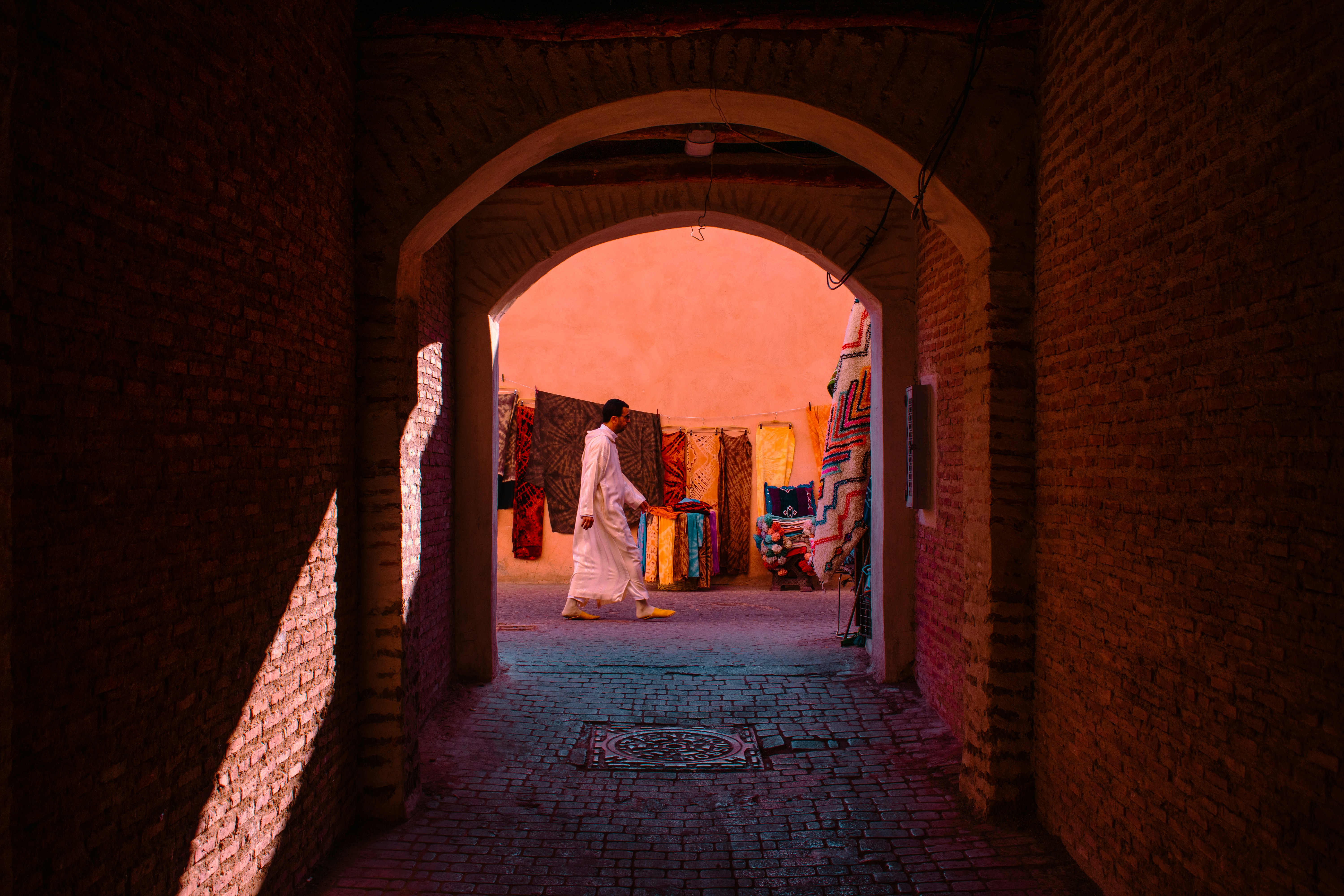
Morocco’s appeal lies in contrast: sunrise over the Erg Chebbi dunes, sunset calls to prayer in Fez, café-hopping in Casablanca, and surf breaks in Essaouira—all within a single trip. Compared to destinations like Japan and Thailand, Morocco feels more compact yet incredibly diverse: you can move from Atlantic coast to High Atlas mountains in a few hours by road.
As of 2026, tourism infrastructure continues to improve, with better highways, more budget-friendly guesthouses, and growing digital connectivity supported by Hello eSIM. You can now land in Marrakech, activate your Hello eSIM data within minutes, and navigate medinas, book transport, and split expenses with friends in the Hello app—making the country much easier to explore independently.
Morocco is also a great value destination. Daily costs remain lower than in Western Europe: budget travellers can get by on roughly US$35–50 per day, while mid-range comfort sits around US$70–120 and luxury stays go upward from there, detailed in the Morocco Travel Budget Guide: Daily Costs and Money Tips.
If you’re wondering how to fit Morocco into a short or extended holiday, start with our itineraries—3 Days in Morocco, Morocco in 5 Days, and Morocco in 10 Days—then use this pillar guide to fine-tune your budget, transport, and connectivity plans.
Morocco Travel Budget Guide: Daily Costs and Money Tips
Itineraries3 Days in Morocco: A Day-by-Day Itinerary
ItinerariesMorocco in 5 Days: The Perfect Extended Itinerary
ItinerariesMorocco in 10 Days: The Ultimate Travel Itinerary
Cultural GuideMorocco Cultural Guide: Etiquette, Customs, and Tips
Best Time to Visit Morocco: Seasons & Weather
The best time to visit Morocco in 2026 is generally spring (March–May) and autumn (September–November), when temperatures are mild, skies are clear, and crowds and prices sit in a comfortable middle range.
Morocco spans coastal, mountain, and desert climates, so “best time” depends on your priorities. Spring brings green valleys and blooming countryside, ideal for hiking in the Atlas and city sightseeing without the intense heat. Autumn offers warm days and cooler nights, great for desert tours and city stays.
Summer (June–August) can be very hot inland—daytime highs in Marrakech and Fez often exceed 35°C—but coastal cities like Essaouira and Tangier stay cooler and breezy. Winter (December–February) is cooler and sometimes rainy on the coast, cold in the mountains (with snow on high passes), and surprisingly pleasant in the desert during the day, though nights can drop close to freezing.
Use this quick comparison to decide:
| Season (2026) | Typical Weather | Best For | Watch Out For |
|---|---|---|---|
| Spring (Mar–May) | 18–26°C, mild | Cities, Atlas hikes | Easter & Ramadan crowds |
| Summer (Jun–Aug) | 25–40°C, hot inland | Coasts, short city breaks | Heat waves, higher prices in August |
| Autumn (Sep–Nov) | 18–28°C, stable | Desert tours, mixed itineraries | Occasional storms in Nov |
| Winter (Dec–Feb) | 10–18°C cities, colder mountains | Budget travel, city culture | Mountain snow, cool nights in desert |
When planning, pair this seasonal overview with your time frame: our 3 Days in Morocco, 5-Day, and 10-Day itineraries include seasonal tips on what to prioritize and what to skip if weather or daylight hours are limited.
Budget Overview: How Much Does Morocco Cost in 2026?
Morocco remains an excellent-value destination in 2026, with daily budgets starting around US$35–50 for backpackers, US$70–120 for mid-range travellers, and US$150+ for luxury experiences, depending on your itinerary and travel style.
Our Morocco Travel Budget Guide: Daily Costs and Money Tips breaks down typical expenses—accommodation, food, transport, activities—by travel tier. Here’s a synthesized at-a-glance table to help you decide where you sit:
| Travel Style (2026) | Daily Budget (per person) | Typical Accommodation | Food Style | Notes |
|---|---|---|---|---|
| Budget | US$35–50 | Hostel bed, simple guesthouse | Street food, local cafés | Cook occasionally, shared taxis |
| Mid-range | US$70–120 | Comfortable riad, boutique hotel | Mix of local restaurants & some fine dining | Private rooms, guided day trips |
| Luxury | US$150–250+ | High-end riad/hotel, desert camps | Gourmet dining, curated experiences | Private drivers, spa, premium tours |
As of 2026, card acceptance is good in cities for hotels and many restaurants, but cash (Moroccan dirham) is still essential in markets, small cafés, and rural areas. Our Morocco Currency & Money Guide explains how to withdraw dirhams, where to exchange money, and how to avoid high-fee ATMs.
To track spending and split expenses with friends, use the Hello app’s built-in budgeting and expense splitting tools. Combined with our budget guide, this makes it much easier to stay on target without checking every receipt.
If your trip is short and activity-heavy—like our 3-Day or 5-Day itineraries—plan toward the higher end of your travel style’s range; longer, slower trips can often drop your daily average.
Morocco Travel Budget Guide: Daily Costs and Money Tips
Currency & MoneyMorocco Currency & Money Guide: Exchange, Cards, and Tips
Itineraries3 Days in Morocco: A Day-by-Day Itinerary
ItinerariesMorocco in 5 Days: The Perfect Extended Itinerary
ItinerariesMorocco in 10 Days: The Ultimate Travel Itinerary
Visa & Entry Requirements: What You Need in 2026
In 2026, many nationalities can visit Morocco visa-free for short stays, but entry rules vary by passport and can change, so always check the latest requirements and your passport’s validity before you fly.
For Singapore citizens, our dedicated Morocco Visa & Entry Requirements for Singapore Passport Holders details current visa-free durations, passport validity rules (usually at least six months beyond entry date is recommended), and customs allowances. Even if you’re not from Singapore, use it as a template for what to verify with your local Moroccan embassy or consulate.
Typical entry requirements include:
- A passport with sufficient validity (commonly 3–6 months beyond arrival)
- Proof of onward or return travel
- In some cases, proof of accommodation or an invitation letter
- Sufficient funds for your stay
On arrival, you’ll pass through immigration and customs. Keep your passport, boarding pass, and accommodation confirmation handy. If you’re carrying large amounts of cash or professional equipment, review the customs section in the visa guide for allowances and declaration rules.
To streamline arrival, consider activating your Hello eSIM before landing so you can immediately access important documents, confirm your hotel, or message local contacts while in the airport. Our Morocco Safety Guide: Tips for a Safe Trip also covers why having mobile data from the moment you land is helpful—especially for navigation, emergency contacts, and insurance support.
Because 2026 regulations may adjust due to regional events or policy updates, plan to re-check official sources 1–2 weeks before departure.
Getting Around: Transport & Travel Logistics
Getting around Morocco in 2026 is easier than ever, with trains, buses, shared taxis, and domestic flights connecting major cities—and Hello eSIM helping you navigate schedules, bookings, and ride-hailing on the go.
Our Getting Around Morocco: Transport Guide for Travellers explains each option in detail, from airport transfers to inter-city travel. At a high level, think of transport in three layers:
- City transport: In Marrakech, Casablanca, and Rabat, you’ll rely on petit taxis, occasional trams or buses, and walking through medinas. Ride-hailing apps operate in some cities, but taxis remain the norm.
- Inter-city travel: Trains connect major routes like Casablanca–Rabat–Fez, while buses and shared grand taxis cover routes to smaller towns and desert gateways. Domestic flights link distant points if you’re short on time.
- Tours & drivers: For desert trips or multi-stop Atlas itineraries, organized tours or private drivers are often the most efficient.
Here’s a simple decision framework:
| Route Type | Best Option (2026) | Why |
|---|---|---|
| Major cities (Casablanca–Rabat–Fez) | Train | Comfortable, reliable, clear timetables |
| City to desert (e.g., Marrakech–Merzouga) | Tour or bus + transfer | Long distances, complex connections |
| Short urban hops | Petit taxi or walking | Cheap, flexible, medina-friendly |
Use the Hello app plus Hello eSIM data to check departure times, book tickets where digital sales exist, and share live locations with travel companions. Our Morocco in 5 Days and Morocco in 10 Days itineraries show concrete transport combinations day-by-day, making it easier to copy or adapt routes to your own trip.
Food & Dining: What to Eat and How Much It Costs
Moroccan food in 2026 is still one of the country’s biggest joys: think slow-cooked tagines, fluffy couscous, grilled meats, and sweet pastries—at prices generally lower than many European destinations.
Our Morocco Food Guide: Must-Try Dishes, Prices, and Tips dives deep into specific dishes, street food, restaurant types, and dietary options. At a glance, expect:
- Breakfasts with bread, jams, olive oil, cheese, and mint tea or coffee.
- Tagines (lamb, chicken, vegetable) as core mains.
- Couscous, often served on Fridays.
- Pastilla, a sweet-savoury pastry, in some cities.
In 2026, typical price ranges in major cities are roughly:
| Food Type | Price Range (per person) | Notes |
|---|---|---|
| Street food snack | US$1–3 | Sandwiches, pastries, fresh juice |
| Simple local meal | US$4–8 | Tagine or couscous in a basic restaurant |
| Mid-range sit-down | US$10–20 | Starter, main, drink in a nicer venue |
| Upscale dining | US$25–40+ | Multi-course meals, rooftop or riad restaurants |
Vegetarian travellers can find plenty of vegetable tagines, lentil dishes, and salads. Vegan options exist but may require more planning; the food guide shares ordering phrases and suggestions. If you follow halal or other religious dietary rules, Morocco is generally straightforward, but again, our guide gives specifics.
Use Hello eSIM to quickly check restaurant reviews, find local favourites, and navigate medina alleys—especially in complex cities like Fez and Marrakech. And if you’re tracking a food-focused budget, align your expectations with the ranges in both the food and Morocco Travel Budget Guide so you can decide when to splurge on rooftop dinners and when to keep things simple.
Top Experiences & Sample Itineraries
Morocco’s top experiences in 2026 span medinas, mountains, coast, and desert—so the best itinerary depends on whether you’re most excited by culture, landscapes, or a bit of everything.
Our itinerary cluster—3 Days in Morocco, Morocco in 5 Days, and Morocco in 10 Days—offers day-by-day plans with costs and transport tips. This section helps you choose quickly:
If you have 3 days: Focus on one city, usually Marrakech, plus a half- or full-day trip to the Atlas or nearby sights. Great for a long weekend or a stopover combined with another trip to Spain or Portugal.
If you have 5 days: Combine two hubs—Marrakech + desert, or Marrakech + coastal town like Essaouira—for a blend of culture and nature.
If you have 10 days: Go multi-city: Marrakech, Fez, desert, and perhaps Chefchaouen or Casablanca for a fuller view of the country.
Here’s a simple experience selector:
- Culture-first travellers: Prioritize Fez, Marrakech, and smaller towns; lean on medinas, museums, and souks.
- Nature & adventure: Add Sahara desert tours, Atlas hikes, and coastal surfing.
- Relaxation: Focus on charming riads, hammams, and slow days in Essaouira.
Hello eSIM supports these itineraries by giving you live navigation, the ability to message guides and drivers, and instant access to your bookings. Use our itineraries as a backbone, then customize based on your preferred pace and budget.
Staying Connected: Hello eSIM & Online Access
In 2026, the easiest way to stay connected in Morocco is to use Hello eSIM, giving you instant mobile data on arrival, with no physical SIM swap and coverage across major cities and many rural areas.
Our eSIM for Morocco: Best Plans, Coverage, and Setup Tips explains how Hello eSIM works in Morocco, including which data plans best suit short city breaks versus longer multi-city trips. With Hello eSIM, you can:
- Activate data before or right after landing.
- Use maps to navigate medinas and find your riad.
- Message guides, drivers, and travel companions.
- Track expenses and budgets in the Hello app.
Here’s a simple planning table:
| Trip Type (2026) | Suggested Hello eSIM Data | Why |
|---|---|---|
| 3-day city break | Small data pack (3–5 GB) | Primarily maps, messaging, light social media |
| 5–7 days multi-city | Medium pack (10–15 GB) | Navigation, restaurant research, occasional streaming |
| 10+ days, remote areas | Larger pack (20 GB+) | Added usage plus overhead for offline maps downloads |
Hello eSIM is particularly useful for safety: our Morocco Safety Guide highlights the importance of having data to check taxi routes, avoid common scams, and access emergency contacts. Unlike relying solely on hotel Wi-Fi, Hello eSIM keeps you online during transfers, day trips, and desert tours (where coverage exists).
If you’re used to using mobile data while travelling in Japan or Thailand, Hello eSIM offers a similar experience in Morocco—just with the added benefit of integration into the Hello app’s trip planning and expense tools.
Safety, Health & Cultural Etiquette
Morocco is generally safe for travellers in 2026, especially in main tourist areas, but you’ll have a smoother trip if you understand local etiquette, stay aware of petty crime, and prepare basic health and insurance arrangements.
Our Morocco Safety Guide: Tips for a Safe Trip covers common scams (like overcharging or aggressive guiding), emergency contacts, and travel insurance advice. Pair it with the Morocco Cultural Guide: Etiquette, Customs, and Tips to learn greeting customs, dress norms, and useful phrases.
Key points:
- Petty crime: Pickpocketing and bag snatching can occur in crowded medinas. Keep valuables close, use cross-body bags, and avoid flashing expensive gear.
- Guides & “helpers”: Be cautious of unofficial guides offering unsolicited help. Agree on prices before tours, and don’t feel obliged to follow anyone you’re uncomfortable with.
- Health basics: Tap water may not always be suitable; many travellers prefer bottled water. Pack basic medicines and check your insurance coverage.
Culturally, Morocco is warm but conservative in many areas. Dress modestly in medinas and rural towns, especially away from tourist resorts. Learn simple phrases in Moroccan Arabic or French—our cultural guide lists them—to show respect and ease interactions.
Hello eSIM contributes to safety by enabling real-time navigation, quick calls to accommodations or local contacts, and access to online reviews and emergency numbers. If something feels off, having data lets you verify routes, prices, and services immediately.
Compared with trips to Thailand or Japan, expect slightly more persistent touts in tourist hotspots, but also genuinely hospitable locals once you understand and respect local norms.
Money, Currency & Paying in Morocco
In 2026, Morocco remains a largely cash-oriented society outside major hotels and restaurants, so understanding the Moroccan dirham and how to handle money is essential for a smooth trip.
Our Morocco Currency & Money Guide: Exchange, Cards, and Tips explains the basics: the local currency is the Moroccan dirham (MAD), ATMs are widely available in cities, and credit/debit cards are accepted in many mid- to high-end establishments but less so in markets and small cafés.
Key points:
- Carry small bills and coins for taxis, street food, and tips.
- Use ATMs attached to reputable banks where possible.
- Keep some emergency cash separate from daily spending money.
Thinking through payment habits:
| Scenario (2026) | Recommended Payment Method | Why |
|---|---|---|
| Riad/hotel stay | Card or cash | Cards widely accepted; cash sometimes needed in smaller riads |
| Souks & markets | Cash (MAD) | Negotiation and small purchases are cash-based |
| Restaurants & cafés | Mix of card and cash | Depends on venue; always check before ordering |
| Transport (taxis, buses) | Cash | Fare agreements and tickets are typically cash-only |
To avoid overspending, combine the guidance from the currency guide with the Morocco Travel Budget Guide. Use the Hello app to log purchases daily; you’ll quickly see if food, shopping, or transport is pushing you above your target.
While exchange booths exist at airports and tourist areas, better rates are often found in city ATMs. As of 2026, digital wallets are slowly expanding, but don’t rely on them—cash and cards remain your core tools.
Before You Go: Pre-Trip Checklist for Morocco 2026
A smart pre-trip checklist for Morocco in 2026 covers documents, money, connectivity, health, and cultural prep—helping you avoid last-minute stress and enjoy your first mint tea in peace.
Use this as your core list, then cross-reference with our detailed guides:
Documents & bookings
- Check latest entry rules and any visa needs; see Morocco Visa & Entry Requirements for Singapore Passport Holders as a template.
- Confirm passport validity (ideally 6+ months beyond arrival).
- Book at least your first 1–2 nights in a reputable riad or hotel.
Money & budget
- Decide your daily budget using the Morocco Travel Budget Guide.
- Inform your bank of travel dates, and check card foreign transaction fees.
- Plan initial cash access: ATM, small exchange at airport, or both; review the Morocco Currency & Money Guide.
Connectivity & safety
- Purchase and set up Hello eSIM using the eSIM for Morocco: Best Plans, Coverage, and Setup Tips.
- Save key contacts and offline maps; read the Morocco Safety Guide.
Culture & packing
- Review the Morocco Cultural Guide for dress norms and basic phrases.
- Pack modest, breathable clothes, a light jacket for evenings, and comfortable walking shoes.
- Add small items: universal adapter, sunscreen, hat, basic medicines.
Finally, choose your rough route using our 3-Day, 5-Day, or 10-Day itineraries, then load everything into the Hello app’s trip planner so your bookings, budgets, and notes live in one place.
Morocco Visa & Entry Requirements for Singapore Passport Holders
Budget PlanningMorocco Travel Budget Guide: Daily Costs and Money Tips
Currency & MoneyMorocco Currency & Money Guide: Exchange, Cards, and Tips
eSIM & ConnectivityeSIM for Morocco: Best Plans, Coverage, and Setup Tips
Safety & HealthMorocco Safety Guide: Tips for a Safe Trip
Cultural GuideMorocco Cultural Guide: Etiquette, Customs, and Tips
Itineraries3 Days in Morocco: A Day-by-Day Itinerary
ItinerariesMorocco in 5 Days: The Perfect Extended Itinerary
ItinerariesMorocco in 10 Days: The Ultimate Travel Itinerary
Frequently Asked Questions
Is Morocco safe to visit in 2026?
Yes, Morocco is generally safe for tourists in 2026, especially in main cities and established tourist routes. As with any destination, you should stay aware of petty crime in crowded areas, use reputable transport and guides, and have travel insurance. Our Morocco Safety Guide: Tips for a Safe Trip outlines common scams, emergency contacts, and practical safety strategies. Hello eSIM also helps you stay connected for navigation, quick checks on routes and prices, and contacting accommodations or local support when needed.
How many days do I need for a good Morocco trip?
You can get a great taste of Morocco in as little as 3 days by focusing on one city like Marrakech plus a nearby day trip, using our 3 Days in Morocco: A Day-by-Day Itinerary. For a richer experience, 5 days lets you combine two hubs, while 10 days allows a classic loop including Marrakech, Fez, the desert, and perhaps Chefchaouen. See Morocco in 5 Days: The Perfect Extended Itinerary and Morocco in 10 Days: The Ultimate Travel Itinerary for detailed daily plans.
What is a realistic daily budget for Morocco in 2026?
As of 2026, budget travellers can usually get by on around US$35–50 per day, mid-range travellers on roughly US$70–120, and luxury travellers on US$150+ per day, depending on accommodation, activities, and itinerary. Our Morocco Travel Budget Guide: Daily Costs and Money Tips breaks down these ranges by category and provides sample budgets. You can track your spending and share costs with friends using the Hello app’s budgeting and expense splitting tools.
Do I need an eSIM or local SIM card in Morocco?
An eSIM is the most convenient option for staying connected in Morocco in 2026. Hello eSIM lets you activate data quickly, without searching for local SIM shops or swapping physical cards. With Hello eSIM, you can use maps, book transport, message guides, and manage expenses in the Hello app. The eSIM for Morocco: Best Plans, Coverage, and Setup Tips article explains recommended data packages, coverage, and step-by-step setup for Hello eSIM in Morocco.
What should I wear in Morocco?
Morocco is culturally conservative in many areas but used to tourists, so the key is comfortable, modest dress—especially in medinas and rural regions. Lightweight, breathable clothing that covers shoulders and knees is a good baseline, with layers for cooler evenings and mountain or desert temperatures. Our Morocco Cultural Guide: Etiquette, Customs, and Tips provides more detailed dress guidance for different contexts, along with useful phrases to help you navigate local norms respectfully.
Can I use credit cards, or is Morocco cash-only?
In 2026, Morocco is still quite cash-based, but cards are accepted in many hotels, mid-range and upscale restaurants, and some shops in major cities. Markets, small cafés, and most taxis expect cash (Moroccan dirhams). Our Morocco Currency & Money Guide: Exchange, Cards, and Tips explains where you can rely on cards, how to handle ATMs and currency exchange, and tips for carrying and budgeting cash effectively.
What’s the best time of year to visit Morocco?
Spring (March–May) and autumn (September–November) are usually the best times to visit Morocco, thanks to milder temperatures, good conditions for city sightseeing and hiking, and a balance of crowds and prices. Summer can be hot inland but more comfortable on the coast, while winter offers cooler weather and lower prices but can be cold at night in the desert and mountains. Use this pillar guide alongside our itineraries to match your travel dates with your preferred activities.
eSIM Plans for Morocco
Detailed Articles
Dive deeper into specific topics covered in this guide.
Morocco Travel Budget Guide: Daily Costs and Money Tips
How much does it cost to travel in Morocco? Daily budget breakdowns for budget, mid-range, and luxury travellers.
27 February 2026
3 Days in Morocco: A Day-by-Day Itinerary
A detailed 3-day itinerary for Morocco with daily activities, costs, neighborhoods, and transport tips.
13 June 2026
Morocco in 5 Days: The Perfect Extended Itinerary
A detailed 5-day itinerary for Morocco with daily activities, costs, neighborhoods, and transport tips for an extended stay.
8 May 2026
Morocco in 10 Days: The Ultimate Travel Itinerary
A comprehensive 10-day itinerary for Morocco covering top attractions, hidden gems, daily costs, and transport between cities.
22 June 2026
Morocco Cultural Guide: Etiquette, Customs, and Tips
Essential do's and don'ts, greeting customs, dress codes, local phrases, and cultural tips for Morocco.
5 June 2026
Morocco Currency & Money Guide: Exchange, Cards, and Tips
Currency exchange, credit card acceptance, ATM tips, tipping culture, and money-saving advice for Morocco.
26 March 2026
Morocco Visa & Entry Requirements for Singapore Passport Holders
Visa requirements, passport validity, customs allowances, and entry tips for Singapore citizens travelling to Morocco.
11 July 2026
Morocco Safety Guide: Tips for a Safe Trip
Safety tips, health advisories, emergency contacts, common scams, and travel insurance advice for Morocco.
20 July 2026
More Travel Guides
Destination Guide
Complete Azores Travel Guide 2026
Everything you need to know about travelling to Azores — budget, visa, food, transport, eSIM connectivity, and itineraries.
Destination Guide
Complete Madeira Travel Guide 2026
Everything you need to know about travelling to Madeira — budget, visa, food, transport, eSIM connectivity, and itineraries.
Destination Guide
Complete Canary Islands Travel Guide 2026
Everything you need to know about travelling to Canary Islands — budget, visa, food, transport, eSIM connectivity, and itineraries.
Destination Guide
Complete Puerto Rico Travel Guide 2026
Everything you need to know about travelling to Puerto Rico — budget, visa, food, transport, eSIM connectivity, and itineraries.