Morocco Travel Budget Guide: Daily Costs and Money Tips
How much does it cost to travel in Morocco? Daily budget breakdowns for budget, mid-range, and luxury travellers.
By Hello Travel Team
This article contains affiliate links. If you book through them, Hello may earn a commission at no additional cost to you. Our editorial recommendations are independent. Learn more.
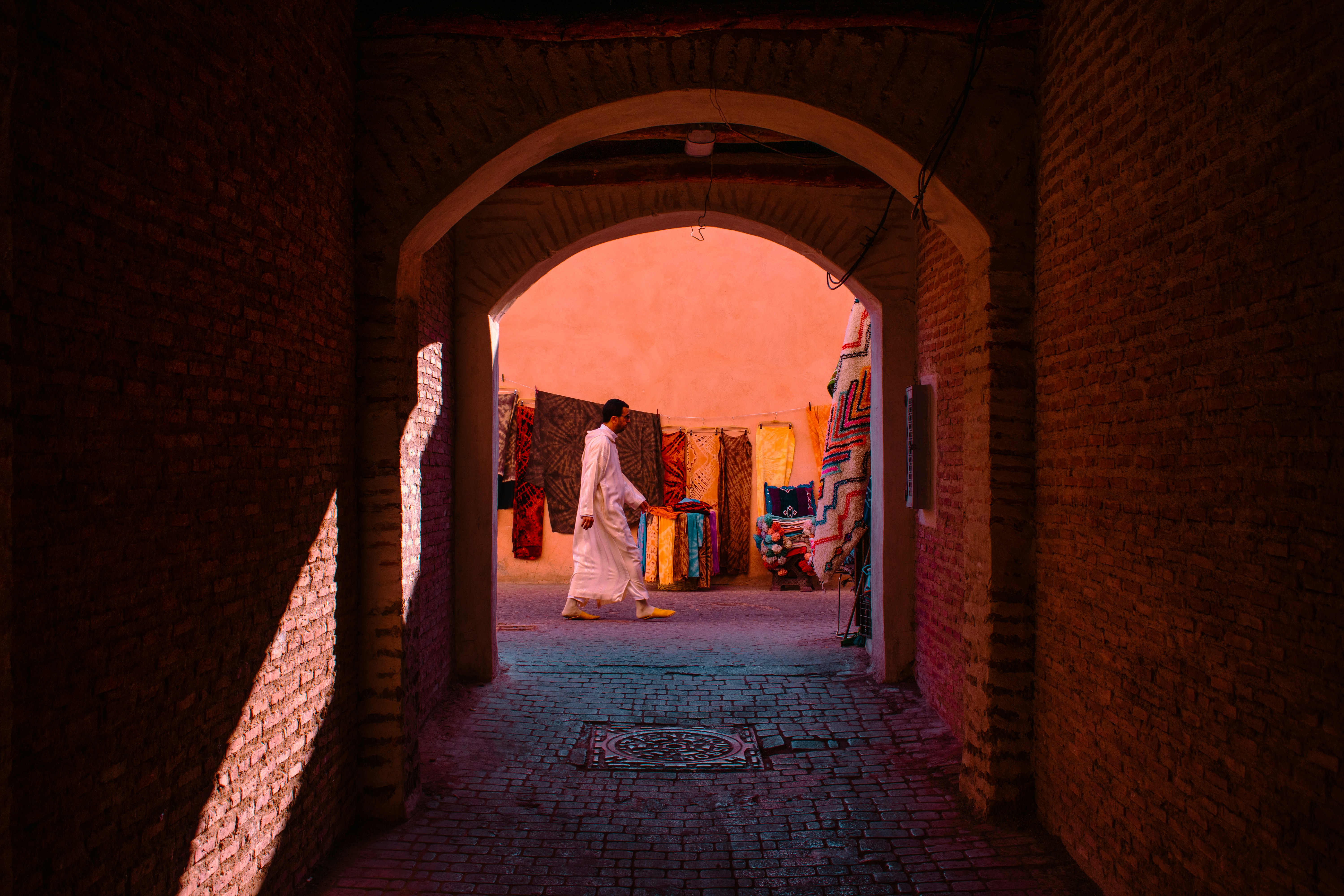
TL;DR: Morocco Travel Cost at a Glance
Morocco is one of the best-value destinations in North Africa, with most travellers spending about 300–500 MAD ($30–50) per day on a budget, 800–1,500 MAD ($80–150) mid-range, and 2,000+ MAD ($200+) for luxury travel, depending on cities, season, and activities. If you’re asking how much Morocco trip cost overall, a smart daily budget is usually the easiest way to plan. Morocco’s main value comes from affordable street food, low-cost taxis, and a wide range of riads, while desert tours and private drivers can push costs up quickly.
Morocco Travel Budget Guide: Budget, Mid-Range, and Luxury Daily Costs
A realistic Morocco travel budget depends on your travel style, but daily costs are usually easy to predict once you split out accommodation, food, transport, and activities. Budget travellers can manage on 300–500 MAD ($30–50) a day, mid-range travellers should plan for 800–1,500 MAD ($80–150), and luxury travellers often spend 2,000 MAD ($200+) daily, especially if they book premium riads or private desert experiences. Travel budget guides for Morocco consistently show the same pattern: basic trips stay affordable, while comfort and exclusivity raise the total fast.
| Travel style | Daily budget | Typical experience |
|---|---|---|
| Budget | 300–500 MAD ($30–50) | Dorms, street food, buses, free or low-cost sights |
| Mid-range | 800–1,500 MAD ($80–150) | Private riads, mix of local and tourist restaurants, some tours |
| Luxury | 2,000+ MAD ($200+) | Upscale riads, private drivers, fine dining, premium desert camps |
In places like Marrakech, Fes, and Chefchaouen, your room rate usually decides the budget more than meals do. If you’re planning a route with multiple cities, it helps to track spending daily in the Hello app so transport, meals, and shopping don’t drift beyond your plan.
Morocco Daily Expenses Breakdown: Where Your Money Goes
Most travellers spend the biggest share of their Morocco daily expenses on accommodation, then activities or transport if they move between cities often. A backpacker can still keep costs low by using hostel dorms from about 50–110 MAD ($5–11), simple meals around 40 MAD ($4), and petit taxis in the 20–50 MAD ($2–5) range for short city hops. Mid-range travellers usually pay more for privacy and atmosphere, especially in a traditional riad.
| Expense category | Budget | Mid-range | Luxury |
|---|---|---|---|
| Accommodation | 50–150 MAD | 400–900 MAD | 1,500+ MAD |
| Food & drinks | 80–150 MAD | 250–450 MAD | 600+ MAD |
| Local transport | 20–60 MAD | 80–200 MAD | 300+ MAD |
| Activities & entry fees | 50–150 MAD | 150–400 MAD | 700+ MAD |
A realistic day in Marrakech might look like this: dorm bed, tagine at a Jemaa el-Fna stall, a few taxi rides, and a museum entry ticket. A luxury day could include a courtyard riad, hammam treatment, private guide, and dinner in a rooftop restaurant. If you’re arriving with a Hello eSIM, you can book rides, maps, and restaurant reservations immediately without hunting for Wi‑Fi.
Accommodation, Food, and Transport Costs in Morocco by Travel Style
Your Morocco travel cost changes most sharply with accommodation, while food and local transport stay relatively inexpensive. Budget travellers usually find hostels and simple guesthouses around 50–110 MAD for a dorm bed, while mid-range riads often start around 300–900 MAD depending on city and season. Luxury riads and hotels can easily move above 1,500 MAD per night, especially in Marrakech, Essaouira, and desert gateway towns.
Food is a strong value point. Street food and casual cafes can keep you fed for 40–80 MAD per meal, while a nicer sit-down dinner may cost 120–250 MAD. In touristy medinas, prices are often higher near major squares and popular rooftop spots. For transport, petit taxis are ideal for short city trips, while buses and shared grand taxis work well between towns if you’re careful with schedules and fare expectations.
For practical planning, a mid-range couple spending 1,200 MAD per day could comfortably cover a central riad, three meals, taxis, and one paid activity. That same couple could spend much less in smaller towns like Chefchaouen or Meknes. The Hello app’s budget tracking is especially useful here because Morocco’s costs can fluctuate day by day depending on whether you’re moving, touring, or relaxing.
Common Questions About Morocco Trip Costs
Most travellers can estimate a Morocco trip cost by multiplying their daily budget by the number of days, then adding a buffer for tours, shopping, and intercity transport. Here are the questions people usually ask when planning a first trip.
How much does Morocco cost per day? Budget travellers can get by on 300–500 MAD ($30–50), mid-range travellers often spend 800–1,500 MAD ($80–150), and luxury travellers usually need 2,000 MAD ($200+) per day.
Is Morocco cheap to travel in 2026? Yes, especially compared with many European destinations. Morocco remains affordable for meals, taxis, and basic accommodation, but desert excursions, private transfers, and upscale riads can raise the total quickly.
What’s the best way to budget for a 1-week Morocco trip? A solo budget traveller might plan around 2,100–3,500 MAD for seven days, while a mid-range traveller could expect 5,600–10,500 MAD before flights. Add extra if you want a Sahara tour or intercity train travel.
Can I manage money easily while moving around Morocco? Yes, but it helps to keep notes in real time. Hello’s expense splitting and multi-currency budget tracking are useful if you’re travelling with friends and paying for taxis, meals, or riads together.
Money Tips for Morocco: Save More Without Missing Out
The easiest way to save money in Morocco is to book smart, eat like a local, and keep a small cash buffer for medina purchases and taxis. Use cash for many small expenses, because not every cafe, market stall, or driver accepts cards. It also helps to agree on taxi fares before short rides when the meter isn’t used, especially in busy medinas.
A few practical ways to lower your daily spend:
- Stay in riads or guesthouses slightly outside the busiest squares.
- Choose set-lunch menus and local cafes instead of tourist-facing rooftop dining every meal.
- Use trains or shared transport between major cities when possible.
- Bundle activities, such as one guided medina tour instead of multiple paid mini-experiences.
- Keep a daily record of spending so you notice small leaks early.
Connectivity matters too, especially if you rely on maps, booking apps, or ride-hailing alternatives while navigating narrow streets. A Hello eSIM for Morocco can help you stay online from arrival, which is useful when you need directions, translation, or instant access to reservations. For travellers building a full plan, the Morocco destination page and the eSIM plans page are the best places to start.
Explore These Destinations
Stay Connected
Book this trip
Compare options on trusted travel sites
Plan flights for this trip
Continue to a reviewed booking partner to check current routes, fares, and terms.

Track your Morocco trip budget
Split expenses with friends, track spending by category, and see real-time currency conversions — all in one app.
Related Articles
Morocco Safety Guide: Tips for a Safe Trip
Safety tips, health advisories, emergency contacts, common scams, and travel insurance advice for Morocco.
20 July 2026
Morocco Visa & Entry Requirements for Singapore Passport Holders
Visa requirements, passport validity, customs allowances, and entry tips for Singapore citizens travelling to Morocco.
11 July 2026
eSIM for Morocco: Best Plans, Coverage, and Setup Tips
Everything you need to know about using eSIM in Morocco. Best data plans, network coverage, and setup instructions.
2 July 2026