Morocco Safety Guide: Tips for a Safe Trip
Safety tips, health advisories, emergency contacts, common scams, and travel insurance advice for Morocco.
By Hello Travel Team
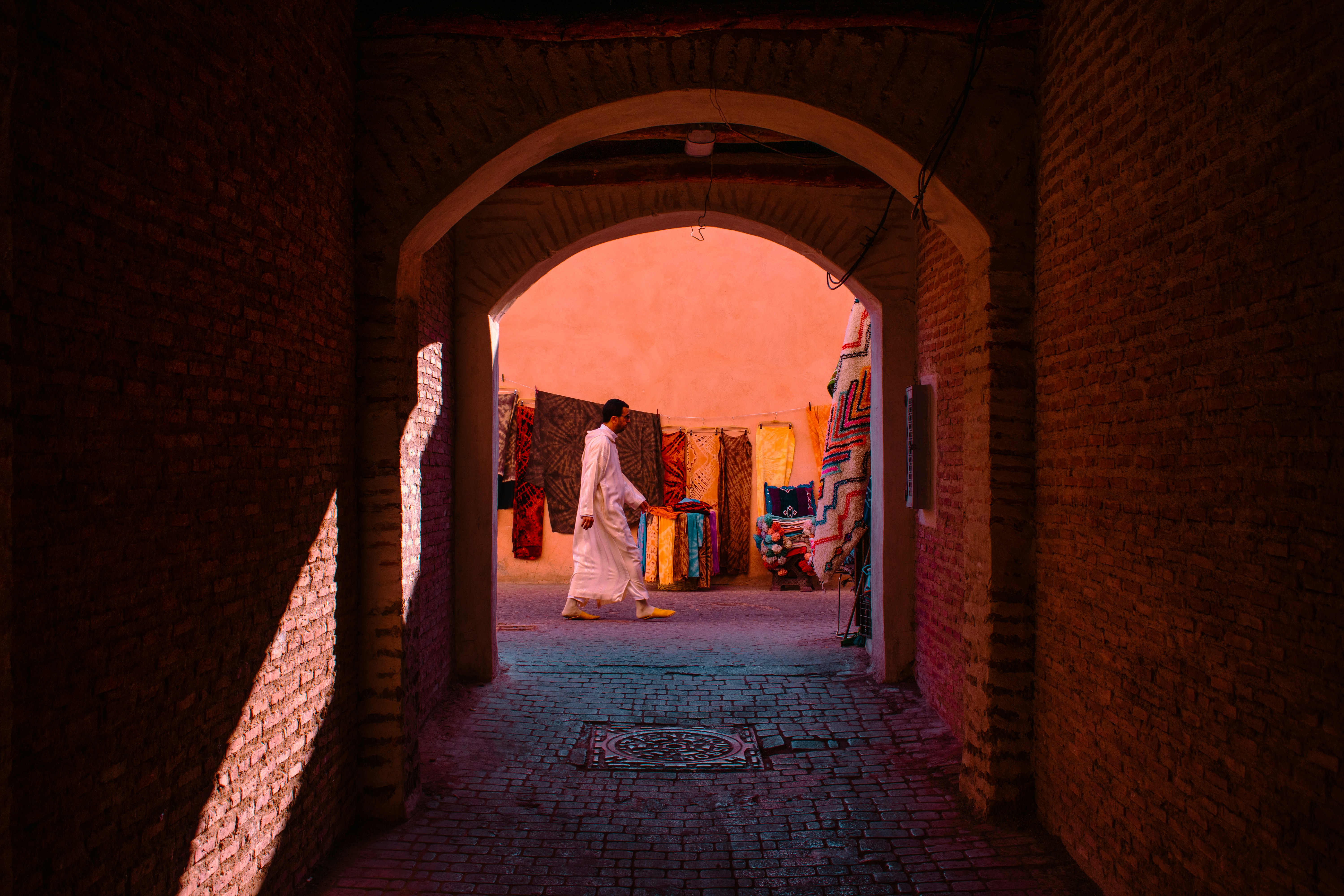
TL;DR: Is Morocco Safe for Tourists?
Morocco is generally safe for tourists who use normal precautions, but petty theft, tourist scams, road risks, and occasional political or security incidents deserve attention. The country’s busiest destinations—including Marrakech, Fez, Casablanca, Rabat, Essaouira, and Agadir—welcome large numbers of visitors, while official guidance recommends staying alert in medinas, avoiding demonstrations, and taking extra care at night.
For a safer trip, keep valuables concealed, use registered guides and official taxis, confirm prices before accepting services, drink treated or bottled water if unsure, and purchase comprehensive travel insurance with medical evacuation. Save Morocco emergency numbers before departure: 19 for urban police, 177 for the Gendarmerie Royale outside cities, and 15 for ambulance and fire services. The universal mobile number 112 may also connect callers to emergency assistance. Singapore travellers should register their trip with Singapore’s Ministry of Foreign Affairs and review its Morocco advisory before departure. Singapore’s Ministry of Foreign Affairs advises travellers to remain vigilant and verify suspicious requests for money.
Morocco Travel Safety: Crime, Areas, and Everyday Precautions
The main day-to-day safety concern in Morocco is opportunistic petty crime rather than violent crime, particularly in crowded medinas, markets, transport hubs, beaches, and busy squares. Keep phones and wallets out of sight, use a zipped cross-body bag, and carry only the cash needed for the day. Avoid displaying expensive watches, cameras, or jewellery, especially when moving through Marrakech’s Jemaa el-Fnaa, Fez’s old city, or Casablanca’s crowded tram and train areas.
Walking alone after dark is best limited to well-lit, busy streets. Use hotel-arranged transport when arriving late, and confirm the vehicle and driver before entering. Roads can be a greater practical risk than crime: traffic is busy, scooters move quickly through narrow medinas, and pedestrians should use marked crossings where available. In rural areas and the Atlas Mountains, weather, limited lighting, and long distances can complicate travel.
Avoid demonstrations, large unscheduled gatherings, and football crowds. Keep copies of your passport, flight details, insurance policy, and prescriptions in secure digital storage. Hello’s app can help you plan routes, track spending, and record expenses in Moroccan dirhams and other currencies. An eSIM from Hello for Morocco also lets you arrive with mobile data for maps, translation, hotel contact, and emergency calls where supported.
Morocco Scams and How to Avoid Them
Most Morocco scams are predictable and avoidable: agree on the price, refuse unsolicited help, and never allow anyone to pressure you into a purchase or service. In medinas, an unofficial guide may claim a road or attraction is closed and offer to lead you elsewhere. Politely decline and continue to the official entrance, or ask your riad to arrange a licensed guide. Verify guide credentials before starting a tour.
Common scams include taxi drivers refusing the meter, inflated prices for short journeys, a hotel supposedly being “closed,” unsolicited henna or animal-photo services, and shopkeepers offering tea before applying intense sales pressure. Agree on taxi fares before entering if a meter is unavailable, request the meter in a petit taxi, and keep small notes for payment. In markets, ask the price and currency clearly before accepting food, photographs, henna, or assistance.
| Common scam | Warning sign | Safer response |
|---|---|---|
| Fake guide | Someone says a site is closed | Decline and use the official entrance |
| Taxi overcharge | No meter or vague fare | Agree beforehand or request the meter |
| Henna or photo fee | A service starts without consent | Say no and keep hands and belongings close |
| Shop pressure | “Free” tea becomes a sales pitch | Thank the seller and leave if uncomfortable |
| Fake hotel directions | Driver insists your accommodation moved | Call the hotel using a saved number |
Never hand over your passport as security for a purchase, and report serious fraud or theft to local police.
Morocco Emergency Numbers, Singapore Consular Help, and Connectivity
Save emergency contacts before travelling because Morocco’s numbers vary by location and service. In urban areas, dial 19 for police; outside cities, contact the Gendarmerie Royale on 177. Dial 15 for ambulance or fire services, and try 112 from a mobile phone if you cannot reach the appropriate service. Operators may not always speak fluent English, so keep your location, hotel address, and a nearby landmark written in French or Arabic.
Singapore does not maintain a resident embassy in Morocco. Singapore citizens should consult the Ministry of Foreign Affairs for the latest consular arrangements and contact details before departure; assistance may involve Singapore’s diplomatic missions accredited to Morocco or other designated channels. Register your itinerary with MFA, keep family members informed, and report a lost passport promptly. For urgent help, contact local police first, then your insurer and Singapore’s consular officials.
Before leaving home, save your accommodation’s phone number, airline details, insurance hotline, and a trusted contact. Hello’s app can provide an eSIM for mobile data in Morocco, helping you access maps, translation tools, hotel messaging, and emergency information without relying solely on public Wi-Fi. Activate Hello eSIM for Morocco before departure so your phone can connect soon after landing, subject to device and network compatibility.
Morocco Health Advisories, Vaccinations, Food, and Water Safety
Most travellers can visit Morocco safely with routine vaccinations, food-and-water precautions, and medical advice obtained at least four weeks before departure. The CDC recommends that international travellers be up to date with measles, mumps, and rubella vaccination and recommends hepatitis A vaccination for unvaccinated travellers visiting Morocco. Depending on your itinerary, a clinician may also discuss typhoid, hepatitis B, rabies, tetanus, and polio protection. Yellow-fever vaccination is generally relevant only when arriving from a country with yellow-fever transmission or a designated transit route. CDC traveller guidance advises seeing a healthcare professional at least one month before travel.
Choose sealed bottled water or properly treated water if you are uncertain about local supplies, and use bottled water when brushing your teeth in remote areas. Wash hands before eating, prefer busy food stalls with high turnover, and introduce rich or spicy dishes gradually. Carry oral rehydration salts, sunscreen, insect repellent, and prescription medicines in original packaging.
Avoid touching stray dogs, cats, monkeys, or other animals; seek urgent medical advice after any bite or scratch. Morocco is not generally considered a malaria destination for standard tourist routes, but health advice can change with itinerary and season. Travel insurance should cover private treatment, hospitalisation, medication, and medical evacuation.
Solo Female and LGBTQ+ Travel Safety in Morocco
Solo women and LGBTQ+ travellers can visit Morocco, but conservative social norms and local laws make situational awareness and discreet behaviour especially important. Dress modestly outside resort areas—covering shoulders and knees is a practical choice in villages, religious sites, and traditional neighbourhoods. In cities, wear what feels comfortable while respecting the setting, and carry a scarf for entering conservative places.
Solo female travellers should choose accommodation with strong recent reviews, avoid quiet medina lanes late at night, and use official taxis or prearranged transfers. Ignore persistent approaches rather than debating, move into a shop or hotel if followed, and share your daily route with someone at home. On trains and buses, sit near other women or families when that feels more comfortable.
Same-sex sexual activity is criminalised in Morocco, and public displays of affection may attract unwanted attention. LGBTQ+ visitors should consider privacy when using dating apps, avoid public intimacy, and research current legal conditions before travelling. Do not assume that tourist resorts offer the same level of privacy as smaller towns. If threatened, prioritise leaving the situation, contact your accommodation, and seek police or consular assistance. Respect Ramadan customs, avoid public drunkenness, and ask before photographing people, especially women and religious ceremonies.
Common Questions About Morocco Safety and Travel Insurance
The best Morocco safety plan combines sensible behaviour, reliable connectivity, and insurance that covers the activities on your itinerary. Choose a policy with emergency medical expenses, hospital treatment, medical evacuation or repatriation, trip cancellation, baggage loss, and 24-hour assistance. Check exclusions carefully if you plan to trek in the Atlas Mountains, ride a quad bike, surf, camp, or drive. A policy costing roughly US$40–$120 for a one- to two-week trip in 2026 can vary substantially by age, destination, medical history, and activities; compare the coverage limits rather than choosing only the cheapest premium.
Is Morocco safe for solo travellers? Generally yes, with extra care around medinas, taxis, nighttime walks, and unsolicited approaches.
Can I drink tap water in Morocco? Water quality varies by location. Many travellers use sealed bottled or filtered water, particularly outside major cities or when sensitive to unfamiliar water.
What are Morocco’s emergency numbers? Use 19 for urban police, 177 for the Gendarmerie Royale, and 15 for ambulance and fire; try 112 from a mobile phone.
Should I carry cash? Yes. Cards work in many hotels, restaurants, and shops, but small cafés, taxis, markets, and rural businesses may accept cash only. Keep a modest amount of Moroccan dirhams separate from your main wallet.
Is mobile data useful for safety? Absolutely. Hello’s eSIM can support maps, translation, hotel contact, and ride or transport information, while Hello’s expense tools can scan receipts, convert currencies, and split shared costs with travelling companions.
Explore These Destinations
Stay Connected
Ready for Morocco?
eSIM data, expense splitting, budget tracking, and more. Everything you need for a smooth trip in one app.
Related Articles
Morocco Visa & Entry Requirements for Singapore Passport Holders
Visa requirements, passport validity, customs allowances, and entry tips for Singapore citizens travelling to Morocco.
11 July 2026
eSIM for Morocco: Best Plans, Coverage, and Setup Tips
Everything you need to know about using eSIM in Morocco. Best data plans, network coverage, and setup instructions.
2 July 2026
Morocco in 10 Days: The Ultimate Travel Itinerary
A comprehensive 10-day itinerary for Morocco covering top attractions, hidden gems, daily costs, and transport between cities.
22 June 2026