Key Takeaways
- ✓Mali is an extreme‑risk destination in 2026, with multiple Level 4 or equivalent “Do Not Travel” advisories in force.
- ✓Iconic regions like Timbuktu, Djenné, and northern Mali are currently classified as high to severe risk and are not recommended for leisure travel.
- ✓A Yellow Fever certificate, malaria prophylaxis, and evacuation‑capable health insurance are essential for any trip to Mali.
- ✓Visa policies have tightened for some nationalities, including a 2026 suspension of visas for U.S. citizens, so entry is highly discretionary.
- ✓Travel is viable mainly for critical humanitarian, media, or diplomatic missions with professional security support and specialist insurance.
- ✓Hello eSIM offers instant connectivity in Mali, helping travelers monitor advisories, coordinate movements, and manage budgets via the Hello app.
- ✓Overland travel faces major threats such as IEDs, ambushes, and unpredictable checkpoints; movements outside Bamako require extreme caution.
- ✓Before any Mali trip, complete a strict checklist covering security partners, health documentation, insurance, and conservative route planning.
Mali is one of West Africa’s most culturally rich countries—home to legendary names like Timbuktu, the Niger River, and ancient mud-brick mosques that glow at sunset. Yet as of 2026, Mali is also an extreme‑risk destination where most governments advise against all travel due to crime, terrorism, and kidnapping. This guide is written for well‑informed, highly experienced travelers (or those traveling for essential work) who want a clear, up‑to‑date overview of what visiting Mali involves.
You’ll find high‑level advice on when to go, how much to budget, visa and entry rules, getting around, food and dining, top cultural experiences, eSIM connectivity with Hello, and practical safety tips—plus links to deep‑dive articles on each topic. Throughout, we highlight the gap between Mali’s remarkable heritage and its current security reality so you can make responsible decisions, stay as safe as possible if you do travel, and use the Hello app to plan and track every step of your trip. Before booking anything, always re‑check your government’s latest travel advisory and be prepared to change plans quickly if the situation deteriorates further.
Why Visit Mali in 2026 (And Who It’s Really For)
Mali offers extraordinary history, music, and Sahel landscapes—but as of 2026, it is classified as an extreme‑risk destination where many governments advise against all travel, so it’s only suitable for essential travel or very experienced travelers with robust security support.
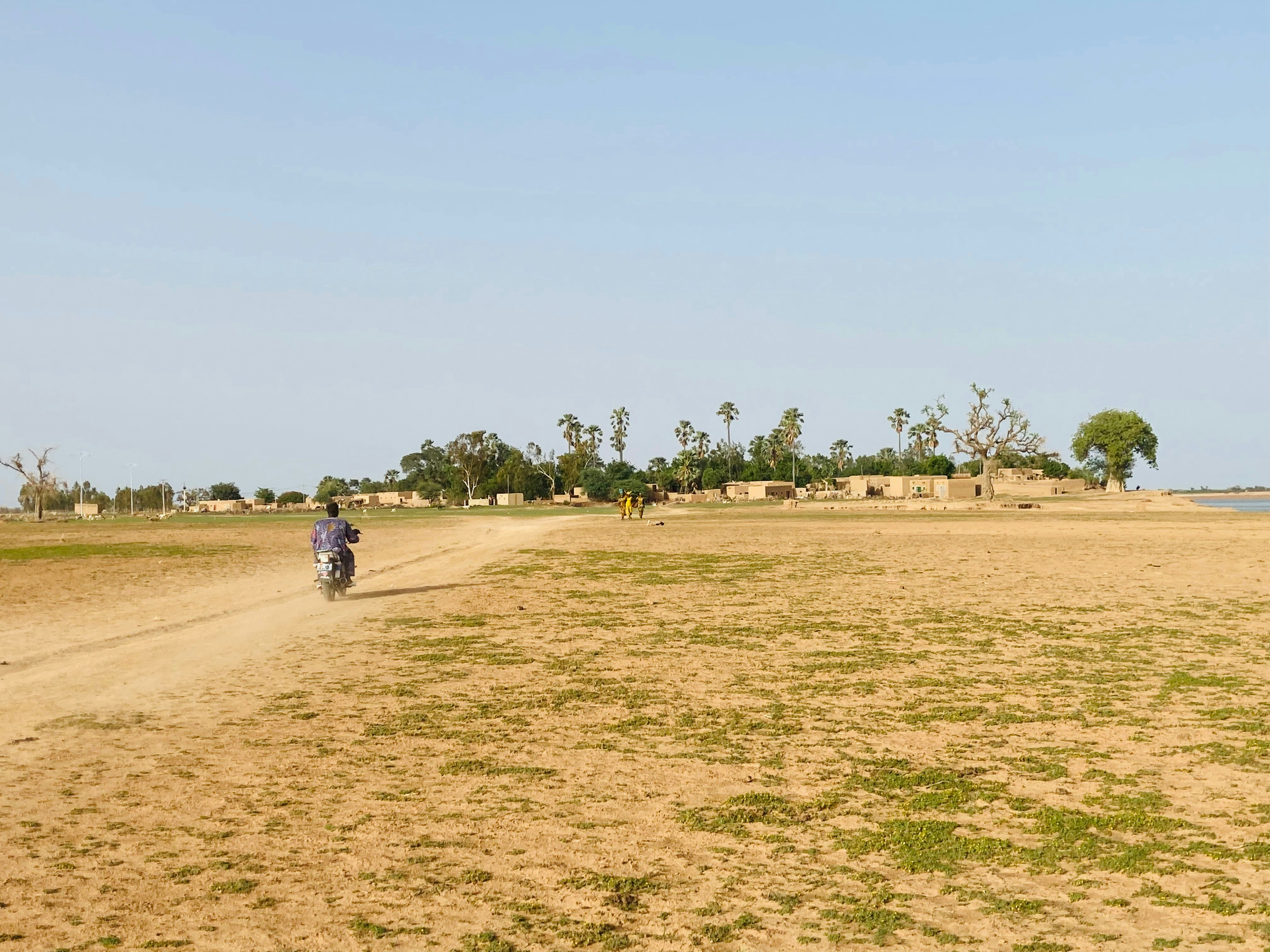
Mali sits at the cultural crossroads of the Sahara and the Sahel, with legendary cities like Timbuktu and Djenné, river life along the Niger, and deep musical traditions that have inspired artists worldwide. In calmer decades, it was a dream destination for overland travelers. Today, however, conflict, insurgent groups, kidnapping and terrorism affect much of the country, including approaches to the capital Bamako.
Most major governments now issue their highest‑level warning for Mali—“Do Not Travel” or equivalent—and some explicitly advise citizens in Mali to leave while commercial flights remain available. Specialist security analysts classify Mali as EXTREME risk, noting record numbers of foreign kidnappings in 2025 and widespread road insecurity with IEDs and ambushes.
In this context, tourism in the conventional sense is not recommended. Travel is considered viable mainly for critical humanitarian work, media, diplomatic missions, or similar purposes with professional security teams and comprehensive evacuation and kidnap‑for‑ransom insurance. If you are considering a Mali trip, this guide helps you understand the realities, plan conservative routes focused on the relatively safer southern corridor, and use tools like Hello for connectivity, expense tracking, and risk‑aware planning.
For culture and food in safer environments, many travelers now opt for regional alternatives such as Senegal, Ghana, Japan or Thailand, which offer vibrant experiences without the same level of risk.
Best Time to Visit Mali: Climate vs. Security Reality
Climatically, the best time to visit Mali is the cool, dry season from November to February—but as of 2026, security warnings override seasonal considerations, and any trip should be based on up‑to‑date risk assessments and essential purpose.
Mali’s climate is characterized by a long dry season and a shorter rainy season. Traditionally, travelers targeted November–February for more comfortable temperatures and lower humidity, especially in Bamako and the southern regions. The hot season (March–May) can be intensely warm, while the rains (roughly June–September) bring occasional flooding and road disruption, particularly on rural routes.
Given current conditions, it is more useful to think in terms of security windows than pure weather. Advisories note a very high threat of terrorism and kidnapping throughout the country, with random roadblocks, curfews, and sudden disruptions under a nationwide state of emergency. You should expect travel plans to change at short notice and always have contingency routes and shelter‑in‑place plans.
Here’s a high‑level climate vs. risk table for planning:
| Season (approx.) | Weather comfort | Typical issues | Security overlay (2026) |
|---|---|---|---|
| Nov–Feb | Most comfortable | Harmattan dust, cooler nights | Extreme risk; Do Not Travel advisories still in force |
| Mar–May | Very hot | Heat stress, limited shade | Same high‑risk profile; overland travel especially hazardous |
| Jun–Sep | Rainy, humid | Flooded roads, mud, mosquitoes | Compounded risk from road damage and access issues |
| Oct | Transition | Variable storms, rising heat | No meaningful reduction in threat levels |
For specific day‑by‑day planning within a short window, see itineraries like 3 Days in Mali: A Day-by-Day Itinerary, Mali in 5 Days: The Perfect Extended Itinerary, and Mali in 10 Days: The Ultimate Travel Itinerary, all of which assume you’re monitoring advisories closely.
Budget Overview: What It Costs to Travel in Mali
Mali is still a relatively low‑cost destination day‑to‑day, but as of 2026 you must factor in high premiums for security support, comprehensive insurance, and flexible planning on top of typical budget, mid‑range, or higher‑end travel costs.
At a basic level, Mali remains a cash‑based economy, with everyday expenses—local meals, simple guesthouses, and city taxis—typically cheaper than many destinations like Japan or Thailand. However, the country’s security context significantly changes the overall budget picture.
If you are traveling for essential work with professional support, costs for secure transport (armored vehicles or vetted drivers), local security consultants, and specialist insurance (including medical evacuation and kidnap‑for‑ransom cover) can exceed typical tourism budgets by a large margin.
A simplified 2026 daily budget comparison:
| Traveler type | Approx. daily core spend* | Likely extra costs | Notes |
|---|---|---|---|
| Shoestring | US$40–60 | Limited extra security | Not recommended in current conditions |
| Standard mid‑range | US$80–150 | Some security planning, better insurance | Only with strong local support |
| Secure mission travel | US$250+ | Security teams, armored transport, specialist insurance | Typical for NGOs/diplomatic/media |
*Core spend covers accommodation, food, local transport, and basic data.
The Mali Travel Budget Guide: Daily Costs and Money Tips breaks down typical tourism‑style spending, while the Mali Travel Budget Guide: Daily Costs and Money Tips and Mali Currency & Money Guide: Exchange, Cards, and Tips explain how to handle the local currency, cash vs. cards, and money‑saving strategies.
Use the Hello app to track spending in real time, split expenses with colleagues, and build flexible budgets that can absorb last‑minute changes in transport or accommodation caused by security developments.
Visa & Entry: Rules, Risk, and Health Requirements
As of 2026, Mali maintains strict entry controls; many governments warn against travel, and some travelers face suspended visa issuance—so you must check up‑to‑date rules, carry health certificates, and expect entry to be at the authorities’ full discretion.
Mali’s entry requirements vary by nationality. For example, the government of Mali suspended visas for U.S. citizens from 1 January 2026, and advises that entry for foreign citizens is at the sole discretion of Malian authorities. Other nationalities may still obtain visas, but processes can change quickly, and consulates may limit services based on the evolving security situation.
A Yellow Fever vaccination certificate is generally mandatory for entry from countries where the disease is present. Given Mali’s climate and malaria prevalence, most travelers are advised to take malaria prophylaxis (such as Malarone) and carry comprehensive medical insurance that includes air evacuation, as local health facilities and infrastructure can be strained.
Multiple governments highlight that there is a very high threat of terrorism and kidnapping throughout the country and that travel advisories may affect consular support and evacuation options. Some explicitly recommend that citizens already in Mali leave as soon as possible while flights remain available.
For Singapore passport holders, see Mali Visa & Entry Requirements for Singapore Passport Holders, which covers visa categories, passport validity rules, customs allowances, and practical tips for immigration.
Regardless of nationality, decision logic should look like this:
- Check your government’s advisory; if it says “Do Not Travel”, assume minimal consular help.
- Confirm Mali’s current visa policy for your passport via an official consulate.
- Ensure Yellow Fever and other vaccines are up to date.
- Confirm evacuation‑capable insurance and on‑ground security support before booking.
Getting Around Mali: Routes, Risk Levels, and Transport Tips
Moving around Mali in 2026 is often the highest‑risk part of any trip: overland roads face IEDs and ambushes, checkpoints are common, and most advisories recommend avoiding travel outside Bamako without specialist support.
Historically, travelers used buses, bush taxis, river boats on the Niger, and domestic flights to reach cultural hubs like Mopti, Djenné, and Timbuktu. Today, however, these regions see significant insurgent activity and are specifically highlighted as high to extreme risk areas where leisure travel is not recommended.
Analysts warn that roads in much of Mali are mined and subject to ambushes, with armed groups and state forces operating checkpoints where foreigners may be detained on suspicion of espionage. The US State Department, for example, advises travelers to avoid leaving Bamako because of insecurity and ongoing military operations. Others recommend that anyone in Mali be prepared to shelter in place for extended periods and have contingency plans for sudden curfews or airport closures.
In practice, transport should follow a conservative pattern:
- Focus on the southern corridor (Bamako–Sikasso) if movements are unavoidable.
- Use vetted drivers and, where necessary, armored or secure vehicles rather than public buses.
- Avoid overland night travel entirely and minimize predictable routines.
- Pre‑plan airport transfers and verify flight schedules frequently.
For practical transport details—airport transfers, city taxis, inter‑city options, and driving tips—see Getting Around Mali: Transport Guide for Travellers. Combine this with the Mali Safety Guide: Tips for a Safe Trip, and log all movements, checkpoints, and route changes inside the Hello trip planner so your group stays synced.
Food & Dining: Enjoying Malian Cuisine Safely
Malian food is hearty, communal, and full of flavor—from rice and sauce dishes to grilled meats—but in 2026 you must balance culinary exploration with strict hygiene, conservative movements, and awareness of the broader security setting.
Traditional staples include rice or millet served with rich sauces, grilled or stewed meats, and vegetables. Along the Niger, you’ll find fresh fish dishes, while Bamako offers a mix of local eateries and simple international options, shaped by its former role as a hub for NGOs and travelers. Meals are often shared communally, and eating together is an important part of Malian hospitality.
Under current travel advisories, however, you should plan dining with security and health in mind:
- Favor well‑known spots recommended by trusted local contacts.
- Avoid long cross‑town journeys just for a restaurant, especially after dark.
- Treat water carefully—stick to sealed bottles, and be cautious with ice.
- Pay attention to food hygiene, particularly at roadside stalls.
The country’s cash‑based nature means you’ll often pay for meals in local currency rather than cards. The Mali Food Guide: Must-Try Dishes, Prices, and Tips offers a detailed look at key dishes, price ranges, and dietary options, while the Mali Currency & Money Guide: Exchange, Cards, and Tips explains how to handle payments and tipping.
If you want to explore West African flavors with far lower risk, consider food‑focused trips to destinations like Senegal, Ghana, Thailand, or Japan, using similar budgeting and dining principles but in safer environments.
Top Experiences: What’s Realistic to See in 2026
Mali’s iconic sites—Timbuktu, Djenné, the Dogon Country—are part of global travel lore, but in 2026 many of these areas are classified as high or extreme risk and are not recommended for leisure travel, pushing most essential visitors to focus on Bamako and the safer southern corridor.
In stable times, highlights included:
- Timbuktu: Desert-edge manuscripts, sand‑colored mosques.
- Djenné: The World Heritage mud‑brick Great Mosque.
- Mopti and the Niger River: Boat trips and riverside life.
- Dogon Country: Cliff villages and unique cosmology.
Current risk assessments, however, flag Mopti/Djenné as high‑risk, Timbuktu as severe‑risk, and northern regions as extreme‑risk, recommending that travelers avoid them entirely. Governments now advise against all travel in Mali, often without exceptions even for the capital.
Realistically, if you must be in Mali, experiences will be more localized:
- Limited cultural and music venues in Bamako, chosen with local security advice.
- Markets and neighborhood walks close to your accommodation, during daylight.
- Carefully managed day trips within the southern corridor, only with vetted drivers.
Use itineraries such as 3 Days in Mali: A Day-by-Day Itinerary, Mali in 5 Days: The Perfect Extended Itinerary, and Mali in 10 Days: The Ultimate Travel Itinerary as conceptual frameworks, then adjust routes based on real‑time updates and your government’s advisory.
If your priority is ancient architecture, river life, or desert landscapes without the same level of risk, consider alternative destinations in West Africa or North Africa, and use the Hello app’s trip planner to compare costs and safety profiles.
Hello eSIM Connectivity: Staying Online and Informed
In a country with volatile security and infrastructure like Mali, reliable mobile data is critical; as of 2026, a Hello eSIM gives you instant connectivity, flexible data plans, and an easy way to stay in touch and monitor advisories from the moment you land.
Network coverage in Mali is best around Bamako and the southern regions, with patchier service as you move into rural and conflict‑affected areas. Power outages, fuel shortages, and damaged infrastructure can affect both mobile networks and Wi‑Fi, making personal data connections far more dependable than relying on hotel or café internet alone.
With Hello eSIM for Mali, you can:
- Activate data instantly upon arrival, without hunting for local SIM sellers.
- Choose data packages that match short, medium, or extended stays.
- Keep your primary number active on supported phones while using local data.
- Use the Hello app for trip planning, expense tracking, and budget management.
Given the risk environment, always combine connectivity with strict digital hygiene: security analysts recommend traveling with clean devices, avoiding sensitive material or political content, and being cautious about what you post or store while in Mali. Strong connectivity also lets you:
- Monitor live travel advisories and route closures.
- Share movement plans with colleagues or loved ones.
- Contact local security teams and medical providers quickly.
For step‑by‑step setup, coverage details, and plan comparisons, see eSIM for Mali: Best Plans, Coverage, and Setup Tips. Make sure you install and test your Hello eSIM before departure so you’re not dependent on airport Wi‑Fi or local vendors on arrival.
Culture & Etiquette: Respect in a High‑Tension Environment
Mali’s culture is famously warm and community‑oriented, but in 2026 you must combine respectful dress and greetings with heightened discretion around politics, religion, and photography because of the security situation.
Bambara and other local languages sit alongside French, and simple greetings go a long way. Dressing modestly—covering shoulders and knees and avoiding overly tight clothing—is generally appreciated, especially outside central Bamako and near religious sites. In normal times, travelers were often invited to share tea, music, and meals, with hospitality a core social value.
Current risk assessments, however, emphasize blending in and avoiding attention. Analysts advise avoiding political topics, complying strictly with local norms, and following any harsher rules imposed by armed groups in areas they control. Photography around government buildings, security posts, or strategic infrastructure can draw unwanted scrutiny, and foreigners have, in some cases, been detained on suspicion of espionage.
Practical cultural etiquette in 2026:
- Keep conversations neutral; avoid commenting on politics or the conflict.
- Ask permission before taking photos of people or sensitive places.
- Accept hospitality cautiously—focus on trusted contacts.
- Use basic Bambara or French greetings to build rapport.
The Mali Cultural Guide: Etiquette, Customs, and Tips offers detailed do’s and don’ts, dress code advice, and key phrases. Pair it with the Mali Safety Guide: Tips for a Safe Trip, then set up shared notes in the Hello app so your group aligns on local etiquette, movement rules, and what is and isn’t safe to discuss.
Safety & Health: Extreme‑Risk Planning for 2026
Mali is categorized as an extreme‑risk destination in 2026, with Level 4 “Do Not Travel” advisories citing crime, terrorism, kidnapping, unrest, and health risks—any trip requires specialist security support and evacuation‑ready insurance.
Government advisories and independent risk assessments agree on a very high threat of terrorism and kidnapping across Mali, with foreign nationals specifically targeted in some incidents. Many recommend citizens avoid all travel, or, if already present, depart as soon as possible while commercial flights remain available. Road travel is particularly hazardous because of IEDs, ambushes, and unpredictable checkpoints operated by both state forces and armed groups.
Health‑wise, Mali lies in a Yellow Fever zone, and proof of vaccination is often required on entry. Malaria is widespread, and prophylaxis plus strict mosquito protection are strongly recommended. Medical facilities can be limited, especially outside Bamako, making medical evacuation insurance essential.
A simple safety decision framework:
- If your government’s advisory is “Do Not Travel”, assume standard tourism is off the table.
- Only proceed for critical reasons (humanitarian, media, diplomatic) with professional security.
- Plan for shelter‑in‑place scenarios—stock water, food, and power backups.
- Maintain clean devices and cautious online behavior to reduce digital risks.
For detailed on‑the‑ground guidance—common scams, emergency contacts, and insurance tips—see the Mali Safety Guide: Tips for a Safe Trip. Use Hello to store emergency numbers, insurance details, and contingency budgets, and share safety protocols with everyone on your trip.
Before You Go: 2026 Mali Trip Checklist
Before any 2026 trip to Mali, confirm your government’s advisory, secure specialist insurance and security support, ensure health documents (like Yellow Fever certificates) are in order, and set up Hello eSIM and budgets inside the Hello app for maximum flexibility.
Because Mali is under multiple “Do Not Travel” advisories, a pre‑departure checklist is essential. Here is a consolidated view:
Security & Purpose
- Confirm your government’s latest advisory; if it warns against all travel, reconsider leisure plans.
- Clarify the critical purpose of your trip (NGO work, media, diplomatic, etc.).
- Engage vetted local partners or security providers before booking flights.
Documents & Health
- Check Mali’s current visa policy for your nationality (note 2026 visa suspensions for some passports).
- Ensure passport validity (at least 6 months) and spare copies.
- Obtain and carry a Yellow Fever vaccination certificate and other recommended vaccines.
- Start malaria prophylaxis according to medical advice and pack a personal health kit.
Insurance & Logistics
- Purchase comprehensive travel insurance that includes medical evacuation by air and, ideally, kidnap‑for‑ransom coverage.
- Plan conservative routes focused on relatively safer southern regions.
- Prepare for power cuts and communications disruptions (power bank, offline maps).
Money & Connectivity
- Read the Mali Currency & Money Guide: Exchange, Cards, and Tips and carry suitable cash.
- Install the Hello app, set up your trip budget, and activate your Hello eSIM using eSIM for Mali: Best Plans, Coverage, and Setup Tips.
For a more narrative walkthrough, combine this checklist with the Mali Travel Budget Guide: Daily Costs and Money Tips and Mali Safety Guide: Tips for a Safe Trip.
Frequently Asked Questions
Is it safe to travel to Mali in 2026?
As of 2026, Mali is widely classified as an extreme‑risk destination. The US, UK, and several other governments issue Level 4 or equivalent “Do Not Travel” advisories, citing crime, terrorism, kidnapping, unrest, and health risks, and some urge citizens already in Mali to depart as soon as possible. Conventional tourism is not recommended; travel is considered viable mainly for critical humanitarian, media, or diplomatic missions with professional security support and evacuation‑ready insurance.
Which parts of Mali are most dangerous for travelers right now?
Risk assessments highlight northern regions and central areas such as Mopti and Djenné as high to extreme risk, with active insurgent groups, terrorism, and kidnapping, and therefore not recommended for any travel. Timbuktu is typically classified as severe risk and should be avoided entirely. Even Bamako and approaches to the capital are covered by Do Not Travel advisories, and overland movements face IEDs, ambushes, and unpredictable checkpoints.
Do I need a visa to visit Mali, and have any rules changed for 2026?
Visa requirements depend on nationality and have changed for some travelers in 2026. The government of Mali suspended visa issuance for U.S. citizens from 1 January 2026, and notes that entry for foreign citizens is at its sole discretion. Other nationalities may still obtain visas via consulates, but procedures can change quickly because of the security situation. You must check with your nearest Malian embassy or consulate and consult your government’s travel advisory before making any bookings.
What health preparations are recommended before traveling to Mali?
Most travelers need proof of Yellow Fever vaccination to enter Mali, as it is in a Yellow Fever zone. Malaria is widespread, so prophylaxis (e.g., Malarone) and strict mosquito protection are strongly advised. Because medical facilities can be limited outside Bamako and the security situation complicates evacuations, comprehensive travel insurance with medical air evacuation coverage is essential for anyone traveling or living in Mali in 2026.
Can I still visit Timbuktu or Djenné as a tourist?
In previous decades, Timbuktu and Djenné were major draws for desert and architecture lovers. In 2026, however, independent risk assessments classify Mopti/Djenné as high risk and Timbuktu as severe risk, with active conflict and terrorist activity. Multiple governments advise against all travel to these regions and to Mali more broadly. As a result, leisure tourism to these areas is strongly discouraged for safety reasons.
How can Hello eSIM help if I decide to travel to Mali?
Hello eSIM provides instant mobile data for Mali, allowing you to get online as soon as you arrive without relying on local SIM vendors or hotel Wi‑Fi. Reliable connectivity is critical in an extreme‑risk environment: it lets you monitor live advisories, coordinate with security teams, contact medical providers, and update your group on route changes. The Hello app also helps with trip planning, expense tracking, and budget management, all synced to your eSIM data usage.
What kind of insurance coverage should I have for a trip to Mali?
Given Mali’s 2026 risk profile, standard travel insurance is not sufficient. Analysts recommend policies that include medical evacuation by air, comprehensive crisis assistance, and ideally kidnap‑for‑ransom and war‑risk cover for those traveling for critical purposes. Many governments explicitly advise travelers and residents in Mali to ensure robust insurance, as local health facilities and security conditions may not support emergency care or evacuation without external assistance.
eSIM Plans for Mali
Detailed Articles
Dive deeper into specific topics covered in this guide.
Mali Cultural Guide: Etiquette, Customs, and Tips
Essential do's and don'ts, greeting customs, dress codes, local phrases, and cultural tips for Mali.
4 June 2026
Mali Safety Guide: Tips for a Safe Trip
Safety tips, health advisories, emergency contacts, common scams, and travel insurance advice for Mali.
19 July 2026
3 Days in Mali: A Day-by-Day Itinerary
A detailed 3-day itinerary for Mali with daily activities, costs, neighborhoods, and transport tips.
13 June 2026
Mali in 5 Days: The Perfect Extended Itinerary
A detailed 5-day itinerary for Mali with daily activities, costs, neighborhoods, and transport tips for an extended stay.
7 May 2026
Mali in 10 Days: The Ultimate Travel Itinerary
A comprehensive 10-day itinerary for Mali covering top attractions, hidden gems, daily costs, and transport between cities.
21 June 2026
Mali Travel Budget Guide: Daily Costs and Money Tips
How much does it cost to travel in Mali? Daily budget breakdowns for budget, mid-range, and luxury travellers.
26 February 2026
Mali Currency & Money Guide: Exchange, Cards, and Tips
Currency exchange, credit card acceptance, ATM tips, tipping culture, and money-saving advice for Mali.
28 July 2026
Mali Visa & Entry Requirements for Singapore Passport Holders
Visa requirements, passport validity, customs allowances, and entry tips for Singapore citizens travelling to Mali.
10 July 2026
More Travel Guides
Destination Guide
Complete Bosnia and Herzegovina Travel Guide 2026
Everything you need to know about travelling to Bosnia and Herzegovina — budget, visa, food, transport, eSIM connectivity, and itineraries.
Destination Guide
Complete Bahamas Travel Guide 2026
Everything you need to know about travelling to Bahamas — budget, visa, food, transport, eSIM connectivity, and itineraries.
Destination Guide
Complete Bahrain Travel Guide 2026
Everything you need to know about travelling to Bahrain — budget, visa, food, transport, eSIM connectivity, and itineraries.
Destination Guide
Complete Sint Eustatius Travel Guide 2026
Everything you need to know about travelling to Sint Eustatius — budget, visa, food, transport, eSIM connectivity, and itineraries.