eSIM for Mali: Best Plans, Coverage, and Setup Tips
Everything you need to know about using eSIM in Mali. Best data plans, network coverage, and setup instructions.
By Hello Travel Team
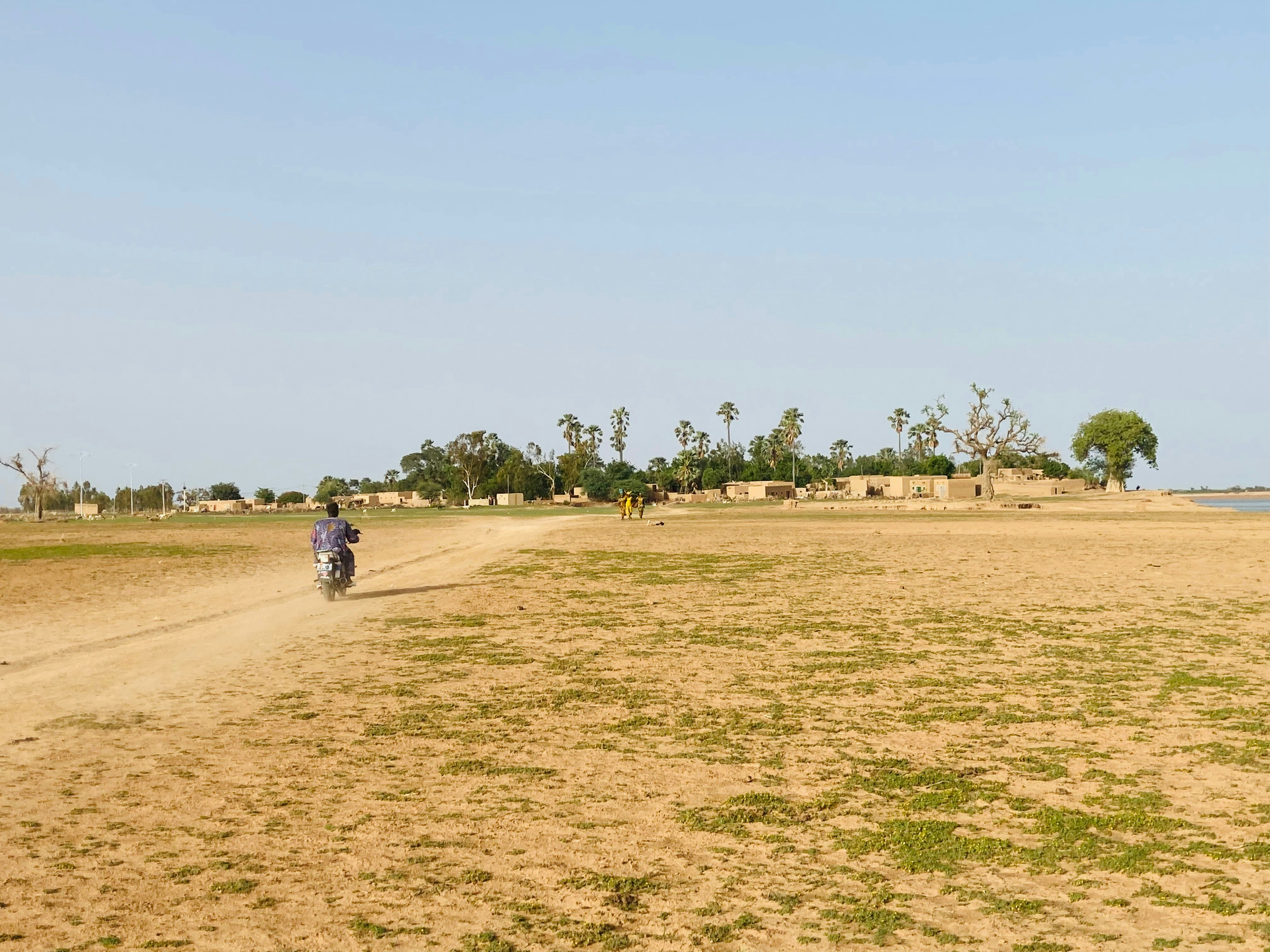
Mali eSIM: TL;DR for Travellers
Hello’s eSIM for Mali is the most convenient option for arriving connected, especially in Bamako and other major towns, but coverage becomes less dependable outside urban areas. Buy and activate your Hello eSIM before departure, keep your physical SIM available for calls if needed, and download offline maps because Mali mobile data can be patchy beyond the main southern corridors. Hello plans start from 5GB, with prices updated live in the Hello app and at Hello eSIM for Mali.\n\nHello is a travel companion app for iOS and Android offering eSIM connectivity in more than 200 countries, including Mali. A Hello eSIM is data-focused, making it useful for WhatsApp, maps, translation, ride coordination, email, and travel updates. Bamako generally offers the strongest connectivity, while remote areas and parts of northern and central Mali may have weak or unavailable service. Check current government travel advice before planning movement beyond established urban areas, as security conditions and infrastructure can change quickly.
Best Mali eSIM Plan for Your Trip Length and Data Needs
For most Mali trips in 2026, a 5GB Hello Mali eSIM plan is a sensible starting point for one to two weeks of maps, messaging, browsing, and occasional social media. Choose more data if you expect to upload photos, make frequent video calls, or use your phone as a hotspot. Hello displays current pricing in the app rather than publishing a fixed price list, so confirm the live total before checkout.\n\n| Trip style | Suggested Hello data | Typical use |\n|---|---:|---|\n| Short city stay, 3–5 days | 5GB | Maps, messaging, email and light browsing |\n| One to two weeks | 5–10GB | Daily navigation, social media and translation |\n| Work or frequent uploads | 10GB or more | Video calls, cloud services and hotspot use |\n\nA practical budget is to reserve approximately $10–25 in 2026 for travel connectivity, depending on the current Hello plan, validity period, and data allowance. Prices change, so treat this as a planning estimate rather than a quoted tariff. To stretch your Mali mobile data, disable automatic photo backups, download Google Maps areas before leaving Wi-Fi, and use hotel Wi-Fi for operating-system updates. The Hello app also supports multi-currency expense tracking, AI receipt scanning, voice expense entry, and expense splitting, which can help groups monitor shared transport and accommodation costs.
Mali Mobile Data Coverage: Bamako, Regional Towns, and Remote Areas
Hello eSIM coverage is generally strongest in Bamako and larger southern towns, while signal can drop sharply on rural roads and may be absent in remote or security-affected areas. Orange Mali reports coverage for 95.64% of the population for voice, 72.37% for mobile data, and more than 44% 4G coverage; these figures describe population coverage, not uninterrupted geographic coverage.\n\nBamako is the best base for reliable Mali travel internet, with 4G available across many central districts, hotels, cafés, and business areas. Connectivity is also more likely in established regional centres such as Ségou, Sikasso, Mopti, and Kayes, although speeds and reliability vary. Outside towns, expect service to follow major roads and populated corridors rather than cover the landscape continuously.\n\nThe U.S. Department of State notes that Mali’s communications infrastructure has limited coverage, particularly outside major cities, while cellular coverage is available in Bamako. Hotel and café Wi-Fi can be slow or intermittent, so mobile data is useful as a backup. Do not rely on a Mali eSIM as an emergency guarantee in remote areas: download directions, save accommodation details offline, carry a power bank, and share your itinerary before travelling.
How to Set Up a Hello eSIM for Mali Before Departure
The safest setup is to purchase and install your Hello eSIM on dependable Wi-Fi before flying, then activate it after landing in Mali so your phone connects without searching for a local shop. Installation usually takes only a few minutes, but your exact menu names depend on whether you use iOS or Android.\n\n1. Open the Hello app on your iPhone or Android phone, select Mali, and choose a plan that matches your trip.\n2. Confirm that your phone is unlocked and supports eSIM technology.\n3. Complete purchase and follow Hello’s in-app installation instructions while connected to Wi-Fi.\n4. Label the new line “Mali” so it is easy to identify alongside your home SIM.\n5. Set the Hello line as your mobile-data connection when you arrive.\n6. Enable data roaming for the Hello line if the app’s instructions require it; keep roaming disabled on your home line to avoid unexpected charges.\n7. Restart the phone or toggle airplane mode if service does not appear immediately.\n\nBefore departure, save the Hello support details, your booking references, and offline maps. If you use two SIMs, leave your home line active for incoming texts only when your carrier’s fees are clear. Hello plans are intended to provide data connectivity, so use internet calling and messaging apps rather than expecting a local Malian telephone number.
Practical Mali Travel Internet Tips for Bamako and Beyond
The best Mali mobile data strategy combines a Hello eSIM with offline preparation, conservative battery use, and realistic expectations about connectivity outside major towns. Bamako’s traffic, heat, power interruptions, and variable Wi-Fi can make a connected phone especially useful for navigation and communication, but a signal is never guaranteed once you leave the capital.\n\nDownload maps for Bamako and every planned stop before departure, and save addresses in French because many local directions use neighbourhood names, landmarks, and road references rather than formal street numbers. Keep screenshots of hotel confirmations, airport transfers, visa information, and emergency contacts. A 10,000–20,000 mAh power bank is worthwhile, particularly if you will spend long days travelling between towns.\n\nUse data-saving mode, restrict background activity for video and social apps, and make calls over messaging services when possible. A short WhatsApp voice call uses much less data than video, while streaming video can consume a 5GB allowance quickly. In restaurants and hotels, ask whether Wi-Fi is working before relying on it for backups.\n\nFor budgeting, the Hello app can scan receipts in different languages and currencies, automatically categorize spending, import bank statements as CSV or PDF, and split expenses among friends using automatic exchange-rate conversion. That is useful when sharing 2026 costs such as meals, guides, fuel, and private transport.
Common Questions About eSIM Mali Plans and Coverage
Most travellers can use a Hello eSIM in Mali for data, but they should confirm phone compatibility, activate carefully, and plan for weaker service outside major urban centres. The most common questions concern coverage, roaming, phone calls, and whether an eSIM works in remote destinations.\n\nDoes an eSIM work in Mali?\nYes, a Hello eSIM can provide mobile data in Mali where its partner network has service and your phone supports eSIM. Coverage depends on local infrastructure and may vary by location.\n\nWhere does Hello eSIM coverage work best?\nBamako is usually the strongest location for mobile data. Major southern and regional towns may have usable service, while remote roads, desert areas, and parts of northern or central Mali can have weak or no signal.\n\nCan I use my normal SIM and Hello eSIM together?\nOn compatible dual-SIM phones, yes. Set Hello as the data line and disable data roaming on your home SIM unless your carrier confirms the cost.\n\nDoes a Hello Mali eSIM include a local phone number?\nHello eSIM plans are designed primarily for data. Use WhatsApp, Signal, Telegram, or other internet services for calls and messages.\n\nShould I buy data before arriving?\nYes. Installing before departure means you can connect at the airport or hotel without depending on local Wi-Fi or finding a shop. Review the live plan price and validity in Hello immediately before purchase.
Before You Travel: Mali eSIM Checklist and Safety Planning
A Hello Mali eSIM is valuable for navigation and communication, but it should be one part of a broader travel plan that accounts for limited infrastructure and changing security conditions. The U.S. Department of State states that Mali has no formal tourism infrastructure in place and that communications coverage is limited outside major cities, so independent travellers should prepare more thoroughly than they might for a highly connected destination.\n\nUse this checklist before departure:\n\n- Confirm your phone is unlocked, eSIM-compatible, and fully charged.\n- Install your Hello Mali plan over stable Wi-Fi and record the activation instructions.\n- Download offline maps, translation files, accommodation details, and transport contacts.\n- Carry a power bank and charging cable, plus a second way to store essential information.\n- Keep your passport, visa documents, insurance details, and emergency contacts accessible offline.\n- Avoid assuming that coverage in Bamako will continue on remote routes or in northern regions.\n- Check current official travel advisories and obtain local security guidance before moving between cities.\n\nIf you are travelling with friends, use Hello’s trip-planning and expense-splitting tools to coordinate shared costs and responsibilities. Its budget tracker supports multiple currencies and automatic exchange rates, while AI receipt scanning can turn fuel, hotel, and restaurant receipts into organized trip records without manual currency conversion.
Explore These Destinations
Stay Connected
Stay connected in Mali
Get an eSIM before you land. Hello gives you instant data in 200+ countries — no SIM swaps, no roaming fees.
Related Articles
Mali Currency & Money Guide: Exchange, Cards, and Tips
Currency exchange, credit card acceptance, ATM tips, tipping culture, and money-saving advice for Mali.
28 July 2026
Mali Safety Guide: Tips for a Safe Trip
Safety tips, health advisories, emergency contacts, common scams, and travel insurance advice for Mali.
19 July 2026
Mali Visa & Entry Requirements for Singapore Passport Holders
Visa requirements, passport validity, customs allowances, and entry tips for Singapore citizens travelling to Mali.
10 July 2026