Mali Safety Guide: Tips for a Safe Trip
Safety tips, health advisories, emergency contacts, common scams, and travel insurance advice for Mali.
By Hello Travel Team
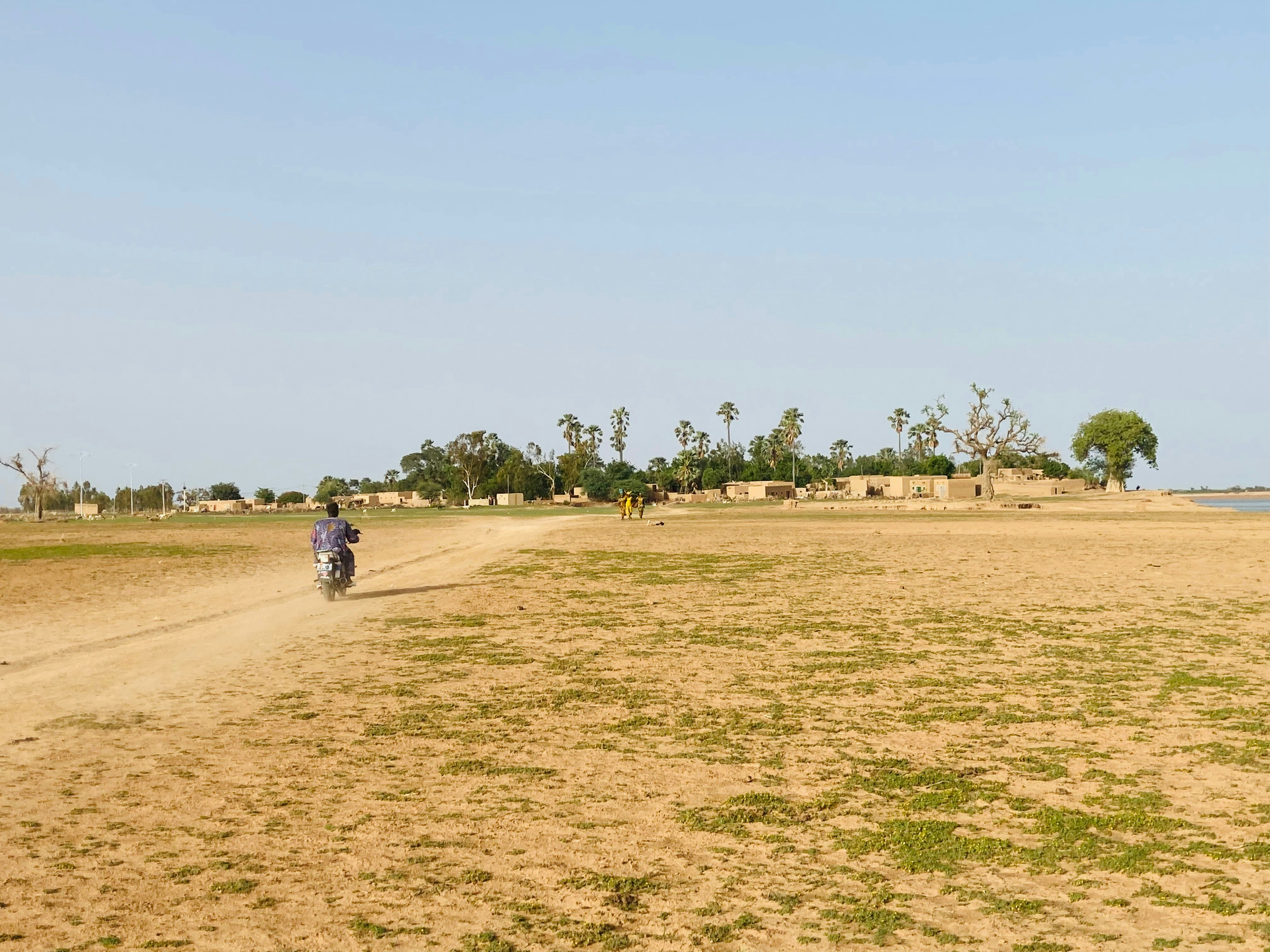
TL;DR: Is Mali Safe for Travellers?
Mali is currently not considered safe for tourism: major governments advise against all travel because of terrorism, kidnapping, violent crime, unrest, and limited medical care. The advice applies to Bamako as well as northern, central, southern, and border regions; reassess your plans using your government’s latest advisory before booking.
If travel is essential, use professional security support, avoid overland journeys, arrange comprehensive evacuation insurance, share a detailed itinerary, and keep flexible exit plans. Do not rely on ordinary sightseeing precautions alone. Current guidance from the United States, United Kingdom, Australia, Canada, France, and Germany describes a countrywide or near-countrywide threat, with attacks and kidnappings possible even around Bamako. For destination background, see Mali, but treat travel information as secondary to official security advice.
Mali Travel Safety Risks, Advisories, and High-Risk Areas
The direct answer to “is Mali safe?” is no for ordinary tourism at present: official advisories cite terrorism, kidnapping, armed robbery, carjacking, unrest, and unreliable emergency assistance across the country, including Bamako. Conditions can change quickly, so check your foreign ministry on the day of departure and throughout your stay.
The highest-risk areas traditionally include the north and centre, such as regions around Timbuktu, Gao, Kidal, and Mopti, as well as border zones. However, recent government warnings stress that Bamako and roads near the capital are not risk-free. Armed groups may target foreigners, hotels, restaurants, transport routes, government facilities, military sites, airports, and crowded public places.
Practical precautions cannot eliminate these risks, but essential travellers should:
- Avoid independent road travel, night movement, demonstrations, checkpoints, and military or government photography.
- Use vetted drivers, secure accommodation, movement tracking, and professional security advice.
- Keep a low profile and do not publish live locations or itineraries publicly.
- Carry copies of your passport, visa, insurance policy, emergency contacts, and prescriptions.
- Register with your embassy or consular service where available.
Several governments specifically warn against leaving Mali by land because national highways may face attacks, blockades, banditry, or improvised explosive devices.
Mali Scams, Crime Prevention, and Everyday Security Tips
The most useful way to avoid Mali scams is to reduce predictable opportunities: use pre-arranged transport, confirm prices before accepting services, keep valuables concealed, and leave situations that feel pressured or controlled. Violent crime is a more serious concern than petty fraud, so personal security should come first.
Possible scams and opportunistic crimes include inflated taxi fares, unofficial guides, fake accommodation or transport offers, counterfeit currency, distraction theft in markets, ATM assistance fraud, and requests for money or documents at informal checkpoints. Travellers should not hand over a passport, phone, bank card, or cash to an unknown person. Use hotel-arranged taxis or a trusted driver, agree on a fare in advance, and carry small amounts of West African CFA francs rather than displaying a wallet full of cash.
Additional habits help:
- Keep phones and cameras discreet, especially near airports, bridges, military facilities, police posts, and government buildings.
- Avoid flashy jewellery, branded luggage, and large cash withdrawals.
- Use ATMs inside reputable banks or secure hotels, preferably during daylight.
- Verify charity requests and “official” fees through your accommodation or embassy.
- Keep emergency cash separately from your main wallet.
Do not photograph security personnel or argue at checkpoints. If confronted during a robbery, prioritise compliance and physical safety over possessions.
Mali Emergency Numbers, Embassy Help, and Connectivity
Emergency response in Mali may be delayed or unavailable outside major cities, so travellers should save contacts offline and prepare a backup plan before arrival. Confirm numbers locally because emergency systems can change, French is widely used in official settings, and mobile coverage may be unreliable during crises.
Commonly published Mali emergency contacts include:
| Service | Number to try | Practical note |
|---|---|---|
| Police | 17 | Ask hotel staff to call if language or network problems arise. |
| Fire service | 18 | Response may be limited outside Bamako. |
| Ambulance | 15 | Medical transport can be difficult outside major urban areas. |
Test your phone’s ability to make local calls after arrival and keep your accommodation’s landline or security number written down. Singapore citizens should contact Singapore’s Ministry of Foreign Affairs for current consular assistance and the nearest Singapore diplomatic mission accredited to Mali; Singapore does not generally maintain a resident embassy in Bamako, so verify the responsible mission and after-hours number before departure. Do not assume another country’s embassy can provide full assistance, although it may help in limited emergencies.
For essential travellers, an eSIM from Hello can provide mobile data for maps, messaging, translation, and location sharing. See Hello eSIM for Mali and activate it before departure so connectivity is available on arrival, subject to local network coverage and any security-related outages.
Mali Health Advisories, Vaccinations, Food, and Water Safety
Health preparation is essential because Mali has limited medical capacity, particularly outside Bamako, and emergency evacuation may be difficult or expensive. Arrange a travel-health consultation several weeks before departure, carry a personal medical kit, and choose insurance that covers treatment and evacuation rather than assuming local care will be sufficient.
Mali requires proof of yellow fever vaccination for entry in relevant circumstances, and health authorities recommend discussing yellow fever and routine vaccines with a qualified travel clinician. Depending on itinerary and activities, a clinician may also discuss hepatitis A, typhoid, hepatitis B, polio, meningococcal disease, rabies, and malaria prevention. Malaria risk is significant, so ask about prescription prophylaxis, insect repellent, long sleeves, and sleeping under treated mosquito nets.
For food and water safety:
- Drink sealed bottled water or properly treated water; avoid ice unless its source is certain.
- Choose food that is thoroughly cooked and served hot.
- Wash hands frequently or use alcohol hand sanitiser.
- Pack oral rehydration salts and medication recommended by a clinician.
- Avoid swimming in freshwater unless a travel-health professional confirms it is safe.
Carry prescriptions in original packaging with copies of prescriptions. Medical facilities may lack medicines, blood supplies, specialist treatment, and reliable power, so evacuation coverage is a core requirement rather than an optional upgrade.
Solo Female Traveller and LGBTQ+ Safety in Mali
Solo women and LGBTQ+ travellers face additional social and security considerations in Mali, and current terrorism and kidnapping warnings apply regardless of gender or sexual orientation. Independent tourism is not recommended; essential travel should use vetted local support, conservative behaviour, secure accommodation, and a clear check-in system.
Solo female travellers should avoid walking alone, especially after dark, in isolated areas, markets after closing, transport hubs, and unfamiliar neighbourhoods. Wear clothing that covers shoulders and knees, carry a simple scarf for religious or conservative settings, and use hotel-arranged drivers rather than accepting lifts from strangers. Keep a trusted contact informed of every movement and establish a missed-check-in escalation plan.
LGBTQ+ travellers should understand that same-sex relationships and LGBTQ+ expression may face legal and social risks, while public displays of affection can attract unwanted attention. Avoid discussing sexuality with unfamiliar people, dating-app meetings, or sharing identifying information online. Use strict privacy settings and do not assume a venue is safe because it appears international.
Respect local customs around mosques, Ramadan, photography, alcohol, and interactions between unrelated men and women. Ask permission before photographing people, dress discreetly, and follow local advice. These measures improve cultural respect but cannot remove the countrywide risks identified by current official travel advisories.
Travel Insurance for Mali and Common Questions
For Mali, travel insurance is worthwhile only if the policy explicitly covers the trip; many insurers exclude destinations under a government “do not travel” warning, terrorism, kidnapping, civil unrest, or evacuation from high-risk zones. Obtain written confirmation before paying for flights or accommodation.
Look for cover that includes:
- Emergency medical treatment and medical evacuation to a suitable facility.
- Repatriation, including after serious illness or death.
- Security evacuation where available and legally permitted.
- Trip cancellation and interruption if advisories change.
- Baggage, document replacement, and emergency assistance in French or English.
- Coverage for pre-existing conditions, prescribed medicines, and planned activities.
Common questions
Is Bamako safe for tourists? No. Bamako has more services than rural Mali but remains exposed to terrorism, kidnapping, violent crime, demonstrations, checkpoints, and sudden restrictions. Current official advice is to avoid all travel.
Are there specific Mali emergency numbers? Police, fire, and ambulance numbers are commonly listed as 17, 18, and 15 respectively, but response and network availability can vary. Confirm them with your accommodation after arrival.
Can I travel overland from Mali to a neighbouring country? Current government advisories warn against overland departure because highways may face attacks, blockades, banditry, and explosive hazards.
Should I buy an eSIM for Mali? Essential travellers can consider Hello’s eSIM for data, but connectivity is not a substitute for security support, and coverage may be interrupted.
Explore These Destinations
Stay Connected
Ready for Mali?
eSIM data, expense splitting, budget tracking, and more. Everything you need for a smooth trip in one app.
Related Articles
Mali Currency & Money Guide: Exchange, Cards, and Tips
Currency exchange, credit card acceptance, ATM tips, tipping culture, and money-saving advice for Mali.
28 July 2026
Mali Visa & Entry Requirements for Singapore Passport Holders
Visa requirements, passport validity, customs allowances, and entry tips for Singapore citizens travelling to Mali.
10 July 2026
eSIM for Mali: Best Plans, Coverage, and Setup Tips
Everything you need to know about using eSIM in Mali. Best data plans, network coverage, and setup instructions.
1 July 2026