Key Takeaways
- ✓Madagascar rewards careful planning more than spontaneous packing, especially for transport and timing.
- ✓The dry season from April to October is usually the easiest period for first-time visitors.
- ✓Transport is the biggest factor shaping both budget and itinerary pace.
- ✓Hello eSIM is the simplest way to stay connected from arrival in Madagascar.
- ✓Short trips should stay focused; longer trips can combine wildlife, coast, and culture more effectively.
- ✓Food, money, and safety are all manageable with a few simple habits and backups.
- ✓A better-paced itinerary usually beats trying to cover too much of the island at once.
Madagascar is one of the world’s most rewarding adventure destinations: vast baobab landscapes, lemur-filled rainforests, wild beaches, and a culture shaped by African, Asian, and French influences. This guide brings together everything you need to plan a smart, memorable trip in 2026, whether you’re building a short city-and-nature escape or a longer cross-country journey. It covers when to go, how much to budget, what visa and entry rules to expect, how to move around an island where distances are large and roads can be slow, what to eat, how to stay connected with Hello eSIM, and which experiences are worth prioritizing first.
Because Madagascar is as logistically challenging as it is beautiful, good planning matters. Weather patterns can reshape itineraries, transport can be slower than map apps suggest, and money, safety, and connectivity all require a little extra preparation. That is why this pillar guide is designed as both a high-level overview and a practical trip planner: it gives you the big picture while pointing you to deeper cluster articles for each topic.
If you are comparing travel styles, think of Madagascar as a destination that rewards flexibility. Budget travelers can keep costs manageable with simple guesthouses and shared transport, while mid-range travelers can unlock smoother logistics with domestic flights, private transfers, and guided excursions. Luxury travelers, meanwhile, can build an unforgettable island-hopping or lodge-based route. No matter your style, the goal is the same: reduce friction so you can spend more time on the experiences that make Madagascar extraordinary.
Why Visit Madagascar
Madagascar is best understood as a once-in-a-lifetime nature destination with enough cultural depth to keep every day interesting. The island is famous for endemic wildlife, dramatic landscapes, and a pace of travel that feels far removed from more polished tourism circuits. If you want a destination that combines rainforest hikes, wildlife encounters, beaches, and distinctive local culture, Madagascar delivers all of it in one trip.
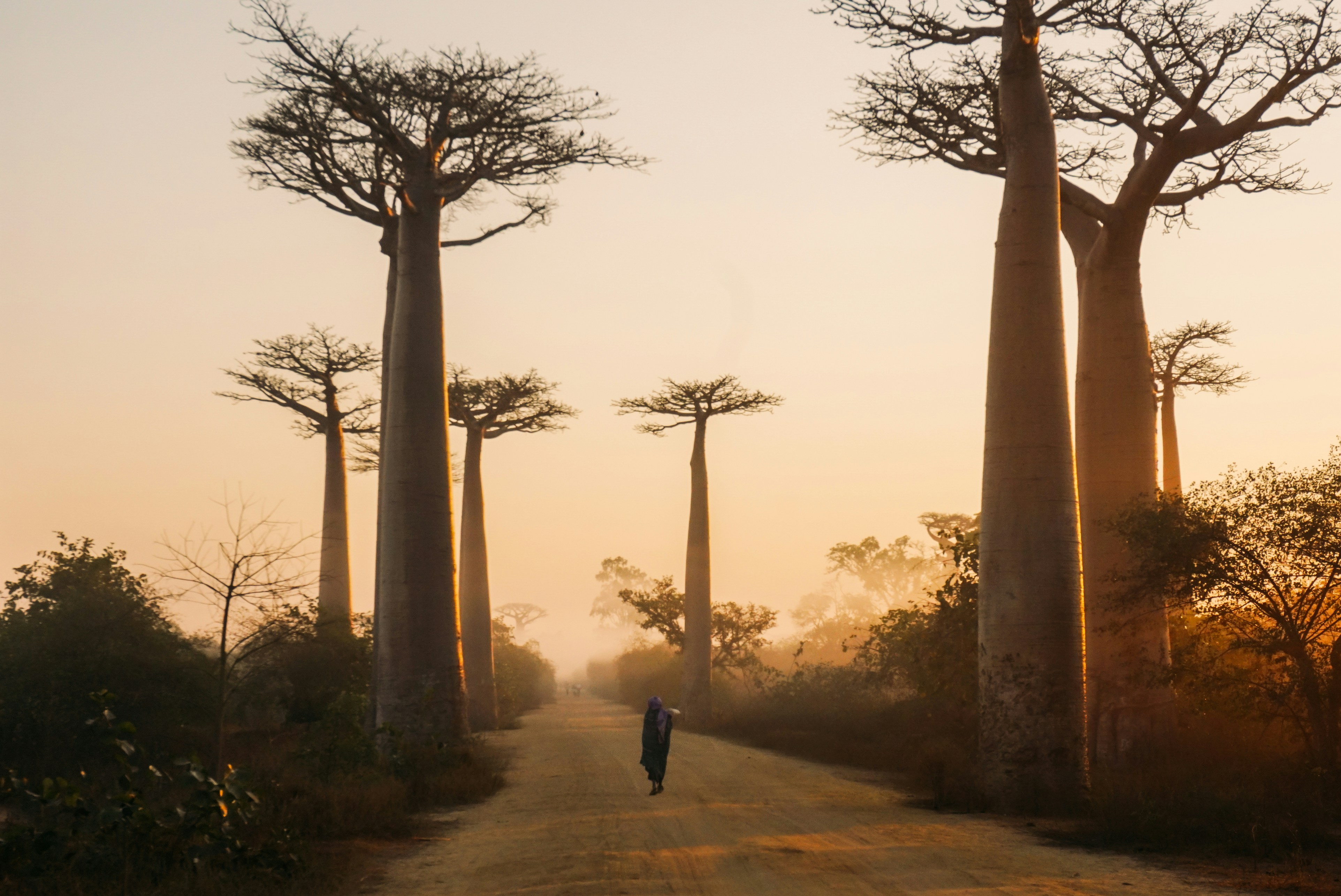
At a glance, the strongest reasons to visit are biodiversity, variety, and the sense of discovery. Madagascar is home to species found nowhere else, from lemurs to chameleons, and its landscapes range from the iconic Avenue of the Baobabs to marine reserves and highland towns. For many travelers, the appeal is not only what they see, but how different the trip feels from a conventional vacation. There is an adventure in simply getting around, and that is part of the reward.
The best trips also balance the obvious highlights with slower moments. You might pair a wildlife-heavy route with a few days on the coast, or combine city time in Antananarivo with a national park stay. Madagascar suits travelers who enjoy planning but also tolerate unpredictability. If you prefer a destination where every transfer is effortless, this may feel challenging. If you enjoy places that still feel raw and underexplored, it is exceptional.
For readers building their route, use this pillar guide as the starting point and then branch into the cluster content for visas, transport, food, and itinerary building. A good first step is understanding how much time you need: a short visit can still be worthwhile, but longer stays reveal why Madagascar is so memorable.
cluster_links:
Best Time to Visit Madagascar
The best time to visit Madagascar depends on whether you care most about wildlife, beaches, or easier logistics. In general, the dry season from April to October is the most popular window because roads are more reliable, humidity is lower, and trekking or park visits are usually more comfortable. The wet season from November to March can bring heavier rain, especially in the east and north, which affects transport and outdoor plans.
For most travelers in 2026, a simple rule works well: choose the dry season if this is your first trip, choose shoulder months if you want fewer crowds, and avoid the wettest period if your itinerary depends on road transfers. Coastal destinations may still be appealing outside the dry season, but inland movement becomes less predictable. Wildlife viewing can also vary by month, so your ideal timing may depend on which animals or ecosystems you want to prioritize.
| Season | Months | Pros | Cons | Best for |
|---|---|---|---|---|
| Dry season | April to October | Better road conditions, easier trekking, generally lower humidity | More visitors, some routes busier | First-time visitors, multi-stop itineraries |
| Shoulder season | April to May, September to October | Good weather balance, fewer crowds than peak dry months | Some variability by region | Value-focused travelers, photographers |
| Wet season | November to March | Lush scenery, quieter parks, sometimes lower prices | Heavy rain, road disruptions, cyclone risk in some areas | Flexible travelers, coastal stays |
A useful planning approach is to build around access rather than temperature alone. Madagascar is large, infrastructure is uneven, and the same month can feel very different in Antananarivo, the east coast, or the south. If you need a smoother trip, plan conservatively and leave buffer time between destinations.
For more detailed timing advice, pair this overview with itinerary planning so you can match the season to your route, not the other way around.
cluster_links:
Budget Overview for Madagascar
Madagascar can be surprisingly flexible if you are willing to trade comfort for time, but transportation is usually the biggest cost driver. In 2026, a budget trip is still possible with simple guesthouses, shared transport, and selective activities, while mid-range and luxury trips often spend more on domestic flights, private drivers, and better lodges. The smartest budgeting strategy is to treat movement between destinations as your main variable.
| Travel style | Estimated daily budget | Typical stays | Transport approach | Best for |
|---|---|---|---|---|
| Budget | Low daily spend | Guesthouses, basic hotels | Shared taxis, buses, occasional rides | Backpackers, long-stay travelers |
| Mid-range | Moderate daily spend | Comfortable hotels, eco-lodges | Private transfers, some domestic flights | Couples, families, first-timers |
| Luxury | High daily spend | Boutique lodges, premium resorts | Private drivers, flights, curated tours | Honeymoons, comfort-first travelers |
A practical framework is to separate your budget into four buckets: accommodation, transport, food, and activities. Transport often surprises first-time visitors because distances are long and road travel can take far longer than expected. That means a “cheap” land route may cost less in cash but more in time and energy. A domestic flight can be worth it if it saves a full day of travel.
Food can be affordable if you eat locally, while park fees, guides, and boat trips can add up quickly. Building a daily buffer for incidental costs is wise, especially if you plan to adjust your route on the go. If you are traveling with friends, Hello’s trip planning and expense-splitting tools can help keep shared costs organized while you move between cities and parks.
For a detailed breakdown of real-world daily costs, use the dedicated budget cluster article alongside your route planning. That will help you see where to save and where spending more actually improves the trip.
cluster_links:
Visa, Entry, and Arrival Essentials
For most travelers, Madagascar entry planning is straightforward once you confirm your passport requirements, visa rules, and arrival documentation. In 2026, the most important thing is to check the rules for your nationality well before departure and make sure your passport has enough validity remaining. You should also keep an eye on any entry form, visa-on-arrival, or payment requirements that may apply at your point of arrival.
A good arrival strategy is simple: travel with printed copies of your key documents, know your first-night accommodation, and leave time for airport procedures. Even when the rules are clear, processing can feel slower than in larger hub airports. Having your documents ready makes the experience smoother and reduces stress after a long flight.
| Entry task | What to prepare | Why it matters |
|---|---|---|
| Passport | Valid passport with sufficient remaining validity | Essential for entry approval |
| Visa planning | Check your nationality-specific requirements | Avoids surprises at the airport |
| Accommodation | First-night hotel details | Often requested during arrival checks |
| Cash/card backup | Small amount of usable money | Useful for fees or immediate transport |
| Copies of documents | Digital and paper copies | Helps if phones, batteries, or connections fail |
If you are a Singapore passport holder, use the dedicated visa and entry article for specific guidance on rules, customs allowances, and practical airport tips. Even if you are traveling on a different passport, that article is still helpful as a model for what to prepare before arrival.
This is one of the best places to be precise rather than assume. Entry requirements can change, and an organized pre-trip checklist saves more time than trying to fix issues on arrival. Combine this section with the cultural and safety guides so you arrive informed, respectful, and ready for the realities of travel in Madagascar.
cluster_links:
Getting Around Madagascar
Getting around Madagascar is the part of trip planning that most shapes your experience. Distances are large, roads can be slow, and the fastest route on a map is not always the smoothest in reality. The best way to think about transport is to match your itinerary to your tolerance for road time, since travel days can easily become full-day commitments.
A useful rule in 2026 is to choose the transport method that protects your itinerary, not just your budget. Shared public transport is the cheapest option, but it can be time-consuming and less predictable. Private transfers are more expensive but often worth it if you want to maximize limited days. Domestic flights can dramatically improve efficiency when you are connecting far-apart regions.
| Transport option | Cost | Speed | Comfort | Best use case |
|---|---|---|---|---|
| Shared public transport | Low | Slow | Basic | Budget travelers with flexible schedules |
| Private transfer/driver | Moderate to high | Moderate | Comfortable | Families, groups, complex routes |
| Domestic flight | High | Fast | Best for long distances | Short trips, time-sensitive itineraries |
| Self-drive | Variable | Depends on route | Variable | Experienced travelers only |
The right choice depends on your itinerary length. If you only have a few days, keep your route concentrated and avoid overextending. If you have 10 days or more, a combination of flights and ground transfers can create a much better experience. Keep in mind that first and last travel days are often the least efficient, so plan around them.
For practical movement details, the transport cluster article covers airport transfers, inter-city travel, ride-hailing realities, and driving tips. Pair it with itinerary planning so you can see where time is actually spent and where a transport upgrade makes the biggest difference.
cluster_links:
Food and Dining in Madagascar
Madagascar’s food is one of the easiest ways to understand the country’s daily rhythm. Meals are often built around rice, local produce, seafood in coastal areas, and a mix of Malagasy, French, and regional influences. For travelers, the good news is that you can eat well at many price points, from simple street-side plates to polished restaurants in larger towns.
A sensible approach is to mix local and familiar options. Local dishes are the most budget-friendly and often the most memorable, while more tourist-oriented restaurants may be useful when you want a slower meal, clearer menus, or more predictable food safety standards. In 2026, it is still smart to keep hydration, hygiene, and food freshness in mind, especially in hotter areas or during long transit days.
| Dining style | Price level | Typical experience | Best for |
|---|---|---|---|
| Street food/local stalls | Low | Fast, informal, budget-friendly | Quick meals, adventurous eaters |
| Local casual restaurants | Low to moderate | Simple, filling, authentic | Everyday dining |
| Mid-range restaurants | Moderate | More variety and comfort | Couples, families, longer stays |
| Upscale dining/lodge meals | High | Refined service, curated menus | Special occasions |
Food is also a helpful cultural entry point. Even a few basic phrases and an open attitude can improve the experience significantly. The food cluster article is the best place to dive into must-try dishes, price expectations, dietary notes, and food safety tips. If you are planning a longer route, use it together with the budget guide so dining decisions fit your overall spend.
For travelers who like structured planning, a practical method is to budget one daily “treat meal” and keep the rest flexible. That gives you room to sample local specialties without pushing your total trip cost too high.
cluster_links:
Hello eSIM and Connectivity in Madagascar
Staying connected in Madagascar is much easier when you set up your data before you arrive. In 2026, Hello eSIM is the most convenient way to get instant mobile data on arrival, especially if you want to navigate, message drivers, check bookings, or keep your itinerary flexible without hunting for local SIM cards immediately.
The best connectivity strategy depends on how you travel. If you are landing late, moving between regions, or relying on app-based planning, having Hello eSIM ready before departure is a major advantage. It reduces arrival friction and gives you a backup connection as soon as you land. If you are staying longer, a data plan also helps with maps, translation, ride coordination, and sharing updates with travel companions.
| Connectivity option | Convenience | Setup speed | Best for | Main trade-off |
|---|---|---|---|---|
| Hello eSIM | Very high | Instant activation | Travelers who want seamless setup | Requires eSIM-compatible phone |
| Local SIM | Moderate | In-person setup | Longer stays, heavy local use | Time spent buying and registering |
| Roaming | High | Immediate | Short trips, backup use only | Usually the most expensive |
For most visitors, the decision comes down to simplicity versus local purchase. Hello eSIM is ideal if you want to arrive connected and avoid spending your first hours sorting out mobile service. That matters in Madagascar, where transport changes, hotel confirmations, and last-minute route adjustments are common.
The dedicated eSIM article covers the practical setup steps, coverage expectations, and plan selection tips in more detail. Pair it with the transport guide and budget guide, because connectivity is most valuable when it helps you manage movement and costs on the road.
cluster_links:
Top Experiences and Sample Route Ideas
The best Madagascar trips are built around contrasts: wildlife and coastline, big landscapes and small villages, iconic sights and slower local moments. If you are visiting for the first time, focus on a route that combines at least two different experiences so you leave with a more complete picture of the country.
A strong planning principle is to choose a theme. For example, one trip might focus on wildlife and highlands, while another emphasizes beaches and relaxed coastal time. If your trip is short, concentrate on one region rather than trying to cover the whole island. If your trip is longer, you can connect a few distinct zones without rushing.
Here is a simple decision framework:
- If you have 3 days, keep the route compact and use one base.
- If you have 5 days, combine a city stop with one major nature or wildlife area.
- If you have 10 days, build a multi-region itinerary with a transport buffer.
- If you want maximum comfort, use private transfers or domestic flights to cut long road segments.
This is where the cluster itinerary articles become especially useful. They translate broad destination appeal into realistic daily movement, cost, and pacing. The 3-day itinerary is best for a short, focused trip. The 5-day option works well for travelers who want a richer sample without overcommitting. The 10-day itinerary is the strongest planning tool for a fuller circuit.
Use the itinerary content to answer the question that matters most: what can you actually enjoy well within your available time? Madagascar rewards restraint. A smaller, better-paced route will usually feel better than a packed but exhausting one.
cluster_links:
Practical Tips for a Smoother Trip
The most successful Madagascar trips are the ones built with patience, buffer time, and realistic expectations. In 2026, the practical basics matter as much as the headline attractions: keep flexible timing between transfers, carry backups of your key documents, and do not assume distances will behave the way they look on a map.
Cultural awareness also improves the trip. A respectful greeting, modest dress in certain settings, and willingness to follow local rhythms go a long way. For many visitors, cultural sensitivity is not about memorizing rules but about approaching interactions with humility and curiosity. That mindset often leads to better service, better conversations, and a more rewarding experience overall.
Safety and money habits deserve equal attention. Keep smaller cash amounts accessible, track your spending, and use reliable budgeting tools if you are traveling with others. It is also worth having a plan for emergencies, from health concerns to transport disruptions. Even a strong itinerary can unravel if you have no cushion for delays.
| Practical area | Smart habit | Why it helps |
|---|---|---|
| Time planning | Add buffer days or buffer hours | Reduces stress from slow transfers |
| Money | Carry a cash and card backup | Helps in places with limited payment options |
| Connectivity | Use Hello eSIM before arrival | Keeps you connected from day one |
| Health | Pack essentials and travel insurance info | Useful for unexpected issues |
| Culture | Learn a few greetings and etiquette basics | Improves interactions |
For a deeper dive, the cultural guide, safety guide, and currency guide work best together. They complement each other because Madagascar travel is not just about seeing places; it is about navigating them smoothly. If you handle the practical side well, the destination becomes much more enjoyable.
cluster_links:
Before You Go Checklist
Before you fly to Madagascar, it helps to run through one final checklist so the first day of your trip starts smoothly. The essentials are passport validity, entry requirements, transport planning, and a working mobile data plan. If you are traveling with others, this is also the point to confirm shared costs, transfers, and accommodation details.
For many travelers, the biggest pre-departure mistake is underestimating how much logistics matter. Madagascar is not the kind of destination where you want to land and improvise everything. Instead, prepare the basics in advance so you can stay flexible without feeling disorganized.
| Checklist item | Status |
|---|---|
| Passport valid for travel | Confirmed |
| Visa or entry requirements checked | Confirmed |
| First-night accommodation booked | Confirmed |
| Transport between key destinations planned | Confirmed |
| Hello eSIM installed or ready to activate | Confirmed |
| Cash/card backup arranged | Confirmed |
| Travel insurance documents saved | Confirmed |
| Copies of key documents stored offline | Confirmed |
| Cultural and safety basics reviewed | Confirmed |
A good final step is to download all important reservations and store them offline, since mobile access may not be immediate everywhere. Then keep your itinerary realistic: fewer transfers, better timing, and one or two standout experiences will usually beat an overpacked route.
If you have already read the section on transport, budget, and connectivity, you are most of the way there. The rest is about staying calm, packing smart, and allowing Madagascar to feel adventurous without making the trip unnecessarily complicated.
Frequently Asked Questions
Is Madagascar worth visiting in 2026?
Yes. Madagascar is worth visiting in 2026 if you want a destination with rare wildlife, dramatic scenery, and a strong sense of adventure. It is especially rewarding for travelers who enjoy nature-focused trips and do not mind more complex logistics.
How many days do I need for Madagascar?
Three days is enough for a short, focused trip, five days gives you a more balanced first visit, and 10 days is a much better fit if you want to combine multiple regions without rushing.
What is the best season to visit Madagascar?
The dry season from April to October is generally the easiest and most popular time to visit because travel conditions are better and outdoor activities are more comfortable.
Is Madagascar expensive to travel in?
It can be affordable for budget travelers, but transport often raises the total cost more than expected. Mid-range travelers usually spend more on private transfers and domestic flights, which can significantly improve comfort and timing.
Should I use Hello eSIM in Madagascar?
Yes, if your phone supports eSIM. Hello eSIM is a convenient way to stay connected from arrival, which is especially useful for navigation, transport coordination, messaging, and itinerary changes.
Is it easy to get around Madagascar independently?
Independent travel is possible, but it requires patience and planning. Distances are long, road conditions vary, and some routes are much slower than they appear on maps.
What should I prioritize first when planning a Madagascar trip?
Start with your travel dates, route length, entry requirements, and transport strategy. Those four decisions shape everything else, including your budget, accommodation, and how much you can comfortably see.
eSIM Plans for Madagascar
Detailed Articles
Dive deeper into specific topics covered in this guide.
3 Days in Madagascar: A Day-by-Day Itinerary
A detailed 3-day itinerary for Madagascar with daily activities, costs, neighborhoods, and transport tips.
12 June 2026
Madagascar in 5 Days: The Perfect Extended Itinerary
A detailed 5-day itinerary for Madagascar with daily activities, costs, neighborhoods, and transport tips for an extended stay.
7 May 2026
Madagascar in 10 Days: The Ultimate Travel Itinerary
A comprehensive 10-day itinerary for Madagascar covering top attractions, hidden gems, daily costs, and transport between cities.
21 June 2026
Madagascar Travel Budget Guide: Daily Costs and Money Tips
How much does it cost to travel in Madagascar? Daily budget breakdowns for budget, mid-range, and luxury travellers.
26 February 2026
Madagascar Currency & Money Guide: Exchange, Cards, and Tips
Currency exchange, credit card acceptance, ATM tips, tipping culture, and money-saving advice for Madagascar.
28 July 2026
Madagascar Visa & Entry Requirements for Singapore Passport Holders
Visa requirements, passport validity, customs allowances, and entry tips for Singapore citizens travelling to Madagascar.
10 July 2026
Madagascar Safety Guide: Tips for a Safe Trip
Safety tips, health advisories, emergency contacts, common scams, and travel insurance advice for Madagascar.
19 July 2026
Madagascar Cultural Guide: Etiquette, Customs, and Tips
Essential do's and don'ts, greeting customs, dress codes, local phrases, and cultural tips for Madagascar.
4 June 2026
More Travel Guides
Destination Guide
Complete Bosnia and Herzegovina Travel Guide 2026
Everything you need to know about travelling to Bosnia and Herzegovina — budget, visa, food, transport, eSIM connectivity, and itineraries.
Destination Guide
Complete Bahamas Travel Guide 2026
Everything you need to know about travelling to Bahamas — budget, visa, food, transport, eSIM connectivity, and itineraries.
Destination Guide
Complete Bahrain Travel Guide 2026
Everything you need to know about travelling to Bahrain — budget, visa, food, transport, eSIM connectivity, and itineraries.
Destination Guide
Complete Sint Eustatius Travel Guide 2026
Everything you need to know about travelling to Sint Eustatius — budget, visa, food, transport, eSIM connectivity, and itineraries.