3 Days in Madagascar: A Day-by-Day Itinerary
A detailed 3-day itinerary for Madagascar with daily activities, costs, neighborhoods, and transport tips.
By Hello Travel Team
This article contains affiliate links. If you book through them, Hello may earn a commission at no additional cost to you. Our editorial recommendations are independent. Learn more.
- 1
Arrival & Upper Town Antananarivo
- MorningIvato Airport to city by taxi~$15
- MorningCheck-in and coffee in Isoraka~$5
- AfternoonVisit Rova of Antananarivo (Queen’s Palace)~$8
- AfternoonAndafiavaratra Palace & Upper Town stroll~$4
- EveningLac Anosy sunset walk
- EveningDinner in Isoraka/Antaninarenina~$18
IsorakaAntaninareninaHaute-Ville (Upper Town)Lac Anosy areaUse licensed airport taxis (~$12–20) or pre-booked hotel transfer; city taxis for short hops cost ~$1–3, always agree fare before riding.
Budget$50Mid-range$120Luxury$300 - 2
Lemur Reserve Day Trip from Antananarivo
- MorningHotel breakfast~$6
- MorningPrivate driver to nearby lemur reserve~$25
- Late MorningLemur reserve guided visit & entrance~$15
- AfternoonLunch at reserve or countryside restaurant~$12
- AfternoonScenic stops and drive back to Antananarivo~$15
- EveningDinner in Analakely or Isoraka~$18
Antananarivo outskirtsCountryside villagesAnalakelyArrange full-day car and driver via hotel or agency (~$40–70/day depending on distance); roads can be slow, so start early and return before dark when possible.
Budget$60Mid-range$150Luxury$320 - 3
Markets, Crafts & Departure
- MorningBreakfast with mofo gasy in Analakely~$3
- MorningExplore Analakely Market & Avenue de l’Indépendance
- Late MorningTaxi to handicraft market (e.g., La Digue)~$4
- AfternoonHandicrafts and souvenir shopping~$30
- AfternoonLunch in Isoraka or near Lac Anosy~$10
- AfternoonFinal city viewpoint in Upper Town~$4
- EveningTaxi back to Ivato Airport~$15
AnalakelyAvenue de l’IndépendanceIsorakaHaute-Ville (Upper Town)Plan multiple short taxi rides ($1–3 each) for markets and viewpoints; allow 1–1.5 hours to reach the airport due to traffic and aim to leave the city 3 hours before your flight.
Budget$55Mid-range$130Luxury$280
Trip Summary
Trip starter
Turn this 3-day itinerary into a Hello trip
Start with a prefilled trip for Madagascar, then add dates, invite friends, track expenses, and pick an eSIM before you land.
Name and destination carried into the app.
Split costs and settle up during the trip.
Choose data for the destination before departure.
TL;DR: A Perfect 3-Day Madagascar Itinerary in Antananarivo
A 3-day Madagascar itinerary works best if you base yourself in Antananarivo (Tana) and mix markets, hilltop palaces, lemurs and local food with one relaxed day trip. In 2026, you can travel comfortably on about $60–80/day (budget), $120–170/day (mid-range), or $250+/day (luxury).
Antananarivo is the gateway for almost all international flights, and most travellers spend at least a night here before continuing elsewhere, according to several major Madagascar trip reports and tour itineraries. Using the capital as your base lets you see royal history in the Upper Town, bustling markets in Analakely, lakeside neighbourhoods around Lac Anosy, and a lemur reserve on a day trip — all without long internal flights or overnight drives.
To keep your Madagascar travel plan streamlined, think of this as: Day 1 for historic Tana, Day 2 for lemurs and countryside, Day 3 for crafts, food, and last‑minute shopping. A Hello eSIM keeps you connected for maps and ride-hailing, while the Hello app’s budget tracking and expense splitting make it easy to stick to your daily budget in Malagasy ariary (MGA) and US dollars.
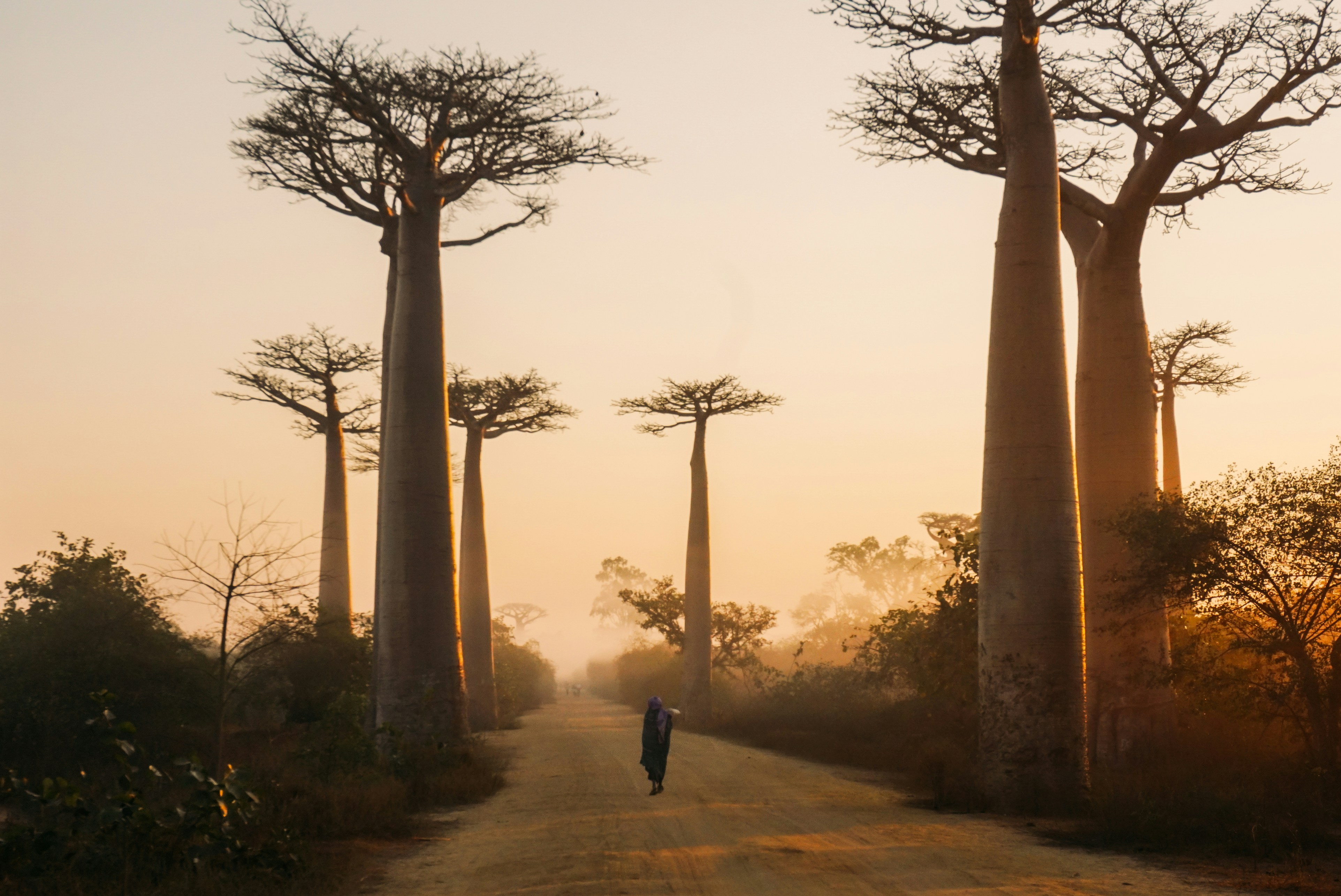
If you later extend beyond 3 days, you can adapt this Madagascar itinerary to reach Andasibe for deeper rainforest time or Morondava for the Avenue of the Baobabs, both commonly recommended in classic 7–14 day Madagascar itineraries shared by leading guide publishers and long-form trip reports.
Day 1: Antananarivo Arrival, Upper Town Views & Night Market Eats
Day 1 in Antananarivo is about easing into Madagascar: explore the Upper Town’s royal history, wander Lac Anosy at sunset, and finish with street food or a bistro dinner in lively central neighbourhoods.
Morning (arrival & check-in)
Most international flights land in Ivato International Airport, about 15–20 km from central Antananarivo. Expect 45–90 minutes into town, depending on traffic. A licensed airport taxi in 2026 typically costs $12–20 (50,000–90,000 MGA) one way; many mid-range and luxury hotels offer private transfers from $25–35. Aim to stay around Isoraka, Antaninarenina, or Analakely for easy access on a short stay.
Use Hello eSIM for Madagascar to arrive already connected, so you can order a taxi through your hotel, check live traffic, and convert prices on the go with the Hello app’s multi-currency tools.[/esim/madagascar]
Afternoon (Upper Town & royal history)
After dropping bags, head up to the Rova of Antananarivo (Queen’s Palace) and Andafiavaratra Palace in the Haute-Ville (Upper Town). A taxi from central districts runs $2–4 (8,000–18,000 MGA). Combined entry with a local guide is usually around $5–8 per person. Plan 2–3 hours for city views and history.
Evening (Lac Anosy & dinner)
Circle Lac Anosy for golden-hour photos, then dinner back in Isoraka or Antaninarenina. In 2026:
- Budget meal in a local hotely gasy: $3–6 for rice, laoka (sides), and a soft drink.
- Mid-range bistro: $10–18 per person including a main and drink.
- Upscale French-Malagasy restaurant: $20–35+ per person.
Day 1 daily budget estimate (USD, 2026)
- Budget: $45–60 (hostel/guesthouse $20–25, food $10–15, transport & sights $10–20)
- Mid-range: $100–150 (hotel $50–80, food $25–35, transport & sights $20–35)
- Luxury: $220–320 (4–5★ hotel $150–220, food $40–60, private transfer & guide $30–40)
Log your airport taxi and first meals in the Hello app with AI receipt scanning so your Madagascar trip planner stays accurate from day one.
Day 2: Lemur Reserve Day Trip & Countryside Scenery
Day 2 is your wildlife and countryside day: visit a lemur reserve near Antananarivo, enjoy village and rice-field scenery, and return for a relaxed dinner in the city.
Morning (lemur reserve excursion)
A classic Madagascar 3 day itinerary from Tana includes at least one lemur-focused outing. The most accessible option is a private driver or tour to a nearby reserve such as Lemur Park west of the city or a longer excursion toward the road to Andasibe, where multiple reserves and farms showcase chameleons and other endemic species. Many tour reports note that Andasibe itself is about 3–4 hours one way, which is long for a single day, so for a short trip it’s better to choose a closer reserve.
Arrange a driver through your hotel or a local agency; full-day car and driver rates around Antananarivo are typically $40–70 in 2026, depending on distance and vehicle. Entrance fees to a private reserve are usually $7–15 per person with a guide. Bring small notes in ariary for tips and snacks.
Afternoon (picnic or countryside lunch)
Pack a picnic from a bakery in town ($5–8 per person) or eat at the reserve restaurant if available ($8–15 per meal). Many travellers highlight the joy of simply watching sifakas and brown lemurs up close, and photographing Madagascar’s famously colourful chameleons.
Evening (back to Tana & dinner)
Depending on traffic, you’ll be back in Antananarivo by late afternoon or early evening. Choose a different neighbourhood for dinner:
- Analakely: simple Malagasy dishes and cheap grills from $3–7.
- Isoraka/Antaninarenina: cosy wine bars and fusion spots from $12–20 per person.
Use Hello’s expense-splitting feature if you hired a driver with friends; the app handles multi-currency and automatic exchange rates, so you can share costs in MGA and settle in USD or EUR.
Day 2 daily budget estimate (USD, 2026)
- Budget: $55–75 (guesthouse $20–25, shared driver $15–20, food & entrance $20–30)
- Mid-range: $120–170 (hotel $50–80, private driver $40–60, food & entrance $30–40)
- Luxury: $250–350 (boutique/5★ hotel $150–220, private tour $70–90, upscale meals $60–80)
Day 3: Markets, Crafts Shopping & Food-Focused Antananarivo
Day 3 is for markets and makers: dive into Analakely’s chaos, shop for handicrafts, and build your own food tour before your onward flight.
Morning (Analakely Market & Avenue de l’Indépendance)
Start in Analakely, the bustling commercial heart. The open-air market and shops along Avenue de l’Indépendance sell everything from spices and vanilla to textiles. Keep valuables secure and ask before taking photos. A short city taxi ride costs around $1–2.50 (4,000–10,000 MGA) if you hail it on the street.
For breakfast, try local coffee and mofo gasy (Malagasy rice cakes) for about $1–2. Use the Hello app’s AI receipt scanning (it works with Malagasy receipts and French-language menus) to keep your last-day spending in check.
Afternoon (handicraft markets & lakeside break)
Head to a handicraft market such as La Digue (near the airport road) or a central craft centre for wood carvings, raffia bags, embroidered linens and art. According to Madagascar tourism statistics, handicrafts are a major source of income for local artisans, and fair bargaining is expected but should remain friendly. Set a mental budget — for example $20–40 — and stick to it using Hello’s budget tracker.
Stop by Lac Anosy or a café in Isoraka for a final Malagasy lunch: romazava (beef and greens stew) or ravitoto (cassava leaves) with rice for $4–8 in a local restaurant, or $12–18 in a mid-range place.
Evening (sunset viewpoint & departure)
If your flight is late, return to the Upper Town for one last viewpoint over Antananarivo, then head to the airport 3 hours before departure. Expect another $12–20 for the taxi back to Ivato.
Day 3 daily budget estimate (USD, 2026)
- Budget: $50–70 (guesthouse $20–25, food $12–18, taxis & small fees $8–12, crafts $10–20)
- Mid-range: $110–160 (hotel $50–80, food $25–35, taxis $10–15, crafts $20–30)
- Luxury: $230–300 (hotel $150–220, upscale meals $40–60, private shopping guide & transfers $30–40)
Budgets, Transport & Neighborhoods: Planning Your 3-Day Madagascar Trip
A realistic 3-day Madagascar travel plan in Antananarivo ranges from roughly $150–220 (budget) to $350–480 (mid-range) and $800+ (luxury) in 2026, depending on hotel category, transport style, and how much you shop.
According to the World Bank, Madagascar’s GDP per capita remains under $600 a year, which means your spending has a sizeable local impact; tipping fairly and buying direct from artisans is strongly encouraged. At the same time, infrastructure is developing, and several respected guide publishers note that road conditions and traffic often slow travel, so building a city-based itinerary saves you time and stress.
Here’s a quick comparison of daily costs for this Madagascar itinerary (Antananarivo base, 2026):
| Category | Budget (USD/day) | Mid-range (USD/day) | Luxury (USD/day) |
|---|---|---|---|
| Accommodation | 20–25 | 50–80 | 150–220 |
| Food & Drink | 10–20 | 25–40 | 40–70 |
| Local Transport | 5–15 | 10–25 | 20–40 |
| Activities | 5–15 | 15–25 | 30–60 |
| Shopping/Other | 5–10 | 10–20 | 30–60 |
| Total | 45–85 | 110–190 | 270–450 |
Where to stay
- Isoraka & Antaninarenina: best for restaurants, views, and walkability.
- Analakely: convenient and busy, with cheaper stays and markets.
- Near Ivato Airport: practical for very late/early flights.
Getting around
City taxis are cheap but unmetered; always agree the fare first. For reference, many travellers report $1–3 for short hops and $10–20 to the airport. Track these micro-costs in Hello so your Madagascar trip planner matches reality, not rough guesses.
Staying Connected & Tracking Costs with Hello in Madagascar
Using Hello in Madagascar keeps you online for maps and messaging while automatically tracking what you spend in ariary and your home currency.
Mobile data is extremely useful in Antananarivo: many travellers rely on maps to navigate steep streets and call taxis, and real-time messaging with drivers or hosts reduces stress caused by traffic delays that Madagascar itineraries frequently mention. With Hello eSIM for Madagascar, you can purchase a data plan (from 5GB, with live pricing) before you fly, scan the QR code, and land already connected — no store visits or physical SIM swaps.[/esim/madagascar]
Once you are on the ground, the Hello app doubles as a Madagascar trip planner and budget tracker:
- Log every taxi, market purchase, and meal with AI receipt scanning (works in French and with local MGA currency).
- Use voice expense entry when you are on the move between sights.
- Track spending by category (transport, food, activities, shopping) across all three days.
- If you are travelling with friends, use expense splitting with automatic exchange rates: one person can pay the full day-tour bill in ariary, and the app calculates what everyone owes in their own currency.
For longer trips, you can import bank statements (CSV/PDF) or Gmail receipts to see how your short Madagascar itinerary fits within a wider Africa or Indian Ocean journey. Having live exchange rates inside Hello means you know exactly whether that extra handicraft splurge keeps you in budget — or nudges you into mid-range territory.
Common Questions About a 3-Day Madagascar Itinerary (Q&A)
A 3-day Madagascar itinerary is best spent in Antananarivo, focusing on city highlights and a nearby lemur reserve rather than rushing across the island, which most guidebooks say demands at least 7–10 days for classic routes.
Q: Is 3 days enough for Madagascar?
A: Three days is enough for a taste of Madagascar in Antananarivo: royal palaces, markets, food, and a lemur-focused day trip. According to several leading itinerary resources, most travellers need 10–14 days to see multiple regions, so think of this as an introduction rather than a full-country tour.
Q: Where should I base myself for 3 days?
A: Base in Antananarivo (Tana), close to Isoraka, Antaninarenina, or Analakely. These neighbourhoods give you easy access to the Rova, Lac Anosy, markets, and taxis for day trips.
Q: How much cash do I need, and which currency?
A: You’ll pay most small expenses in Malagasy ariary (MGA). For 3 days, many travellers are comfortable withdrawing 400,000–800,000 MGA (roughly $90–180 in 2026) and topping up if needed. Use Hello to track how fast you are spending and avoid multiple ATM fees.
Q: Is Antananarivo safe for tourists?
A: Central Antananarivo is generally fine in daylight with common-sense precautions, but petty theft can be an issue in crowded markets and at night. Keep valuables hidden, avoid walking in poorly lit streets after dark, and use registered taxis arranged by your hotel where possible.
Q: Do I need to speak French or Malagasy?
A: French helps a lot — many hotel staff and drivers speak at least basic French — while English is more limited. Learning a few Malagasy greetings is appreciated. Hello’s receipt scanning and notes work regardless of language, so you can still keep solid records in your Madagascar travel plan.
Explore These Destinations
Stay Connected
Book this trip
Compare options on trusted travel sites
Plan stays for this trip
Continue to a reviewed booking partner to check current property details and terms.

Make the most of Madagascar
From eSIM connectivity to expense tracking, Hello is the all-in-one companion that keeps your trip stress-free.
Related Articles
Madagascar Currency & Money Guide: Exchange, Cards, and Tips
Currency exchange, credit card acceptance, ATM tips, tipping culture, and money-saving advice for Madagascar.
28 July 2026
Madagascar Safety Guide: Tips for a Safe Trip
Safety tips, health advisories, emergency contacts, common scams, and travel insurance advice for Madagascar.
19 July 2026
Madagascar Visa & Entry Requirements for Singapore Passport Holders
Visa requirements, passport validity, customs allowances, and entry tips for Singapore citizens travelling to Madagascar.
10 July 2026