Madagascar Safety Guide: Tips for a Safe Trip
Safety tips, health advisories, emergency contacts, common scams, and travel insurance advice for Madagascar.
By Hello Travel Team
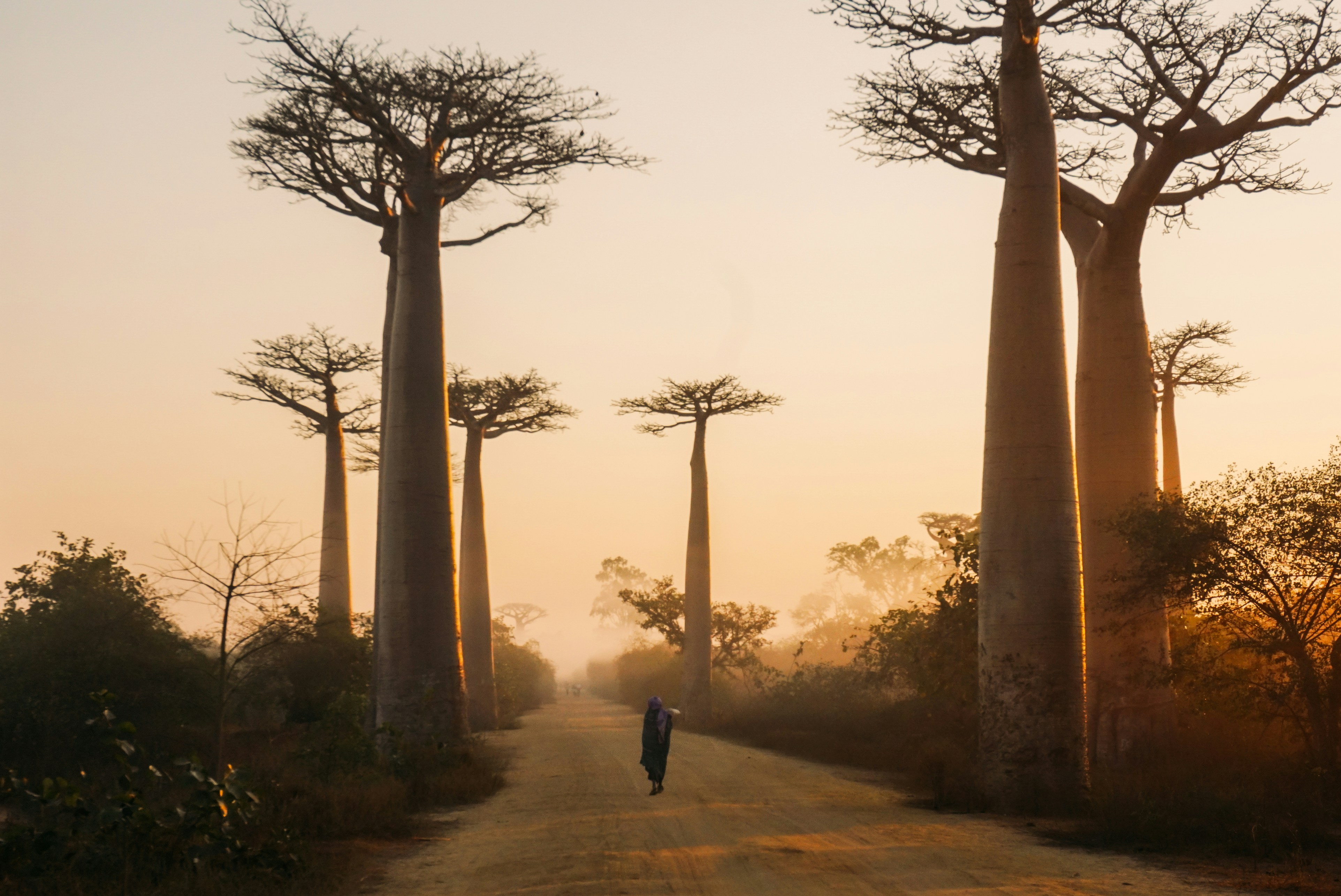
TL;DR: Is Madagascar Safe for Travellers?
Madagascar is visitable, but travellers should exercise a high degree of caution because petty theft, violent crime, civil unrest, poor roads, and limited medical services can affect journeys. Most visitors who use reputable guides, avoid travelling after dark, protect valuables, and arrange comprehensive insurance have rewarding trips. Keep emergency contacts offline: local guidance lists 117 for police and medical emergencies, 118 for fire, and 119 for gendarmerie, although numbers can vary by network and location. Singapore citizens should note that Singapore has no diplomatic mission in Madagascar and should contact the Ministry of Foreign Affairs Duty Office for urgent consular assistance. Before departure, check official advisories, visit a travel-health professional, and consider an eSIM for Madagascar from Hello so you can contact drivers, guides, accommodation, and emergency services after landing.
Madagascar Travel Safety: Main Risks and Smart Precautions
Madagascar is not uniformly dangerous, but safety conditions differ sharply between Antananarivo, established tourist areas, remote roads, and rural regions; sensible planning matters more than a simple yes-or-no rating. Official travel advisories describe petty crime as common in tourist locations and violent crime as a concern after dark, in isolated areas, and on some major roads, particularly in southern and western parts of the country. Civil unrest and cyclone-related disruption can also affect itineraries.\n\nUse these precautions:\n- Avoid walking alone after dark, especially in central Antananarivo, transport hubs, markets, and poorly lit streets.\n- Use accommodation-arranged taxis or trusted drivers rather than accepting unsolicited rides.\n- Keep passports, phones, and cash concealed; carry a photocopy of your passport separately.\n- Do not display expensive cameras or jewellery, and leave non-essential valuables at your hotel.\n- Travel between towns in daylight when possible and use established tour operators for remote parks and long overland routes.\n- Check weather and road conditions before travelling during the November-April cyclone season.\n\nCarry small amounts of Malagasy ariary for rural areas, but avoid counting money publicly. Keep a written itinerary and share it with someone at home.
Madagascar Scams, Theft, and Transport Safety
The most practical way to avoid Madagascar scams is to slow down, agree prices before accepting help or transport, and treat unexpected offers around airports, markets, and attractions with caution. Common problems include inflated taxi fares, unofficial guides, distraction theft in crowded markets, overcharging for luggage or porters, and requests for money from people claiming urgent personal or travel difficulties. These incidents are usually preventable when travellers use verified services and keep transactions clear.\n\nBefore entering a taxi, agree the fare and destination; many vehicles do not use meters, and night journeys may cost more. Ask your hotel to book the car, particularly for airport transfers. At markets such as Analakely in Antananarivo, keep bags closed and worn across the body, and avoid placing phones in back pockets. For national parks, confirm guide fees, park charges, transport, accommodation, and inclusions in writing before departure.\n\n| Situation | Safer approach |\n|---|---|\n| Taxi or airport transfer | Pre-book through accommodation or a reputable operator |\n| Market purchase | Confirm the total price and count change privately |\n| Wildlife excursion | Use licensed or established park operators |\n| ATM or card payment | Use secure locations and monitor the transaction |\n| Roadside assistance | Contact your driver, hotel, or tour company first |\n\nIf robbed, do not resist. Move to safety, cancel cards, record details, and report the incident to police or your insurer.
Madagascar Emergency Numbers and Singapore Consular Help
Save emergency numbers before leaving your hotel because mobile coverage, language barriers, and inconsistent local infrastructure can make urgent calls difficult. Singapore’s Ministry of Foreign Affairs lists 117 for police or medical emergencies and 118 for fire; other official advisories also identify 119 for gendarmerie, so keep all three numbers stored and ask your accommodation which service works locally.\n\nUseful contacts include:\n- Police or medical emergencies: 117\n- Fire services: 118\n- Gendarmerie: 119\n- Singapore MFA Duty Office, 24 hours: +65 6379 8800 or +65 6379 8855\n- Singapore MFA email: mfa_duty_officer@mfa.gov.sg\n\nSingapore has no diplomatic mission in Madagascar, which limits on-the-ground consular assistance. Contact the MFA Duty Office for urgent guidance, lost-document support, or serious emergencies, and register your itinerary when available. Consular officials cannot usually pay medical bills, replace travel insurance, or guarantee evacuation, so keep policy details, passport scans, emergency contacts, and medication information in both cloud storage and offline form.\n\nAn eSIM from Hello can provide mobile data immediately after arrival, helping you contact your driver, hotel, insurer, or emergency support without searching for a local SIM. Test activation before departure and keep a printed backup of essential numbers.
Madagascar Health Advisories, Vaccinations, and Water Safety
Travellers should arrange a medical consultation at least one month before Madagascar because malaria prevention, routine vaccinations, food and water precautions, and trip-specific vaccines require advance planning. The CDC identifies malaria risk in Madagascar and recommends discussing prescription prevention with a clinician; protection may need to start before travel and continue after leaving.\n\nReview routine vaccinations, including measles, tetanus, diphtheria, pertussis, polio, and influenza. Depending on your itinerary, a clinician may discuss hepatitis A, typhoid, hepatitis B, rabies, and other vaccines. Yellow fever vaccination is generally an entry requirement only for travellers arriving from a country with yellow-fever transmission, but verify requirements for your route.\n\nReduce illness risk by drinking sealed bottled water or properly treated water, avoiding ice when its source is uncertain, washing hands, and choosing food that is thoroughly cooked and served hot. Pack oral rehydration salts, insect repellent, sunscreen, basic medicines, and a small first-aid kit. Use long sleeves and mosquito protection, especially in coastal and lowland areas.\n\nMedical facilities are limited outside major cities, and serious cases may require evacuation. Seek urgent care for high fever, breathing difficulty, severe dehydration, serious injury, or any fever during or after travel; tell clinicians that you visited a malaria-risk area. Never rely on insurance alone—carry sufficient medication and a written prescription.
Solo Female, LGBTQ+, and Outdoor Travel Safety in Madagascar
Solo female travellers can visit Madagascar successfully, but should use extra planning around transport, nightlife, remote accommodation, and unsolicited attention. Book established hotels, arrange airport transfers in advance, avoid isolated beaches or trails alone, and share daily plans with a trusted contact. Dress modestly in villages and religious or traditional settings, ask before photographing people, and follow local guidance when visiting sacred sites or burial areas.\n\nLGBTQ+ travellers should research current local conditions and exercise discretion, particularly outside tourist centres. Public attitudes can be conservative, and legal or social protections may not match those in Singapore, Europe, or North America. Choose reputable accommodation, avoid public displays of affection in unfamiliar settings, and seek advice from trusted local operators.\n\nOutdoor risks deserve equal attention to crime. Use licensed guides for trekking, diving, whale-watching, and wildlife excursions; confirm rescue arrangements and weather cancellation policies. Do not swim alone at unfamiliar beaches, and ask locals about currents, tides, crocodiles, sea urchins, and seasonal hazards. Madagascar’s distances are deceptive: a journey that looks short on a map may take most of a day because roads can be rough. Build buffer days into park and domestic-flight itineraries, and avoid accepting unsafe vehicles or overcrowded boats merely to save money.
Travel Insurance for Madagascar and Common Questions
Comprehensive travel insurance is strongly recommended for Madagascar because medical treatment, emergency evacuation, cancelled transport, lost belongings, and remote-area rescue can cost far more than the policy premium. Select a policy that explicitly covers medical evacuation, hospital care, repatriation, adventure activities, luggage, trip interruption, and pre-existing conditions where relevant. Confirm whether trekking, diving, motorbike travel, and travel to remote parks are included.\n\nIs Madagascar safe for a first-time visitor? Yes, with structured planning, daylight travel, reputable guides, and strong precautions; independent overland travel is more demanding than a conventional city break.\n\nWhat are Madagascar’s emergency numbers? Save 117 for police or medical emergencies, 118 for fire, and 119 for gendarmerie, while confirming local functionality with your accommodation.\n\nCan I drink tap water? Treat tap water as unsafe unless a trusted local source confirms it has been properly treated. Choose sealed bottled or filtered water.\n\nShould I use an eSIM? Hello’s eSIM plans can provide data across 200+ countries, with instant activation before departure. Use data for maps, translation, ride coordination, accommodation messages, and insurance calls; review the current Madagascar plan and price before purchase.\n\nThe Hello app can also scan receipts in different languages and currencies, split expenses automatically with travel companions, import bank statements, and track a multi-currency budget—useful when cash payments, park fees, guides, and shared transport make costs difficult to remember.
Explore These Destinations
Stay Connected
Ready for Madagascar?
eSIM data, expense splitting, budget tracking, and more. Everything you need for a smooth trip in one app.
Related Articles
Madagascar Currency & Money Guide: Exchange, Cards, and Tips
Currency exchange, credit card acceptance, ATM tips, tipping culture, and money-saving advice for Madagascar.
28 July 2026
Madagascar Visa & Entry Requirements for Singapore Passport Holders
Visa requirements, passport validity, customs allowances, and entry tips for Singapore citizens travelling to Madagascar.
10 July 2026
eSIM for Madagascar: Best Plans, Coverage, and Setup Tips
Everything you need to know about using eSIM in Madagascar. Best data plans, network coverage, and setup instructions.
1 July 2026