Key Takeaways
- ✓Lithuania in 2026 offers a mix of medieval cities, Baltic nature, and modern convenience at generally lower prices than Western Europe.
- ✓Summer is best for beaches and long evenings, while spring and autumn offer milder weather, fewer crowds, and good value.
- ✓Daily budgets around €40–60 (budget), €80–130 (mid-range), and €150+ (comfort) are realistic starting points for trip planning.
- ✓Lithuania is in the Schengen Area and uses the euro, simplifying both entry and money handling for many travellers.
- ✓Hello eSIM provides quick, store-free connectivity across Lithuania, ideal for maps, messaging, and remote work.
- ✓Public transport and walking cover most trips, with buses and trains linking cities and ferries/buses serving the Curonian Spit.
- ✓Dedicated cluster guides on visas, budget, transport, food, culture, and safety give deeper detail beyond this overview.
- ✓Choosing between 3-, 5-, and 10-day itineraries lets you tailor Lithuania to a quick city break or a relaxed multi-region journey.
Lithuania is one of Europe’s most underrated gems: a compact country where medieval old towns, endless forests, and Baltic Sea beaches all fit into a single easy trip. This guide pulls everything together so you can plan confidently — from visas and budgets to food, transport, and digital connectivity.
Across 2026, Lithuania remains affordable by EU standards, with excellent public transport, widespread card payments, and strong mobile data coverage. Whether you’re here for a quick city break in Vilnius or a 10-day road trip along castles and coastlines, you’ll find a relaxed pace, friendly locals, and a distinct Baltic character that’s different from nearby Poland or Latvia.
Use this pillar guide as your Lithuania trip planner: start with when to go and how much to budget, then dive into linked cluster articles for detailed breakdowns — like day-by-day itineraries, money tips, and cultural etiquette. We also highlight how to stay connected with Hello eSIM, how to get around efficiently, and which Lithuanian dishes you shouldn’t leave without trying.
By the end, you’ll have a clear sense of where to go, how long to stay, and what kind of trip — budget, mid-range, or comfort — fits you best, plus a practical checklist to tick off before you board your flight.
Why Visit Lithuania in 2026
Lithuania in 2026 offers a blend of medieval charm, Baltic nature, and modern European convenience, all at prices that are still lower than many Western capitals — making it ideal for first-time Europe visitors and repeat travellers looking beyond classic hubs like France and Italy.
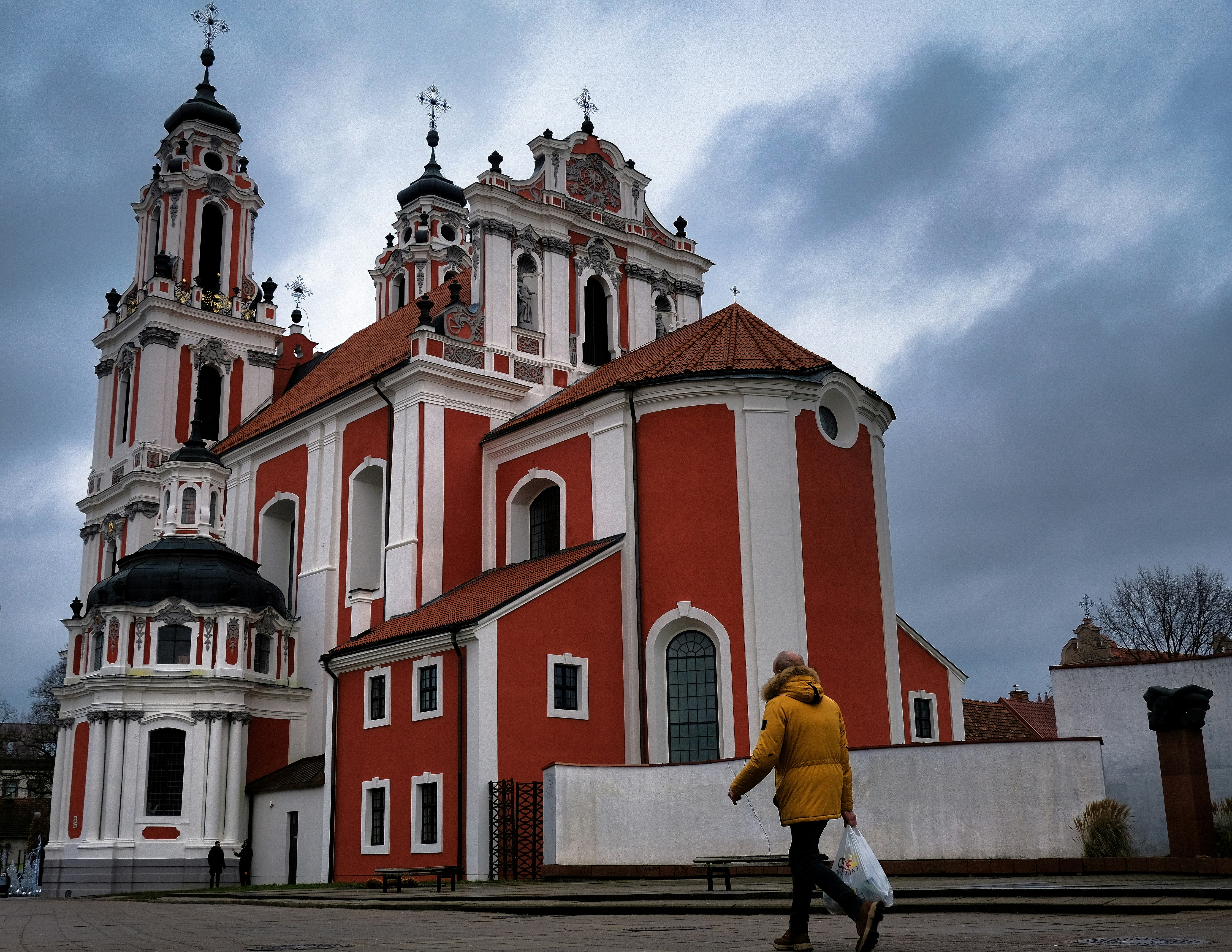
What draws travellers here? Start in Vilnius, a UNESCO-listed old town filled with baroque churches, cobbled streets, and creative neighborhoods like Užupis. Then branch out to Kaunas for interwar modernism, Klaipėda and the Curonian Spit for sandy dunes and sea breezes, and smaller towns like Trakai with its island castle. You get a mix of history, nature, and café culture without the intense crowds you’ll find in Spain or Germany.
Lithuania is part of the Schengen Area and uses the euro (EUR), which simplifies both entry and everyday spending for many travellers. As of 2026, contactless card payments, ATMs, and mobile banking are widespread, so you can easily manage your money with a mix of cash and cards — see the Lithuania Currency & Money Guide for specifics on fees, ATMs, and tipping norms.
The country is also considered safe and relaxed for solo travellers and digital nomads, with good healthcare access and reliable emergency services; our Lithuania Safety Guide: Tips for a Safe Trip walks through health, insurance, and safety best practices.
This pillar guide acts as your starting point, then sends you to focused deep dives on budget, visas, food, transport, and itineraries so you can assemble your ideal Lithuania route in 3, 5, or 10 days, or more.
Best Time to Visit Lithuania
Lithuania is a true four-season destination: visit in summer (June–August) for warm evenings and Baltic beaches, in spring or autumn for fewer crowds and lower prices, and in winter for snow-dusted old towns and Christmas markets — your ideal time depends on what kind of trip you want.
As of 2026, Lithuania’s climate is temperate continental: expect cold winters, pleasantly warm summers, and shoulder seasons with mixed weather but good value. Summer is peak season, with average highs around 22–24°C in July and long daylight hours — perfect for lakes, the Curonian Spit, and café terraces. Winter (December–February) brings sub-zero temperatures, early sunsets, and occasional heavy snow, which can be magical if you enjoy festive markets and cosy restaurants.
Spring (April–May) and autumn (September–October) are excellent for sightseeing-focused trips: accommodation prices often dip compared to July–August, and cities like Vilnius and Kaunas feel lively but not crowded. If you’re following the 3 Days in Lithuania: A Day-by-Day Itinerary, these shoulder months are ideal — you’ll walk a lot, so mild temperatures are a plus.
Here’s a quick season comparison to help you decide:
| Season (approx.) | Weather & temps (Vilnius) | Crowds | Prices | Best for |
|---|---|---|---|---|
| Winter (Dec–Feb) | −5°C to 0°C, snowy | Low | Low | Markets, museums, cosy cafes |
| Spring (Apr–May) | 8–18°C, variable | Medium | Medium | City walks, culture, fewer tourists |
| Summer (Jun–Aug) | 18–25°C, sunny | High | High | Beaches, lakes, festivals |
| Autumn (Sep–Oct) | 10–16°C, crisp | Medium | Medium | Photography, road trips |
Pair this overview with the 3-, 5-, and 10-day itineraries — Lithuania in 5 Days and Lithuania in 10 Days — which note seasonal tweaks like daylight hours and opening times.
Lithuania Travel Budget Overview (2026)
Lithuania in 2026 is generally cheaper than much of Western Europe: budget travellers can get by on roughly €40–60 per day, mid-range travellers on €80–130, and comfort-focused trips start around €150+ daily, depending on season and how much you move around.
Our Lithuania Travel Budget Guide: Daily Costs and Money Tips breaks this down in detail, but here’s a quick at-a-glance budget table to frame your trip planning:
| Travel style (per person, per day) | Typical range (2026) | What it usually includes |
|---|---|---|
| Shoestring / backpacker | €40–60 | Hostel bed, public transport, street food/local cafes, free walking tours |
| Mid-range | €80–130 | Central guesthouse/hotel, some restaurant meals, intercity buses/trains, modest activities |
| Comfort / boutique | €150–220+ | Boutique hotels, frequent dining out, museums, occasional tours/activities |
Saved costs in Lithuania often come from lower accommodation and food prices compared with capitals like Paris or Tokyo. You’ll find good value set lunch menus, inexpensive public transport, and reasonably priced attractions (many churches and viewpoints are free or very cheap).
For handling money day to day, the Lithuania Currency & Money Guide explains using euros, ATM fees, and card acceptance. As of 2026, contactless payments are widely accepted in cities, but it’s wise to carry some cash for markets, rural guesthouses, or older ticket machines.
If you’re travelling with friends, using Hello’s expense splitting and budget tracking features can help you keep group costs transparent — log accommodation, transport, and food as you go, then let the app handle who owes what.
Use this section as your baseline and refine with the detailed budget examples in the budget cluster article before you book hotels and tours.
Visa & Entry Requirements (with Singapore Focus)
Lithuania is part of the Schengen Area, so your entry rules depend on your passport: many travellers can visit visa-free for short stays, while others need a Schengen visa — Singapore passport holders currently enjoy short-stay visa-free access as of 2026.
For Singapore citizens, our dedicated Lithuania Visa & Entry Requirements for Singapore Passport Holders explains current rules in detail: length of stay, passport validity, proof of funds, and return ticket requirements. As of 2026, you should ensure your passport is valid for at least three to six months beyond your intended departure and has at least one blank page; check the latest specifics in that article before booking.
Travellers from other countries should refer to their national foreign affairs or migration websites for the latest Schengen rules. In general, expect to need:
- A valid passport
- Proof of onward or return travel
- Accommodation details (hotel booking or invitation)
- Travel insurance covering medical care and repatriation
On arrival, Lithuanian border officers may ask basic questions about your stay, especially if you’re entering from outside the Schengen zone. The visa cluster article also outlines customs allowances, such as limits on tobacco, alcohol, and cash declaration thresholds.
If you plan to combine Lithuania with nearby Schengen destinations like Germany, Austria, or Czechia, keep in mind that your Schengen days are shared across all member states — stay organised with Hello’s trip planning tools to track how long you spend in each country.
Always double-check updated requirements close to your 2026 departure, as visa policies can change with short notice.
Getting Around Lithuania: Cities, Coast, and Countryside
Lithuania is easy to navigate in 2026: expect reliable buses and trains between major cities, walkable historic centres, and simple options for reaching the coast and countryside — with driving or guided tours adding flexibility if you want to explore off the beaten path.
Our Getting Around Lithuania: Transport Guide for Travellers covers airport transfers, city public transport, intercity links, and driving rules in detail. At a high level, here’s how most trips look:
- Vilnius: compact old town, walkable; public buses and trolleybuses connect outer districts and the airport.
- Kaunas & Klaipėda: easy tram- and bus-based networks; central areas are pedestrian-friendly.
- Intercity travel: frequent buses and trains between Vilnius, Kaunas, and Klaipėda; buses reach smaller towns like Trakai.
For the Curonian Spit, you’ll combine a ferry from Klaipėda with local buses or bikes — the transport guide explains timings and ticket options.
A simple decision framework:
- Staying mainly in one city (3 days)? Follow the 3 Days in Lithuania plan and rely on public transport and walking.
- Visiting multiple cities in 5–10 days? Combine buses and trains as outlined in Lithuania in 5 Days and Lithuania in 10 Days.
- Exploring rural areas or many small towns? Consider renting a car for part of your trip.
Hello’s trip planning feature can help you map routes, log bus/train times, and keep tickets and confirmations in one place. Pair this overview with the detailed transport cluster article before you decide whether to drive or go fully public transport.
Food & Dining in Lithuania
Lithuanian food in 2026 is hearty, comforting, and surprisingly varied: think potato-based classics, beetroot soups, dumplings, and modern Baltic bistros, alongside international options that make it easy to eat well whether you’re vegetarian, adventurous, or just hungry after a day of sightseeing.
Our Lithuania Food Guide: Must-Try Dishes, Prices, and Tips lists specific dishes and price ranges, but here’s the big picture. Traditional staples include cepelinai (zeppelin-shaped potato dumplings), šaltibarščiai (cold pink beet soup), and various meat-and-potato combinations. You’ll find these in local taverns and casual restaurants, often at very fair prices compared with cities like Copenhagen or Zurich.
Average 2026 food costs:
- Budget: bakery snacks and supermarket lunches from €3–7, simple café meals €7–12
- Mid-range: sit-down dinners at €12–20 per person, excluding drinks
- Upscale: tasting menus and modern Baltic cuisine from €30+ per person
Vegans and vegetarians will increasingly find options in Vilnius and Kaunas, especially in modern cafes and brunch spots. The food guide also covers dietary tips, including how to explain allergies or preferences using local phrases.
For safety, tap water is generally considered safe in cities, and food hygiene standards in Lithuania are on par with EU norms. Pair the food guide with the Lithuania Cultural Guide to understand dining etiquette, tipping norms, and how locals typically split bills — then use Hello’s expense splitting tool to keep shared meals easy if you’re travelling with friends.
Top Experiences & Suggested Itineraries
Lithuania’s highlights cluster around Vilnius, Kaunas, Klaipėda, and the Curonian Spit, with castles, lakes, and forest trails in between — 3 days covers the essentials, 5 days adds depth, and 10 days lets you explore slower and get off the main tourist paths.
The 3 Days in Lithuania, Lithuania in 5 Days, and Lithuania in 10 Days articles provide full daily plans with activities, transport tips, and sample costs. Use this section as a high-level planner before choosing the itinerary that fits your time and style.
Core experiences most travellers enjoy:
- Vilnius Old Town: churches, viewpoints, and the creative Užupis district
- Trakai Island Castle: easy day trip from Vilnius by bus or train
- Kaunas: interwar architecture and riverside walks
- Klaipėda & Curonian Spit: dunes, beaches, and small resort towns
A simple trip-length framework:
- 3-day trip: focus on Vilnius + half-day Trakai.
- 5-day trip: Vilnius, Trakai, and Kaunas, or Vilnius plus a quick dash to the coast.
- 10-day trip: full Vilnius–Kaunas–Klaipėda–Curonian Spit loop, with flexibility for extra hikes or museums.
Here’s a quick comparison:
| Trip length | Pace | Main focus |
|---|---|---|
| 3 days | Fast | City highlights + one classic day trip |
| 5 days | Balanced | Mix of cities and at least one coastal or countryside stop |
| 10 days | Relaxed | Deeper exploration, multiple regions, more local experiences |
Use Hello’s trip planning feature to blend these itineraries with your own preferences, then consult the detailed cluster guides to fine-tune daily routes and costs.
Staying Connected: Hello eSIM in Lithuania
In 2026, staying online in Lithuania is straightforward: mobile data coverage is strong in cities and most towns, and you can skip physical SIM cards entirely by activating a Hello eSIM for instant connectivity when you land.
Our eSIM for Lithuania: Best Plans, Coverage, and Setup Tips explains how Hello eSIM works in Lithuania, including which data bundles best fit short city breaks versus longer road trips. With an eSIM, you simply scan a QR code before departure or on arrival and connect to local networks without visiting a store or swapping SIM trays.
Coverage in urban areas like Vilnius, Kaunas, and Klaipėda is typically 4G or 5G, with reliable speeds for navigation, messaging, and streaming. More rural parts of the country may drop to 3G or slower, but you can generally count on usable data in most populated areas and along major roads.
A practical framework for Hello eSIM in Lithuania:
- Short trip (3–5 days): small data package focused on maps and messaging.
- Medium trip (7–10 days): mid-tier bundle with enough data for regular browsing.
- Longer stay or remote work: larger data plan, possibly with top-ups.
Hello’s app lets you manage your Lithuania eSIM alongside data for other countries — ideal if you’re combining Lithuania with neighbours like Latvia or Estonia. Pair this overview with the detailed eSIM cluster article to confirm compatible devices, activation steps, and troubleshooting before you fly.
Culture, Safety & Everyday Practical Tips
Lithuania is generally safe, friendly, and easy to navigate in 2026, with a few cultural nuances and practical habits that make your trip smoother — from learning basic greetings to understanding local etiquette and staying alert to common minor scams.
Our Lithuania Cultural Guide outlines key customs: people tend to be polite but reserved at first; punctuality is appreciated; and modest, practical clothing suits most situations. Simple phrases in Lithuanian go a long way, especially outside Vilnius and Kaunas.
The Lithuania Safety Guide: Tips for a Safe Trip notes that violent crime against tourists is rare; most issues involve petty theft or common travel scams around busy transport hubs. Standard advice applies: keep belongings close, be cautious with late-night drinking, and store important documents securely.
Everyday practical tips include:
- Carry a small amount of cash even though cards are widely accepted.
- Validate tickets correctly on buses and trams.
- Check opening hours, as some attractions close earlier outside summer.
- Dress in layers — weather can change quickly, especially in shoulder seasons.
Healthcare follows EU standards, and it’s wise to have travel insurance covering medical care and emergencies, especially if you plan outdoor activities or winter travel. The safety guide gives emergency numbers and hospital information.
Use Hello’s budget tracking to keep a clear view of your daily spending, and log key notes (like local emergency contacts) into your trip plan so they’re easy to access offline if needed.
Before You Go: Lithuania 2026 Checklist
A simple pre-departure checklist makes your Lithuania trip smoother: confirm visa rules, book flexible accommodation, set up Hello eSIM, plan basic routes, and align your budget expectations using current 2026 prices and guidance.
Use this Before You Go list as a final run-through:
-
Documents & visas
- Check your eligibility for Schengen entry and, if you’re a Singapore citizen, review Lithuania Visa & Entry Requirements for Singapore Passport Holders.
- Ensure passport validity and travel insurance.
-
Budget & money
- Read the Lithuania Travel Budget Guide and Lithuania Currency & Money Guide for daily cost estimates and card/ATM tips.
- Decide on a daily budget per person and set up Hello’s budget tracking.
-
Connectivity
- Check device compatibility and pre-purchase or plan your Hello eSIM using eSIM for Lithuania: Best Plans, Coverage, and Setup Tips.
-
Itinerary & transport
- Choose between 3 Days, 5 Days, or 10 Days based on your time.
- Review Getting Around Lithuania: Transport Guide for airport transfers and intercity links.
-
Culture & safety
- Read the Lithuania Cultural Guide for etiquette and phrases.
- Scan the Lithuania Safety Guide for emergency numbers and health tips.
Ticking off this checklist ensures you arrive in Lithuania prepared, connected, and ready to focus on enjoying the country rather than troubleshooting logistics.
Lithuania Visa & Entry Requirements for Singapore Passport Holders
Budget PlanningLithuania Travel Budget Guide: Daily Costs and Money Tips
Currency & MoneyLithuania Currency & Money Guide: Exchange, Cards, and Tips
eSIM & ConnectivityeSIM for Lithuania: Best Plans, Coverage, and Setup Tips
Getting AroundGetting Around Lithuania: Transport Guide for Travellers
Cultural GuideLithuania Cultural Guide: Etiquette, Customs, and Tips
Safety & HealthLithuania Safety Guide: Tips for a Safe Trip
Itineraries3 Days in Lithuania: A Day-by-Day Itinerary
ItinerariesLithuania in 5 Days: The Perfect Extended Itinerary
ItinerariesLithuania in 10 Days: The Ultimate Travel Itinerary
Frequently Asked Questions
Is Lithuania expensive to visit in 2026?
Compared with Western European capitals, Lithuania remains relatively affordable in 2026. Budget travellers can often manage on around €40–60 per day, mid-range travellers on €80–130, and comfort trips from €150+ daily, depending on season and how much you move around. Use the Lithuania Travel Budget Guide for detailed breakdowns and sample daily budgets.
How many days do I need in Lithuania?
Three days is enough for Vilnius and a classic day trip to Trakai, five days adds either Kaunas or a quick coastal stop, and ten days lets you explore Vilnius, Kaunas, Klaipėda, and the Curonian Spit at a relaxed pace. Start with 3 Days in Lithuania, Lithuania in 5 Days, or Lithuania in 10 Days depending on your available time.
Do I need a visa to visit Lithuania?
Lithuania is part of the Schengen Area, so requirements depend on your passport. Many travellers can enter visa-free for short stays, while others require a Schengen visa. Singapore passport holders currently enjoy short-stay visa-free access as of 2026; see Lithuania Visa & Entry Requirements for Singapore Passport Holders for details, and always check the latest rules before departure.
Is Lithuania safe for solo travellers?
Lithuania is generally safe for solo travellers, with low violent crime rates in tourist areas and a focus on petty theft prevention and basic situational awareness. The Lithuania Safety Guide: Tips for a Safe Trip explains common scams, emergency contacts, and health advice, and most solo visitors report feeling comfortable walking in central areas by day and evening.
How do I stay connected in Lithuania?
The simplest option in 2026 is to use Hello eSIM, which lets you activate a local data plan for Lithuania without visiting a phone shop or swapping physical SIM cards. Our eSIM for Lithuania: Best Plans, Coverage, and Setup Tips walks through compatible phones, data bundles, coverage expectations, and how to set up and manage your Hello eSIM in the app.
What is Lithuanian food like and can vegetarians eat well?
Lithuanian cuisine features hearty dishes such as cepelinai (potato dumplings) and cold beetroot soup, alongside modern cafes and international options. Cities like Vilnius and Kaunas now offer a growing number of vegetarian and vegan-friendly restaurants. The Lithuania Food Guide: Must-Try Dishes, Prices, and Tips covers typical dishes, price ranges, and advice for different dietary needs.
What’s the best way to get around Lithuania without a car?
You can easily explore Lithuania using public transport: buses and trains connect major cities like Vilnius, Kaunas, and Klaipėda, and local buses or bikes help you reach the Curonian Spit and nearby towns. The Getting Around Lithuania: Transport Guide for Travellers explains airport transfers, ticketing, intercity routes, and when renting a car adds meaningful flexibility.
eSIM Plans for Lithuania
Detailed Articles
Dive deeper into specific topics covered in this guide.
Lithuania Currency & Money Guide: Exchange, Cards, and Tips
Currency exchange, credit card acceptance, ATM tips, tipping culture, and money-saving advice for Lithuania.
28 July 2026
Lithuania Safety Guide: Tips for a Safe Trip
Safety tips, health advisories, emergency contacts, common scams, and travel insurance advice for Lithuania.
19 July 2026
Lithuania Cultural Guide: Etiquette, Customs, and Tips
Essential do's and don'ts, greeting customs, dress codes, local phrases, and cultural tips for Lithuania.
4 June 2026
3 Days in Lithuania: A Day-by-Day Itinerary
A detailed 3-day itinerary for Lithuania with daily activities, costs, neighborhoods, and transport tips.
12 June 2026
Lithuania in 5 Days: The Perfect Extended Itinerary
A detailed 5-day itinerary for Lithuania with daily activities, costs, neighborhoods, and transport tips for an extended stay.
7 May 2026
Lithuania in 10 Days: The Ultimate Travel Itinerary
A comprehensive 10-day itinerary for Lithuania covering top attractions, hidden gems, daily costs, and transport between cities.
21 June 2026
Lithuania Travel Budget Guide: Daily Costs and Money Tips
How much does it cost to travel in Lithuania? Daily budget breakdowns for budget, mid-range, and luxury travellers.
26 February 2026
Lithuania Visa & Entry Requirements for Singapore Passport Holders
Visa requirements, passport validity, customs allowances, and entry tips for Singapore citizens travelling to Lithuania.
10 July 2026
More Travel Guides
Destination Guide
Complete Bosnia and Herzegovina Travel Guide 2026
Everything you need to know about travelling to Bosnia and Herzegovina — budget, visa, food, transport, eSIM connectivity, and itineraries.
Destination Guide
Complete Bahamas Travel Guide 2026
Everything you need to know about travelling to Bahamas — budget, visa, food, transport, eSIM connectivity, and itineraries.
Destination Guide
Complete Bahrain Travel Guide 2026
Everything you need to know about travelling to Bahrain — budget, visa, food, transport, eSIM connectivity, and itineraries.
Destination Guide
Complete Sint Eustatius Travel Guide 2026
Everything you need to know about travelling to Sint Eustatius — budget, visa, food, transport, eSIM connectivity, and itineraries.