Lithuania Safety Guide: Tips for a Safe Trip
Safety tips, health advisories, emergency contacts, common scams, and travel insurance advice for Lithuania.
By Hello Travel Team
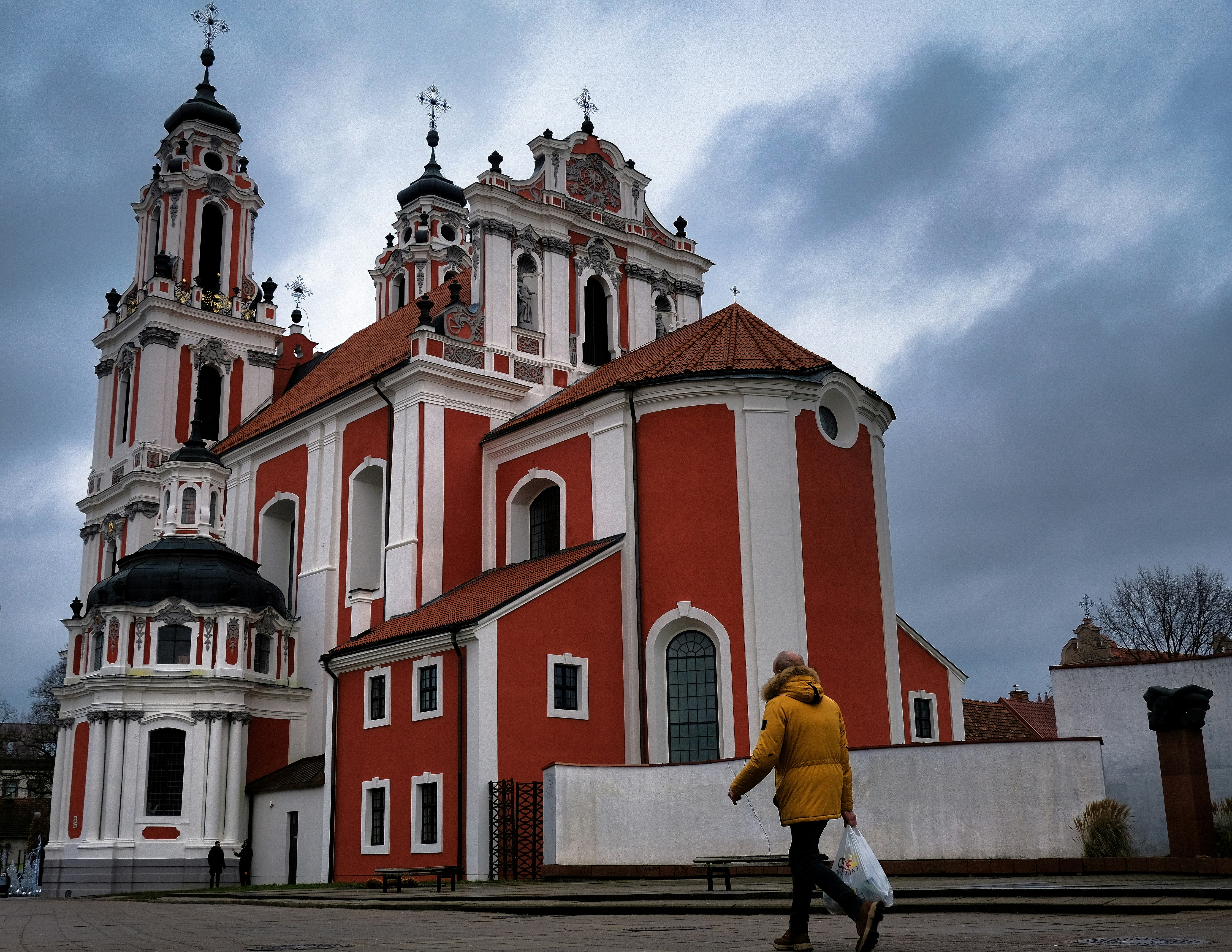
TL;DR: Is Lithuania Safe for Travellers?
Yes—Lithuania is generally a safe destination for tourists, and the latest U.S. Department of State advisory rates it Level 1: Exercise Normal Precautions. Most visitors experience no serious problems, but petty theft, nightlife-related incidents, traffic risks, and seasonal weather deserve attention. Lithuania uses one nationwide emergency number: dial 112 for police, ambulance, or fire services, with English-speaking operators available.
Use normal city precautions in Vilnius, Kaunas, Klaipėda, and popular nightlife areas: keep phones and wallets secure, use licensed taxis or reputable ride-hailing, avoid leaving belongings in cars, and take extra care around ATMs and crowded public transport. Before departure, arrange travel insurance covering medical treatment and evacuation, confirm routine vaccinations, and save your accommodation address offline. For convenient arrival connectivity, consider Hello eSIM for Lithuania, which can be activated before departure so maps, translation, and emergency information work as soon as you land.
Lithuania Travel Safety: Crime, Transport, and Everyday Risks
Lithuania travel safety is mostly about preventing ordinary urban problems rather than avoiding dangerous areas: stay alert in crowded places, plan your route after dark, and use trusted transport. Vilnius’s Old Town, railway and bus stations, nightlife streets, and busy festivals are the places where visitors should be most mindful of pickpocketing and overcharging. The country’s Level 1 travel advisory reflects that normal precautions are generally sufficient.
Practical habits make a noticeable difference:
- Carry only the cash and cards you need, and keep a backup payment method separately.
- Avoid displaying expensive watches, cameras, or phones in crowded streets.
- Do not leave passports, luggage, or electronics visible inside rental cars; vehicle break-ins can occur.
- Use indoor bank ATMs or machines in well-lit locations rather than isolated cash machines.
- Check pedestrian crossings carefully, especially in winter when darkness, snow, and ice reduce visibility.
- Keep emergency accommodation details and your passport copy in cloud storage and offline on your phone.
Lithuania’s intercity buses and trains are useful for travellers, while walking is often easiest in central Vilnius and Kaunas. In rural areas, allow extra time for poor lighting, uneven pavements, and changing weather.
Lithuania Scams and How to Avoid Them
The most common Lithuania scams are small-scale tourist tricks—unexpected taxi prices, inflated bar bills, distraction theft, and payment confusion—so checking prices before agreeing to a service is usually enough to avoid trouble. These incidents are more likely around transport hubs, nightlife venues, and crowded tourist areas than in ordinary residential neighbourhoods.
Watch for these scenarios:
- Unlicensed taxis: Agree on the fare before leaving, or use a clearly identified taxi company or reputable ride-hailing service. Never accept a vague “special price” from someone approaching inside a station.
- Nightlife overcharging: Check the menu and prices before ordering, avoid unsolicited invitations to unfamiliar bars, and review the bill carefully before paying.
- Card or ATM distractions: Cover your PIN, keep your card in sight, and decline assistance from strangers at cash machines.
- Pickpocketing diversions: A spill, bump, question, or sudden crowding can be used to separate you from your phone or wallet.
- Fake charity or petition requests: Politely decline pressure-based requests and move to a busy, well-lit place.
Keep receipts for disputed transactions, contact your bank immediately if a card is compromised, and report theft or threats by calling 112. Avoid confrontations; a description, location, time, and screenshots are more useful to police than trying to recover property yourself.
Lithuania Emergency Numbers, Singapore Assistance, and Travel Insurance
For any immediate danger in Lithuania, dial 112 for police, ambulance, or fire services; the number is free from mobile and landline phones, and English-speaking operators may be available. Give your exact location, explain what happened, and keep your phone available in case emergency services call back.
| Need | Number or action | Practical advice |
|---|---|---|
| Police | 112 | Use for theft, assault, road accidents, and immediate threats |
| Ambulance | 112 | State symptoms, location, and whether the person is conscious |
| Fire and rescue | 112 | Give the building address, floor, and visible hazards |
| Singapore diplomatic help | Lithuania is covered by Singapore’s diplomatic network; contact the Ministry of Foreign Affairs’ 24-hour consular assistance channels | Register your trip and save contact details before departure |
Singapore does not maintain a resident embassy in Lithuania. The Embassy of Lithuania in Singapore is located at 18 Robinson Road, #10-01, Singapore 048547, with consular telephone numbers +65 6232 3772 and +65 6232 3773; it cannot provide Singapore consular protection, but it is useful for Lithuania-related consular information.
Choose insurance that covers overseas medical care, emergency evacuation, trip interruption, lost belongings, and activities such as hiking, skiing, or cycling. A European Health Insurance Card is not a substitute for comprehensive insurance, particularly for Singapore-based travellers.
Lithuania Health Advice, Vaccinations, Water, and Seasonal Conditions
Most travellers face low health risks in Lithuania, but a pre-trip medical review is sensible: keep routine vaccinations current, prepare for ticks in wooded areas, and use reliable insurance for unexpected treatment. Health authorities commonly recommend checking protection against measles, tetanus, diphtheria, polio, and influenza; a clinician can advise whether hepatitis A or other vaccines suit your itinerary and medical history.
Lithuania’s municipal tap water in cities such as Vilnius, Kaunas, and Klaipėda is generally considered safe to drink. In rural accommodation using a private well, ask the host about water quality or choose bottled water. Wash produce normally, practise hand hygiene, and pack medication in original labelled containers with copies of prescriptions.
Ticks can be active in forests, parks, and grassy areas, particularly from spring through autumn. Wear long trousers, use insect repellent, stay on paths where possible, and check your skin after hikes. Ask a doctor about tick-borne encephalitis vaccination if you will spend substantial time outdoors.
Lithuanian winters can bring freezing temperatures, slippery pavements, and limited daylight. Wear shoes with good grip, keep devices charged, and avoid walking on unfamiliar frozen lakes or rivers. In summer, carry water and sunscreen for long days outdoors, especially at the Curonian Spit or during countryside excursions.
Solo Female and LGBTQ+ Travel Safety in Lithuania
Solo female travellers and LGBTQ+ visitors can generally travel comfortably in Lithuania by using the same sensible urban precautions applied across Europe: choose well-reviewed accommodation, share your itinerary, moderate alcohol intake, and use prearranged transport late at night. Central Vilnius is accustomed to international visitors, while smaller towns may feel more conservative and less accustomed to visible LGBTQ+ affection.
For solo trips:
- Book accommodation with recent reviews mentioning secure entrances and reliable staff.
- Send your arrival time and accommodation details to someone at home.
- Sit near the driver or other passengers on late buses and trains.
- Keep a charged phone, a small power bank, and offline maps available.
- If a situation feels uncomfortable, enter a hotel, café, pharmacy, or busy shop and ask staff to call help.
Lithuania protects LGBTQ+ people under anti-discrimination laws, and Vilnius hosts LGBTQ+ events, but attitudes can vary. Public affection is usually unremarkable in central tourist areas, yet discretion may be preferable in unfamiliar rural settings or around groups behaving aggressively. Harassment, threats, or violence should be reported through 112. Avoid isolated shortcuts after nightlife, and use a trusted route even when the distance looks short.
Common Questions About Lithuania Travel Safety
Travellers most often ask whether Lithuania is safe at night, whether tap water is drinkable, and what to do if something goes wrong. The short answers are: usually yes with normal precautions, generally yes in municipal areas, and call 112 for urgent police, medical, or fire assistance.
Is Lithuania safe for tourists? Generally yes. The country is rated Level 1 by the U.S. Department of State, meaning travellers should exercise normal precautions. Petty theft and nightlife disputes are more realistic concerns than violent crime for most visitors.
Is Vilnius safe at night? Central areas are commonly busy and comfortable, but avoid deserted streets, poorly lit parks, and unfamiliar nightlife venues alone. Use licensed transport and keep alcohol consumption moderate.
What are Lithuania’s emergency numbers? Lithuania uses 112 for police, ambulance, and fire services. Save it in your phone and provide your exact address or nearby landmark.
Can I drink tap water in Lithuania? Municipal water in major cities is generally safe. In rural properties with private wells, bottled water is the cautious choice.
Do I need travel insurance for Lithuania? Yes. Select cover for medical costs, evacuation, cancellations, baggage, and winter or adventure activities. Keep the insurer’s 24-hour assistance number offline.
How can I stay connected? Hello’s travel companion app combines an eSIM for 200+ countries with planning, budget tracking, and expense splitting. An eSIM from Hello can be activated before departure, while AI receipt scanning and multi-currency expense tools help organise shared costs.
Explore These Destinations
Stay Connected
Ready for Lithuania?
eSIM data, expense splitting, budget tracking, and more. Everything you need for a smooth trip in one app.
Related Articles
Lithuania Currency & Money Guide: Exchange, Cards, and Tips
Currency exchange, credit card acceptance, ATM tips, tipping culture, and money-saving advice for Lithuania.
28 July 2026
Lithuania Visa & Entry Requirements for Singapore Passport Holders
Visa requirements, passport validity, customs allowances, and entry tips for Singapore citizens travelling to Lithuania.
10 July 2026
eSIM for Lithuania: Best Plans, Coverage, and Setup Tips
Everything you need to know about using eSIM in Lithuania. Best data plans, network coverage, and setup instructions.
1 July 2026