Lithuania Cultural Guide: Etiquette, Customs, and Tips
Essential do's and don'ts, greeting customs, dress codes, local phrases, and cultural tips for Lithuania.
By Hello Travel Team
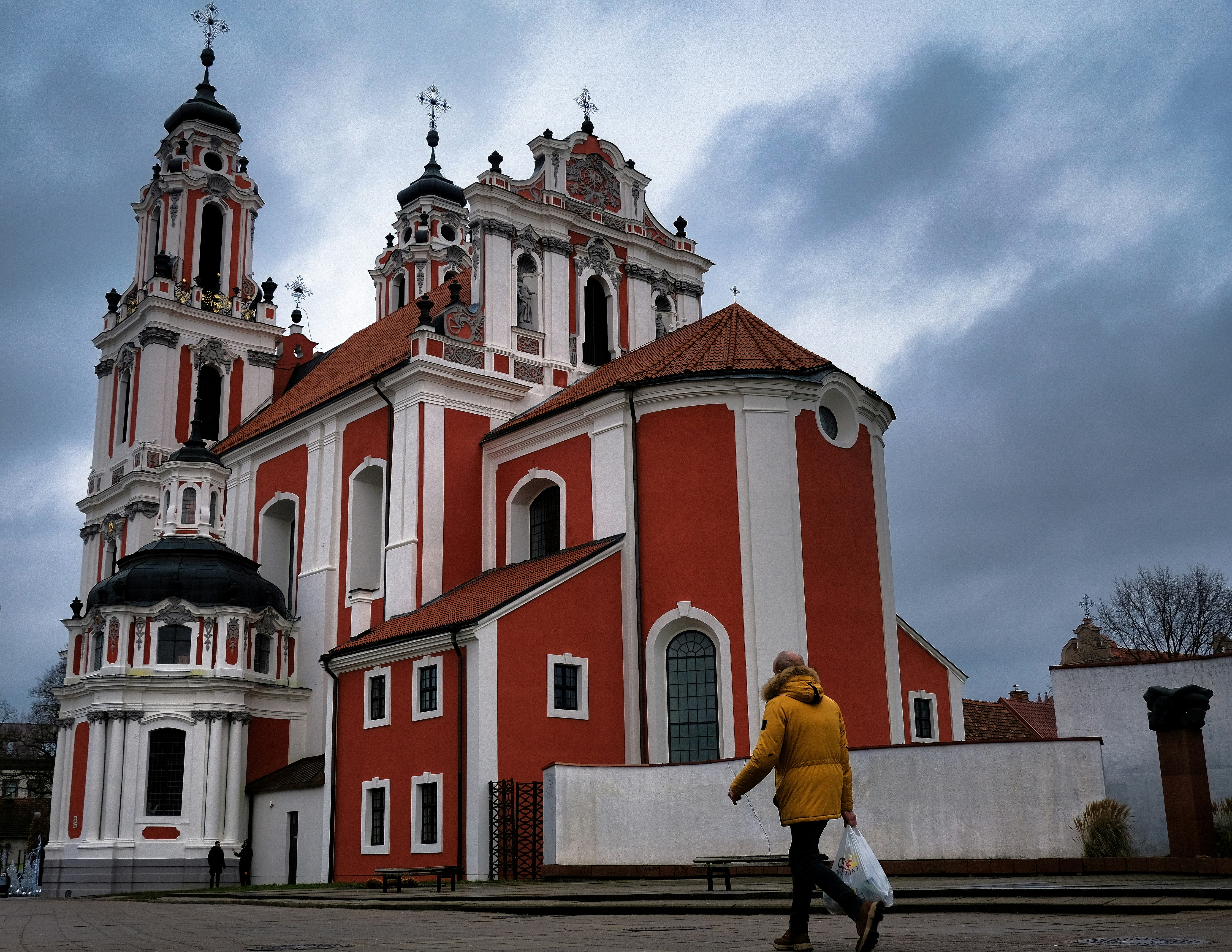
TL;DR: Lithuania Culture, Etiquette, and Essential Dos and Don’ts
Lithuania’s culture blends Baltic traditions, Catholic heritage, and modern European openness, and travellers are expected to be polite, modestly dressed, and respectful of local history and language. A few basic phrases, observant church etiquette, and awareness of holidays will take you a long way.
Think of Lithuania as friendly but reserved at first: people appreciate good manners, punctuality, and sincerity more than over-the-top enthusiasm. Locals tend to value their language and identity strongly—Lithuanian is one of Europe’s oldest languages—so learning a few words like “Labas” (hello) or “Ačiū” (thank you) is a meaningful gesture.
You won’t need rigid rules, but you should avoid loud behaviour in public, be discreet with photography (especially in churches and at memorial sites), and dress neatly when dining out or meeting people. When visiting religious sites such as Vilnius Cathedral or the Hill of Crosses near Šiauliai, modest clothing (covered shoulders and knees) shows respect.
Public transport, restaurants, and attractions increasingly accept cards and contactless payments, and Lithuania ranked among the top EU countries for digital public services in 2024, according to the European Commission. Staying connected with an eSIM from Hello helps you navigate local etiquette tips, transport apps, and language tools without hunting for a local SIM. Overall, a mix of courtesy, curiosity, and a little Lithuanian goes a long way.
Everyday Lithuania Etiquette: Greetings, Dos and Don’ts
Polite greetings, moderate body language, and respect for personal space are at the heart of everyday Lithuania etiquette, and most social situations can be navigated with simple courtesies and a few Lithuanian words. Think calm, friendly, and slightly formal until you know people better.
In cities like Vilnius and Kaunas, the typical greeting is a firm but not crushing handshake, eye contact, and a simple “Labas” (hello) or “Sveiki” (hello, plural/formal). Among friends, you’ll hear “Čia” (hi) and sometimes hugs, but don’t initiate physical contact with strangers unless they do. Using first names usually follows an introduction; in professional settings, start with titles and surnames if you know them.
Key everyday dos:
- Do say “Ačiū” (thank you) and “Prašau” (please/you’re welcome) in shops and cafés.
- Do remove hats in churches and at memorials.
- Do stand to the right on escalators and give up seats to elderly or pregnant passengers on buses.
Key don’ts:
- Don’t speak loudly in public or on public transport.
- Don’t discuss politics, Soviet history, or national identity casually unless locals bring it up—opinions can be strong.
- Don’t assume everyone speaks Russian; English is widely spoken among younger people, especially in Vilnius, where over 90% of young adults report conversational English according to local surveys.
Overall, politeness, low-key behaviour, and a few local phrases will make day-to-day interactions smooth and pleasant.
Language, Local Phrases, and Dress Codes for Churches and Public Spaces
Using simple Lithuanian phrases and following modest dress codes in churches and formal settings shows respect for Lithuania’s customs and helps you connect more authentically with locals. You don’t need fluency—polite basics and appropriate clothing are what matter most.
Lithuanian is the official language, with Russian and Polish present in some regions and English widely understood in major tourist areas like Vilnius Old Town and Klaipėda’s port district. Eurostat data indicate that Lithuania has one of the higher rates of foreign-language proficiency among young adults in the EU as of 2025, especially in English. Still, starting an interaction with Lithuanian is appreciated.
Useful phrases:
- Labas / Sveiki – Hello
- Ačiū – Thank you
- Prašau – Please / You’re welcome
- Atsiprašau – Excuse me / Sorry
- Ar kalbate angliškai? – Do you speak English?
Dress codes matter most in religious and commemorative sites. When visiting churches like Vilnius Cathedral, the Bernardine Church, or the Hill of Crosses:
- Wear clothing that covers shoulders and roughly to the knees.
- Avoid very short shorts, crop tops, and loud slogans on shirts.
- Remove hats; men should remove caps upon entering.
In everyday settings, smart-casual is fine: jeans, clean trainers, and a neat jacket work well even for nicer restaurants where mains cost around €12–18 in 2026. In winter, expect practical layers, a good coat, and waterproof shoes—Lithuania’s climate is continental, and temperatures often drop below 0°C between December and February according to the Lithuanian Hydrometeorological Service.
Photography, Memorial Sites, and Respectful Behavior in Lithuania
You can photograph most Lithuanian streets and attractions freely, but always ask in churches, respect ‘no photography’ signs, and treat memorial sites and local people with sensitivity and discretion. When in doubt, a quick “Ar galiu fotografuoti?” (may I take a photo?) is best.
In Vilnius Old Town, Trakai Castle, and coastal areas like the Curonian Spit, photography is generally welcome, and many spots even encourage sharing on social media. However, churches often have signs indicating whether photography is allowed, restricted, or banned during services. At places such as Vilnius Cathedral or St. Anne’s Church, flash is usually discouraged because it can disrupt worship and damage artworks.
Memorials related to World War II, Soviet repression, and Jewish heritage—like the Paneriai Memorial near Vilnius or Holocaust remembrance sites—require particular sensitivity. Visitors are asked to behave quietly, avoid posing in a playful manner, and not climb on monuments. Lithuania’s government and cultural institutions emphasize respectful conduct at these locations, similar to standards at memorials elsewhere in Europe.
Basic photography etiquette:
- Avoid photographing people, especially children, without permission.
- Ask vendors before photographing market stalls, particularly in smaller towns.
- Do not use drones without checking regulations; Lithuania applies EU aviation rules, and fines for misuse can reach several hundred euros according to the Civil Aviation Administration.
By following signs, asking permission, and keeping memorials solemn, you’ll stay on the right side of Lithuania’s photography customs.
Business Etiquette, Meetings, and Gift-Giving Customs in Lithuania
Lithuanian business etiquette values punctuality, clarity, and modest professionalism, and small, thoughtful gifts work better than anything extravagant or overly personal. Treat meetings as formal at first, and let relationships become more relaxed over time.
Arrive on time—or a few minutes early—for meetings in Vilnius or Kaunas business districts, as punctuality is considered a basic sign of respect. Business attire is generally conservative: suits or smart dresses for formal meetings, and smart-casual (button-down shirts, blouses, dark jeans or slacks) for more informal tech or creative sectors. Lithuania’s booming startup scene, which helped push national GDP per capita above €23,000 in 2025 according to Eurostat, tends to be more relaxed but still avoids overly casual dress for first meetings.
Business etiquette essentials:
- Start with a handshake and direct eye contact.
- Use titles and surnames until invited to use first names.
- Prepare concise presentations; Lithuanians appreciate direct communication.
Gift-giving:
- For business: bring small, neutral gifts like quality chocolate, a book about your city, or branded stationery from your company.
- Avoid very expensive gifts, alcohol in highly formal or governmental contexts, and anything that could be seen as a bribe.
- When visiting someone’s home, flowers, sweets, or a bottle of wine are appropriate; give flowers in odd numbers (even numbers are associated with funerals in many parts of Eastern Europe).
Polite refusal of gifts can happen if rules are strict; don’t take it personally. A sincere card or thank-you email is always appreciated after a meeting.
Lithuania Holidays, Opening Hours, and Planning Around Local Customs
Lithuania’s major holidays—especially Christmas, Easter, and July 6 Statehood Day—can affect opening hours, transport, and crowd levels, so planning around these dates keeps your trip smooth and culturally rewarding. Expect quieter streets and reduced services on key public holidays.
Lithuania’s main public holidays include January 1 (New Year’s Day), February 16 (Restoration of the State of Lithuania), March 11 (Restoration of Independence), Easter Sunday and Monday, May 1 (Labor Day), June 24 (St. John’s Day), July 6 (Statehood Day), August 15 (Assumption Day), November 1–2 (All Saints’ and All Souls’ Days), and December 24–26 (Christmas Eve and Christmas holidays). According to Lithuania’s official public holiday calendar, many businesses close or operate limited hours on these days.
Practical impacts:
- Supermarkets may close early on Christmas Eve and Easter Saturday.
- Smaller museums and independent cafés often close completely on key religious holidays.
- Intercity trains and buses run on reduced schedules, though main routes (Vilnius–Kaunas, Vilnius–Klaipėda) are usually maintained.
| Holiday / Period | Impact on Travel | Traveller Tip |
|---|---|---|
| Christmas (Dec 24–26) | Many closures, family-focused | Book restaurants in advance; expect higher prices for festive menus (€25–40 per person in 2026). |
| Easter (Sun–Mon) | Reduced opening hours | Plan museum visits for days before/after; check schedules online. |
| July 6 Statehood Day | Cultural events, possible crowds | Join flag-raising ceremonies; book accommodation early in Vilnius. |
Using reliable mobile connectivity via a Hello eSIM helps you check opening hours, public transport updates, and local event listings in real time, particularly during holidays when schedules change at short notice.
Common Questions About Lithuania Culture, Etiquette, and Connectivity
Most travellers ask whether Lithuania is friendly, how strict church etiquette is, and whether they need cash or special SIM cards; the country is welcoming, modest but not rigid, and highly digital, so polite behaviour, basic phrases, and good mobile data are what matter most.
Is Lithuania friendly to foreign visitors?
Yes. Lithuanians may seem reserved initially, but they’re generally helpful and welcoming when approached politely. Tourism has grown steadily since 2019, with Vilnius seeing over 1.2 million tourist overnights in 2023 according to the Vilnius Tourism and Business Development Agency, and services in major cities are used to international guests.
Do I need to follow strict rules in churches and religious sites?
Rules aren’t harsh, but respect is expected: dress modestly, keep voices low, turn off flash, and avoid walking in front of people who are praying. If a service is underway, stand quietly at the back rather than wandering for photos.
Is Lithuania a cash or card society?
Lithuania uses the euro, and contactless payments are widely accepted in cities. The European Central Bank reported that card payments accounted for over 50% of point-of-sale transactions in Lithuania by 2024, though small rural shops and markets may still prefer cash.
How should I stay connected and track trip expenses?
Reliable data makes navigating etiquette and transit much easier. An eSIM from Hello lets you arrive in Lithuania already connected, with live data plan prices, and the Hello app’s expense splitting and budget tracking tools help you share costs and monitor spending in euros throughout your trip.
Explore These Destinations
Stay Connected
Make the most of Lithuania
From eSIM connectivity to expense tracking, Hello is the all-in-one companion that keeps your trip stress-free.
Related Articles
Lithuania Currency & Money Guide: Exchange, Cards, and Tips
Currency exchange, credit card acceptance, ATM tips, tipping culture, and money-saving advice for Lithuania.
28 July 2026
Lithuania Safety Guide: Tips for a Safe Trip
Safety tips, health advisories, emergency contacts, common scams, and travel insurance advice for Lithuania.
19 July 2026
Lithuania Visa & Entry Requirements for Singapore Passport Holders
Visa requirements, passport validity, customs allowances, and entry tips for Singapore citizens travelling to Lithuania.
10 July 2026