Key Takeaways
- ✓Lesotho is a high-altitude, nature-focused destination best visited in April–May and September–November for mild weather and good hiking conditions.
- ✓As of 2026, daily budgets range roughly from US$40–60 (budget) to US$150+ (comfort), with most costs coming from accommodation and transport choices.
- ✓Hello eSIM is the simplest way to stay connected across Lesotho, especially when navigating mountain roads and coordinating transport.
- ✓A 3-, 5-, or 10-day itinerary can cover passes, waterfalls, village life, and adventure activities; choose based on your time and comfort with mountain travel.
- ✓Understanding local etiquette and basic safety tips makes interactions smoother and helps you travel respectfully in villages and rural areas.
- ✓You don’t always need a 4x4, but it’s highly useful for remote routes, winter conditions, and flexible, off-the-beaten-path exploration.
- ✓Cash is still important outside major towns, so plan a sensible mix of cash and cards using the dedicated currency and money guide.
- ✓Completing a pre-trip checklist for visas, budget, connectivity, and health preparations ensures you can focus on scenery and experiences instead of logistics.
Lesotho is a high-altitude kingdom wrapped entirely by South Africa, where dramatic mountain passes, pony trekking, and village hospitality make travel feel genuinely off-the-beaten-path. This 2026 Lesotho travel guide pulls everything together: visas, budgets, transport, food, eSIM connectivity, safety, and sample itineraries.
Think of this as your central trip planner for visiting Lesotho. We’ll help you understand the best time to go for hiking or skiing, how much to budget per day, where you’re likely to spend most of your time (like Maseru, Sani Pass, and the Maloti Mountains), and how to stay connected with Hello eSIM while you’re off-grid. You’ll also find practical advice on currency, money handling, and navigating local transport minibuses versus renting a 4x4.
Each section includes links to deeper, focused guides—like detailed itineraries for 3, 5, and 10 days, plus separate articles on safety, cultural etiquette, and food. Use this pillar guide to design your own trip, then click into the cluster articles for day-by-day plans, price breakdowns, and local tips. Whether Lesotho is a quick side trip from South Africa or the star of your adventure, this guide will help you travel confidently, responsibly, and within your budget.
Why Visit Lesotho in 2026
Lesotho offers a rare mix of highland scenery, traditional village life, and adventure activities, making it ideal in 2026 for travellers seeking quieter, nature-focused trips without the crowds of Thailand or Japan.
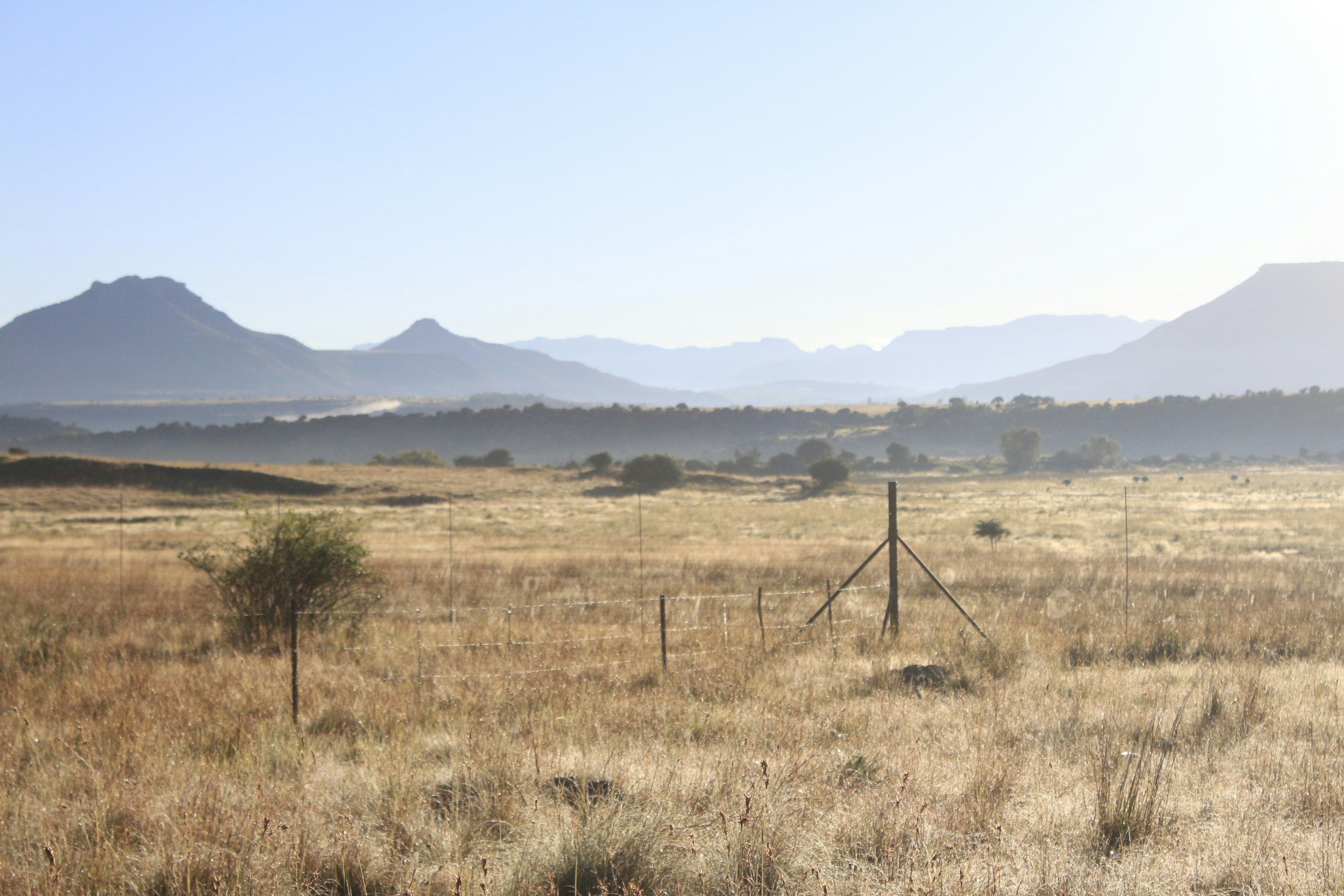
Known as the “Kingdom in the Sky,” Lesotho sits almost entirely above 1,400m, which gives it a cooler climate and crisp mountain air that feels instantly different from surrounding South Africa. You’ll come for sweeping Maloti mountain views, dramatic passes like Sani and Moteng, and a chance to see everyday Basotho life—from horse-mounted herders to village markets—up close, yet respectfully.
Compared to more visited destinations, Lesotho’s tourism infrastructure is modest but growing. That’s part of the charm: guesthouses instead of mega-resorts, locally run lodges, and guides who genuinely know the land. As of 2026, prices remain affordable, especially for food and basic accommodation, making it a strong option for budget and mid-range travellers.
Adventure is a big draw. Think pony trekking between villages, hiking to Maletsunyane Falls, mountain biking on gravel roads, and in winter, skiing at Afriski in the Maloti Mountains. Culture-focused travellers will appreciate the emphasis on community, from homestays to village tours, especially when combined with the etiquette tips in the Lesotho Cultural Guide: Etiquette, Customs, and Tips.
This pillar guide gives you the big-picture view—how long to stay, what kind of budget you need, and whether you should plan a 3-day, 5-day, or 10-day route using the itineraries in 3 Days in Lesotho: A Day-by-Day Itinerary, Lesotho in 5 Days: The Perfect Extended Itinerary, and Lesotho in 10 Days: The Ultimate Travel Itinerary.
Best Time to Visit Lesotho
The best time to visit Lesotho is generally from April to May and September to November, when temperatures are mild, rainfall is lower, and hiking conditions are ideal for most travellers.
Lesotho’s high altitude means four distinct seasons, each offering a different experience. Summer (December–February) brings warm days and afternoon thunderstorms, great for lush landscapes but less ideal for long, exposed hikes. Winter (June–August) is cold, with snow in the highlands—perfect if you’re targeting Afriski and winter scenery, but you’ll need proper layers.
Here’s a quick seasonal overview as of 2026:
| Season (approx.) | Weather & Temps | Best For | Watch Out For |
|---|---|---|---|
| Dec–Feb (Summer) | Warm, 20–30°C; storms | Green scenery, waterfalls | Thunderstorms, muddy roads |
| Mar–May (Autumn) | Mild, 10–25°C | Hiking, road trips | Cooler nights at altitude |
| Jun–Aug (Winter) | Cold, often below 0°C in highlands | Skiing at Afriski, clear skies | Snow, icy roads, very cold nights |
| Sep–Nov (Spring) | Mild–warm, 15–25°C | Trekking, village stays | Changeable weather, wind |
For short visits, consider:
- 3 days: Ideal in shoulder seasons for quick highlights around Maseru and nearby highlands (use 3 Days in Lesotho: A Day-by-Day Itinerary).
- 5 days: Spring or autumn for balanced hiking and cultural experiences (Lesotho in 5 Days: The Perfect Extended Itinerary).
- 10 days: Any time except peak winter if you’re not a fan of cold, combining passes, waterfalls, and village stays (Lesotho in 10 Days: The Ultimate Travel Itinerary).
Weather can change quickly at altitude, so always pack layers, a waterproof jacket, and sturdy shoes, regardless of month.
Lesotho Travel Budget Overview (2026)
As of 2026, most travellers can expect to spend US$40–60 per day on a budget trip, US$70–120 mid-range, and US$150+ for more comfortable or boutique stays in Lesotho.
Lesotho remains relatively affordable compared to many destinations, but costs vary by region and activity. Maseru and tourist hubs near major passes or ski areas tend to be pricier, while rural villages and smaller towns are more budget-friendly. Your biggest cost differences will come from accommodation quality and whether you hire private drivers or guides.
Use Lesotho Travel Budget Guide: Daily Costs and Money Tips for full breakdowns, but here’s a high-level comparison for 2026:
| Style | Daily Budget (approx.) | Typical Accommodation | Key Inclusions |
|---|---|---|---|
| Budget | US$40–60 | Simple guesthouse, basic lodge | Shared transport, local eateries, limited paid activities |
| Mid-range | US$70–120 | Comfortable guesthouse, mid-range lodge | Some private transfers, mix of local and tourist restaurants, guided day trips |
| Comfort / Boutique | US$150–250+ | Boutique lodges, higher-end hotels | Private driver or 4x4 rental, guided trekking, more activities and flexibility |
Money handling in Lesotho is covered in the Lesotho Currency & Money Guide: Exchange, Cards, and Tips, including ATM locations, card acceptance, and tipping norms. As a rule, plan to carry some cash for rural areas and small purchases, but expect card payments at larger hotels and supermarkets.
For itinerary-based estimates, the detailed routes in 3 Days in Lesotho: A Day-by-Day Itinerary, Lesotho in 5 Days: The Perfect Extended Itinerary, and Lesotho in 10 Days: The Ultimate Travel Itinerary include daily cost examples you can adapt to your own style.
Lesotho Travel Budget Guide: Daily Costs and Money Tips
Currency & MoneyLesotho Currency & Money Guide: Exchange, Cards, and Tips
Itineraries3 Days in Lesotho: A Day-by-Day Itinerary
ItinerariesLesotho in 5 Days: The Perfect Extended Itinerary
ItinerariesLesotho in 10 Days: The Ultimate Travel Itinerary
Visa & Entry Requirements (with Singapore Focus)
As of 2026, Lesotho’s visa and entry rules depend on your nationality, with many travellers getting visa-free access for short stays; Singapore passport holders have specific requirements outlined in the dedicated visa guide.
Immigration policies can change, so always confirm details close to your trip. The article Lesotho Visa & Entry Requirements for Singapore Passport Holders explains exactly what Singapore citizens need—covering visa status, passport validity (usually at least six months remaining), proof of onward travel, and any customs allowances.
For non-Singapore travellers, check your own government’s travel advice or contact a Lesotho mission in your region. In general, you should expect:
- A valid passport with enough blank pages for stamps.
- Evidence of accommodation bookings or host contact details.
- Possible proof of sufficient funds and return or onward tickets.
At land borders with South Africa, formalities can feel quick, but it’s important to ensure you are stamped both out of South Africa and into Lesotho to avoid issues later. Keep border entry slips and any paper documents safe; they may be requested when you exit.
If you’re combining Lesotho with regional trips (like South Africa or onward to Japan and Thailand), check how your visas and entry requirements line up, especially if you’re re-entering South Africa multiple times.
The safety considerations around borders, plus the importance of travel insurance and emergency contacts, are covered in Lesotho Safety Guide: Tips for a Safe Trip, which is worth reading before finalising your route.
Getting Around Lesotho: Transport & Driving
Getting around Lesotho in 2026 typically means a mix of shared minibuses, taxis, and—if you want true flexibility—a rented 4x4 or private driver, especially for highland routes and rough roads.
Transport infrastructure is basic but functional. The guide Getting Around Lesotho: Transport Guide for Travellers breaks down airport transfers, local taxis, shared minibuses (often called kombis), and inter-city options. For city-to-town travel, expect informal schedules and departures when vehicles fill up, so build some buffer time into your plans.
Driving your own car or renting a 4x4 gives you the most freedom, particularly for passes like Sani and rugged mountain villages. Road quality varies from paved highways to gravel and steep, sometimes muddy tracks. If you’re not confident driving in mountains, hiring a local driver can be both safer and more relaxing.
A simple decision framework:
- Short stay, sticking to main towns (3 days): Rely on taxis and pre-arranged transfers (see 3 Days in Lesotho: A Day-by-Day Itinerary).
- Mixed towns and highlands (5 days): Combine minibuses with at least one private transfer or day tour (Lesotho in 5 Days: The Perfect Extended Itinerary).
- Exploring remote areas (10 days): Strongly consider a 4x4 or driver, especially in rainy or winter seasons (Lesotho in 10 Days: The Ultimate Travel Itinerary).
For safety, note the advice in Lesotho Safety Guide: Tips for a Safe Trip: avoid night driving where possible, keep valuables out of sight, and check local conditions before tackling major passes. As always, allow extra time—distances look short on the map, but mountain roads slow travel considerably.
Food & Dining in Lesotho
Food in Lesotho is hearty, simple, and affordable, centred around maize, stews, and vegetables, with restaurant meals often costing less than in neighbouring countries as of 2026.
The Lesotho Food Guide: Must-Try Dishes, Prices, and Tips explores local staples like papa (maize porridge), moroho (leafy greens), and meat stews, plus street snacks and where to find modern cafes or hotel restaurants. Expect generous portions and a focus on warmth and comfort—perfect after a chilly day in the highlands.
Prices vary by setting:
- Local eateries and village spots: very budget-friendly.
- Mid-range restaurants in towns: similar to modest restaurants in South Africa.
- Hotel and lodge dining: higher but still reasonable by 2026 global standards.
Dietary needs (vegetarian, halal, gluten-free) are easiest to manage in larger towns and hotels, so consider mentioning requirements when booking. In rural areas, flexibility helps; you may rely on simple combinations of maize, beans, and vegetables.
Food safety tips from the cluster article include sticking to busy places, drinking safe water (bottled or properly treated), and being cautious with raw foods if your stomach is sensitive. Combined with the health guidance in Lesotho Safety Guide: Tips for a Safe Trip, most travellers can enjoy local cuisine without major issues.
Use the price insights from both the food guide and Lesotho Travel Budget Guide: Daily Costs and Money Tips to estimate your daily food budget within the broader cost of your trip.
Top Experiences & Suggested Itineraries
Lesotho’s standout experiences in 2026 range from dramatic mountain passes and waterfalls to pony trekking and village stays, best combined into 3-, 5-, or 10-day itineraries depending on your time.
The cluster itineraries—3 Days in Lesotho: A Day-by-Day Itinerary, Lesotho in 5 Days: The Perfect Extended Itinerary, and Lesotho in 10 Days: The Ultimate Travel Itinerary—offer day-by-day plans with costs and transport tips. Use them as building blocks and adjust based on your interests and budget.
Signature highlights include:
- Mountain passes (like Sani Pass) with sweeping views and hairpin roads.
- Maletsunyane Falls near Semonkong, one of Southern Africa’s dramatic waterfalls.
- Pony trekking through rural villages.
- Village and cultural experiences with local hosts.
- Winter sports at Afriski in the Maloti Mountains.
A simple experience-picker:
- Love scenery & photography: Prioritise passes, waterfalls, and viewpoints (3 or 5 days).
- Love culture & slow travel: Add village visits and homestays (5 or 10 days).
- Love adventure: Focus on trekking, pony trails, and in-season skiing (5 or 10 days).
Pair these with cultural etiquette from Lesotho Cultural Guide: Etiquette, Customs, and Tips so your interactions are respectful and enjoyable. The budget implications of different activities are outlined in Lesotho Travel Budget Guide: Daily Costs and Money Tips, helping you balance paid experiences with free scenic moments.
3 Days in Lesotho: A Day-by-Day Itinerary
ItinerariesLesotho in 5 Days: The Perfect Extended Itinerary
ItinerariesLesotho in 10 Days: The Ultimate Travel Itinerary
Cultural GuideLesotho Cultural Guide: Etiquette, Customs, and Tips
Budget PlanningLesotho Travel Budget Guide: Daily Costs and Money Tips
Staying Connected: Hello eSIM in Lesotho
In 2026, the easiest way to stay online in Lesotho is to use Hello eSIM, giving you instant data access without hunting for local SIM cards or dealing with store queues.
Connectivity is improving in Lesotho, especially in urban areas and along major routes, but coverage still thins out in remote highlands and deep valleys. The guide eSIM for Lesotho: Best Plans, Coverage, and Setup Tips explains which local networks you’ll roam on, approximate coverage, and how to optimise settings on your phone.
With Hello eSIM, you can:
- Activate data before arrival, so maps and messaging work at the border.
- Use apps for navigation, expense tracking, and trip notes within the Hello travel companion.
- Share connectivity effortlessly if you’re travelling with friends, using Hello’s trip planning and expense splitting features.
A few practical tips:
- Download offline maps in case you lose coverage in highland valleys.
- Keep a power bank handy; you’ll likely use your phone often for directions and photos.
- Test your Hello eSIM data speed in Maseru before heading into more remote areas.
If you prefer a hybrid approach, you can combine Hello eSIM with local Wi‑Fi in guesthouses and lodges, but eSIM is particularly useful when navigating mountain roads and coordinating transport. For more detail on setup, troubleshooting, and coverage quirks specifically in Lesotho, follow the steps in eSIM for Lesotho: Best Plans, Coverage, and Setup Tips.
Culture, Safety & Practical Tips
Lesotho is generally welcoming and relaxed, but understanding local culture and taking basic safety precautions makes travel smoother and safer in 2026.
The Lesotho Cultural Guide: Etiquette, Customs, and Tips covers greetings, dress norms, and how to behave respectfully in villages. Simple steps—like greeting elders first, asking permission before photos, and dressing modestly outside tourist hubs—go a long way in building positive interactions.
On safety, Lesotho Safety Guide: Tips for a Safe Trip outlines common issues and how to avoid them, from minor petty theft risks in busy areas to road safety on mountain passes. Key points include:
- Keep valuables discreet and use hotel safes where available.
- Avoid walking alone late at night in unfamiliar areas.
- Check weather and local advice before tackling major passes or travelling during storms.
Health-wise, standard travel insurance that covers medical care and mountain activities is advisable. Access to healthcare facilities is best in larger towns; in remote areas, you may be far from clinics, so carry basic medication and any personal prescriptions.
The Lesotho Currency & Money Guide: Exchange, Cards, and Tips adds practical financial advice: bring a mix of cards and cash, expect ATMs mainly in towns, and learn typical tipping norms for guides and drivers.
Combine these cluster guides with common-sense habits—sharing your itinerary with someone back home, using Hello to store key documents, and keeping emergency contacts handy—and you’ll be well set up for a safe, culturally respectful visit.
Before You Go: Checklist for a Smooth Lesotho Trip
A simple pre-departure checklist helps ensure your 2026 Lesotho trip runs smoothly, from visas and budget planning to connectivity and safety preparations.
Use this section as a quick cross-check against more detailed cluster articles:
Documents & Entry
- Confirm visa needs and passport validity using Lesotho Visa & Entry Requirements for Singapore Passport Holders (and your country’s official advice).
- Print or save digital copies of bookings and travel insurance.
Money & Budget
- Decide on your daily budget bracket (budget, mid-range, comfort) using Lesotho Travel Budget Guide: Daily Costs and Money Tips.
- Plan how much cash vs card to carry based on Lesotho Currency & Money Guide: Exchange, Cards, and Tips.
Itinerary & Transport
- Choose between 3-, 5-, or 10-day routes with 3 Days in Lesotho: A Day-by-Day Itinerary, Lesotho in 5 Days: The Perfect Extended Itinerary, and Lesotho in 10 Days: The Ultimate Travel Itinerary.
- Decide whether you’ll rely on public transport or book a 4x4/driver using Getting Around Lesotho: Transport Guide for Travellers.
Connectivity & Safety
- Set up Hello eSIM following eSIM for Lesotho: Best Plans, Coverage, and Setup Tips.
- Read Lesotho Safety Guide: Tips for a Safe Trip and store emergency contacts.
Culture & Packing
- Review etiquette basics via Lesotho Cultural Guide: Etiquette, Customs, and Tips.
- Pack layers for altitude, a waterproof jacket, sturdy shoes, and any personal medications.
Completing this checklist before departure saves time on the ground and lets you focus on the mountains, markets, and memorable experiences instead of logistics.
Lesotho Visa & Entry Requirements for Singapore Passport Holders
Budget PlanningLesotho Travel Budget Guide: Daily Costs and Money Tips
Currency & MoneyLesotho Currency & Money Guide: Exchange, Cards, and Tips
Itineraries3 Days in Lesotho: A Day-by-Day Itinerary
ItinerariesLesotho in 5 Days: The Perfect Extended Itinerary
ItinerariesLesotho in 10 Days: The Ultimate Travel Itinerary
Getting AroundGetting Around Lesotho: Transport Guide for Travellers
eSIM & ConnectivityeSIM for Lesotho: Best Plans, Coverage, and Setup Tips
Cultural GuideLesotho Cultural Guide: Etiquette, Customs, and Tips
Safety & HealthLesotho Safety Guide: Tips for a Safe Trip
Frequently Asked Questions
How many days do I need in Lesotho?
For most travellers in 2026, 3–5 days is enough for key highlights around Maseru, a major pass, and one village or waterfall; 10 days suits slower travel with multiple regions. Use 3 Days in Lesotho: A Day-by-Day Itinerary, Lesotho in 5 Days: The Perfect Extended Itinerary, and Lesotho in 10 Days: The Ultimate Travel Itinerary to choose.
Is Lesotho safe to visit in 2026?
Lesotho is generally safe for visitors who take normal precautions, especially regarding petty theft and road safety. Avoid walking alone late at night, secure valuables, and check weather before mountain drives. For detailed guidance, including health considerations and emergency contacts, see Lesotho Safety Guide: Tips for a Safe Trip.
Do I need a 4x4 to explore Lesotho?
You don’t always need a 4x4, but it helps for remote highland routes and during wet or winter conditions. Many main roads are paved and can be driven in standard vehicles, while rural tracks and steep passes are better in a 4x4. For a breakdown by route and season, see Getting Around Lesotho: Transport Guide for Travellers.
What’s a realistic daily budget for Lesotho?
As of 2026, budget travellers typically spend US$40–60 per day, mid-range travellers US$70–120, and comfort-focused visitors US$150+. This includes accommodation, meals, transport, and basic activities. For detailed category breakdowns and money-saving tips, read Lesotho Travel Budget Guide: Daily Costs and Money Tips.
How do I stay connected with mobile data in Lesotho?
The simplest option in 2026 is Hello eSIM, which lets you activate data before arrival and use the Hello app for trip planning, expense tracking, and navigation. Local coverage is best in towns and along major routes, with patchier signal in remote highlands. For setup instructions and coverage notes, see eSIM for Lesotho: Best Plans, Coverage, and Setup Tips.
Are vegetarian and special dietary options available?
Yes, but choice can be limited in rural areas. Larger towns and hotels offer more vegetarian and special-diet options, while village meals lean on maize, beans, and vegetables with occasional meat. It’s wise to mention dietary needs when booking accommodation. For specifics on dishes and prices, check Lesotho Food Guide: Must-Try Dishes, Prices, and Tips.
What cultural etiquette should I know before visiting villages?
Key etiquette includes greeting elders first, dressing modestly, asking permission before photos, and being respectful around homes and livestock. Small gestures of appreciation, like buying from local shops, are welcomed. For more detailed do’s and don’ts, phrases, and customs, read Lesotho Cultural Guide: Etiquette, Customs, and Tips.
eSIM Plans for Lesotho
Detailed Articles
Dive deeper into specific topics covered in this guide.
Lesotho Cultural Guide: Etiquette, Customs, and Tips
Essential do's and don'ts, greeting customs, dress codes, local phrases, and cultural tips for Lesotho.
4 June 2026
3 Days in Lesotho: A Day-by-Day Itinerary
A detailed 3-day itinerary for Lesotho with daily activities, costs, neighborhoods, and transport tips.
12 June 2026
Lesotho in 5 Days: The Perfect Extended Itinerary
A detailed 5-day itinerary for Lesotho with daily activities, costs, neighborhoods, and transport tips for an extended stay.
7 May 2026
Lesotho in 10 Days: The Ultimate Travel Itinerary
A comprehensive 10-day itinerary for Lesotho covering top attractions, hidden gems, daily costs, and transport between cities.
21 June 2026
Lesotho Travel Budget Guide: Daily Costs and Money Tips
How much does it cost to travel in Lesotho? Daily budget breakdowns for budget, mid-range, and luxury travellers.
26 February 2026
Lesotho Currency & Money Guide: Exchange, Cards, and Tips
Currency exchange, credit card acceptance, ATM tips, tipping culture, and money-saving advice for Lesotho.
28 July 2026
Lesotho Visa & Entry Requirements for Singapore Passport Holders
Visa requirements, passport validity, customs allowances, and entry tips for Singapore citizens travelling to Lesotho.
10 July 2026
Lesotho Safety Guide: Tips for a Safe Trip
Safety tips, health advisories, emergency contacts, common scams, and travel insurance advice for Lesotho.
19 July 2026
More Travel Guides
Destination Guide
Complete Bosnia and Herzegovina Travel Guide 2026
Everything you need to know about travelling to Bosnia and Herzegovina — budget, visa, food, transport, eSIM connectivity, and itineraries.
Destination Guide
Complete Bahamas Travel Guide 2026
Everything you need to know about travelling to Bahamas — budget, visa, food, transport, eSIM connectivity, and itineraries.
Destination Guide
Complete Bahrain Travel Guide 2026
Everything you need to know about travelling to Bahrain — budget, visa, food, transport, eSIM connectivity, and itineraries.
Destination Guide
Complete Sint Eustatius Travel Guide 2026
Everything you need to know about travelling to Sint Eustatius — budget, visa, food, transport, eSIM connectivity, and itineraries.