Lesotho Travel Budget Guide: Daily Costs and Money Tips
How much does it cost to travel in Lesotho? Daily budget breakdowns for budget, mid-range, and luxury travellers.
By Hello Travel Team
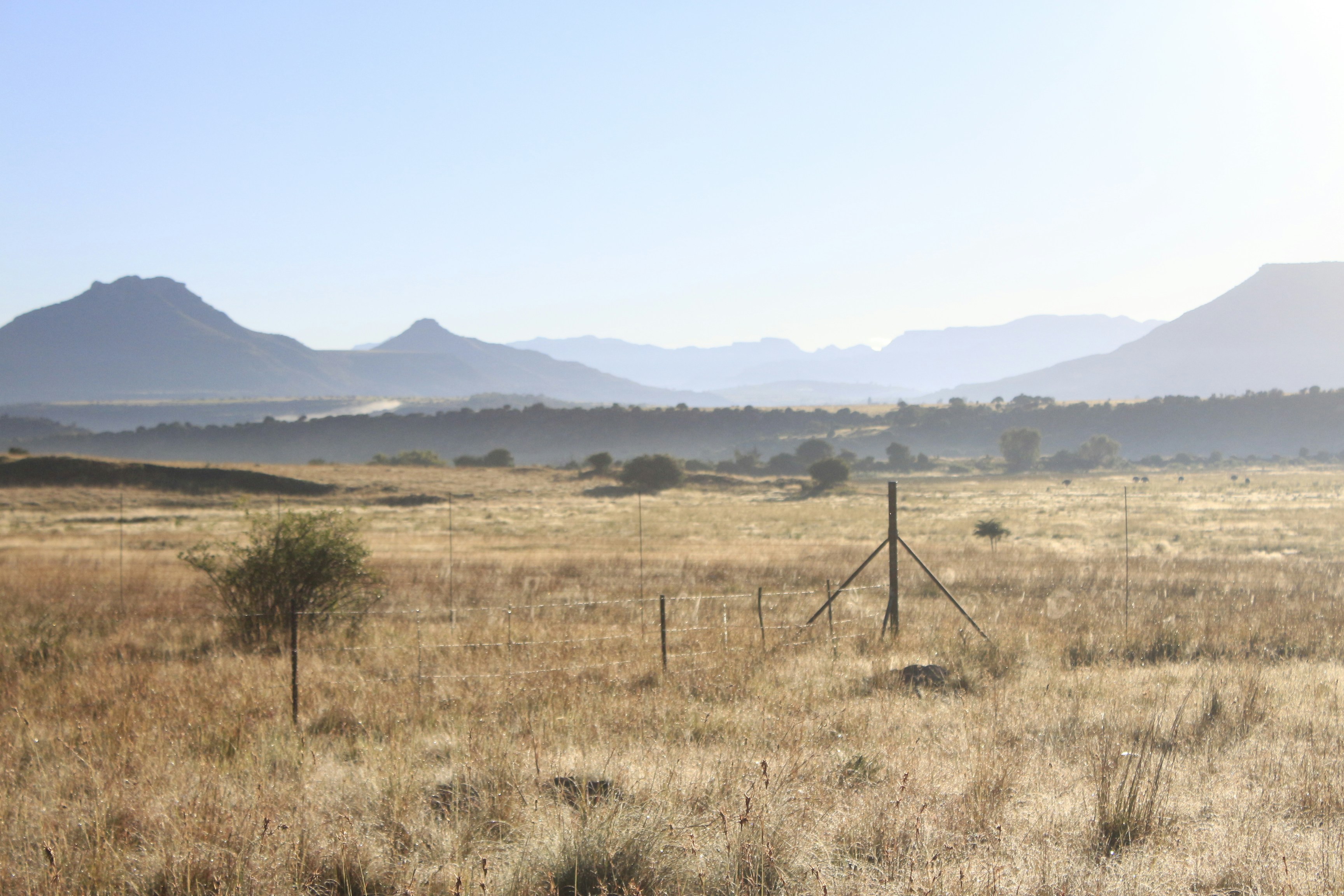
Lesotho Travel Budget Guide: TL;DR Daily Costs
A realistic Lesotho travel budget is about M500–M900 per person per day for budget travel, M1,200–M2,500 for mid-range travel, and M3,500 or more for luxury, excluding international flights. Lesotho’s loti is pegged to the South African rand, and South African rand notes are widely accepted, making prices relatively easy to understand for regional travellers. In 2025, Lesotho recorded 787,069 international arrivals, according to the country’s tourism statistics, so accommodation and transport can become more competitive during busy events and holiday periods.
For a seven-day trip, estimate approximately M3,500–M6,300 on a budget, M8,400–M17,500 at mid-range, or M24,500-plus for luxury, before flights and major adventure activities. The largest variables in your Lesotho travel cost are transport, whether you travel independently or with a driver, and the type of mountain accommodation you choose.
A practical daily allowance should cover:
- Accommodation: M180–M2,500
- Food and drinks: M150–M900
- Local transport: M80–M1,000
- Activities and park fees: M50–M700
- Extras and contingency: M50–M300
Use the Lesotho destination guide to plan routes between Maseru, Semonkong, Thaba-Bosiu and the highlands before setting your final budget.
Lesotho Daily Expenses by Travel Style
Most travellers can explore Lesotho comfortably for M1,200–M2,500 per day, while backpackers who use public transport and local eateries can spend less and luxury travellers can exceed M3,500. These estimates apply to 2026 planning and exclude international airfare.
| Travel style | Accommodation | Food | Transport | Activities and extras | Estimated daily total |
|---|---|---|---|---|---|
| Budget | M180–M500 | M150–M300 | M80–M250 | M50–M150 | M500–M900 |
| Mid-range | M700–M1,400 | M300–M600 | M250–M600 | M150–M400 | M1,200–M2,500 |
| Luxury | M1,800–M4,000+ | M700–M1,200 | M700–M1,500 | M300–M800 | M3,500–M7,500+ |
Budget travellers can use hostels, basic guesthouses or campsites, eat at local cafés, and share taxis or minibus transport. Mid-range visitors usually choose comfortable lodges, private transfers for longer journeys and a mix of restaurants and informal meals. Luxury costs rise quickly in remote mountain areas because transfers, guides and full-board lodge packages are often bundled together.
For a seven-day itinerary, a mid-range traveller should set aside around M8,400–M17,500, plus a reserve for weather delays, extra fuel or an unplanned night near the highlands. Prices may increase during festivals, school holidays and the annual Roof of Africa motorcycle event.
Lesotho Accommodation Prices in Maseru and the Highlands
Accommodation is usually the second-largest part of a Lesotho budget: expect M180–M500 for a basic bed or campsite, M700–M1,400 for a comfortable double room, and M1,800 or more for an upscale lodge in 2026. Remote mountain stays often cost more because supplies and staff travel farther.
In Maseru, budget guesthouses and hostels are the best choice for travellers spending a night before or after crossing the border. A simple room may cost around M400–M700, while a comfortable hotel room commonly falls between M900 and M1,500, depending on breakfast, parking and location. Near Semonkong, Malealea and the Maletsunyane Falls area, lodge prices often include breakfast or guided activities, so compare the total package rather than the room rate alone.
Camping can reduce accommodation costs to approximately M100–M250 per person, but check whether showers, firewood, meals and four-wheel-drive access are charged separately. In the highlands, a basic room without reliable heating may be uncomfortable during winter nights, so paying extra for blankets, a heater or dinner can be worthwhile.
Book ahead for weekends and public holidays. Lesotho’s 2024 tourism report recorded 960,361 arrivals, while the following year saw 787,069 arrivals, showing that demand can fluctuate significantly by season and event calendar.
Food, Drinks and Restaurant Costs in Lesotho
Food is one of the easiest ways to control Lesotho daily expenses: budget M150–M300 per person per day for local meals, M300–M600 for a mid-range mix, and M700 or more for lodge dining and drinks. Prices are generally lower outside major hotels, although remote lodges may have limited alternatives.
A simple breakfast of porridge, bread, eggs or tea can cost around M40–M100 at a local café. For lunch, allow M60–M150 for a filling plate such as pap with meat, beans, vegetables or chicken. A casual dinner in Maseru may cost M120–M250, while hotel or lodge meals commonly reach M250–M500 per person, particularly when a set menu is included.
Carry snacks and water when travelling through the mountains. Shops become less frequent outside Maseru, and a long drive to Semonkong or Mokhotlong may leave few options between settlements. A supermarket stop in Maseru can provide bread, fruit, bottled water and snacks for roughly M100–M250 per day.
Try local dishes respectfully, ask about portion sizes, and carry cash for small cafés and roadside vendors. Tipping is not always mandatory, but rounding up or leaving approximately 5–10% for good restaurant service is appreciated.
Transport Costs and Mountain Route Planning
Transport can change the answer to “how much does a Lesotho trip cost?” more than any other category: shared minibuses are cheapest, while a private vehicle or driver may cost M700–M1,500 or more per day before fuel. Distances look short on a map, but winding mountain roads make journeys slower than expected.
In Maseru, local minibus rides may cost approximately M15–M40, while longer shared routes to towns such as Mafeteng, Mohale’s Hoek or Mokhotlong often cost M80–M250, depending on distance and vehicle availability. Taxis are convenient but should be negotiated before departure. For remote destinations, ask your accommodation about the latest departure point and timetable because services may not run frequently.
A rental car can be excellent for independent travellers, particularly on paved routes, but a high-clearance vehicle is safer for mountain tracks and rural roads. Allow M700–M1,500 per day for a rental vehicle, plus fuel, insurance and possible one-way charges. A private driver-guide may cost more but reduces navigation stress and helps with weather-related route changes.
Public transport accounted for 99% of recorded transport arrivals in Lesotho’s 2024 tourism report, reflecting the importance of road travel. Build in daylight driving, keep fuel topped up, and avoid assuming that every lodge can arrange a last-minute transfer.
Activities, Entrance Fees and Money-Saving Tips
Plan M50–M700 per day for activities, depending on whether you choose self-guided sightseeing or book horse riding, hiking, a guide or a private excursion. Lesotho’s most memorable experiences—mountain scenery, village visits, waterfalls and pony trekking—often cost less than organised adventure tours but require more planning.
Allow roughly M50–M150 for smaller heritage or local attraction fees, and check current prices before travelling because charges can change. Guided hikes, pony treks and transfers to places such as Maletsunyane Falls or remote highland villages may cost M250–M700 per person, especially when transport and equipment are included. Thaba-Bosiu is an accessible cultural stop from Maseru; the site recorded 25,574 visitors in 2025, according to Lesotho’s tourism authorities.
Money-saving strategies include:
- Travel with one or two companions and split a private transfer or rental car.
- Stay two nights in remote areas to avoid paying for repeated long transfers.
- Choose accommodation with breakfast and dinner included.
- Carry South African rand and small maloti notes for rural purchases.
- Keep a 10–15% emergency buffer for weather, road delays and price changes.
The Hello app can scan receipts in different currencies, categorise spending automatically and split shared costs with friends. That is particularly useful when one traveller pays for fuel, lodge transfers or a group pony trek.
Common Questions About Lesotho Travel Cost
The short answer is that a careful traveller can visit Lesotho for M500–M900 per day, while a comfortable trip usually costs M1,200–M2,500 per day; the biggest uncertainty is transport into the mountain districts.
Is Lesotho expensive to visit? Lesotho is often affordable for travellers using local transport, guesthouses and cafés. Remote lodges, private drivers and adventure activities can make the trip significantly more expensive than a Maseru city break.
Can I use South African rand in Lesotho? Yes. The loti is pegged to the South African rand, and rand notes are commonly accepted. Keep smaller denominations because rural shops and transport operators may have limited change.
How much cash should I carry? Carry enough cash for at least one day of food, transport and accommodation outside Maseru. Cards may work at established hotels and restaurants, but connectivity and payment facilities are less dependable in rural areas.
What is a reasonable seven-day Lesotho budget? Allow M3,500–M6,300 for budget travel, M8,400–M17,500 for mid-range travel, or M24,500-plus for luxury, excluding flights.
How can I stay connected while tracking spending? Buy and activate an eSIM from Hello for Lesotho before departure so maps, bookings and payment information are accessible on arrival. Hello also supports multi-currency budget tracking, receipt scanning, bank-statement imports and expense splitting.
Explore These Destinations
Stay Connected
🇱🇸 eSIM Plans for Lesotho
Track your Lesotho trip budget
Split expenses with friends, track spending by category, and see real-time currency conversions — all in one app.
Related Articles
Lesotho Currency & Money Guide: Exchange, Cards, and Tips
Currency exchange, credit card acceptance, ATM tips, tipping culture, and money-saving advice for Lesotho.
28 July 2026
Lesotho Safety Guide: Tips for a Safe Trip
Safety tips, health advisories, emergency contacts, common scams, and travel insurance advice for Lesotho.
19 July 2026
Lesotho Visa & Entry Requirements for Singapore Passport Holders
Visa requirements, passport validity, customs allowances, and entry tips for Singapore citizens travelling to Lesotho.
10 July 2026