Lesotho Safety Guide: Tips for a Safe Trip
Safety tips, health advisories, emergency contacts, common scams, and travel insurance advice for Lesotho.
By Hello Travel Team
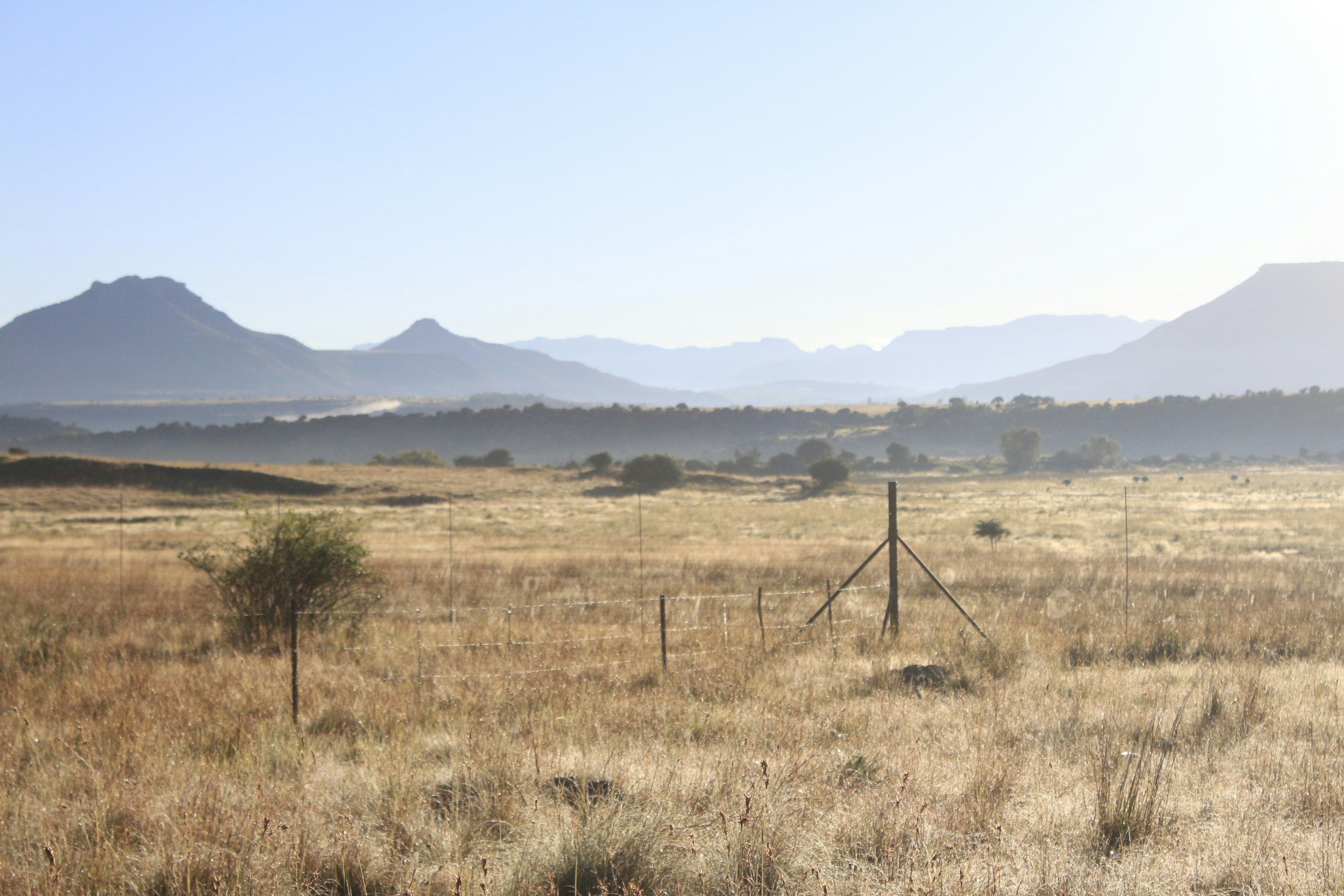
TL;DR: Is Lesotho Safe for Travellers?
Lesotho is generally visitable for prepared travellers, but it requires more caution than a typical resort destination. Most visitors enjoy trouble-free trips by using secure accommodation, avoiding isolated areas after dark, taking care on mountain roads, and arranging travel insurance with medical evacuation cover. Crime, including robbery and carjacking, occurs occasionally, while remote terrain and limited healthcare can make small incidents more serious.
For Lesotho travel safety, keep valuables discreet, use reputable drivers, avoid hitchhiking, and carry offline maps and emergency contacts. Police numbers commonly published by Canadian travel advice are +266 5888 1024 and +266 2232 2099; medical assistance is +266 2831 9539, while fire services include 1-800 10999 and +266 5886 8090. Confirm numbers with your hotel because local service availability can vary. Staying connected with Hello eSIM for Lesotho can help you contact accommodation, guides, insurers, or emergency services when travelling beyond Maseru.
Lesotho Travel Safety: Crime, Transport, and Areas to Watch
Lesotho is not uniformly dangerous, but travellers should treat urban crime, remote roads, and night-time movement as the main practical risks. Official travel advisories report occasional armed robberies and carjackings, while healthcare and emergency response can be limited outside Maseru. These risks do not mean avoiding Lesotho; they mean planning transport and accommodation carefully.
In Maseru, use hotel-arranged taxis or established transfer companies rather than accepting unsolicited rides. Keep car doors locked, windows raised in slow traffic, and bags out of sight. Do not stop in isolated areas to assist strangers, and avoid driving after dark, especially on unfamiliar mountain roads. Heavy rain, poor lighting, livestock, pedestrians, potholes, and winding passes can all make journeys hazardous.
At popular destinations such as Maletsunyane Falls, the Maloti Mountains, and Sehlabathebe National Park, tell someone your route and expected return time. Use a local guide for remote hikes, carry warm layers even in summer, and do not rely solely on mobile coverage. Lesotho’s high altitude can worsen dehydration, sun exposure, and breathlessness, so build in time to acclimatise.
| Situation | Safer choice | Avoid |
|---|---|---|
| Airport or border transfer | Pre-booked driver | Unlicensed touts |
| City transport | Hotel-recommended taxi | Walking alone late |
| Mountain excursion | Registered guide and route plan | Solo off-trail hiking |
| Driving | Daylight and defensive driving | Night driving on remote roads |
Lesotho Scams and How to Protect Your Money
The most effective way to avoid Lesotho scams is to keep transactions simple, confirm prices before accepting services, and use established businesses recommended by your accommodation. Common problems can include inflated taxi fares, unofficial guides, pressured roadside assistance, and requests for payment for services that were never agreed. Visitors should remain polite but firm rather than displaying cash or arguing in isolated places.
Before entering a taxi, agree on the fare and whether it is per person or for the whole vehicle. For tours, horse rides, hikes, and transfers, confirm the total price, inclusions, duration, cancellation terms, and currency in writing. Count change discreetly and keep small denominations available. ATMs and card machines may not always work, so carry a modest emergency cash reserve separately from your wallet.
Do not hand over your passport as security for a casual rental or excursion. Photograph important documents and store copies securely. If a suspected scam becomes confrontational, leave the area and contact your accommodation or local authorities instead of escalating. Hello’s app can help groups track shared spending, scan receipts in different currencies, split costs automatically, and compare actual expenses with a trip budget—useful when several travellers are paying for fuel, guides, or accommodation.
Lesotho Emergency Numbers, Embassy Help, and Connectivity
In an emergency, move to a safe location first, call the relevant service, and provide your exact landmark, phone number, and number of people affected. Published contacts include police at +266 5888 1024 or +266 2232 2099, medical assistance at +266 2831 9539, and firefighters at 1-800 10999, +266 5886 8090, or +266 6358 0347. Save them before departure and ask your accommodation to confirm current local numbers.
Ambulance reliability may be limited, particularly outside Maseru. For serious illness or injury, contact your insurer’s 24-hour assistance line as soon as possible and ask whether evacuation to South Africa is required. Keep your passport, policy number, medication list, and emergency contacts accessible offline.
Singapore does not maintain a resident embassy in Lesotho. Singaporean travellers should contact the Singapore High Commission in Pretoria for consular guidance: the published email is singhc_pry@mfa.sg. Registering travel details with Singapore’s Ministry of Foreign Affairs is also sensible for longer or remote trips.
Mobile coverage can be inconsistent in mountain areas. An eSIM from Hello can provide data after arrival for maps, translation, accommodation messages, and insurance calls; activate Hello eSIM for Lesotho before departure so connectivity is available when you land. Keep a printed contact list because a charged phone does not guarantee reception.
Lesotho Health Advice: Vaccinations, Water, and Altitude
Good preparation reduces the most likely health problems in Lesotho: stomach illness, sun exposure, altitude effects, and injuries far from medical facilities. Confirm routine vaccinations before travel, including measles, tetanus, diphtheria, pertussis, polio, influenza, and any other vaccines your clinician recommends. Hepatitis A and hepatitis B may be advised depending on itinerary and activities; yellow fever certification is required when arriving from a country with yellow fever transmission.
Travel health authorities recommend bottled water with an intact seal or properly boiled water, particularly outside established hotels. In Maseru, tap water may be potable, but ask locally and request bottled water and no ice if uncertain. Avoid raw or undercooked food, unpasteurised products, and salads that may have been washed with unsafe water. Do not swim or wade in freshwater streams, rivers, lakes, or dams because contaminated water can transmit infections such as schistosomiasis.
Lesotho’s high elevation can cause headache, fatigue, dizziness, or shortness of breath. Ascend gradually, drink water, limit alcohol during the first day or two, and seek medical advice if symptoms become severe. Pack prescription medicines in original packaging plus extra supplies, as pharmacies may be limited and medicines may not be consistently stocked. Protect yourself from strong sun and cold nights, even during warmer months.
Solo Female and LGBTQ+ Travel Safety in Lesotho
Solo women can travel in Lesotho successfully, but extra planning makes the experience safer: use reputable accommodation, prearrange transfers, avoid isolated walks after dark, and share daily plans with a trusted contact. Dress modestly in villages and ask before photographing people, homes, ceremonies, or children. Lesotho’s communities are often welcoming, but local customs and expectations may differ from those at home.
For hikes, horse treks, and visits to remote villages, use a guide or established tour operator rather than accepting an invitation from someone encountered on the road. Keep emergency cash, identification, a charged phone, and a whistle or personal alarm accessible. If you feel uncomfortable with a driver or guide, go to a hotel, lodge, police station, or busy public venue.
LGBTQ+ travellers should research current local conditions and exercise discretion in public displays of affection. Same-sex relationships are legal, but social attitudes can be conservative, particularly in rural communities. Choose accommodation with credible reviews, avoid discussing private matters with strangers, and seek advice from local LGBTQ+ or diplomatic resources before travelling. These precautions are about respecting local context and reducing unwanted attention, not hiding who you are.
Travel with a buddy system for nightlife and keep someone informed when changing locations. Hello’s expense-splitting and location-sharing routines can also help a group keep track of transport and accommodation plans without repeatedly exchanging cash.
Travel Insurance for Lesotho and Common Questions
Travel insurance for Lesotho should include emergency medical treatment, evacuation to South Africa, repatriation, trip interruption, baggage loss, and activities such as hiking, horseback riding, 4WD travel, or skiing if planned. Standard policies may exclude high-altitude trekking, riding without an approved operator, or driving a motorcycle, so check the wording before paying. Medical facilities and ambulance services can be inadequate, and remote locations may make evacuation expensive.
Buy cover as soon as major bookings are made, keep the policy and assistance number offline, and obtain approval before non-urgent treatment whenever possible. Keep receipts, medical reports, police reports, and proof of cancelled transport. A policy limit that looks generous for routine treatment may be insufficient for an air evacuation.
Common questions
Is Lesotho safe for tourists? Generally yes, with sensible precautions. Crime and road risks exist, and remote healthcare means preparation matters more than in a densely connected destination.
What are the Lesotho emergency numbers? Published contacts include police +266 5888 1024 or +266 2232 2099, medical assistance +266 2831 9539, and fire services 1-800 10999 or +266 5886 8090. Verify locally.
Can I drink tap water in Lesotho? Maseru tap water may be potable, but bottled or boiled water is the safer default elsewhere; avoid unverified ice.
Should I get travel insurance? Yes. Medical evacuation and remote-area cover are strongly recommended, especially for mountain itineraries.
Explore These Destinations
Stay Connected
🇱🇸 eSIM Plans for Lesotho
Ready for Lesotho?
eSIM data, expense splitting, budget tracking, and more. Everything you need for a smooth trip in one app.
Related Articles
Lesotho Currency & Money Guide: Exchange, Cards, and Tips
Currency exchange, credit card acceptance, ATM tips, tipping culture, and money-saving advice for Lesotho.
28 July 2026
Lesotho Visa & Entry Requirements for Singapore Passport Holders
Visa requirements, passport validity, customs allowances, and entry tips for Singapore citizens travelling to Lesotho.
10 July 2026
eSIM for Lesotho: Best Plans, Coverage, and Setup Tips
Everything you need to know about using eSIM in Lesotho. Best data plans, network coverage, and setup instructions.
1 July 2026