Key Takeaways
- ✓French Guiana in 2026 is a low‑risk, off‑beat destination combining rainforest, rivers, beaches, and a European spaceport, best for curious, moderately adventurous travellers.
- ✓Plan around the tropical climate: August–November is generally the most convenient period for transport and outdoor activities, though travel is possible year‑round.
- ✓Budget roughly €80–250 per person per day depending on travel style, using the Hello app and budget guide articles to refine and track your spending.
- ✓Entry rules follow French territorial standards, with many nationalities visa‑free for up to 90 days; yellow fever vaccination and health prep are essential.
- ✓Transport works well along the Cayenne–Kourou–Saint‑Laurent corridor but requires organized boats or tours for river and interior journeys.
- ✓Food is a rich blend of French, Creole, and regional influences, with great value in markets and street stalls and mid‑range European‑style prices in restaurants.
- ✓Hello eSIM offers strong connectivity in coastal areas and is best combined with offline maps and careful planning for remote regions.
- ✓Using the 3‑, 5‑, and 10‑day itineraries together with safety, culture, and money guides gives you a realistic, well‑rounded blueprint for visiting French Guiana.
French Guiana is one of those places that feels truly off the beaten path: lush Amazonian rainforest, Creole and Amerindian cultures, Atlantic beaches, and rocket launches from the European Spaceport—all while using the euro and French standards of infrastructure as of 2026. This guide is your complete starting point for planning a trip here.
In this Complete French Guiana Travel Guide 2026, you’ll get a clear overview of when to go, how much to budget, visa and entry rules, getting around, food and dining, safety, connectivity, and sample itineraries. We’ll highlight where Hello eSIM and the Hello app make travel easier, from instant data to tracking shared expenses.
Each major topic links to a detailed cluster article, so you can skim this page for the big picture, then dive into specifics like a 3-day or 10-day itinerary, transport between Cayenne and Kourou, or how to manage cash and ATMs. You’ll also find comparison tables, decision frameworks, and a practical “Before You Go” checklist.
Whether you’re here to spot leatherback turtles, cruise the Maroni River, explore rainforest lodges, or watch a rocket launch, this pillar guide will help you build a realistic plan, avoid common mistakes, and travel smarter in French Guiana in 2026.
Why Visit French Guiana in 2026
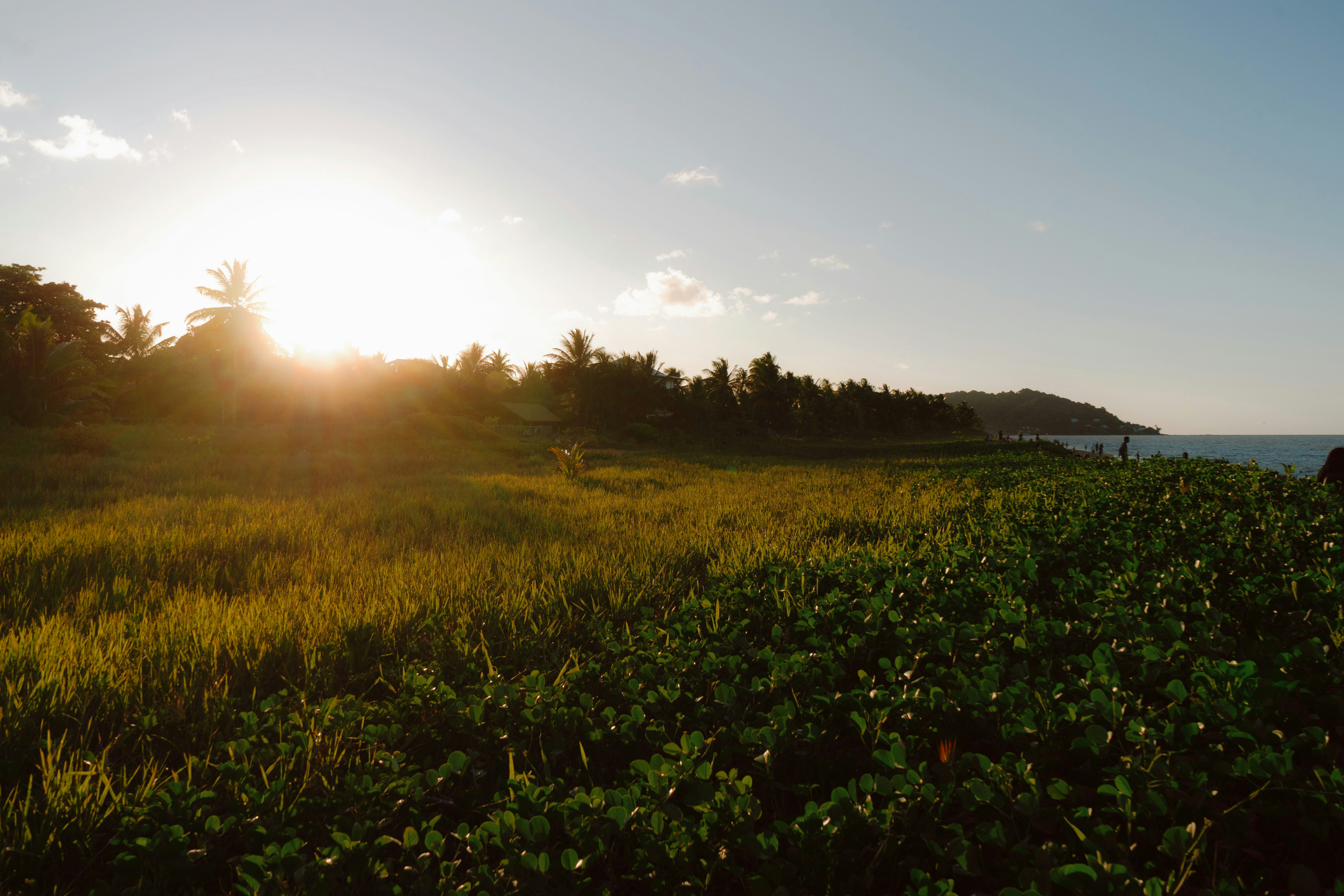
French Guiana in 2026 offers a rare mix of Amazon rainforest, Caribbean‑style coastline, and European‑run spaceport, all in one compact territory that still feels genuinely undiscovered compared with nearby Brazil or Guyana.
French Guiana is an overseas department of France on South America’s north‑east coast, using the euro and following EU standards while being culturally closer to the Caribbean and Amazon basin. Travellers are drawn by three big themes: nature, culture, and science. Coastal towns like Cayenne and Kourou give you markets, street food, and museums; the interior offers rivers, rainforest lodges, and wildlife; and Kourou’s Guiana Space Centre adds the chance to see a rocket launch as of 2026.
This destination suits curious travellers who’ve already seen classic spots like Thailand or Japan and want something more adventurous but still reasonably safe and structured. Crime is generally low, the territory uses the euro, and health precautions are clear and manageable with proper planning.
At a glance, expect:
- Language: French is official; Creole and Amerindian languages are common.
- Currency: Euro (€); see the French Guiana Currency & Money Guide.
- Safety: Generally safe with normal precautions; read the French Guiana Safety Guide: Tips for a Safe Trip.
- Connectivity: Strong coverage in coastal areas; use eSIM for French Guiana: Best Plans, Coverage, and Setup Tips for Hello eSIM setup.
This pillar guide pulls all of that together—costs, visas, transport, food, and itineraries—so you can decide if French Guiana fits your travel style in 2026 and how to make the most of your time here.
Best Time to Visit French Guiana
French Guiana is technically a year‑round destination, but the drier months from August to November offer the best balance of lower rain, easier transport, wildlife viewing, and comfortable sightseeing as of 2026.
French Guiana’s climate is tropical and humid, with temperatures usually between 24–31°C (75–88°F). Instead of four classic seasons, you’ll experience a wet season and a shorter, relatively drier season.
Here’s a simple season comparison:
| Season (approx) | Weather & Rain | Pros | Considerations |
|---|---|---|---|
| Dec–Jun (wet) | Heavy, frequent rain; very humid | Lush rainforest, fewer crowds, lower accommodation prices outside holidays | Some roads/forest tracks harder to access; river levels can affect boat trips |
| Mar "little summer" | Brief lull in rain around March | Good compromise if dates fixed; still green | Weather can be unpredictable; plan flexible activities |
| Aug–Nov (drier) | Less rain, more sun, still humid | Best for hiking, wildlife, and river trips; easier transport | More demand around space launch dates and school holidays |
If you’re targeting rocket launches, check the Guiana Space Centre calendar a few months ahead and build in a few spare days in Kourou in case of schedule changes.
For shorter trips (3–5 days), the drier months make logistics simpler; see 3 Days in French Guiana: A Day-by-Day Itinerary and French Guiana in 5 Days: The Perfect Extended Itinerary. For 10 days or more, the wetter months can work if you focus on river journeys and rainforest stays; use French Guiana in 10 Days: The Ultimate Travel Itinerary to shape your route.
French Guiana Travel Budget Overview
As of 2026, most travellers should plan €80–250 per person per day in French Guiana depending on comfort level, with the euro and remote location pushing prices slightly above many South American neighbours.
French Guiana uses the euro (€), and many imported goods plus limited competition outside major towns mean costs can feel closer to a rural part of France than to budget‑style South America. Your biggest variables will be accommodation, transport (especially private transfers), and guided excursions.
Based on typical 2026 spending patterns, here’s an at‑a‑glance budget table:
| Style | Approx daily budget (per person) | Typical choices |
|---|---|---|
| Budget | €80–120 | Guesthouses, simple hotels, local buses, street food, a few paid excursions |
| Mid-range | €150–220 | Mid‑range hotels, mix of taxis and shuttles, restaurant meals, several organized tours |
| Comfort/Luxury | €250+ | Higher‑end lodges, private transfers, specialized nature or river trips, occasional internal flights/charters |
Use the French Guiana Travel Budget Guide: Daily Costs and Money Tips for detailed line‑item breakdowns, and the French Guiana Currency & Money Guide to understand ATMs, card acceptance, and cash needs.
The Hello app is especially useful here: you can track expenses by category, split costs with friends in real time, and keep your daily average visible against your planned budget. Combined with Hello eSIM for data, you can check live prices for taxis, tours, and restaurants as you go.
Money‑saving tips include travelling in pairs or small groups to share transfers, focusing activities by region to reduce backtracking, and using local snacks and markets as part of your meals rather than eating every lunch and dinner in sit‑down restaurants.
Visa & Entry Requirements (Overview for 2026)
As of 2026, French Guiana follows French and Schengen‑style rules, with many nationalities entering visa‑free for up to 90 days, but you must check your passport’s specific status and yellow fever requirements before you go.
French Guiana is an overseas department of France, so entry rules broadly mirror those for French territories. Many travellers from the EU, UK, and several other regions can enter visa‑free for tourism up to 90 days; others may need a short‑stay visa. Always confirm with your local French consulate or official government site before booking flights.
A crucial point for 2026 is health documentation. Authorities highlight a risk of yellow fever, malaria in interior regions, and other mosquito‑borne diseases. Several official advisories and local operators now treat yellow fever vaccination as compulsory or practically required, especially if arriving from another country in the region. Carry your International Certificate of Vaccination and make sure all routine vaccines are up to date.
Singapore passport holders have specific guidance in French Guiana Visa & Entry Requirements for Singapore Passport Holders, including passport validity (generally 6+ months), customs allowances, and immigration tips. Even if you’re not from Singapore, that article gives a good template for how to prepare.
Simple decision framework:
- Step 1: Check if your nationality has visa‑free access to French territories for up to 90 days.
- Step 2: Confirm passport validity (aim for at least 6 months beyond travel dates).
- Step 3: Arrange yellow fever vaccination and carry proof, especially if transiting other South American countries.
- Step 4: Print your flight and accommodation confirmations; some officers may ask.
For more detailed health and safety considerations, combine the visa article with the French Guiana Safety Guide: Tips for a Safe Trip.
Getting Around French Guiana
Getting around French Guiana in 2026 means combining airport transfers, taxis, limited buses, and river boats, with careful planning needed once you leave the Cayenne–Kourou coastal corridor.
Most visitors arrive via Cayenne–Félix Eboué Airport, about 16–20 km from Cayenne. Airport transfers can be pre‑booked through hotels, taken by taxi, or arranged with local shuttles. Within Cayenne and nearby Rémire‑Montjoly, you’ll find local buses and taxis, though schedules can be irregular.
Key transport modes:
- Coastal travel: Roads between Cayenne, Kourou, and Saint‑Laurent‑du‑Maroni are paved and generally in good condition. Inter‑city buses/shuttles exist but are less frequent than in more touristy countries.
- River travel: Pirogues (motorized river boats) are essential for reaching villages and eco‑lodges along the Maroni and Oyapock rivers.
- Interior access: Many deep‑forest areas require organized tours, 4x4 vehicles, or boat access; self‑drive is not recommended without local knowledge.
The Getting Around French Guiana: Transport Guide for Travellers provides specific routes, typical prices, and driving tips. Combine it with the French Guiana Safety Guide: Tips for a Safe Trip to understand which areas are best visited with reputable guides.
Hello eSIM makes transport coordination far easier: you can message guesthouses, check live bus timetables where available, share your location with travel companions via the Hello app, and adjust plans if strikes or weather affect services. As of 2026, connectivity is strong around coastal towns and patchy in the deep interior, so download offline maps before heading upriver.
A smart strategy is to base in Cayenne or Kourou first, plan day trips and overnights from there, and only then extend to river or forest areas once you’ve confirmed transport options and safety advice locally.
Food & Dining in French Guiana
Food in French Guiana blends French, Creole, Brazilian, and Amerindian influences, with 2026 prices similar to a mid‑range French provincial town and excellent value in local markets and street stalls.
Expect a mix of Creole stews, grilled fish, rice and beans, tropical fruits, and French pastries. Cayenne’s markets are great for tasting local snacks and juices in a casual setting, while bakeries offer baguettes and croissants that feel straight out of mainland France.
Typical 2026 price ranges:
- Local snack or market meal: roughly €5–10
- Simple sit‑down meal: around €12–18
- Mid‑range restaurant dinner: €20–35 per person, excluding alcohol
For a deep dive into specific dishes, dietary options, and food safety, use the French Guiana Food Guide: Must-Try Dishes, Prices, and Tips.
Because French Guiana is hot and humid year‑round, food hygiene is important. Stick to popular stalls with good turnover, drink treated or bottled water where advised, and be cautious with raw seafood away from coastal towns. The French Guiana Safety Guide: Tips for a Safe Trip covers common health issues and how to avoid them.
Hello eSIM helps you quickly check recent restaurant reviews, translate menus from French, and find vegetarian or halal options that might not be obvious just walking around. Use the Hello app’s expense tracking to categorize food spending, so you can see whether those bakery stops and market treats are nudging you above your planned daily budget.
If you have allergies or strict dietary needs, print or save key phrases in French—this is where the French Guiana Cultural Guide: Etiquette, Customs, and Tips and basic language notes become essential.
Top Experiences & Suggested Itineraries
The best of French Guiana in 2026 combines Cayenne’s markets, Kourou’s spaceport, Atlantic beaches, and river‑and‑rainforest adventures, best arranged through realistic 3‑, 5‑, or 10‑day itineraries.
Classic highlights include:
- Cayenne: Colonial architecture, central market, waterfront, and nearby beaches.
- Kourou & Guiana Space Centre: Visitor centre tours and, with luck, a rocket launch.
- Rémire‑Montjoly: Coastal walks and relaxed beaches close to Cayenne.
- Saint‑Laurent‑du‑Maroni: River town vibes and historical sites.
- River & rainforest excursions: Multi‑day trips along the Maroni or Oyapock rivers to villages and eco‑lodges.
To structure these, start with:
- 3 Days in French Guiana: A Day-by-Day Itinerary for a compact coastal and space‑focused visit.
- French Guiana in 5 Days: The Perfect Extended Itinerary to add an extra river or forest day.
- French Guiana in 10 Days: The Ultimate Travel Itinerary for a deeper dive into the interior and multiple regions.
A simple planning decision tree:
- Have 3 days or less? Focus on Cayenne + Kourou and one beach.
- Have 4–7 days? Add a river day trip or overnight in Saint‑Laurent‑du‑Maroni.
- Have 8–10+ days? Include multi‑day river journeys, rainforest lodges, and extra cultural stops.
Use Hello eSIM to stay connected between stops, and the Hello app to keep your itinerary, confirmations, and daily costs in one place. In more remote areas, download key information offline before departure and coordinate exact logistics with local guides, especially for boats and transfers.
Connectivity & Hello eSIM in French Guiana
As of 2026, French Guiana has solid mobile coverage in coastal towns and patchier signal in the interior, making Hello eSIM plus offline planning the best combination for staying connected.
In and around Cayenne, Kourou, and Saint‑Laurent‑du‑Maroni, you can expect 4G data coverage from major local networks, with speeds sufficient for maps, messaging, and basic video calls. Once you travel upriver or deep into forest areas, coverage can drop to 2G/3G or disappear entirely, so plan to be partially offline during remote excursions.
eSIM for French Guiana: Best Plans, Coverage, and Setup Tips explains how to:
- Activate Hello eSIM instantly before or upon arrival.
- Choose suitable data packages based on your trip length and usage.
- Understand which regions have stronger coverage and which require offline maps.
Practical setup advice:
- Activate Hello eSIM while still on reliable Wi‑Fi (home or airport) and test calls or messages.
- Download offline maps for Cayenne, Kourou, and key river routes.
- Store copies of documents, bookings, and contacts in both the Hello app and cloud storage.
The Hello app’s features—trip planning, shared expense tracking, and budget monitoring—work seamlessly with Hello eSIM, letting you coordinate transport, split tour costs, and keep an eye on spending in euros.
In remote areas, agree on communication plans beforehand: tell trusted contacts your route and timing, and confirm with lodges or guides what connectivity they have. This is reinforced in the French Guiana Safety Guide: Tips for a Safe Trip, which encourages saving local emergency numbers and staying informed about weather or strike‑related disruptions.
Culture, Etiquette & Staying Safe
French Guiana in 2026 remains generally safe for travellers with low violent crime, moderate petty theft in some urban areas, and important health considerations like yellow fever and mosquito‑borne illnesses, all navigable with normal big‑city awareness.
Culturally, French Guiana is rich and diverse: Creole, Amerindian, Bushinengue (Maroon), Brazilian, and metropolitan French communities all live side by side. French is the main language, but Creole is widely spoken, and many people appreciate travellers attempting basic French phrases.
The French Guiana Cultural Guide: Etiquette, Customs, and Tips covers greetings, dress norms, and useful expressions. As a rule of thumb:
- Greet with a polite "Bonjour" and a handshake or nod; avoid overly familiar behaviour at first meetings.
- Dress modestly in villages and religious spaces; beachwear is for beaches, not city streets.
- Always ask before taking photos of people or private property.
For safety and health, the French Guiana Safety Guide: Tips for a Safe Trip and official advisories agree on several points:
- Petty theft can occur in some areas of Cayenne, especially after dark—keep valuables discreet.
- Use licensed taxis at night and after visiting ATMs; avoid isolated beaches after dark.
- Yellow fever vaccination is required, and malaria is present in the interior; dengue and chikungunya can occur on the coast.
- Key emergency numbers include 112 (EU emergency from mobiles), 15 (ambulance), 17 (police), and 18 (fire).
Hello eSIM helps you access up‑to‑date local news and advisories, while the Hello app can store emergency contacts and important documents. Combine digital preparation with on‑the‑ground common sense, and you’ll be well‑positioned for a smooth, respectful trip.
Before You Go: Practical Checklist for 2026
A smart 2026 French Guiana trip starts with a clear pre‑departure checklist: documents, health, connectivity, money, and itinerary all prepared before you land in Cayenne.
Use this checklist as a practical framework:
Documents & visas
- Confirm whether your nationality is visa‑exempt or requires a short‑stay visa.
- Ensure your passport has at least 6 months’ validity beyond your trip dates.
- Print or save copies of flight bookings, accommodation, and key transfers.
- Read French Guiana Visa & Entry Requirements for Singapore Passport Holders as a model for entry prep even if you’re not from Singapore.
Health & safety
- Book a travel clinic appointment 4–6 weeks before travel.
- Get yellow fever vaccination and carry your certificate; discuss malaria prevention if visiting the interior.
- Save local emergency numbers (112, 15, 17, 18) and review the French Guiana Safety Guide: Tips for a Safe Trip.
Money & budget
- Read the French Guiana Currency & Money Guide and French Guiana Travel Budget Guide: Daily Costs and Money Tips.
- Decide your daily target budget and set it up in the Hello app for tracking.
- Notify your bank of travel and check card fee structures.
Connectivity & planning
- Activate Hello eSIM using eSIM for French Guiana: Best Plans, Coverage, and Setup Tips.
- Download offline maps for key regions and save your itinerary (3‑, 5‑, or 10‑day) from the relevant articles.
Packing & culture
- Pack light, breathable clothing, a rain jacket, good walking shoes, and strong mosquito repellent.
- Review etiquette and language tips in the French Guiana Cultural Guide: Etiquette, Customs, and Tips.
Check these off before you board, and you’ll arrive ready to focus on experiences rather than logistics.
French Guiana Visa & Entry Requirements for Singapore Passport Holders
Safety & HealthFrench Guiana Safety Guide: Tips for a Safe Trip
Currency & MoneyFrench Guiana Currency & Money Guide: Exchange, Cards, and Tips
Budget PlanningFrench Guiana Travel Budget Guide: Daily Costs and Money Tips
eSIM & ConnectivityeSIM for French Guiana: Best Plans, Coverage, and Setup Tips
Cultural GuideFrench Guiana Cultural Guide: Etiquette, Customs, and Tips
Frequently Asked Questions
Is French Guiana safe to visit in 2026?
Yes. As of 2026, French Guiana is generally considered a low‑risk destination, with no major travel advisories against visiting. Most incidents involve petty theft in some urban areas rather than violent crime. If you follow normal big‑city precautions, use licensed transport at night, and prepare for health risks (yellow fever, mosquito‑borne illnesses), you can expect a smooth trip. The French Guiana Safety Guide: Tips for a Safe Trip offers detailed, up‑to‑date advice.
How much should I budget per day for French Guiana?
In 2026, budget travellers can usually manage on around €80–120 per day, mid‑range travellers on €150–220, and comfort/luxury travellers on €250+ per day, including accommodation, meals, transport, and activities. French Guiana uses the euro and can feel more expensive than some neighbours due to imports and limited competition. Use the French Guiana Travel Budget Guide: Daily Costs and Money Tips and French Guiana Currency & Money Guide, plus the Hello app’s budget tracking, to refine these figures for your style.
Do I need a visa to visit French Guiana?
Many nationalities can visit French Guiana visa‑free for up to 90 days as it is a French overseas department, but rules vary depending on your passport. As of 2026, Singapore citizens, for example, do not need a visa for short tourist stays, provided their passport is valid and other entry conditions are met. Always confirm with official French consular sources and use French Guiana Visa & Entry Requirements for Singapore Passport Holders as a reference for what to check.
What is the best time of year to travel to French Guiana?
You can travel year‑round, but the drier stretch from roughly August to November is often the best time, with less rain, easier road and forest access, and more comfortable conditions for river trips and hiking. The wetter months from December to June bring heavier rain but lush scenery and fewer crowds. If your dates are flexible, aim for the drier period; then use the 3‑, 5‑, or 10‑day itineraries to plan the specific route.
Is English widely spoken in French Guiana?
French is the primary language, and French Guianese Creole is widely spoken. English is not as widely used as in more tourist‑heavy countries like Thailand, but you can often find basic English in hotels, some tour operators, and younger residents. Learning a few key French phrases and reviewing the French Guiana Cultural Guide: Etiquette, Customs, and Tips will greatly improve daily interactions, especially in markets and smaller towns.
Can I rely on mobile data and eSIM in French Guiana?
In coastal areas such as Cayenne, Kourou, and Saint‑Laurent‑du‑Maroni, 4G mobile data coverage is generally good as of 2026. In the interior and along more remote river routes, coverage can be weak or nonexistent. Hello eSIM is an excellent choice for seamless connectivity: you can activate it instantly, choose data packs that match your trip length, and combine online navigation with offline maps. See eSIM for French Guiana: Best Plans, Coverage, and Setup Tips for specifics.
What health precautions do I need for French Guiana?
The key health precautions for French Guiana in 2026 include yellow fever vaccination (widely treated as mandatory), malaria prevention if you’re visiting interior rainforest regions, and protection against dengue and other mosquito‑borne diseases on the coast. Bring strong repellent, long sleeves for evenings, and sun protection. A travel clinic can tailor advice to your route. The French Guiana Safety Guide: Tips for a Safe Trip summarizes the main risks and how to mitigate them.
eSIM Plans for French Guiana
Detailed Articles
Dive deeper into specific topics covered in this guide.
French Guiana Currency & Money Guide: Exchange, Cards, and Tips
Currency exchange, credit card acceptance, ATM tips, tipping culture, and money-saving advice for French Guiana.
26 July 2026
French Guiana Safety Guide: Tips for a Safe Trip
Safety tips, health advisories, emergency contacts, common scams, and travel insurance advice for French Guiana.
17 July 2026
eSIM for French Guiana: Best Plans, Coverage, and Setup Tips
Everything you need to know about using eSIM in French Guiana. Best data plans, network coverage, and setup instructions.
29 June 2026
French Guiana Cultural Guide: Etiquette, Customs, and Tips
Essential do's and don'ts, greeting customs, dress codes, local phrases, and cultural tips for French Guiana.
2 June 2026
3 Days in French Guiana: A Day-by-Day Itinerary
A detailed 3-day itinerary for French Guiana with daily activities, costs, neighborhoods, and transport tips.
11 June 2026
French Guiana in 5 Days: The Perfect Extended Itinerary
A detailed 5-day itinerary for French Guiana with daily activities, costs, neighborhoods, and transport tips for an extended stay.
5 May 2026
French Guiana in 10 Days: The Ultimate Travel Itinerary
A comprehensive 10-day itinerary for French Guiana covering top attractions, hidden gems, daily costs, and transport between cities.
19 June 2026
French Guiana Travel Budget Guide: Daily Costs and Money Tips
How much does it cost to travel in French Guiana? Daily budget breakdowns for budget, mid-range, and luxury travellers.
24 February 2026
More Travel Guides
Destination Guide
Complete Bosnia and Herzegovina Travel Guide 2026
Everything you need to know about travelling to Bosnia and Herzegovina — budget, visa, food, transport, eSIM connectivity, and itineraries.
Destination Guide
Complete Bahamas Travel Guide 2026
Everything you need to know about travelling to Bahamas — budget, visa, food, transport, eSIM connectivity, and itineraries.
Destination Guide
Complete Bahrain Travel Guide 2026
Everything you need to know about travelling to Bahrain — budget, visa, food, transport, eSIM connectivity, and itineraries.
Destination Guide
Complete Sint Eustatius Travel Guide 2026
Everything you need to know about travelling to Sint Eustatius — budget, visa, food, transport, eSIM connectivity, and itineraries.