French Guiana Cultural Guide: Etiquette, Customs, and Tips
Essential do's and don'ts, greeting customs, dress codes, local phrases, and cultural tips for French Guiana.
By Hello Travel Team
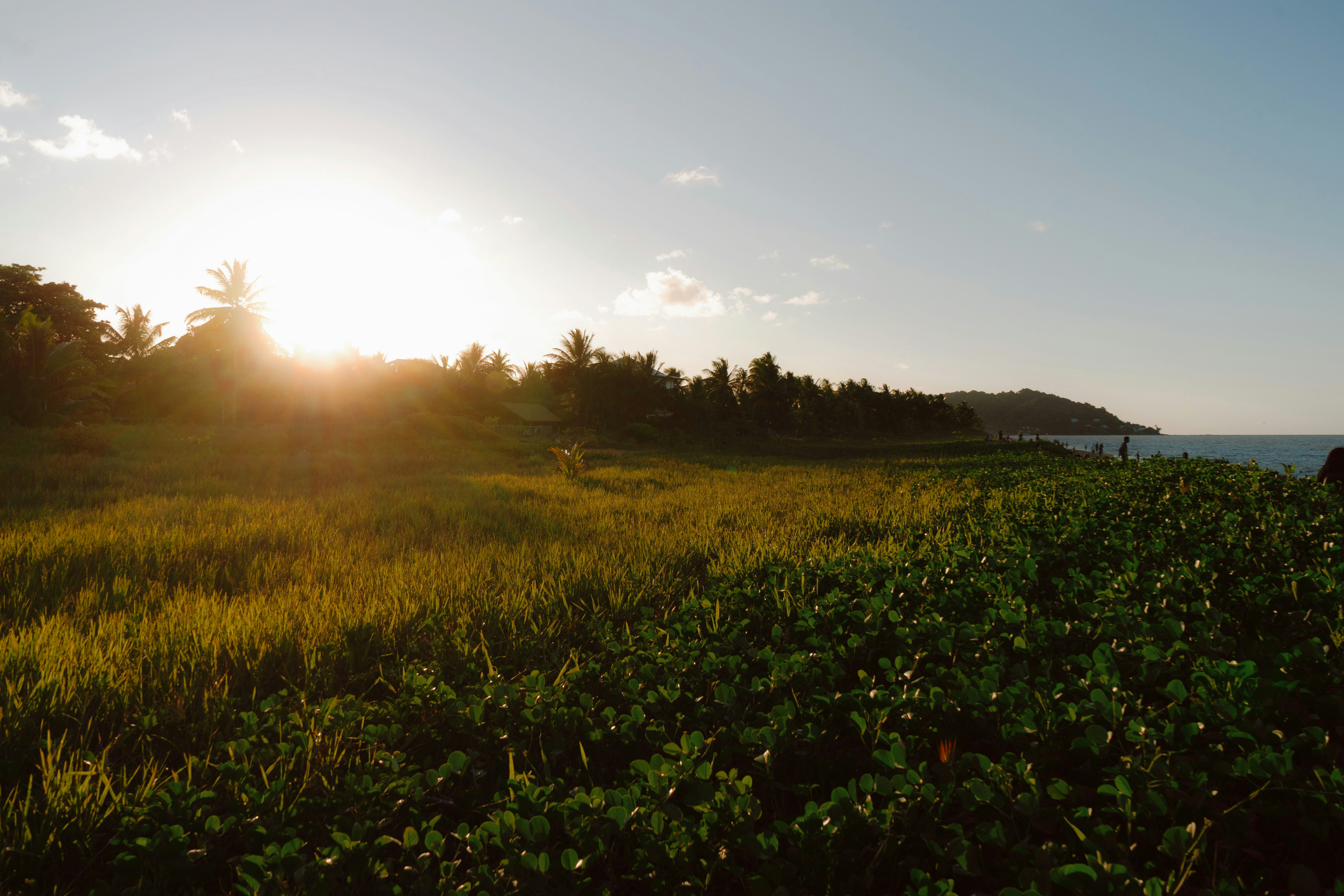
TL;DR: Essential French Guiana etiquette, customs, and dos and don’ts
French Guiana etiquette blends French formality with relaxed Creole warmth: greet with “Bonjour, Monsieur/Madame,” dress modestly at religious sites, ask before taking photos of people, and plan around public holidays like Abolition of Slavery (10 June) and Bastille Day (14 July), which can affect opening hours.
French Guiana is an overseas department of France, so many social norms mirror mainland French culture: politeness, punctuality for business, and the use of formal “vous” with strangers and elders. At the same time, everyday life feels more Caribbean and South American—friendly, informal, and multicultural.
Key dos include greeting shop staff when you enter, dressing respectfully in churches and at local festivals, and learning a few French phrases. Key don’ts include speaking loudly in quiet public spaces, photographing people without permission, or assuming everyone speaks English.
French Guiana follows the French public holiday calendar with local additions. In 2026, core public holidays like New Year’s Day (1 January), Labour Day (1 May), Abolition of Slavery (10 June), Bastille Day (14 July), Assumption (15 August), All Saints’ Day (1 November), Armistice Day (11 November), and Christmas (25 December) may involve closures or limited services, according to World Travel Guide and GeneralBlue.
To keep travel smooth—especially around carnival, religious events, and public holidays—save key dates in your itinerary and stay connected with an eSIM from Hello, so you can check local opening hours, bus schedules, and festival times on the go.
French Guiana culture basics: language, diversity, and daily etiquette
French Guiana culture combines French administrative structures with Afro-Creole, Indigenous, and immigrant communities, so the best etiquette is to be polite, curious, and respectful of diversity in language and traditions.
As an overseas department of France, French is the official language, and French-style courtesy is standard: say “Bonjour” or “Bonsoir” when entering shops or speaking to strangers, and use formal titles like Monsieur and Madame. Travel etiquette guides for French territories note that failing to greet staff in small businesses is considered rude; a simple “Bonjour” makes a big difference.
Beneath this French layer, the social fabric is multicultural: Creole-speaking Afro-descendant communities, Indigenous peoples along the Maroni and Oyapock rivers, Maroon communities, and immigrants from Brazil, Suriname, Haiti, and elsewhere. Culture varies by region—Cayenne is more urban-French, while river communities have distinct customs and languages—so observe and follow local lead.
Day-to-day dos and don’ts:
- Do wait your turn and avoid cutting queues; French norms around fairness apply.
- Do keep voices moderate in cafés and on public transport.
- Don’t assume English is understood; many people speak only French or Creole.
- Don’t discuss politics or social tensions casually; listen more than you speak.
For practical communication, downloading offline French phrases and staying connected with Hello’s eSIM plans for French Guiana helps with maps, messaging hosts, and translating menus even when you’re far from Cayenne.
Greetings, gestures, and useful local phrases in French Guiana
In French Guiana, polite greetings start with French phrases like “Bonjour” and a light handshake, while closer relationships may include cheek kisses, so follow the other person’s lead and keep your tone courteous but relaxed.
According to etiquette summaries for French Guiana and other French territories, the standard greeting is:
- Formal: light handshake, eye contact, and “Bonjour, Monsieur/Madame.”
- Informal: “Salut” between friends, sometimes followed by “la bise” (cheek kisses), typically two, similar to mainland France.
In professional settings and with older people, stick to a handshake and the formal “vous” until invited to use “tu”. Abrupt physical contact, like hugging strangers, can feel intrusive; let locals initiate anything more than a handshake.
Handy French phrases:
- Bonjour / Bonsoir – Good morning / Good evening
- S’il vous plaît / Merci beaucoup – Please / Thank you very much
- Excusez-moi – Excuse me
- Parlez-vous anglais ? – Do you speak English?
- Je ne parle pas bien français – I don’t speak French well
- Combien ça coûte ? – How much does it cost?
You’ll also hear Guianese Creole, especially in markets and neighborhoods. Even if you don’t speak Creole, a friendly French “Bonjour” and a smile is appreciated. If you’re travelling with friends, Hello’s expense splitting and AI receipt scanning in any language makes it painless to share costs even when menus or bills are in French or Creole.
Dress codes, religious sites, and photography rules in French Guiana
Dress codes in French Guiana are relaxed in daily life but more conservative in churches, religious ceremonies, and official settings, and you should always ask before taking photos of people or sensitive sites.
In the humid, tropical climate, casual clothing is normal: shorts, t‑shirts, and sandals are fine in markets, seaside areas, and informal restaurants. However, modest dress is expected in churches and during religious events such as Catholic processions or All Saints’ observances; timeanddate and World Travel Guide list All Saints’ Day (1 November) and Assumption (15 August) as key religious public holidays when churches are busy.
For religious sites and ceremonies:
- Do cover shoulders and avoid very short shorts or beachwear.
- Do remove hats inside churches.
- Don’t take flash photos during services or of worshippers without permission.
Photography etiquette:
- Always ask before photographing individuals, especially in markets, Indigenous villages along the Maroni or Oyapock, and small communities.
- In border areas, ports, and near administrative or military sites, photography may be restricted; signs may specify no photos.
- During Carnaval Monday, Mardi Gras, Ash Wednesday, and other carnival-related days listed in French Guiana holiday calendars, costumes and parades are highly photogenic, but performers still appreciate being asked.
Bring light, breathable clothing and a scarf or light shirt to cover up when needed. If you’re budgeting for activities like guided visits to communities (often €20–40 per person in 2026), factor in a small tip for respectful local guides who explain what is and isn’t appropriate to photograph.
Business etiquette, meetings, and money-savvy dos and don’ts
Business etiquette in French Guiana follows French norms: be punctual, dress smart-casual or formal, use titles and last names, and avoid pushy informality until a relationship is established.
French Guiana’s status as a French department means administrative and business culture is framed by French rules. For meetings with officials, companies in Cayenne, or institutions connected to the European spaceport at Kourou, expect:
- Punctuality to be important; aim to arrive 5–10 minutes early.
- Smart attire: collared shirts, long trousers, and closed shoes; jackets for formal meetings.
- Use of Monsieur/Madame + surname and the formal “vous.”
Business dos and don’ts:
- Do bring business cards; French professionals often exchange them at first meetings.
- Do keep small talk polite—topics like the local environment, spaceport launches, or food are safe.
- Don’t be overly familiar on first contact; wait for the other party to relax tone.
- Don’t expect rapid email replies around public holidays like Abolition of Slavery (10 June) or Bastille Day (14 July), when offices may close or operate on reduced hours.
Costs follow euro pricing: a mid-range business lunch in Cayenne can run €15–25 per person in 2026, and taxis from the airport into town may be around €20–30 depending on time and traffic. To keep track of shared expenses on work trips—meals, taxis, and hotel incidentals—Hello’s multi-currency tracking, bank statement import, and expense splitting features help teams reconcile costs in euros and other currencies without spreadsheets.
Public holidays, festivals, and how French Guiana customs affect travel plans
French Guiana’s public holidays and festivals—especially carnival and abolition of slavery commemorations—can bring closures but also rich cultural experiences, so plan travel around these dates instead of against them.
Public holiday data from World Travel Guide, GeneralBlue, and other 2026 calendars show that French Guiana broadly follows the French holiday pattern with local additions. In 2026, key dates include:
- New Year’s Day – 1 January
- Carnaval Monday & Mardi Gras – February (e.g., 12–13 February 2026)
- Easter Monday – 6 April 2026
- Labour Day – 1 May 2026
- Victory Day – 8 May 2026
- Ascension Day – 14 May 2026
- Whit Monday – 25 May 2026
- Abolition of Slavery – 10 June 2026
- Bastille Day – 14 July 2026
- Assumption – 15 August 2026
- Cayenne Festival – mid-October (e.g., 15 October 2026)
- All Saints’ Day – 1 November 2026
- Armistice Day – 11 November 2026
- Christmas Day – 25 December 2026
On these days, expect government offices and many businesses to close, and public transport to run limited schedules. However, they’re fantastic times to experience local customs: carnival parades, memorial events on abolition day, and religious observances on All Saints’ and Christmas.
Here’s a simple comparison of what to expect:
| Date (2026) | Holiday / Event | Travel impact & etiquette |
|---|---|---|
| 10 June | Abolition of Slavery | Ceremonies; respect memorials, some closures |
| Feb (Carnaval Monday, Mardi Gras) | Carnival | Crowds, street parades; book accommodation early |
| 14 July | Bastille Day | National celebrations; limited admin services |
| 1 Nov | All Saints’ Day | Busy cemeteries and churches; dress modestly |
Use a French Guiana trip plan and keep a live calendar. Staying connected with Hello eSIM for French Guiana makes it easy to check updated bus times, restaurant hours, and event announcements during these busy periods.
Common Questions: French Guiana dos and don’ts, gifts, and safety etiquette
Most travellers’ questions about French Guiana etiquette boil down to three themes: how to behave politely, what’s safe and respectful in public, and what makes a good gift, and the answers follow French norms with local Creole warmth.
Q: What are the top dos and don’ts in French Guiana?
A: Do greet with “Bonjour” when entering shops or speaking to locals, dress modestly in religious and rural settings, and be patient with service speed. Don’t photograph people without asking, don’t assume everyone speaks English, and don’t ignore local advice about river safety or remote areas.
Q: Are there any gift-giving customs I should know?
A: Gift etiquette largely mirrors French practice: if invited to a home, bringing quality chocolates, pastries, or a bottle of wine is appreciated, especially if chosen thoughtfully. Avoid very expensive gifts (can feel awkward) or overly personal items unless you know the person well. When visiting communities on organized tours, tipping the guide (around €5–10 per person for a day tour in 2026) is more appropriate than distributing small trinkets directly.
Q: Is it safe to explore markets and neighborhoods?
A: Urban areas like Cayenne’s centre and markets are generally fine with normal big-city precautions: keep valuables discreet, avoid isolated spots at night, and follow local guidance. During busy festivals like carnival, pickpocketing risk goes up, so use money belts or secure bags.
To keep your budget under control—meals averaging €12–20 in 2026 in casual eateries, plus transport and tours—Hello’s budget tracking and AI-powered categorization can help you see where your euro is going while you immerse yourself in French Guiana’s culture.
Explore These Destinations
Stay Connected
Make the most of French Guiana
From eSIM connectivity to expense tracking, Hello is the all-in-one companion that keeps your trip stress-free.
Related Articles
French Guiana Currency & Money Guide: Exchange, Cards, and Tips
Currency exchange, credit card acceptance, ATM tips, tipping culture, and money-saving advice for French Guiana.
26 July 2026
French Guiana Safety Guide: Tips for a Safe Trip
Safety tips, health advisories, emergency contacts, common scams, and travel insurance advice for French Guiana.
17 July 2026
French Guiana Visa & Entry Requirements for Singapore Passport Holders
Visa requirements, passport validity, customs allowances, and entry tips for Singapore citizens travelling to French Guiana.
8 July 2026