French Guiana Safety Guide: Tips for a Safe Trip
Safety tips, health advisories, emergency contacts, common scams, and travel insurance advice for French Guiana.
By Hello Travel Team
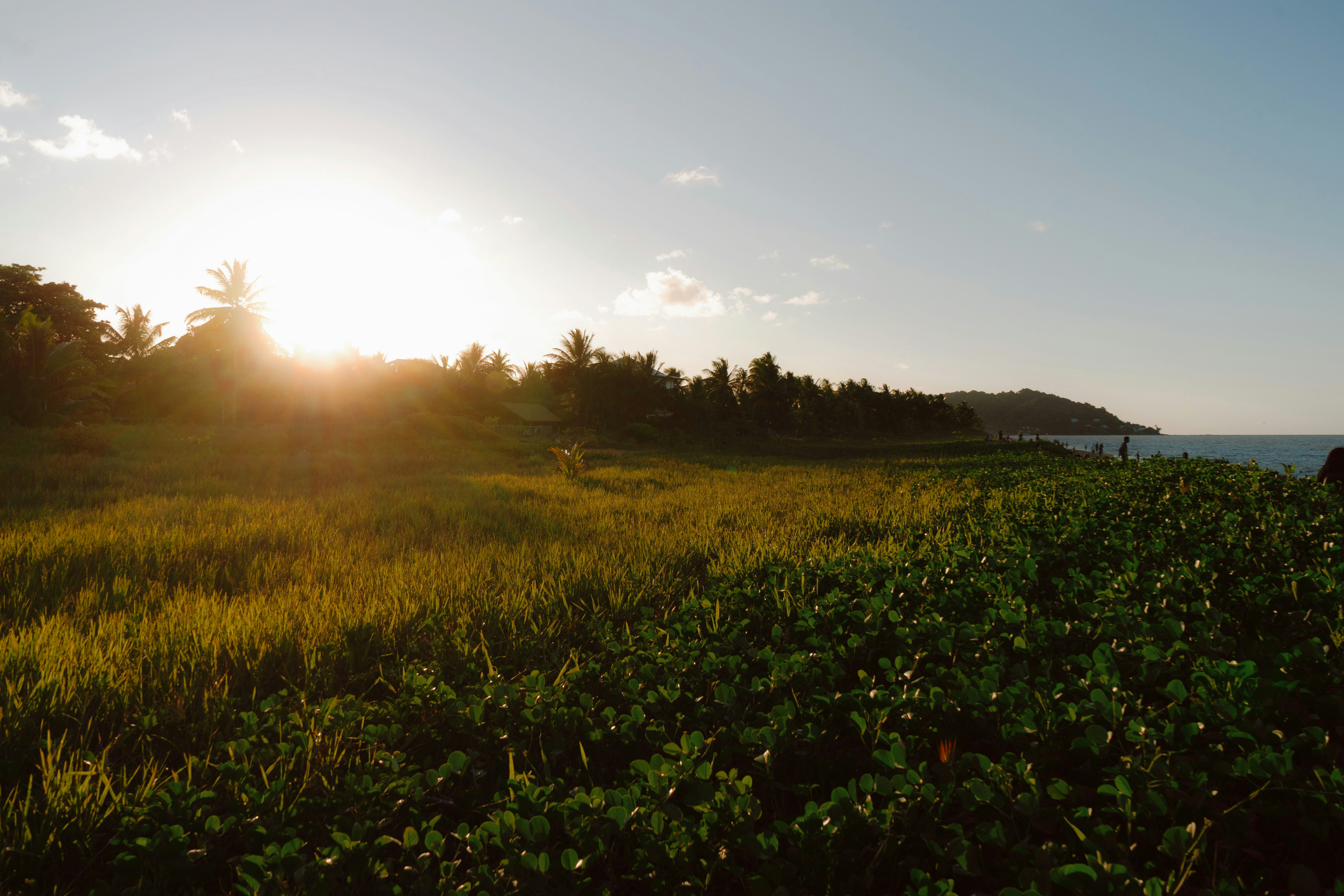
TL;DR: Is French Guiana Safe for Travellers?
French Guiana is generally safe for prepared visitors who use normal urban precautions, although petty theft, mosquito-borne diseases, tropical heat, and transport challenges deserve attention. Official travel guidance does not generally advise against visiting, while risk assessments commonly describe the destination as low to moderate risk, with incidents more concentrated in parts of Cayenne and Saint-Laurent-du-Maroni after dark. Keep valuables discreet, use licensed transport, avoid isolated areas at night, arrange appropriate vaccinations and mosquito protection, and buy travel insurance that covers medical care, evacuation, activities, and trip disruption. French Guiana is an overseas department of France, so healthcare standards are broadly comparable to mainland France, but remote rainforest and river areas can be far from hospitals. Before departure, save French Guiana emergency numbers, download offline maps, and arrange mobile data through Hello eSIM for French Guiana so you can contact accommodation, transport providers, or emergency services when needed.
French Guiana Travel Safety: Crime, Scams, and Practical Precautions
French Guiana travel safety is mostly about preventing opportunistic theft rather than avoiding the destination altogether; keep a low profile, particularly in busy urban areas and after sunset. Pickpocketing and bag snatching can occur around transport hubs, markets, nightlife areas, ATMs, and crowded streets in Cayenne and Saint-Laurent-du-Maroni. Do not leave phones, cameras, or bags visible in parked cars, and carry only the cash and cards needed for the day. Use ATMs inside banks or shopping centres when possible, shield your PIN, and check that no one is watching or distracting you.
Common French Guiana scams are usually straightforward: inflated taxi fares, unofficial guides, fake or malfunctioning card terminals, and distraction theft. Agree on a taxi fare before departure when a meter is not used, verify the vehicle and driver, and ask your hotel or guesthouse to arrange transport at night. Count change, retain receipts, and confirm prices in euros before ordering tours, boat transfers, or market purchases. Avoid accepting unsolicited help at ATMs or carrying parcels for strangers. French is the official language, and learning phrases such as “combien?” and “reçu, s’il vous plaît” can reduce misunderstandings. At night, travel in groups, stay on well-lit roads, and avoid displaying expensive jewellery or electronics.
French Guiana Emergency Numbers and Consular Help
Save French Guiana emergency numbers before travelling: call 15 for SAMU medical assistance, 17 for police, 18 for the fire brigade, and 112 for the European emergency number from a mobile phone. These numbers are listed by French Guiana authorities and French travel guidance; operators may respond in French, so ask a French-speaking hotel employee, guide, or local contact to help if communication is difficult. Give your exact location, nearby landmark, phone number, and the nature of the emergency. In rainforest or river areas, GPS coordinates and the name of your boat operator can be especially useful.
| Need | Number | When to use |
|---|---|---|
| Ambulance / SAMU | 15 | Serious illness or injury |
| Police | 17 | Theft, assault, immediate danger |
| Fire and rescue | 18 | Fire or rescue emergency |
| General emergency | 112 | Mobile emergency access |
Singapore does not maintain a resident embassy in French Guiana. Consular assistance is handled through Singapore’s embassy in Paris; the published contact number is +33 1 56 79 68 00, with email contact available through the embassy’s official consular service. Register your trip with Singapore’s Ministry of Foreign Affairs, keep passport scans securely stored, and contact your insurer first for medical coordination unless the situation is life-threatening.
Health Advice, Vaccinations, and Mosquito Protection
The main French Guiana health risks are mosquito-borne diseases and heat exposure, so arrange a travel-health consultation at least eight weeks before departure. UK travel guidance highlights yellow fever, dengue, Zika, and other tropical risks, while malaria prevention becomes more relevant for inland rainforest and river travel than for a short urban stay. Confirm requirements with a travel clinic because recommendations depend on your itinerary, recent countries visited, medical history, and current outbreak information.
Keep routine vaccinations current, including measles, tetanus, diphtheria, polio, and pertussis. A clinician may recommend hepatitis A, typhoid, or other vaccines based on food, water, and activity plans. Yellow fever vaccination and an International Certificate of Vaccination may be required or strongly advised, particularly when arriving from a country with yellow-fever transmission. Carry the certificate with your passport.
Use repellent containing DEET, icaridin, or another approved ingredient, wear long sleeves and trousers around dawn and dusk, sleep behind screens or under a net where necessary, and choose accommodation with air-conditioning or effective mosquito protection. Drink water regularly, use high-factor sunscreen, and avoid strenuous midday activity. Healthcare facilities are generally comparable to mainland France, but remote excursions may require evacuation or delayed treatment—another reason to carry comprehensive insurance.
Water, Transport, Solo Female, and LGBTQ+ Safety
Most visitors can enjoy French Guiana safely by combining sensible city precautions with extra care around rivers, beaches, rainforest trails, and remote communities. Ask local authorities or tour operators about swimming conditions before entering the water: currents, submerged hazards, boat traffic, heat, and limited rescue coverage can make isolated beaches and rivers dangerous. Never swim alone, follow warning signs, wear a properly fitted life jacket on boats, and use established guides for rainforest hikes or river journeys. Share your itinerary and expected return time with accommodation staff.
Solo women should choose reputable, reviewed accommodation, avoid walking alone after dark, and use licensed taxis or prearranged transfers—especially after withdrawing cash or visiting nightlife areas. Keep one emergency contact informed and trust your instincts if a situation feels uncomfortable. French Guiana is socially diverse, but public attitudes can vary between urban, rural, and remote communities. LGBTQ+ travellers should use the same situational awareness recommended elsewhere: avoid public displays of affection where local sensitivity is unclear, select LGBTQ+-welcoming accommodation, and ask local providers about the atmosphere of nightlife and events. There is no need to hide your identity, but respectful discretion can make travel more comfortable outside Cayenne.
Travel Insurance, Connectivity, and Money-Safety Planning
Travel insurance for French Guiana should cover overseas medical treatment, emergency evacuation, repatriation, cancellation, baggage theft, and planned activities such as boating, hiking, or rainforest excursions. European healthcare arrangements may help some travellers, but they do not replace insurance: coverage rules, deductibles, transport costs, and repatriation benefits vary by nationality and policy. Check exclusions for pre-existing conditions, alcohol-related incidents, motorbike use, adventure activities, and travel against government advice. Save the insurer’s 24-hour assistance number offline and carry your policy details.
Budget for euros, card payments, and occasional cash needs. Smaller shops, market stalls, rural operators, and river communities may not accept cards, while carrying large amounts increases theft risk. Separate your cards, keep a backup payment method, and photograph receipts for claims. The Hello app can scan receipts in different languages and currencies, import bank statements, categorise spending, and split shared costs automatically when travelling with friends.
Reliable communication is particularly valuable when arranging taxis, checking weather, or contacting guides in remote areas. Buy and activate Hello eSIM for French Guiana before departure so your phone can connect on arrival; coverage may still be limited in rainforest and river zones, so download maps, reservations, translation tools, and emergency details for offline use.
Common Questions About French Guiana Travel Safety
Is French Guiana safe for tourists? Generally, yes, when visitors take normal precautions. Petty theft is the most practical urban concern, while remote travel brings additional risks involving transport, weather, mosquitoes, and limited medical access. There is no broad reason to avoid Cayenne, Kourou, or the country’s major attractions, but reconsider walking alone at night in unfamiliar areas.
What are the French Guiana emergency numbers? Call 15 for an ambulance, 17 for police, 18 for fire and rescue, or 112 for a general mobile emergency. Save all four numbers and provide a precise location.
What are the most common French Guiana scams? Watch for unclear taxi pricing, unofficial guides, card-terminal confusion, inflated tour charges, and distraction theft. Confirm prices in euros, use reputable operators, and keep valuables out of sight.
Do I need vaccinations for French Guiana? Yellow fever requirements can apply depending on your travel history, and vaccination is widely advised. Routine vaccines should be current; a travel clinic may also recommend hepatitis A, typhoid, or malaria precautions depending on your route. Seek personalised advice at least eight weeks before travel.
Can Singaporeans get consular help there? Singapore’s embassy in Paris provides consular assistance for French Guiana. Save its current contact details before departure and register your itinerary with Singapore’s Ministry of Foreign Affairs.
Explore These Destinations
Stay Connected
Ready for French Guiana?
eSIM data, expense splitting, budget tracking, and more. Everything you need for a smooth trip in one app.
Related Articles
French Guiana Currency & Money Guide: Exchange, Cards, and Tips
Currency exchange, credit card acceptance, ATM tips, tipping culture, and money-saving advice for French Guiana.
26 July 2026
French Guiana Visa & Entry Requirements for Singapore Passport Holders
Visa requirements, passport validity, customs allowances, and entry tips for Singapore citizens travelling to French Guiana.
8 July 2026
eSIM for French Guiana: Best Plans, Coverage, and Setup Tips
Everything you need to know about using eSIM in French Guiana. Best data plans, network coverage, and setup instructions.
29 June 2026