Key Takeaways
- ✓Eswatini is a compact, culturally rich, and affordable destination that pairs easily with neighboring countries in Southern Africa.
- ✓The best time to visit is generally the dry season from May to September, especially for safaris and hiking.
- ✓Daily budgets in 2026 range roughly from US$40–60 (budget) to US$150+ (comfort/luxury), depending on accommodation and activities.
- ✓Visa requirements vary by nationality; Singapore travellers should follow the dedicated [Eswatini Visa & Entry Requirements for Singapore Passport Holders](/blog/eswatini-visa-entry-guide).
- ✓Hello eSIM provides convenient, instant mobile data for Eswatini and over 200 countries, ideal for maps, messaging, and trip planning.
- ✓Car rental offers maximum flexibility, but you can also rely on private transfers and minibuses as outlined in the [Eswatini Transport Guide](/blog/eswatini-transport-guide).
- ✓Local food is hearty and affordable; the [Eswatini Food Guide](/blog/eswatini-food-dining-guide) highlights must-try dishes and typical prices.
- ✓Combining this pillar guide with cluster articles on budget, safety, culture, and itineraries gives you a complete, practical Eswatini trip planner.
Eswatini (formerly Swaziland) is one of Southern Africa’s most underrated gems: compact, easy to explore, and rich in culture, wildlife, and mountain scenery. This Complete Eswatini Travel Guide 2026 is your one-stop trip planner, pulling together everything you need to design a smooth, affordable, and unforgettable adventure.
Across this guide, you’ll get a clear picture of when to go, how much to budget, whether you need a visa, how to get around, what to eat, and where to find the best experiences. Each section gives you an at-a-glance overview plus links to detailed cluster articles like Eswatini Travel Budget Guide: Daily Costs and Money Tips, Eswatini Visa & Entry Requirements for Singapore Passport Holders, and our step-by-step itineraries from 3 to 10 days.
You’ll also find practical advice on using Hello eSIM for reliable data, managing money and tipping, staying safe and healthy, and understanding local etiquette. Unique comparison tables and decision frameworks make it easy to choose the right season, itinerary length, and spending level for your style.
Whether Eswatini is a quick side trip from South Africa or your main destination, this guide will help you turn a small country into a big travel memory.
Why Visit Eswatini in 2026?
Eswatini is one of Africa’s smallest countries, but in 2026 it offers big experiences: accessible wildlife, vibrant culture, mountain views, and friendly towns — all in a compact, easy-to-plan package. It’s ideal if you want a calmer, more intimate alternative to busier neighbors.
Eswatini appeals to travellers who love variety without rushing. In a single trip you can spot rhinos in Hlane Royal National Park, hike in the misty hills of Malolotja, browse handicraft markets at Ezulwini Valley, and experience traditional Swazi culture at cultural villages and local festivals. Compared to regional hotspots like South Africa or Thailand, Eswatini feels more personal and less crowded, making interactions with locals and guides especially memorable.
As of 2026, tourism infrastructure is modest but improving: paved roads between major towns, a growing range of guesthouses and lodges, and mobile networks that support fast data when paired with Hello eSIM. You won’t find mega-resorts here — instead, expect small lodges, family-run guesthouses, and nature-focused stays.
This pillar guide helps you turn Eswatini’s compact size into an advantage. Use our itineraries — 3 Days in Eswatini: A Day-by-Day Itinerary, Eswatini in 5 Days: The Perfect Extended Itinerary, and Eswatini in 10 Days: The Ultimate Travel Itinerary — to match trip length to your travel style and budget, then layer in food, transport, and cultural insights for a well-rounded visit.
Best Time to Visit Eswatini
Eswatini is a year-round destination, but the best time to visit is generally the dry, cooler months from May to September, when wildlife viewing is excellent and hiking is more comfortable. Your ideal season depends on whether you prioritize safaris, scenery, festivals, or budget.
Eswatini’s climate is shaped by altitude: higher areas like Mbabane are cooler, while low-lying regions such as Hlane are warmer. As of 2026, typical daytime temperatures range from around 18–23°C in winter (June–August) to 26–30°C in summer (November–February). Summer brings lush landscapes and afternoon thunderstorms, while winter offers clearer skies and easier driving conditions.
Use this quick seasonal comparison to decide:
| Season (Approx.) | Weather & Comfort | Wildlife & Nature | Prices & Crowds | Best For |
|---|---|---|---|---|
| May–Sep (Dry) | Cool, pleasant; cold nights in highlands | Great wildlife viewing, clear hiking | Slightly higher prices; popular period | Safaris, hiking, road trips |
| Oct–Nov (Shoulder) | Warming up, some storms | Green scenery, mixed visibility | Fair prices, moderate crowds | Balanced trips, cultural travel |
| Dec–Feb (Wet) | Hotter, humid; afternoon storms | Very green, but wildlife more dispersed | Peak for local holidays; some higher rates | Scenic drives, culture, shorter stays |
| Mar–Apr (Transition) | Mild with fewer storms | Mix of green and clear | Good value, fewer visitors | Budget trips, flexible itineraries |
For detailed day-by-day planning in different seasons, explore 3 Days in Eswatini: A Day-by-Day Itinerary, Eswatini in 5 Days: The Perfect Extended Itinerary, and Eswatini in 10 Days: The Ultimate Travel Itinerary, which note typical conditions and how they affect activities.
Eswatini Travel Budget Overview
Eswatini is affordable by global standards, with 2026 daily budgets roughly ranging from US$40–60 for backpackers, US$70–120 for mid-range travellers, and US$150+ for comfortable or luxury stays. Your costs will be shaped most by accommodation type, transport style, and safari activity choices.
The country uses the lilangeni (SZL), which is pegged 1:1 to the South African rand, and both currencies are widely accepted. For a detailed breakdown of typical daily costs — including accommodation, food, transport, and activities — see the Eswatini Travel Budget Guide: Daily Costs and Money Tips and Eswatini Currency & Money Guide: Exchange, Cards, and Tips.
Here’s a simplified 2026 daily budget comparison:
| Travel Style | Approx. Daily Budget (per person) | Typical Inclusions |
|---|---|---|
| Budget | US$40–60 | Hostel/basic guesthouse, local eateries, shared transport, 1 low-cost activity |
| Mid-range | US$70–120 | Comfortable guesthouse/lodge, mix of local and sit-down restaurants, car rental or shuttles, 1–2 paid activities |
| Comfort/Luxury | US$150–250+ | Boutique lodge or high-end safari stay, upscale dining, private driver or 4x4, guided safaris and experiences |
Decision snapshot: if you plan multiple guided safari drives and stay in private reserves, expect your daily costs to sit toward the upper mid-range or comfort tiers. If you rely on minibuses, cook occasionally, and choose mainly self-guided hikes and national parks, you can stay firmly in the budget range.
To fine-tune your numbers and learn how to pay, withdraw cash, and tip in Eswatini, pair this overview with the Eswatini Travel Budget Guide: Daily Costs and Money Tips and Eswatini Currency & Money Guide: Exchange, Cards, and Tips.
Visa & Entry Requirements (Beyond Singapore)
As of 2026, Eswatini offers visa-free or visa-on-arrival access to many nationalities, but rules differ by passport — always check official sources before you go. Singapore citizens have specific, clearly defined requirements covered in detail in our dedicated visa-entry guide.
While Eswatini Visa & Entry Requirements for Singapore Passport Holders focuses on Singapore travellers, the same entry logic applies broadly: you need a valid passport (often with at least six months’ remaining validity), proof of onward or return travel, and sometimes evidence of sufficient funds or accommodation bookings. Customs allowances are generally in line with regional norms, with limits on alcohol, tobacco, and goods subject to duty.
For non-Singapore travellers, use this simple decision framework:
- Check your country’s status: Search “Eswatini immigration 2026” on your government or Eswatini’s official site.
- Confirm visa type: Visa-free, visa-on-arrival, or embassy-issued visa.
- Note length of stay: Many visitors receive 30 days initially; extensions may be possible.
- Review health requirements: If arriving from a yellow fever risk country, you may need proof of vaccination.
At land borders with South Africa or Mozambique, procedures are usually straightforward but can be slow at peak times. Keep printed copies of bookings and travel insurance handy and be ready to explain your itinerary briefly.
Singapore travellers should rely on Eswatini Visa & Entry Requirements for Singapore Passport Holders for up-to-date details on visa exemptions, paperwork, customs allowances, and practical entry tips tailored to their passport and typical travel patterns.
Getting Around Eswatini
Getting around Eswatini in 2026 is relatively easy: paved roads link major towns, minibuses and shared taxis serve locals and budget travellers, and many visitors choose to rent a car for maximum flexibility. Your transport style will largely define how spontaneous and wide-ranging your trip can be.
The Getting Around Eswatini: Transport Guide for Travellers breaks down options from airport transfers and inter-city travel to ride-hailing and self-driving, while our itineraries show exactly how to move between attractions day by day. In practice, most visitors combine:
- Private shuttles or transfers from airports or border posts
- Rental cars for national parks, scenic drives, and small towns
- Local minibuses between major urban hubs when on a tighter budget
Use this comparison snapshot:
| Mode | Best For | Pros | Cons |
|---|---|---|---|
| Rental car | Flexibility, parks, remote areas | Door-to-door travel, scenic stops | Higher cost, need confidence driving |
| Minibus/shared taxi | Budget travellers, short hops | Very cheap, local experience | Crowded, less schedule control |
| Private transfer | Short trips, groups, arrival/departure days | Simple, pre-booked, luggage-friendly | More expensive per person |
Road quality is generally good on main routes, but rural roads can be rough and unlit at night — avoid driving after dark when possible. Fuel stations are available on main corridors but less frequent in remote areas; top up whenever you pass one.
For specific advice on routes, airport transfers, and driving etiquette, combine this overview with Getting Around Eswatini: Transport Guide for Travellers and the transport notes inside Eswatini in 5 Days: The Perfect Extended Itinerary and Eswatini in 10 Days: The Ultimate Travel Itinerary.
Food & Dining in Eswatini
Eating in Eswatini is both affordable and culturally rich in 2026, with traditional Swazi dishes, simple local eateries, and a growing number of cafes and restaurants around Mbabane, Ezulwini, and Manzini. Expect hearty portions, maize-based staples, grilled meats, and tasty stews.
The Eswatini Food Guide: Must-Try Dishes, Prices, and Tips covers specific dishes, typical restaurant prices, and food safety advice, but here’s what to expect at a glance. Traditional staples include sishwala (thick maize porridge), beans, leafy greens, and meat stews. In towns, you’ll find a mix of local spots, casual grill joints, and hotel restaurants serving both regional and international cuisine.
As of 2026, you can roughly expect:
- Local eateries/street food: very budget-friendly meals, often US$2–5 per plate
- Sit-down restaurants: mains around US$6–12, with higher prices at hotel venues
- Cafe-style venues: coffee and light bites priced comparably to other Southern African cities
Dietary needs: vegetarian travellers will find options based on beans, vegetables, and starches, though choices may be limited in smaller towns. Vegans and those with allergies should communicate clearly and be prepared with simple phrases; the Eswatini Cultural Guide: Etiquette, Customs, and Tips can help you navigate polite requests.
A simple decision tip: rely on local eateries for most lunches to keep costs down, and reserve hotel or lodge restaurants for dinners when you want convenience and a broader menu.
For specific dish recommendations, typical menus, and tips on staying healthy while eating out, dive into the Eswatini Food Guide: Must-Try Dishes, Prices, and Tips.
Top Experiences & Itinerary Planning
Eswatini’s top experiences in 2026 revolve around wildlife, mountains, and culture: think rhino tracking, highland hikes, craft markets, and cultural villages — all easily combined into 3-, 5-, or 10-day itineraries. The country’s small size makes it perfect for compact but diverse trips.
Core highlight areas include:
- Hlane Royal National Park for rhinos and classic safari drives
- Mlilwane Wildlife Sanctuary for walking safaris, cycling, and relaxed lodge stays
- Malolotja Nature Reserve for hiking, waterfalls, and mountain scenery
- Ezulwini Valley for craft markets, cultural experiences, and nearby attractions
Our itineraries — 3 Days in Eswatini: A Day-by-Day Itinerary, Eswatini in 5 Days: The Perfect Extended Itinerary, and Eswatini in 10 Days: The Ultimate Travel Itinerary — give detailed day-by-day routes, costs, and transport tips. Use this simple decision guide:
- 3 days: Focus on Mlilwane + Ezulwini, with a day trip to Hlane if you start early.
- 5 days: Add Malolotja or more time in Hlane for deeper wildlife or hiking.
- 10 days: Loop multiple parks, smaller towns, and cultural stops at a relaxed pace.
Compared with multi-country trips through South Africa, Eswatini shines as a slow-travel stop: fewer long drives and more time genuinely in nature or talking with locals. Many travellers pair a 5–10 day Eswatini stay with city time in Johannesburg or Durban.
For ready-made routes, daily schedules, and cost estimates, use the 3-, 5-, and 10-day itineraries as your planning backbone, then adjust them using the budget, transport, and food sections of this guide to match your style.
Hello eSIM & Connectivity in Eswatini
Staying connected in Eswatini is straightforward in 2026, especially if you use Hello eSIM for instant mobile data on arrival. Coverage is generally good around towns and major roads, with patchier service in remote parks and highland areas.
The eSIM for Eswatini: Best Plans, Coverage, and Setup Tips explains exactly how to install and activate Hello eSIM on iOS and Android, choose data packages, and manage usage during your trip. With Hello eSIM, you can:
- Get instant activation on arrival, without hunting for a local SIM stall
- Use data across multiple borders if Eswatini is part of a wider Southern Africa route
- Track usage inside the Hello app alongside your trip budget and expense splitting
Signal quality: in and around Mbabane, Manzini, Ezulwini, and main highways, 4G data is typically solid enough for maps, messaging, and social media. In national parks and remote valleys, expect occasional drops or slower speeds; download offline maps in advance within the Hello app or your mapping tool.
Decision tips:
- If you’re planning self-driving and remote hiking, treat Hello eSIM as your primary data source but carry offline backups.
- If you’ll mostly stay in lodges, rely on a mix of lodge Wi‑Fi and Hello eSIM for flexibility.
Because Hello offers eSIM plans for 200+ countries, it’s particularly convenient if you’re combining Eswatini with nearby destinations like South Africa or later flying to Japan or Thailand. Start with the eSIM for Eswatini: Best Plans, Coverage, and Setup Tips guide to pick a plan that matches your trip length and data needs.
Safety, Health & Cultural Etiquette
Eswatini is considered relatively safe for travellers in 2026, with most visits trouble-free when you take standard precautions. Pair basic safety awareness with respect for local customs and you’ll find people welcoming and interactions rewarding.
The Eswatini Safety Guide: Tips for a Safe Trip details common scams, health advisories, and emergency contacts, while the Eswatini Cultural Guide: Etiquette, Customs, and Tips covers greetings, dress, and social norms. Together, they give you a strong foundation.
Safety basics:
- Petty theft can occur in busier areas; keep valuables secure and avoid displaying expensive gear unnecessarily.
- At night, favor registered taxis or pre-arranged transfers, and avoid walking alone in poorly lit areas.
- In national parks, follow ranger instructions and stay in designated areas.
Health and hygiene:
- As of 2026, standard travel vaccines and mosquito precautions are recommended; check current guidance before you go.
- Drink safe water (bottled or filtered) if you’re unsure about local supply.
Cultural etiquette highlights:
- Greetings matter. A polite hello and handshake go a long way.
- Dress modestly in rural areas and at cultural sites, especially during ceremonies.
- Ask permission before photographing people, and be mindful of sensitive cultural events.
A simple framework: if an interaction feels formal, lean toward conservative dress and polite language; if informal (markets, casual cafes), friendly openness is appreciated.
For more nuanced safety scenarios, health tips, and detailed etiquette examples, combine this overview with the Eswatini Safety Guide: Tips for a Safe Trip and Eswatini Cultural Guide: Etiquette, Customs, and Tips.
Money, Currency & Paying for Things
Handling money in Eswatini in 2026 is straightforward if you understand the lilangeni–rand link, card acceptance patterns, and tipping norms. A mix of cash and cards works best, with ATMs common in towns and cash still useful in markets and small businesses.
Eswatini’s currency, the lilangeni (SZL), is pegged 1:1 to the South African rand (ZAR), and both are widely accepted for day-to-day transactions. The Eswatini Currency & Money Guide: Exchange, Cards, and Tips explains where to exchange, how to withdraw safely, and what to expect when using credit or debit cards.
Key points:
- Cash: Essential for local transport, small shops, rural guesthouses, and market purchases.
- Cards: More commonly accepted at hotels, larger restaurants, supermarkets, and some tour operators.
- ATMs: Available in main towns; withdraw larger amounts less frequently and store cash securely.
Tipping culture is moderate: small tips for good service in restaurants, for guides, and for lodge staff are appreciated but not mandatory at a strict percentage. Check current suggested ranges in the money guide.
Budget management: combining the Hello app’s expense tracking and splitting with the Eswatini Travel Budget Guide: Daily Costs and Money Tips is especially useful for friends traveling together. You can log shared transport, park fees, and meals, then split fairly at the end.
Decision tip: if you plan to cross borders with South Africa or Mozambique, favor rand withdrawals for maximum flexibility, while keeping some lilangeni for purely local transactions.
For nuanced advice on exchange, safety at ATMs, and saving on fees, rely on the Eswatini Currency & Money Guide: Exchange, Cards, and Tips.
Before You Go: Essential Checklist for Eswatini
A simple pre-departure checklist makes your 2026 Eswatini trip smoother and less stressful. Focus on documents, health, money, connectivity, and core bookings, then use Hello to keep everything organized and your budget on track.
Here’s a concise Before You Go checklist:
-
Documents & entry
- Passport valid for at least 6 months beyond travel dates
- Visa (if required) and printed confirmations
- Onward/return flight or proof of exit
- Travel insurance with health and activities cover
For Singapore travellers, double-check details in Eswatini Visa & Entry Requirements for Singapore Passport Holders.
-
Health & safety
- Recommended vaccines checked for Southern Africa
- Basic first-aid kit and any prescription medications
- Read through Eswatini Safety Guide: Tips for a Safe Trip for current advice.
-
Money & budget
- Notify your bank of international travel
- Plan initial cash needs (lilangeni or rand)
- Use the Eswatini Travel Budget Guide: Daily Costs and Money Tips to set a daily budget.
-
Connectivity
- Install Hello, purchase and preload Hello eSIM for Eswatini
- Download offline maps and key documents.
-
Itinerary & bookings
- Reserve first-night accommodation and key lodges
- Book car rental or transfers if needed
- Choose your route from our 3-, 5-, or 10-day itineraries.
-
Culture & packing
- Read the Eswatini Cultural Guide: Etiquette, Customs, and Tips
- Pack modest clothing for rural and cultural visits, plus layers for cooler evenings.
Use this checklist alongside the linked cluster guides as your pre-trip dashboard, then refine details inside the Hello app as plans evolve.
Eswatini Visa & Entry Requirements for Singapore Passport Holders
Safety & HealthEswatini Safety Guide: Tips for a Safe Trip
Budget PlanningEswatini Travel Budget Guide: Daily Costs and Money Tips
eSIM & ConnectivityeSIM for Eswatini: Best Plans, Coverage, and Setup Tips
Cultural GuideEswatini Cultural Guide: Etiquette, Customs, and Tips
Frequently Asked Questions
Is Eswatini safe to visit in 2026?
Yes, Eswatini is generally considered safe for travellers in 2026 when you follow standard precautions. Most visitors experience no major issues. The Eswatini Safety Guide: Tips for a Safe Trip covers common scams, health considerations, and emergency contacts, plus practical tips like avoiding walking alone at night and keeping valuables secure in busy areas.
How many days do I need in Eswatini?
You can get a good taste of Eswatini in 3 days, but 5–10 days lets you enjoy wildlife, hiking, and culture at a relaxed pace. Use 3 Days in Eswatini: A Day-by-Day Itinerary for a short visit, Eswatini in 5 Days: The Perfect Extended Itinerary for a balanced trip, and Eswatini in 10 Days: The Ultimate Travel Itinerary for a deeper exploration.
Do I need a visa to visit Eswatini?
Visa requirements depend on your passport. Many nationalities receive visa-free or visa-on-arrival entry, but you must confirm with official sources before travelling. Singapore citizens can find specific, up-to-date information in Eswatini Visa & Entry Requirements for Singapore Passport Holders, including stay lengths, customs allowances, and entry tips tailored to their situation.
What is a realistic daily budget for Eswatini?
As of 2026, a realistic daily budget is roughly US$40–60 for budget travellers, US$70–120 for mid-range, and US$150+ for comfort or luxury stays. These ranges cover accommodation, food, transport, and activities. For detailed breakdowns and money-saving tips, see the Eswatini Travel Budget Guide: Daily Costs and Money Tips and Eswatini Currency & Money Guide: Exchange, Cards, and Tips.
Can I rely on Hello eSIM for data in Eswatini?
Yes, Hello eSIM works well for staying connected in Eswatini in 2026, especially in and around main towns and along major roads. You can activate data instantly on arrival and manage usage in the Hello app. The eSIM for Eswatini: Best Plans, Coverage, and Setup Tips explains coverage expectations, how to set up Hello eSIM on your device, and how to combine it with offline maps for remote areas.
What are the must-see places in Eswatini?
Top highlights include Hlane Royal National Park for rhinos and classic safaris, Mlilwane Wildlife Sanctuary for walking and cycling among wildlife, Malolotja Nature Reserve for mountain hikes and waterfalls, and Ezulwini Valley for craft markets and cultural experiences. Our itineraries — from 3 Days in Eswatini to Eswatini in 10 Days — show how to combine these efficiently.
How do I get around without driving myself?
If you prefer not to drive, you can rely on a mix of private transfers, lodge-arranged transport, and local minibuses. Arrange airport or border transfers in advance, then use shuttles and tours to reach parks and attractions. The Getting Around Eswatini: Transport Guide for Travellers explains typical costs, booking methods, and when shared transport works best versus hiring a driver.
Detailed Articles
Dive deeper into specific topics covered in this guide.
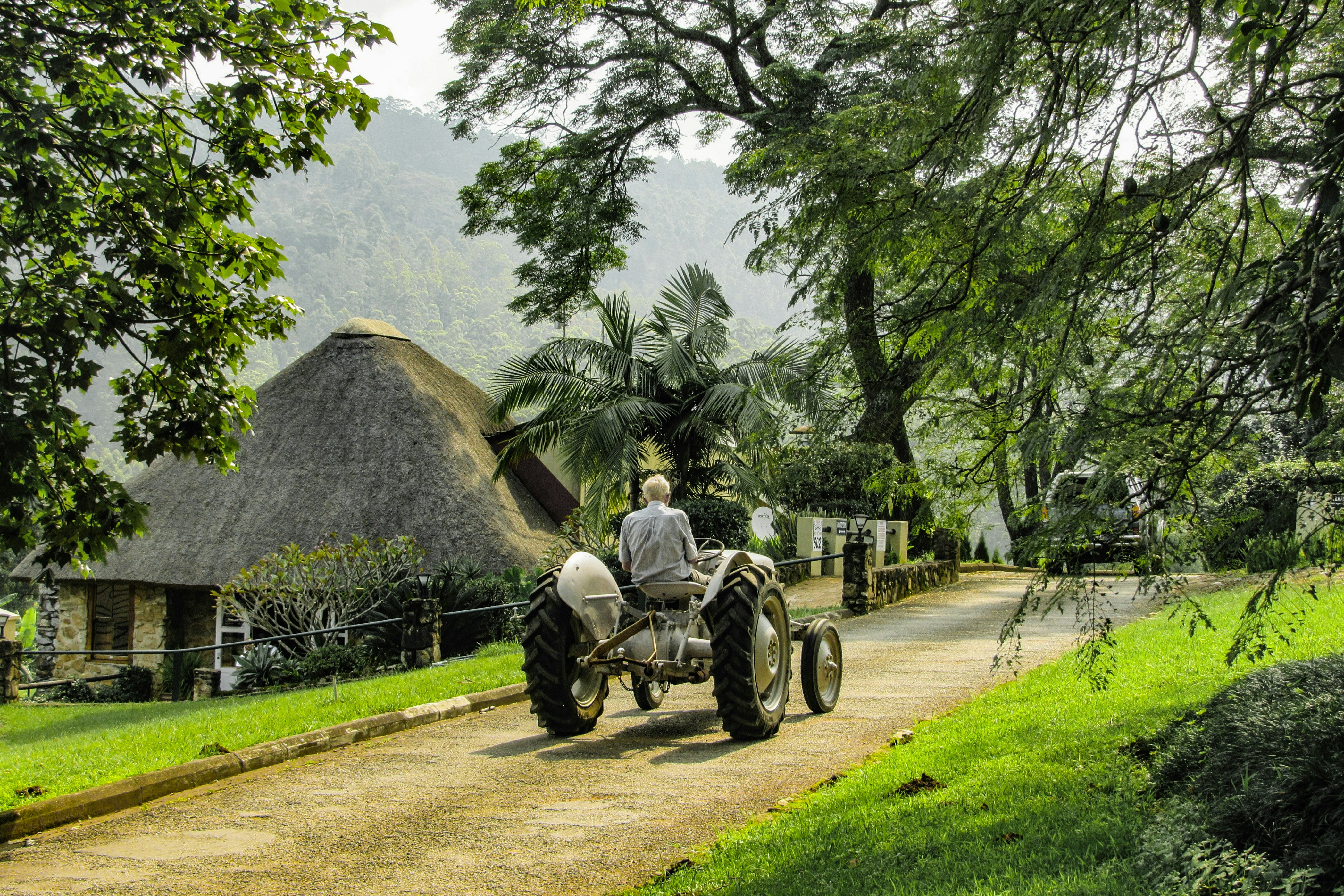
3 Days in Eswatini: A Day-by-Day Itinerary
A detailed 3-day itinerary for Eswatini with daily activities, costs, neighborhoods, and transport tips.
10 June 2026
Eswatini in 5 Days: The Perfect Extended Itinerary
A detailed 5-day itinerary for Eswatini with daily activities, costs, neighborhoods, and transport tips for an extended stay.
5 May 2026
Eswatini in 10 Days: The Ultimate Travel Itinerary
A comprehensive 10-day itinerary for Eswatini covering top attractions, hidden gems, daily costs, and transport between cities.
19 June 2026
Eswatini Cultural Guide: Etiquette, Customs, and Tips
Essential do's and don'ts, greeting customs, dress codes, local phrases, and cultural tips for Eswatini.
2 June 2026
Eswatini Travel Budget Guide: Daily Costs and Money Tips
How much does it cost to travel in Eswatini? Daily budget breakdowns for budget, mid-range, and luxury travellers.
24 February 2026
Eswatini Currency & Money Guide: Exchange, Cards, and Tips
Currency exchange, credit card acceptance, ATM tips, tipping culture, and money-saving advice for Eswatini.
26 July 2026
Eswatini Visa & Entry Requirements for Singapore Passport Holders
Visa requirements, passport validity, customs allowances, and entry tips for Singapore citizens travelling to Eswatini.
8 July 2026
Eswatini Safety Guide: Tips for a Safe Trip
Safety tips, health advisories, emergency contacts, common scams, and travel insurance advice for Eswatini.
17 July 2026
More Travel Guides
Destination Guide
Complete Saba Travel Guide 2026
Everything you need to know about travelling to Saba — budget, visa, food, transport, eSIM connectivity, and itineraries.
Destination Guide
Complete Northern Cyprus Travel Guide 2026
Everything you need to know about travelling to Northern Cyprus — budget, visa, food, transport, eSIM connectivity, and itineraries.
Destination Guide
Complete Zimbabwe Travel Guide 2026
Everything you need to know about travelling to Zimbabwe — budget, visa, food, transport, eSIM connectivity, and itineraries.
Destination Guide
Complete Zambia Travel Guide 2026
Everything you need to know about travelling to Zambia — budget, visa, food, transport, eSIM connectivity, and itineraries.