Eswatini Safety Guide: Tips for a Safe Trip
Safety tips, health advisories, emergency contacts, common scams, and travel insurance advice for Eswatini.
By Hello Travel Team
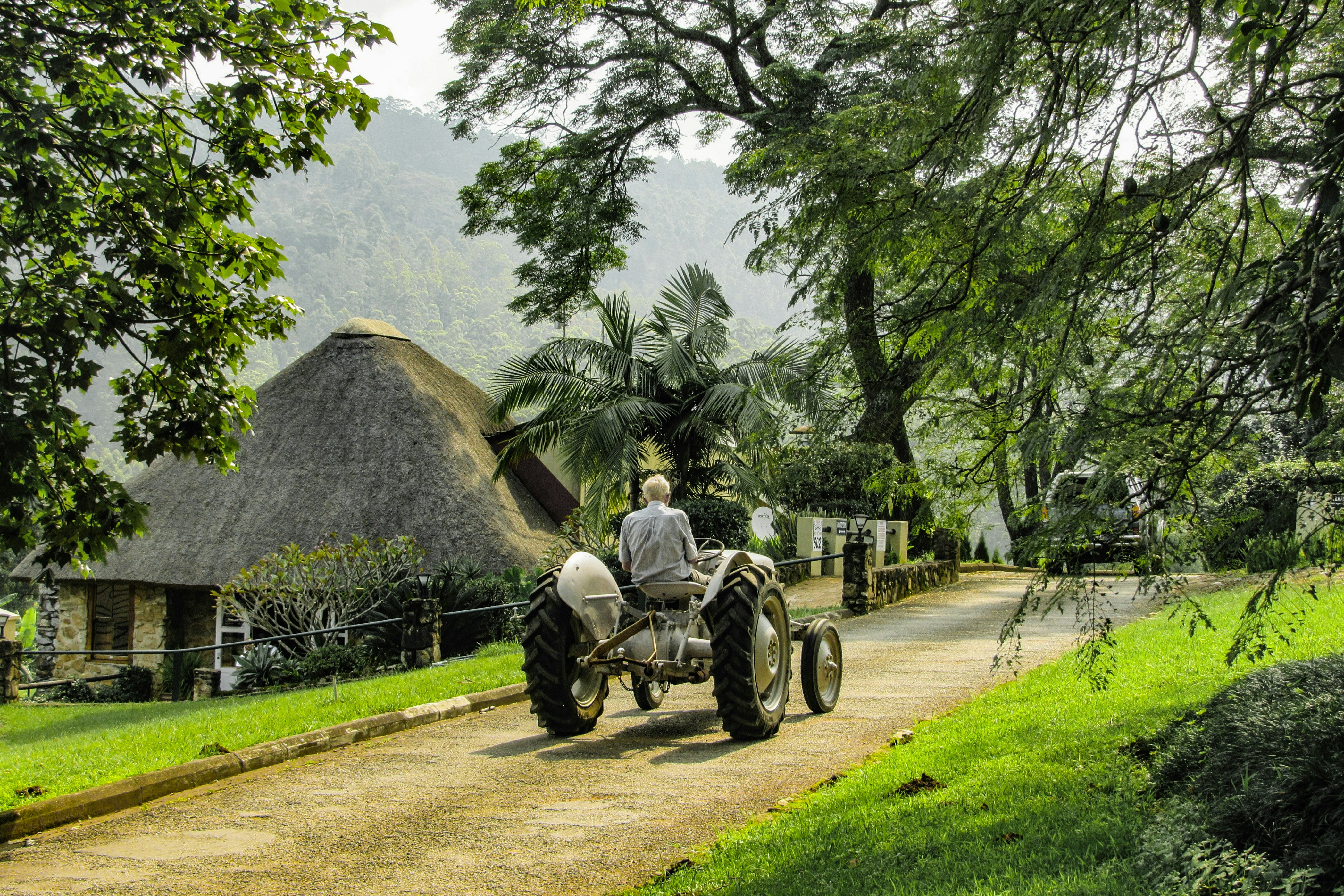
TL;DR: Is Eswatini Safe to Visit?
Eswatini is generally considered safe for travellers, with low levels of violent crime against tourists, as long as you stay alert, avoid walking at night in cities, and follow basic health precautions. Most visits are trouble‑free when you plan ahead and know the emergency numbers.
Eswatini is widely described by regional travel advisories as one of the safer countries in southern Africa, especially for visitors who stick to main routes, popular lodges, and daytime travel. Petty crime like pickpocketing and bag snatching can happen in busy areas of Mbabane and Manzini, but serious incidents involving tourists remain relatively rare compared to some neighbouring countries, according to Canadian and European foreign ministries.
For practical safety, think in terms of common‑sense habits: keep valuables out of sight, don’t walk alone after dark, use registered taxis, and be cautious at ATMs. Health‑wise, you’ll want to stay on top of mosquito protection, drink only bottled or treated water, and keep routine vaccinations up to date.
Having reliable connectivity and travel insurance makes a big difference in peace of mind: an eSIM from Hello lets you stay online to check routes, contact your accommodation, or call for help, while a good policy covers medical care and trip disruptions.
If you’re comfortable travelling in places like South Africa or Botswana, you’ll likely find Eswatini travel safety manageable with some light planning and a few simple precautions.
Overall Eswatini Travel Safety: How Safe Is Eswatini for Tourists?
Eswatini is broadly rated as moderately safe for tourists, with friendly locals and relatively low violent crime, but you should still avoid walking around Mbabane and Manzini at night and keep valuables secure, especially in crowded markets and bus ranks.
European foreign ministries describe Eswatini as "globally safe for travellers" while noting that assaults and robberies can occur, particularly in urban centres after dark. Petty crime like pickpocketing, bag snatching, and opportunistic theft is the main risk for visitors, according to Canadian travel advisories, especially around bus stations, markets, and nightlife areas.
To put things in context, Eswatini receives a steady stream of regional tourists from South Africa and Mozambique, plus international visitors drawn to nature reserves like Hlane Royal National Park and Mlilwane Wildlife Sanctuary. Most trips are incident‑free when travellers follow basic precautions.
Key practical safety tips:
- Avoid walking alone at night in Mbabane, Manzini, and rural roadside areas; use a taxi from your lodge or hotel instead.
- Keep your phone and camera discreet in busy areas; carry only the cash you need for the day.
- Use hotel safes for passports and extra cash; keep digital copies of documents stored securely online.
- When driving, keep doors locked and windows up, and avoid night driving due to poor lighting and animals on the road.
"Is Eswatini safe?" For most travellers, yes—especially if you treat big towns like any other African city: confident, aware, and a little cautious after dark, while enjoying the country’s famously warm hospitality.
Emergency Numbers, Embassies, and Staying Connected in Eswatini
Eswatini has straightforward emergency numbers—999 for police and fire, 933 or 977 for ambulance—and most travellers should save these along with their embassy contacts and keep mobile data active for navigation and calling for help if needed.
Official travel advisories list the following core emergency contacts:
- Police: 999
- Fire and rescue: 999
- Ambulance / medical emergencies: 933 or 977, depending on the service
If you are a Singaporean traveller, the Ministry of Foreign Affairs advises registering your trip and contacting Singapore’s MFA Duty Office for serious emergencies at +65 6379 8000. Singapore does not maintain a resident embassy in Eswatini; the nearest mission handling Eswatini matters is typically in Pretoria, South Africa, so you may be assisted remotely or advised to travel there if consular help is required.
For other nationalities, the U.S. Embassy Mbabane is one of the main foreign missions in the country, located near The Gables, Mbabane, and reachable at +268 2417 9000 for consular emergencies.
Staying connected is vital in a country with long rural stretches and patchy public transport. An Eswatini eSIM from Hello keeps your phone online for maps, ride‑hailing, and quick access to embassy details and insurance contacts, with instant activation on arrival and data plans starting from 5GB. You can buy and activate before flying, so you land already connected via Hello eSIM for Eswatini.
Tip: Create a phone note with your travel insurance hotline, emergency numbers, and your accommodation’s contact details, and pin it for quick access even if you’re stressed or offline.
Health Advisories, Vaccinations, and Water Safety in Eswatini
Eswatini’s main health risks for travellers are mosquito‑borne diseases, unsafe water, and common food‑borne illnesses, so focus on vaccinations, insect protection, and sticking to bottled or treated water and well‑cooked food throughout your trip.
International health authorities and foreign ministries recommend travellers ensure routine vaccinations (such as measles, tetanus, and polio) are up to date, with Hepatitis A and typhoid vaccines commonly advised for Eswatini due to food and water hygiene risks. For longer stays or higher‑risk activities, doctors may also suggest Hepatitis B and rabies vaccinations, especially if you’ll be working with animals or in remote areas.
Mosquito protection is crucial: the CDC advises long sleeves and trousers at dusk, using repellents containing DEET or picaridin, sleeping in screened or air‑conditioned rooms, and using bed nets in more rural areas. Eswatini has malaria risk in some low‑lying regions, so ask a travel clinic whether prophylaxis is recommended for your itinerary.
Water and food hygiene basics:
- Drink only bottled or properly treated water; avoid tap water and be cautious with ice.
- Choose busy restaurants where food turnover is high; make sure meat is thoroughly cooked.
- Avoid swimming in freshwater lakes and rivers because of bilharzia (schistosomiasis) risk, a point highlighted by several travel health advisories.
If you’re budgeting, factor in a pre‑trip clinic visit (often US$80–150 including consultation and vaccines in 2026) and a small health kit with rehydration salts, anti‑diarrhoeals, and painkillers. Tracking these costs is easier if you use Hello’s budget tracking and expense splitting features, especially when sharing clinic or pharmacy bills with friends.
Common Scams in Eswatini and How to Avoid Them
Most scams in Eswatini are low‑key and opportunistic, focusing on overcharging, ATM distraction, or unofficial "guides" rather than aggressive fraud, and you can avoid most issues by using registered services, agreeing prices upfront, and keeping card payments within sight.
While Eswatini is not known for sophisticated tourist scams on the scale of some large cities, foreign ministries and local safety guides highlight a few recurring patterns:
- ATM and card scams: Distraction near ATMs, "helpful" strangers offering assistance, or card skimming in poorly supervised shops. Authorities advise shielding your PIN, refusing unsolicited help, and insisting that cards are processed on a portable terminal in front of you.
- Taxi and transport overcharging: Unmetered taxis or informal drivers quoting inflated prices, especially late at night or from bus ranks. Ask your accommodation for typical fares (for example, a short ride in Mbabane might be SZL 50–80 in 2026) and confirm the fare before getting in.
- Fake guides or curio sellers: Unofficial "guides" around markets or viewpoints pushing services or souvenirs at high prices. Stick to guides recommended by your lodge or official tour operators.
- Charity or fee requests: Occasionally, travellers report being asked for "fees" to access viewpoints or take photos. Politely decline if no official signage or receipt is provided.
A simple way to reduce friction is to carry small denominations for tips and small purchases, and pay larger expenses by card only in reputable hotels, lodges, and supermarkets.
Hello’s AI receipt scanning can help you spot unexpected charges: snap a photo of paper bills in any language or currency and let the app categorise and convert them, making it easier to notice if a driver or shop has quietly added extra fees.
Solo Female and LGBTQ+ Traveller Safety in Eswatini
Solo female and LGBTQ+ travellers generally find Eswatini manageable but conservative, so you’ll want to be slightly cautious at night, dress modestly in rural areas, and keep public displays of affection low‑key to avoid unwanted attention or misunderstandings.
Solo female travellers report positive experiences in nature reserves and lodges, where staff are accustomed to international guests, but it’s wise to follow a few extra precautions:
- Avoid walking alone after dark; arrange lodge or hotel transport instead.
- Choose guesthouses and hotels with good reviews mentioning safety and security.
- In cities, opt for modest clothing that aligns with local norms, especially in markets or rural villages.
- Be firm but polite when declining unwanted advances or offers; local people are generally respectful once boundaries are clear.
For LGBTQ+ travellers, Eswatini’s legal and social environment remains conservative, with limited visible queer spaces and occasional stigma. While many visitors pass through without issues, travel advisories recommend keeping discretion in public, especially in smaller towns and traditional settings. Public displays of affection by any couple—straight or queer—may attract attention, so keeping things low‑key is often more comfortable.
If you’re meeting new people via apps or social media, always choose public daytime locations and let a friend or your accommodation know where you’re going. Having continuous mobile data through Hello’s eSIM also makes it easier to share your live location or quickly arrange a safe ride back to your hotel.
Ultimately, if you’ve travelled alone in other African destinations, you’ll likely find Eswatini comparatively relaxed, with friendly locals and a calmer pace, as long as you pair openness with sensible boundaries.
Travel Insurance, Costs, and Common Questions About Eswatini Safety
Good travel insurance is strongly recommended for Eswatini, covering medical care, evacuation, theft, and trip changes, and many travellers pair this with basic safety habits like avoiding night driving, keeping valuables secure, and staying connected via a Hello eSIM.
Medical facilities in Mbabane and Manzini can handle routine issues, but more complex cases may require evacuation to South Africa, which is why insurance with medical evacuation is important. Policies that cover emergency hospitalisation, evacuation, and theft usually cost around US$50–120 per person for a 1–2 week trip in 2026, depending on age and coverage.
Here’s a quick comparison of key Eswatini safety basics:
| Topic | What Travellers Should Know |
|---|---|
| Crime risk | Mostly petty theft; avoid walking at night in cities |
| Emergency numbers | 999 (police & fire), 933/977 (ambulance) |
| Health focus | Mosquito protection, food & water hygiene |
| Water safety | Drink bottled/treated water; avoid freshwater swimming |
| Connectivity | Use mobile data (e.g., Hello eSIM) for maps and emergency calls |
| Insurance | Include medical + evacuation + theft coverage |
Common Questions About Eswatini Safety
Is Eswatini safe for tourists?
Yes, Eswatini is generally safe when you follow basic precautions—most visits are incident‑free, and violent crime against tourists is uncommon compared to some neighbours.
What are Eswatini’s emergency numbers?
Dial 999 for police and fire, and 933 or 977 for medical emergencies, depending on the service.
Can I drink tap water in Eswatini?
No—travel health advisories recommend bottled or treated water only, and advise against ice unless you trust the source.
Do I need vaccinations for Eswatini?
Doctors typically suggest routine vaccines plus Hepatitis A and typhoid, with Hepatitis B and rabies for longer or higher‑risk stays.
To keep your budget under control, you can use Hello’s multi‑currency expense tracking and AI categorisation to monitor what you’re spending on insurance, health, transport, and activities, then adjust plans before costs creep up.
Explore These Destinations
Ready for Eswatini?
eSIM data, expense splitting, budget tracking, and more. Everything you need for a smooth trip in one app.
Related Articles
Eswatini Currency & Money Guide: Exchange, Cards, and Tips
Currency exchange, credit card acceptance, ATM tips, tipping culture, and money-saving advice for Eswatini.
26 July 2026
Eswatini Visa & Entry Requirements for Singapore Passport Holders
Visa requirements, passport validity, customs allowances, and entry tips for Singapore citizens travelling to Eswatini.
8 July 2026
eSIM for Eswatini: Best Plans, Coverage, and Setup Tips
Everything you need to know about using eSIM in Eswatini. Best data plans, network coverage, and setup instructions.
29 June 2026