Key Takeaways
- ✓Colombia in 2026 remains one of the best-value long-haul destinations, with realistic daily budgets starting around US$35–50 for backpackers and scaling to US$150+ for luxury travellers.
- ✓The best overall time to visit Colombia is during the drier seasons from December–March and July–August, while shoulder months offer better prices and fewer crowds.
- ✓Hello eSIM provides instant mobile data in Colombia, making it easy to stay connected for navigation, messaging, and trip planning without hunting for local SIM cards.
- ✓Many visitors can enter Colombia visa-free for tourism, but entry rules vary, so always confirm requirements for your passport; Singapore citizens can follow the dedicated visa guide.
- ✓Colombia’s food scene is a highlight of any trip, with hearty local dishes, regional specialties, and growing international options at prices that stay friendly even in major cities.
- ✓Safety has improved significantly, but travellers should still follow common-sense precautions, rely on trusted transport, and stay informed using up-to-date safety guidance.
- ✓Ready-made itineraries for 3, 5, and 10 days make it easy to combine cities, coast, and countryside without over-planning or rushing between destinations.
- ✓A simple pre-departure checklist covering documents, money, connectivity via Hello eSIM, health, and transport ensures you arrive in Colombia prepared rather than scrambling on arrival.
Colombia in 2026 is one of the most exciting places you can visit: tropical Caribbean beaches, green Andean mountains, vibrant cities like Bogotá, Medellín and Cartagena, and surprisingly friendly prices compared to destinations like Japan or Thailand. This guide is your one-stop Colombia trip planner, designed to help you move confidently from “I’d love to visit Colombia” to a fully booked itinerary.
We’ll walk through the best time to visit, what kind of budget to expect in 2026, visa and entry basics, how to get around, what to eat, and how to stay safely connected with Hello eSIM. Along the way, you’ll find links to detailed articles like Colombia Travel Budget Guide: Daily Costs and Money Tips, Getting Around Colombia: Transport Guide for Travellers, and Colombia Food Guide: Must-Try Dishes, Prices, and Tips so you can deep-dive into any topic.
You’ll also get decision-friendly comparison tables, quick frameworks for choosing when to go and how long to stay, plus practical checklists to make sure you don’t miss crucial details like currency, safety, or eSIM setup. Whether you’re planning a short 3–5 day city break or a 10-day adventure across regions, this 2026 Colombia travel guide is the hub page to start – and finish – your planning.
Why Visit Colombia in 2026?
Colombia in 2026 offers a rare mix of affordability, diversity of landscapes, and vibrant culture, making it one of the best-value destinations for both first-time and repeat travellers.
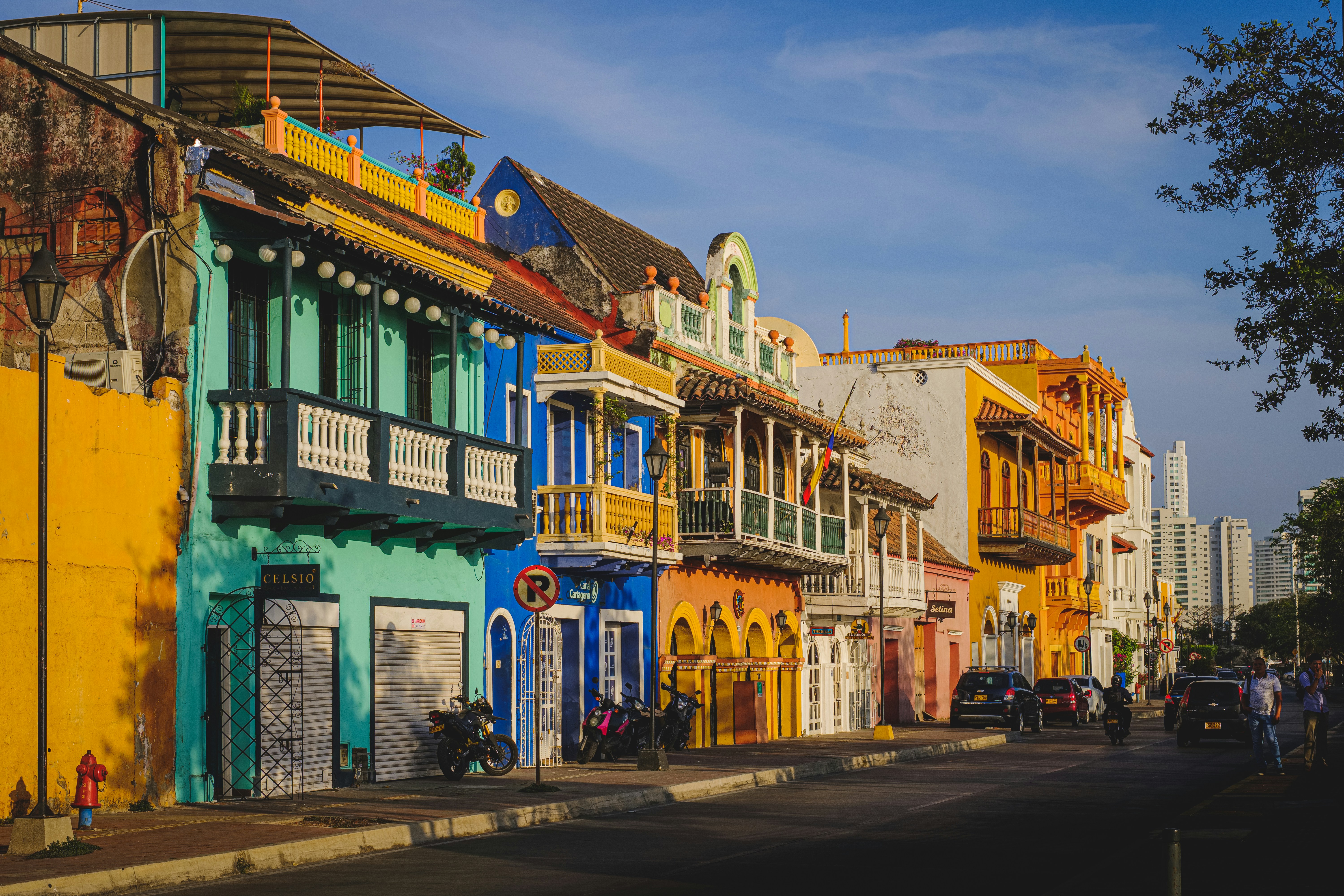
Colombia is the kind of place that wins people over quickly: colonial streets in Cartagena, mountain views in Medellín, museums and street art in Bogotá, plus coffee regions, jungle coastlines and small towns where time feels slower. You get big-city energy and small-town warmth in one trip, with costs that are often lower than popular trips to Japan or Thailand.
As of 2026, most travellers can explore Colombia comfortably on around US$40–120 per day, depending on whether you favour hostel dorms and street food or boutique hotels and private tours. You’ll find strong tourism infrastructure, expanding domestic flight routes, and more English speakers in major hubs, while Spanish remains the key to connecting with locals.
Safety has improved significantly over the past decade, but Colombia still rewards informed travellers who stay aware of neighborhoods, use trusted transport, and follow common-sense precautions. That’s why pairing this guide with the Colombia Safety Guide: Tips for a Safe Trip and Colombia Cultural Guide: Etiquette, Customs, and Tips is so helpful.
You can tailor Colombia to your style: beach-focused escape on the Caribbean, culture-heavy city trip, or nature and coffee countryside. Later sections link to ready-made itineraries like Colombia in 5 Days: The Perfect Extended Itinerary and Colombia in 10 Days: The Ultimate Travel Itinerary, making it easy to plug into proven routes and adapt them to your budget and interests.
Colombia Travel Budget Guide: Daily Costs and Money Tips
Cultural GuideColombia Cultural Guide: Etiquette, Customs, and Tips
Safety & HealthColombia Safety Guide: Tips for a Safe Trip
ItinerariesColombia in 10 Days: The Ultimate Travel Itinerary
ItinerariesColombia in 5 Days: The Perfect Extended Itinerary
Best Time to Visit Colombia: Seasons, Weather, and Crowds
The best time to visit Colombia in 2026 is generally the drier months from December–March and July–August, which offer sunnier skies and easier beach and mountain travel, balanced against higher prices and busier tourist hubs.
Colombia sits near the equator, so temperatures are fairly consistent year-round; what really changes is rainfall and crowds. The country typically has two drier seasons (roughly December–March and July–August) and two rainier seasons (around April–June and September–November). Drier months tend to be the most popular time for first-time trips that mix Andes cities (Bogotá, Medellín) with the Caribbean coast.
High season includes December–January and Easter/"Semana Santa", when domestic travel surges, prices climb, and places like Cartagena, Santa Marta, and the islands feel busy. Shoulder and low seasons (roughly April–June and September–November) mean better value and fewer crowds, but expect more frequent showers, especially inland.
Use this quick framework:
- Want sunshine and beaches? Aim for December–March or July–August.
- Want value and fewer crowds? Aim for April–May or September–November, and pack a light rain jacket.
- Only have fixed dates? Choose destinations whose climates match your window (for example, the Caribbean stays hot and humid even in wetter months).
Weather also changes with altitude: Bogotá is cool year-round, Medellín has springlike temperatures, and lowland areas like Cartagena are hot and humid. When building your itinerary, pair this overview with season-specific advice in Colombia in 3 Days: A Day-by-Day Itinerary and Colombia in 10 Days: The Ultimate Travel Itinerary so your daily plans match the climate.
Colombia Seasons at a Glance (2026)
| Period | Weather Pattern | Crowds & Prices | Best For |
|---|---|---|---|
| Dec–Jan | Dry, sunny (most regions) | Very busy, highest prices | First-time trips, beaches |
| Feb–Mar | Mostly dry, warm | Busy but slightly less than Dec–Jan | Caribbean + Andes combos |
| Apr–Jun | Showers, greener landscapes | Lower prices, fewer crowds | Budget travellers, longer trips |
| Jul–Aug | Short dry season | Moderate–busy, mid-to-high prices | Hiking, beach trips |
| Sep–Nov | Rainier, especially inland | Often lowest prices | Slow travel, flexible itineraries |
Colombia Travel Budget 2026: How Much to Expect
In 2026, most travellers should plan around US$40–120 per person per day in Colombia, depending on whether you travel as a budget backpacker, mid-range explorer, or luxury seeker in cities and coastal hotspots.
Colombia remains relatively affordable compared to many long-haul destinations, but prices have risen steadily post-2020, especially in tourism favourites like Cartagena. The Colombia Travel Budget Guide: Daily Costs and Money Tips breaks down costs in detail; here’s a simple daily planning framework for 2026 (excluding international flights):
Daily Budget Comparison (2026, per person)
| Style | Approx. Daily Budget | Typical Inclusions |
|---|---|---|
| Budget | US$35–50 | Hostel dorm, local buses/metro, street food/menus del día, free sights, occasional group tour |
| Mid-range | US$70–110 | Private room in guesthouse/hotel, domestic flights or intercity buses, mix of local and sit-down dining, regular tours |
| Luxury | US$150–220+ | Boutique/5-star stays, private transfers, high-end dining, premium tours and experiences |
As of 2026, a one-week trip often works out to roughly US$315–600 at budget level and US$700–1,200 for mid-range comfort, with luxury trips climbing much higher depending on hotel choices and flights. Your biggest cost levers are:
- Choice of cities (Cartagena and islands cost more than Medellín or small towns)
- Domestic flights vs. buses
- Frequency of paid tours (e.g., island day trips, coffee farm visits)
- Type of accommodation (hostel vs. boutique hotel)
Colombia uses the Colombian peso (COP), and many everyday expenses are cash-based, though cards are widely accepted in big cities and upscale spots. Before you go, read the Colombia Currency & Money Guide: Exchange, Cards, and Tips for the latest on ATMs, exchange tips, and how to avoid unnecessary fees. That guide pairs well with the budget article to give you a full money picture for 2026.
Visa & Entry Requirements: Know Before You Go
For many nationalities, Colombia offers visa-free stays for tourism, but entry rules vary by passport, so always check your specific requirements and airline documentation before flying in 2026.
Colombia’s immigration policy is generally friendly to visitors, with numerous countries able to enter visa-free for short stays, typically around 90 days. However, rules differ by nationality, and they can change, so don’t rely on outdated information. For Singapore citizens, the dedicated Colombia Visa & Entry Requirements for Singapore Passport Holders breaks down current visa rules, passport validity, and customs allowances in detail.
Regardless of passport, expect the following common requirements when visiting Colombia in 2026:
- Valid passport with at least 6 months’ validity left beyond your planned departure
- Evidence of onward or return travel, often checked at check-in
- Possible proof of sufficient funds for your stay
- Compliance with any current health or vaccination advisories (these can change, so check close to departure)
On arrival, immigration may ask for your first accommodation address and length of stay. Be honest and concise, and keep flight confirmation and hotel bookings handy. Pay attention to the number of days stamped into your passport, especially if you plan to stay longer or return within the same year.
Customs rules cover what you can bring into Colombia, including cash, electronics, and duty-free goods. The visa & entry article offers guidance on typical allowances and what to expect at the airport.
If you’re combining Colombia with other Latin American countries, keep an eye on multi-country entry and transit rules. For Singapore citizens, start with the linked guide; for other passports, use it as a template and check your government’s travel advisories and Colombia’s consular pages for up-to-date specifics.
Getting Around Colombia: Cities, Coast, and Countryside
Getting around Colombia in 2026 is easier than ever, with a mix of domestic flights, intercity buses, ride-hailing apps, and local metro systems making it simple to move between cities and explore within them.
For a deeper dive, start with Getting Around Colombia: Transport Guide for Travellers, which explains airport transfers, public transit, and inter-city options. At a high level, transport works like this:
- Domestic flights: Ideal for long distances (e.g., Bogotá–Cartagena, Medellín–Santa Marta). They save time and are often reasonably priced if booked early.
- Intercity buses: Good value, especially for medium distances or routes where flights are less direct. Night buses can save on accommodation but require extra safety awareness.
- Urban transport: Cities like Medellín have efficient metro systems; Bogotá relies heavily on buses; taxis and ride-hailing apps are common in major hubs.
- Walking and cycling: Great in central areas of cities and small towns, but always assess local safety advice before walking at night.
Driving is possible, but not recommended for most first-time visitors due to traffic, road conditions in some areas, and different driving norms. If you do rent a car, stick to well-traveled routes and daylight driving.
A simple decision guide:
- Short city stay (3–5 days)? Focus on one city and nearby day trips; use local transit and taxis.
- Multi-city itinerary (7–10 days)? Combine 1–2 domestic flights with buses for shorter hops.
- Slow travel month? Mix buses, occasional flights, and walking/metro to keep costs low.
Transport choices link closely to your itinerary length. The 3-day, 5-day, and 10-day route articles—3 Days in Colombia: A Day-by-Day Itinerary, Colombia in 5 Days: The Perfect Extended Itinerary, and Colombia in 10 Days: The Ultimate Travel Itinerary—each include city-specific transport tips you can reuse and adapt across your trip.
Food & Dining in Colombia: What to Eat and What It Costs
Colombia’s food scene in 2026 is hearty, regional, and increasingly creative, with daily costs that stay friendly even if you enjoy café culture and occasional splurge meals.
For a full overview of dishes, prices, and tips, read the Colombia Food Guide: Must-Try Dishes, Prices, and Tips. At a glance, expect:
- Classic Colombian dishes like arepas, bandeja paisa, ajiaco, sancocho, and fresh juices
- Regional specialties along the Caribbean coast and in the coffee region
- A growing mix of international cuisine and modern Colombian restaurants in major cities
As of 2026, typical daily food spend looks like this:
- Budget travellers: Around US$15–20 per day, relying on street food, bakeries, and "menus del día" (set lunches).
- Mid-range travellers: Around US$25–40 per day, mixing casual local spots with a few sit-down dinners.
- Food-focused travellers: US$50+ per day if you chase specialty coffee, tasting menus, and cocktails.
Street food is widely available and often delicious, but sensible food safety habits matter: choose busy stalls with fast turnover, drink treated or bottled water if advised locally, and be cautious with raw foods in hot, humid conditions.
Vegetarian and vegan options are growing but still more concentrated in cities like Bogotá and Medellín. Communicating dietary needs in Spanish helps a lot; the Colombia Cultural Guide: Etiquette, Customs, and Tips includes useful phrases and etiquette for ordering.
For many travellers, meals become a highlight of the trip. Use the food guide to plan must-try dishes per city, then cross-check with your daily budget in the Colombia Travel Budget Guide: Daily Costs and Money Tips so you know when to go cheap and when to treat yourself.
Top Experiences & Sample Itineraries (3–10 Days)
Colombia is best experienced through a mix of cities, coast, and countryside, and you can do that even in just 3–10 days using well-structured itineraries.
If you’re short on time, start with 3 Days in Colombia: A Day-by-Day Itinerary. It focuses your trip on one main city plus key highlights, giving clear advice on neighborhoods to stay in, daily activities, and transport. For slightly longer stays, Colombia in 5 Days: The Perfect Extended Itinerary helps you add another city or coastal destination without rushing.
With 10 days, you can slow down and explore more regions. The Colombia in 10 Days: The Ultimate Travel Itinerary combines major cities with the Caribbean or coffee region, balancing urban culture, beaches, and nature.
A simple experience framework:
- Urban Culture Route: Bogotá + Medellín – museums, street art, nightlife, coffee.
- Caribbean Highlights: Cartagena + Rosario Islands or Santa Marta – beaches, colonial architecture, island day trips.
- Nature & Coffee: Coffee region (Salento, Manizales) – hikes, coffee farm tours.
Think in blocks:
- 3 days: 1 main city
- 5 days: 1–2 cities or 1 city + nearby coast
- 10 days: 2–3 regions with at least one flight
Use this pillar guide to choose what type of Colombia you want (culture-heavy, beachy, nature-focused), then plug into the detailed itineraries for day-by-day logistics, cost estimates, and specific neighborhoods to book. That way, you spend less time agonizing over routes and more time enjoying the experiences once you arrive.
Connectivity in Colombia: Hello eSIM, Wi‑Fi, and Staying Online
In 2026, Hello eSIM makes staying connected in Colombia simple, giving you instant mobile data on arrival without hunting for local SIM cards or dealing with language barriers at kiosks.
Colombia has good mobile coverage in major cities and tourist regions, with patchier signal in remote areas. To understand coverage and best data plans, use eSIM for Colombia: Best Plans, Coverage, and Setup Tips. That guide explains how to choose and activate Hello eSIM on iOS or Android, what kind of data bundles to consider, and how coverage differs between cities, rural regions, and the coast.
Why Hello eSIM works so well for Colombia trips in 2026:
- Instant activation before or upon arrival, so you’re online for immigration, ride-hailing, and maps
- No need to find a local store, show ID, or swap physical SIMs
- Easy management alongside Hello’s other travel tools like expense splitting and trip budgeting
You’ll also find Wi‑Fi in cafés, co-working spaces, hotels, and some public areas, but speeds and reliability vary. For work trips, digital nomad stays, or navigation-heavy itineraries, having a strong mobile data plan via Hello eSIM reduces stress.
A simple connectivity plan:
- Short trips (3–5 days): Buy a Hello eSIM data package that covers navigation, messaging, and light social media.
- Longer trips (10 days+): Choose a larger data bundle and lean on Wi‑Fi where quality is good.
Once you understand your itinerary length and expected data use, the eSIM article gives step-by-step setup instructions and troubleshooting tips tailored to Colombia. Combine that with this guide’s transport and safety sections to create a smooth, connected experience from airport arrival to your final café stop.
Money, Safety & Culture: Travelling Smart in Colombia
Travelling smart in Colombia in 2026 means understanding money basics, local safety realities, and everyday cultural etiquette so you can relax and enjoy more of what the country offers.
Start with three key deep dives:
- Colombia Currency & Money Guide: Exchange, Cards, and Tips – how to handle the Colombian peso, use ATMs, pay by card, and tip.
- Colombia Safety Guide: Tips for a Safe Trip – current safety advice, common scams, and emergency contacts.
- Colombia Cultural Guide: Etiquette, Customs, and Tips – greetings, dress codes, and useful phrases.
As of 2026, cash is still important for street food, markets, and small businesses, while cards are widely accepted in larger establishments and hotels. ATMs are common in cities, but it’s wise to use machines attached to banks or inside shopping centres when possible.
Safety-wise, Colombia has improved greatly, yet you should still:
- Stay alert in crowded areas and nightlife districts
- Use trusted transport, especially at night
- Keep valuables discreet and avoid displaying expensive items openly
- Follow local advice on which neighborhoods to avoid
Culturally, Colombians are generally warm and polite. Basic Spanish phrases go a long way, and respectful dress and behaviour are appreciated. Learning local norms—like greeting people properly, tipping fairly, and understanding personal space—helps you connect more deeply and avoids misunderstandings.
A simple smart-travel framework:
- Money: Know your daily budget and how you’ll access cash
- Safety: Read up on current advice, stay situationally aware
- Culture: Learn core etiquette and a few phrases
Pair this overview with the three linked guides before you go, then revisit them mid-trip if you plan to shift to new regions or change your travel style.
Before You Go: Colombia Trip Checklist
A smart before-you-go checklist for Colombia in 2026 helps you lock in essentials—documents, money, connectivity, health, and rough itinerary—so you arrive prepared rather than scrambling.
Use this section as a pre-departure checklist, then tap into the linked detailed guides for any item that needs more attention.
Documents & Entry
- Confirm passport has at least 6 months’ validity beyond your return date.
- Check whether you need a tourist visa or can enter visa-free.
- Print or save copies of flight tickets and accommodation bookings.
- For Singapore citizens, review Colombia Visa & Entry Requirements for Singapore Passport Holders.
Money & Budget
- Decide your daily budget (e.g., US$35, US$80, or US$150+).
- Read Colombia Travel Budget Guide: Daily Costs and Money Tips for realistic figures.
- Set up cards and cash strategy using Colombia Currency & Money Guide: Exchange, Cards, and Tips.
Connectivity & Apps
- Install the Hello app on iOS or Android.
- Purchase and pre-load your Hello eSIM for Colombia using guidance from eSIM for Colombia: Best Plans, Coverage, and Setup Tips.
Health & Safety
- Review Colombia Safety Guide: Tips for a Safe Trip.
- Confirm travel insurance that covers health and belongings.
Itinerary & Transport
- Choose a base itinerary: 3 Days, 5 Days, or 10 Days.
- Check Getting Around Colombia: Transport Guide for Travellers and pre-choose key flights or bus routes.
Check this list one week before departure and again the night before your flight to make sure nothing falls through the cracks.
Colombia Visa & Entry Requirements for Singapore Passport Holders
Budget PlanningColombia Travel Budget Guide: Daily Costs and Money Tips
Currency & MoneyColombia Currency & Money Guide: Exchange, Cards, and Tips
eSIM & ConnectivityeSIM for Colombia: Best Plans, Coverage, and Setup Tips
Safety & HealthColombia Safety Guide: Tips for a Safe Trip
Itineraries3 Days in Colombia: A Day-by-Day Itinerary
ItinerariesColombia in 5 Days: The Perfect Extended Itinerary
ItinerariesColombia in 10 Days: The Ultimate Travel Itinerary
Getting AroundGetting Around Colombia: Transport Guide for Travellers
Frequently Asked Questions
How much does a trip to Colombia cost in 2026?
In 2026, most travellers spend roughly US$40–120 per person per day in Colombia, excluding international flights. Budget backpackers can manage on US$35–50 with hostels and street food, mid-range travellers on US$70–110 with private rooms and some tours, and luxury travellers easily exceed US$150–220 daily. For detailed breakdowns, see the Colombia Travel Budget Guide: Daily Costs and Money Tips and Colombia Currency & Money Guide: Exchange, Cards, and Tips.
Is Colombia safe to visit in 2026?
Colombia is much safer than it once was, and millions of tourists visit every year, but it remains a place where situational awareness matters. In 2026, most visitors have trouble-free trips by avoiding certain neighborhoods, using trusted transport (especially at night), keeping valuables discreet, and staying informed about local advice. The Colombia Safety Guide: Tips for a Safe Trip covers current risks, common scams, and emergency contacts so you can plan a sensible, low-stress visit.
What is the best month to visit Colombia?
There isn’t one single best month, but December–March and July–August are often recommended for first-time visitors because they’re generally drier and better for combining cities with beaches. These months bring higher prices and more crowds, especially around Christmas, New Year, and Easter. For better value and fewer people, consider shoulder periods like April–May or September–November and adjust your destinations accordingly using itineraries such as Colombia in 10 Days: The Ultimate Travel Itinerary.
Do I need a visa to visit Colombia?
Many nationalities can enter Colombia visa-free for tourism for around 90 days, but rules vary by passport and can change. As of 2026, you should always check up-to-date requirements via your government’s travel advisories and Colombian consular information. Singapore citizens can follow the step-by-step guidance in Colombia Visa & Entry Requirements for Singapore Passport Holders, which covers visa rules, passport validity, customs allowances, and what to expect at immigration.
How can I stay connected in Colombia without buying a local SIM card?
The simplest way in 2026 is to use Hello eSIM. You can purchase data plans for Colombia in the Hello app, install the eSIM on your iOS or Android device, and activate it instantly when you land—no need to visit a phone shop or swap physical SIM cards. The guide eSIM for Colombia: Best Plans, Coverage, and Setup Tips explains data bundles, coverage by region, and step-by-step setup instructions so you stay online for navigation, messaging, and trip planning throughout your visit.
What should I absolutely eat when I visit Colombia?
Must-try Colombian dishes include arepas, hearty bandeja paisa, comforting ajiaco soup in Bogotá, and fresh fish with coconut rice on the Caribbean coast, along with tropical fruit juices and excellent coffee. Prices remain friendly in 2026, especially if you use local "menus del día" (set lunches) and street food. For specific recommendations per city, dietary tips, and price ranges, check the Colombia Food Guide: Must-Try Dishes, Prices, and Tips.
How many days should I spend in Colombia on my first trip?
If you’re short on time, 3–5 days lets you explore one main city and nearby highlights; 10 days gives you space to combine cities, coast, and countryside. First-time visitors often choose around 7–10 days to balance flights, acclimatization, and experiences. Use 3 Days in Colombia: A Day-by-Day Itinerary, Colombia in 5 Days: The Perfect Extended Itinerary, and Colombia in 10 Days: The Ultimate Travel Itinerary to choose a route that fits your schedule and budget.
eSIM Plans for Colombia
Detailed Articles
Dive deeper into specific topics covered in this guide.
Colombia Travel Budget Guide: Daily Costs and Money Tips
How much does it cost to travel in Colombia? Daily budget breakdowns for budget, mid-range, and luxury travellers.
23 February 2026
Colombia Cultural Guide: Etiquette, Customs, and Tips
Essential do's and don'ts, greeting customs, dress codes, local phrases, and cultural tips for Colombia.
1 June 2026
Colombia Safety Guide: Tips for a Safe Trip
Safety tips, health advisories, emergency contacts, common scams, and travel insurance advice for Colombia.
16 July 2026
Colombia in 10 Days: The Ultimate Travel Itinerary
A comprehensive 10-day itinerary for Colombia covering top attractions, hidden gems, daily costs, and transport between cities.
18 June 2026
Colombia in 5 Days: The Perfect Extended Itinerary
A detailed 5-day itinerary for Colombia with daily activities, costs, neighborhoods, and transport tips for an extended stay.
4 May 2026
3 Days in Colombia: A Day-by-Day Itinerary
A detailed 3-day itinerary for Colombia with daily activities, costs, neighborhoods, and transport tips.
10 June 2026
Colombia Currency & Money Guide: Exchange, Cards, and Tips
Currency exchange, credit card acceptance, ATM tips, tipping culture, and money-saving advice for Colombia.
25 July 2026
Colombia Visa & Entry Requirements for Singapore Passport Holders
Visa requirements, passport validity, customs allowances, and entry tips for Singapore citizens travelling to Colombia.
7 July 2026
More Travel Guides
Destination Guide
Complete Bosnia and Herzegovina Travel Guide 2026
Everything you need to know about travelling to Bosnia and Herzegovina — budget, visa, food, transport, eSIM connectivity, and itineraries.
Destination Guide
Complete Bahamas Travel Guide 2026
Everything you need to know about travelling to Bahamas — budget, visa, food, transport, eSIM connectivity, and itineraries.
Destination Guide
Complete Bahrain Travel Guide 2026
Everything you need to know about travelling to Bahrain — budget, visa, food, transport, eSIM connectivity, and itineraries.
Destination Guide
Complete Sint Eustatius Travel Guide 2026
Everything you need to know about travelling to Sint Eustatius — budget, visa, food, transport, eSIM connectivity, and itineraries.