Colombia Food Guide: Must-Try Dishes, Prices, and Tips
Best local dishes, street food, restaurant prices, dietary options, and food safety tips for Colombia.
By Hello Travel Team
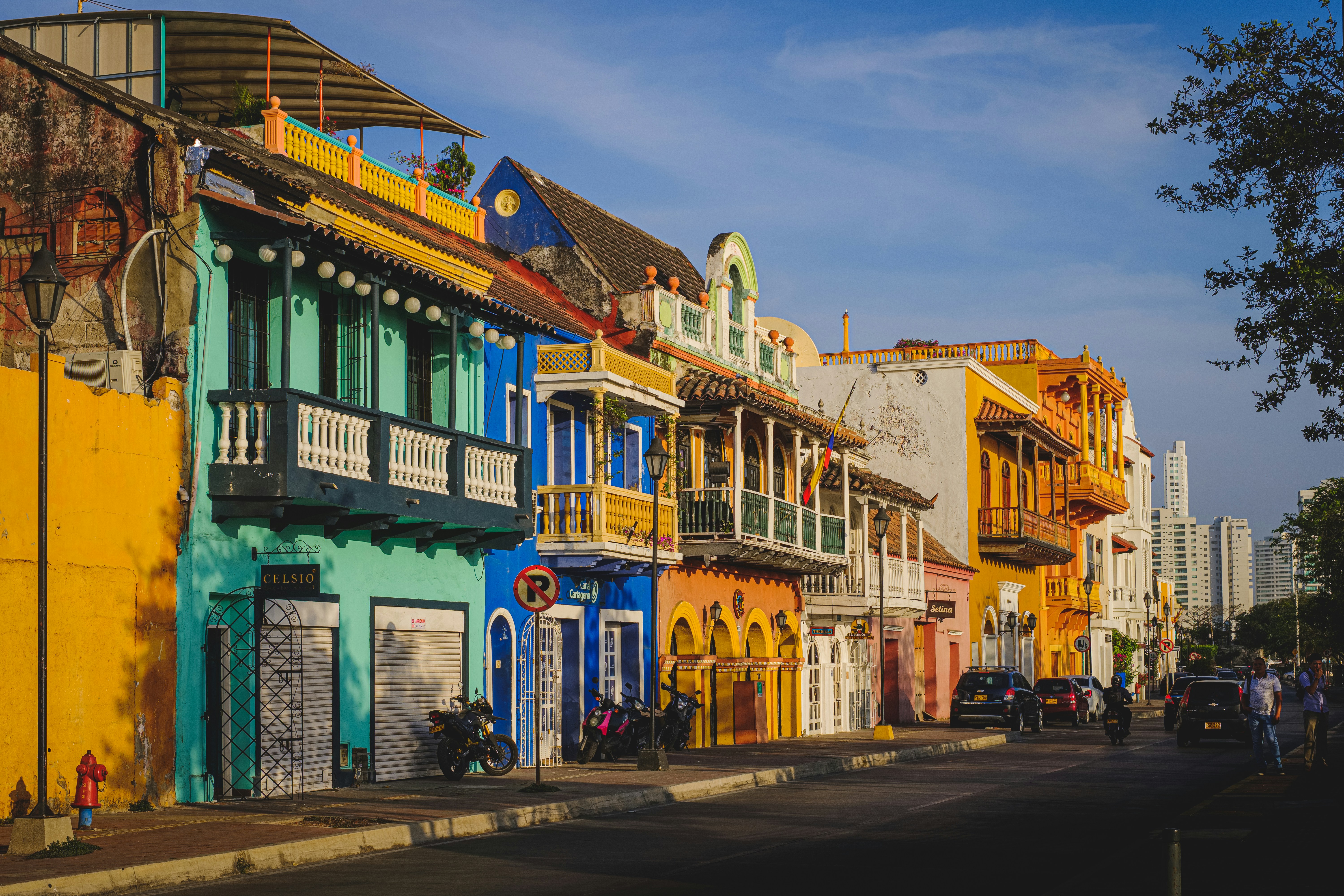
TL;DR: What to Eat in Colombia and How Much It Costs
Colombia’s food scene is all about hearty set lunches, vibrant street snacks, and fresh tropical fruit, with typical traveller-friendly meals ranging from COP 15,000–35,000 (around USD 4–9) in 2026. You’ll eat well on a mid-range budget, especially if you mix street food with local restaurants.
Think of this Colombia food guide as your shortcut to must-try dishes, realistic price ranges, and practical tips for staying healthy and on budget while you eat your way around Bogotá, Medellín, Cartagena, and beyond. A solid daily food budget for most travellers in 2026 is around COP 70,000–130,000 (USD 18–34), depending on how many coffees, cocktails, and splurges you add.
Colombia welcomed over 5.8 million international visitors in 2023, according to Colombia’s Ministry of Commerce, Industry and Tourism, and the food scene is a big part of why travellers keep coming back. That’s good news for you: more visitors means better options for vegetarians, vegans, and halal travellers, plus an explosion of quality cafés and modern bistros in major cities.
To keep food spending in check, many travellers use the Hello app’s AI receipt scanning to log every arepa, menu del día, and fancy tasting menu in seconds, even when the receipts are in Spanish and Colombian pesos. Combine local eateries with smart tracking and you’ll eat well without overshooting your budget.
Colombia Must-Try Food: Essential Dishes You Shouldn’t Miss
Colombia’s must-try food starts with regional classics like bandeja paisa, arepas, ajiaco, and fresh juices, with typical prices from COP 15,000–45,000 (USD 4–12) per main dish in 2026 at casual local restaurants. Taste at least one iconic dish per region you visit for the full experience.
The heart of any Colombia food guide is its classics:
- Bandeja paisa (Medellín & Antioquia): A generous platter with beans, rice, minced meat, chorizo, chicharrón, fried egg, plantain, arepa, and avocado. In local restaurants, expect COP 30,000–45,000 (USD 8–12) in 2026.
- Ajiaco (Bogotá): A comforting chicken and potato soup with corn, capers, cream, and avocado, perfect for the capital’s cooler climate. Typical prices are COP 25,000–40,000 (USD 7–11).
- Sancocho: A rustic stew with chicken, beef, or fish plus root vegetables and plantain, widely available across the country from COP 20,000–35,000 (USD 5–9).
- Arepas: Griddled corn cakes that can be plain, stuffed with cheese (arepa de queso), or topped like mini pizzas. Street versions cost around COP 3,000–6,000 (USD 0.80–1.50), while restaurant-style options can reach COP 10,000–15,000.
Colombia is also famous for its fruit: try fresh-squeezed juices and smoothies made from maracuyá (passionfruit), lulo, guanábana (soursop), and more, often for COP 5,000–10,000 at juice stands. According to Colombia’s agricultural stats, the country produces millions of tons of tropical fruit annually, which is why juice bars and fruit carts are everywhere.
Use the Hello app to log what you spend on these iconic dishes each day; AI-powered categorization makes it easy to see how much of your budget is going to “local food experiences” versus quick snacks.
Street Food vs Restaurants: Prices, Portions, and Where to Eat
Street food in Colombia is cheap and filling, with snacks from COP 3,000–8,000 (USD 0.80–2.10), while sit-down restaurants typically charge COP 20,000–50,000 (USD 5–13) per main in 2026. Mix both for the best balance of value, hygiene, and variety on your trip.
Colombia’s street food is a highlight, especially in cities like Bogotá, Medellín, and Cartagena. Common options include:
- Arepas and empanadas: COP 3,000–6,000 (USD 0.80–1.60) per piece from street vendors.
- Buñuelos (fried dough balls) and pan de bono (cheesy bread): COP 2,000–4,000 each, ideal with morning coffee.
- Obleas (thin wafers with dulce de leche, jam, or cheese): usually COP 4,000–7,000.
For sit-down meals, look for:
- Menu del día (set lunch): Soup, main, side, and juice, typically COP 15,000–25,000 (USD 4–7) in local eateries as of 2026.
- Mid-range restaurants in popular neighbourhoods like El Poblado (Medellín), Chapinero (Bogotá), or Getsemaní (Cartagena): mains around COP 30,000–50,000 (USD 8–13), with starters from COP 12,000–20,000.
Here’s a quick comparison of street food vs restaurant dining:
| Type of meal | Typical cost (COP, 2026) | Typical cost (USD, 2026) | What you get |
|---|---|---|---|
| Street snack | 3,000–8,000 | 0.80–2.10 | Single arepa, empanada, or pastry |
| Juice/smoothie | 5,000–10,000 | 1.30–2.60 | Fresh fruit drink |
| Menu del día (lunch) | 15,000–25,000 | 4–7 | Soup, main, side, and drink |
| Mid-range dinner | 30,000–50,000 | 8–13 | Main dish, potentially starter or side |
To keep an eye on street snacks (which add up fast), you can use Hello’s voice expense entry to quickly log “three empanadas for COP 6,000” and let the app convert and track it automatically in your home currency.
Dietary Needs in Colombia: Vegetarian, Vegan, and Halal Options
Vegetarian and vegan food is increasingly available in major Colombian cities, while halal options are limited but can be found in Bogotá and some tourist hubs; planning ahead and using local apps will make dietary restrictions much easier to manage. Expect higher prices at specialty venues.
Traditional Colombian cuisine leans heavy on meat, dairy, and eggs, but the big cities now offer a growing range of vegetarian and vegan spots. In Bogotá’s Chapinero and La Candelaria, Medellín’s El Poblado, and Cali’s San Antonio, you’ll find plant-based cafés serving grain bowls, veggie arepas, and creative takes on local dishes. Mains at dedicated vegan restaurants typically cost COP 25,000–45,000 (USD 7–12) in 2026.
For everyday eating, vegetarians can often rely on:
- Arepas de choclo (sweet corn arepas, often with cheese)
- Patacones (fried plantain rounds), often served with guacamole or beans
- Huevos pericos (scrambled eggs with tomato and onion) for breakfast
- Rice and bean plates with salads at smaller local comedores
Vegans may need to be more specific when ordering: ask for “sin carne, sin pollo, sin huevo, sin queso” and confirm ingredients. According to recent tourism surveys, over 10% of international visitors to Colombia identify with some form of vegetarian or vegan diet, which is helping drive more options in urban centres.
Halal travellers will find a handful of Middle Eastern and halal-friendly restaurants in Bogotá and occasionally in Medellín and Cartagena, but certification can be inconsistent—always check directly with the restaurant. Having an expense-tracking app like Hello helps you monitor costs at these often slightly pricier specialty venues so you can balance them with cheaper local meals.
Food Safety and Staying Healthy While Eating in Colombia
You can eat safely in Colombia by sticking to busy vendors, washing or peeling fruit, drinking filtered or bottled water, and being cautious with raw foods; most travellers with basic precautions enjoy the food without serious issues. Food safety is good in cities but varies in rural areas.
The general rule: if locals are lining up, it’s usually a safe bet. Choose street vendors with high turnover and clean-looking stations, and avoid food that has been sitting exposed for too long. In coastal areas like Cartagena and Santa Marta, be extra careful with raw seafood; opt for reputable restaurants when trying ceviche.
Tap water is considered safe in major cities like Bogotá and Medellín, but many travellers still prefer bottled or filtered water to avoid stomach upsets. In some coastal or rural regions, stick strictly to bottled water and avoid ice of unknown origin. According to Colombia’s health authorities, gastrointestinal complaints are among the most common issues for tourists, but most are mild and preventable.
Practical food safety tips:
- Eat freshly cooked food served hot.
- Peel fruits yourself and avoid salads from questionable street stalls.
- Be cautious with mayonnaise-based sauces left at room temperature.
- Carry basic medication for mild stomach issues and stay hydrated.
If you’re tracking your budget in the Hello app, you can tag more expensive “safe bets” (like reputable seafood restaurants or high-end street food markets) separately from everyday meals, which lets you see how much you’re spending to prioritize hygiene and comfort.
Food Delivery, Restaurant Tipping, and Paying the Bill
Food delivery is widely available in Colombian cities through local apps, tipping in restaurants is modest (around 10%), and most bills can be paid by card, though cash is useful for street food. Knowing these norms will help you navigate the local dining culture smoothly.
In Bogotá, Medellín, Cartagena, Cali, and other larger cities, food delivery platforms make it easy to sample local cuisine from your accommodation. Many restaurants offer delivery of bandeja paisa, ajiaco, burgers, and pizzas with typical delivery fees around COP 4,000–8,000 (USD 1–2). Delivery can be handy during rainy afternoons or late nights when you’d rather not go out.
For tipping, most mid-range and upscale restaurants either suggest or automatically add a voluntary service charge of around 10%. You can accept, reduce, or refuse it—staff will usually ask if you’d like to include it when presenting the card machine. At small family-run spots and comedores, tipping is less formal; leaving a small amount of change or rounding up the bill is appreciated but not required.
Payment-wise, Visa and Mastercard are widely accepted in urban restaurants, while smaller towns and street vendors are often cash-only (Colombian pesos). It’s wise to keep small bills for menus del día and street snacks.
The Hello app’s expense splitting feature is especially handy here: if you and friends share delivery orders, tasting menus, or group dinners, you can split the bill in multiple currencies with automatic exchange rates, avoiding awkward math after a long day of eating.
Connectivity, Budget Tracking, and Common Food Questions About Colombia
Staying connected with a Hello eSIM and using Hello’s budget tools while in Colombia makes it easy to find good restaurants, order delivery, and track every meal in real time—even when prices are in pesos and menus are in Spanish. That combination keeps both your stomach and budget happy.
Hello offers eSIM data plans for over 200 countries, including Colombia, with instant activation and plans starting from 5GB, so you can arrive connected and immediately start searching “best arepas near me” or translating menus without hunting for a local SIM. For other destinations like Japan, you can also stay online with a Hello eSIM for Japan, using the same app interface you’re familiar with.
Once you’re connected, Hello’s AI receipt scanning, multi-currency tracking, and automatic exchange rates help you see in seconds how much you’re spending on food each day. According to recent travel budget surveys, meals and drinks typically account for 25–35% of most travellers’ daily spend in Colombia, making this one of the easiest categories to overshoot.
Common Questions about Colombia Food
-
How much should I budget per day for food in Colombia?
Most travellers are comfortable with COP 70,000–130,000 (USD 18–34) per day in 2026, mixing menus del día, street food, and a few nicer dinners. -
Is Colombian food spicy?
Not usually. Colombian cuisine is generally mild; hot sauces (ají) are served on the side so you can adjust spice levels yourself. -
Can I drink the tap water?
In big cities the tap water is often considered safe, but many visitors prefer bottled or filtered water, especially if they have sensitive stomachs. -
Is Colombia good for vegetarians and vegans?
Yes in major cities, more challenging in rural areas. Plan to research veggie-friendly restaurants and explain your dietary needs clearly. -
Do I need to tip in restaurants?
Expect a voluntary 10% service charge at mid-range and upscale places; at simple eateries, tipping is optional but appreciated.
With Hello handling connectivity and expense tracking, you can focus on what really matters in this Colombia food guide: deciding which street stall or restaurant deserves your next meal.
Explore These Destinations
Stay Connected
Make the most of Colombia
From eSIM connectivity to expense tracking, Hello is the all-in-one companion that keeps your trip stress-free.
Related Articles
Colombia Currency & Money Guide: Exchange, Cards, and Tips
Currency exchange, credit card acceptance, ATM tips, tipping culture, and money-saving advice for Colombia.
25 July 2026
Colombia Safety Guide: Tips for a Safe Trip
Safety tips, health advisories, emergency contacts, common scams, and travel insurance advice for Colombia.
16 July 2026
Colombia Visa & Entry Requirements for Singapore Passport Holders
Visa requirements, passport validity, customs allowances, and entry tips for Singapore citizens travelling to Colombia.
7 July 2026