Colombia Safety Guide: Tips for a Safe Trip
Safety tips, health advisories, emergency contacts, common scams, and travel insurance advice for Colombia.
By Hello Travel Team
TL;DR: Is Colombia Safe for Travellers?
Colombia can be a rewarding and safe trip when travellers choose routes carefully, use sensible city precautions, and check current government advice before departure. The main risks are street robbery, express kidnapping, drink-spiking, scams, road accidents, and isolated regions affected by armed groups—not ordinary sightseeing in every part of the country.
For most visitors, Colombia’s established tourist routes through Bogotá, Medellín, Cartagena, Santa Marta, the Coffee Region, and San Andrés are manageable with planning. Official advisories generally recommend a high degree of caution nationally and advise avoiding particular border and rural areas. Keep valuables discreet, use app-booked transport, avoid walking alone after dark, purchase comprehensive travel insurance, and save Colombia emergency numbers before arrival. An eSIM from Hello can provide mobile data for maps, translation, ride-booking, and emergency calls without relying on unsecured public Wi-Fi.
Colombia Travel Safety by Destination and Situation
Colombia is not uniformly dangerous: safety varies significantly by city, neighbourhood, time of day, and route, so a flexible itinerary and local advice matter more than a single nationwide rating. Current international advisories commonly describe Colombia as a high-caution destination and identify elevated risks in some border departments, remote rural areas, and parts of Cauca, Valle del Cauca, Nariño, Chocó, Arauca, Norte de Santander, and other regions.
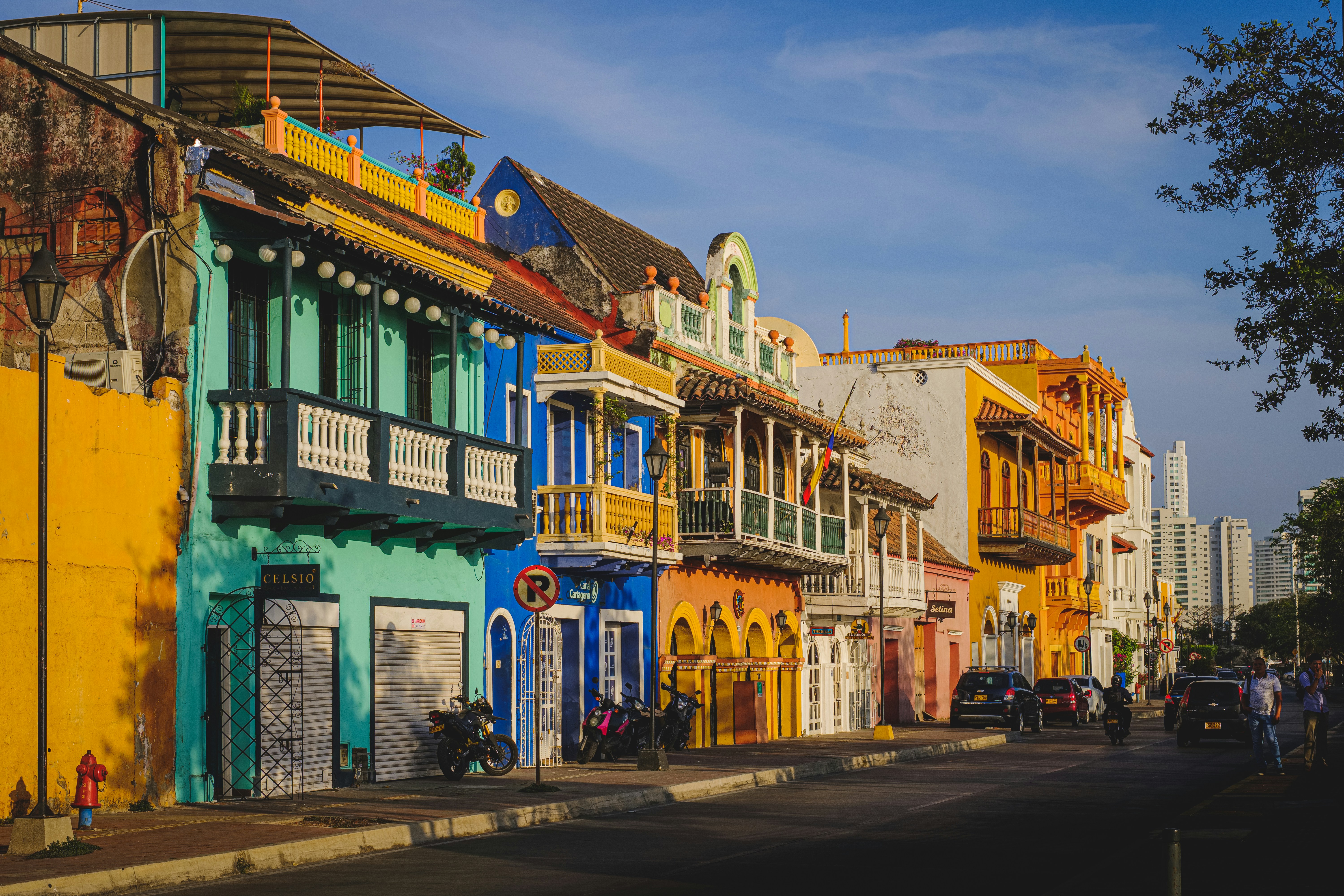
In Bogotá, stay alert around La Candelaria after dark and use reputable transport between neighbourhoods. In Medellín, popular areas such as El Poblado and Laureles still require normal big-city precautions, especially at night. Cartagena’s walled city is busy and tourist-friendly, but beach, taxi, and street-sales scams occur. Santa Marta is a useful base for Tayrona, although trekking routes and isolated beaches need extra preparation.
| Situation | Safer approach |
|---|---|
| Walking at night | Take a registered or app-booked car instead |
| Cash withdrawal | Use a bank ATM inside a mall or branch during daylight |
| Intercity travel | Prefer reputable airlines or established bus companies |
| Remote excursions | Use licensed guides and share your itinerary |
| Demonstrations | Avoid crowds and monitor local updates |
Official advice also warns against selected border zones because of kidnapping, armed groups, and violent crime. Recheck restrictions shortly before travelling.
Colombia Scams, Theft, and Practical Ways to Avoid Them
The most effective Colombia travel safety strategy is to reduce opportunity: carry one small wallet, keep your phone out of sight on the street, and leave passports and spare cards in a hotel safe. Most incidents travellers report involve distraction, opportunistic theft, robbery, or an unplanned interaction that escalates quickly.
Common Colombia scams include:
- Fake police checks: Someone may claim to be an officer and request to inspect money or documents. Stay calm, ask to go to a police station, and do not hand over cash. Carry a photocopy or secure digital copy of your passport while keeping the original protected.
- Taxi overcharging: Avoid flagging taxis from the street where possible. Use a hotel-recommended vehicle or a reputable ride-booking app, and check the car and driver before entering.
- “Helpful” ATM assistance: Decline unsolicited help, cover the keypad, inspect the machine for tampering, and cancel if anything looks unusual.
- Dating-app and drink-spiking incidents: Meet in public places, tell a friend your location, watch your drink, and do not accept beverages from strangers.
- Distraction theft: A spill, argument, petition, or sudden question may be staged while an accomplice takes a phone or bag.
If confronted by a robber, prioritise personal safety and surrender replaceable items. Never chase thieves or resist a weapon. Hello’s expense-splitting and multi-currency budget tools can help groups track shared costs without displaying large amounts of cash.
Colombia Emergency Numbers, Embassy Help, and Connectivity
Save Colombia’s emergency number, 123, before landing: it is the main nationwide line for police, ambulance, and fire emergencies, although English support may vary. Ask a hotel, guide, or Spanish-speaking local to help explain your location if communication is difficult.
Useful contacts include:
- Police, ambulance, and fire: 123
- Tourist Police: Ask the nearest police station or hotel for the current local contact
- Your travel insurer: Save the 24-hour assistance number offline
- Singapore consular assistance: Singapore does not maintain a resident embassy in Colombia; contact Singapore’s Ministry of Foreign Affairs or the nearest Singapore diplomatic mission for current after-hours guidance before departure
For a medical emergency, request an ambulance through 123 and seek a private clinic recommended by your insurer or hotel. Keep your passport copy, policy number, allergies, medications, and emergency contacts together in both paper and offline digital form.
Reliable data is especially useful when finding a clinic, translating symptoms, checking a route, or calling a ride. Hello eSIM for Colombia offers an eSIM that can be purchased and activated before travel, helping you arrive connected. Hello plans cover 200+ countries, and prices and allowances are updated live; confirm the current Colombia plan and your phone’s eSIM compatibility before purchase.
Health Advice, Vaccinations, Food, and Water Safety in Colombia
Health preparation for Colombia depends on altitude and itinerary: Bogotá sits at roughly 2,640 metres, while Caribbean destinations are hot and humid, and jungle or lowland trips may involve mosquito-borne disease. Arrange a travel-health consultation several weeks before departure rather than relying on last-minute pharmacy advice.
Routine vaccinations should be up to date, and clinicians may discuss hepatitis A, typhoid, tetanus, influenza, and other vaccines based on activities and medical history. Yellow-fever vaccination may be recommended for parts of the country and can be required when arriving from certain yellow-fever-risk countries, including Brazil, Angola, the Democratic Republic of the Congo, and Uganda. Carry the certificate if advised. Malaria risk varies by region; official health guidance should determine whether preventive medication is appropriate.
Tap water is generally treated in Bogotá and some major cities, but standards vary. Travellers with sensitive stomachs should choose sealed bottled or filtered water outside reliably treated areas and avoid ice when uncertain. Wash produce, eat busy restaurants with good turnover, and carry oral rehydration salts.
Use high-SPF sunscreen, insect repellent, and lightweight long sleeves in coastal and jungle regions. At altitude, pace yourself, hydrate, avoid heavy alcohol on arrival, and seek medical help for severe headache, confusion, breathing difficulty, or persistent vomiting. Travel insurance should cover medical treatment and evacuation, not just flight cancellation.
Solo Female and LGBTQ+ Travel Safety in Colombia
Solo women and LGBTQ+ travellers can enjoy Colombia, but the safest approach combines visible confidence with conservative logistics: choose well-reviewed accommodation, arrange airport transfers, and avoid isolated streets, beaches, and transport after dark. Petty theft, harassment, and drink-spiking deserve more attention than trying to avoid every social interaction.
Solo female travellers should:
- Share daily plans and live location with someone at home.
- Meet new contacts in public venues and keep control of drinks and phones.
- Use app-booked or hotel-arranged transport, checking the licence plate before entering.
- Sit near other passengers on buses and avoid displaying expensive jewellery.
- Trust instincts and leave situations that feel pressured or unusually urgent.
Colombia has visible LGBTQ+ communities and nightlife, particularly in Bogotá, Medellín, and Cartagena. Experiences vary by neighbourhood, and discrimination or harassment can still occur. Check current local advice, choose established venues, and use the same precautions around drinks, transport, and valuables. Public displays of affection are generally common in major tourist centres, but travellers should assess the immediate setting rather than assume every area is equally welcoming.
For groups, Hello’s expense splitting supports multiple currencies and automatic exchange-rate conversion, while AI receipt scanning can record Spanish-language receipts. That makes it easier to settle taxis, meals, and tours without repeatedly counting cash in public.
Common Questions About Colombia Travel Safety
Is Colombia safe for tourists? Yes, many tourists visit safely, but Colombia requires a high degree of caution. Stay on established routes, avoid high-risk border and remote areas, use trusted transport, and check official advice immediately before travel.
Is Medellín safe at night? Popular districts can be lively and busy, but avoid walking alone after dark, especially on quiet side streets. Use a prearranged or app-booked car and do not display your phone while waiting.
Is Cartagena safe? The historic centre and main tourist areas are popular, but pickpocketing, aggressive vendors, beach scams, and taxi overcharging occur. Keep belongings secure and use authorised transport.
What are Colombia’s emergency numbers? Call 123 for police, ambulance, and fire emergencies. Save your insurer, accommodation, and consular contacts as well.
Do I need travel insurance for Colombia? Strongly consider comprehensive cover for medical care, emergency evacuation, theft, trip interruption, and adventure activities such as trekking, diving, or paragliding. Check exclusions for alcohol-related incidents and unattended belongings.
Can I drink tap water in Colombia? Water safety varies. Bottled or filtered water is the safer default outside places with dependable treatment, and travellers should be cautious with ice and raw produce.
How can I stay connected? Hello’s eSIM plans provide mobile data for maps, translation, ride booking, and emergency communication. Install and test an eSIM from Hello before departure, then keep hotel addresses and emergency details available offline.
Explore These Destinations
Stay Connected
Ready for Colombia?
eSIM data, expense splitting, budget tracking, and more. Everything you need for a smooth trip in one app.
Related Articles
Colombia Currency & Money Guide: Exchange, Cards, and Tips
Currency exchange, credit card acceptance, ATM tips, tipping culture, and money-saving advice for Colombia.
25 July 2026
Colombia Visa & Entry Requirements for Singapore Passport Holders
Visa requirements, passport validity, customs allowances, and entry tips for Singapore citizens travelling to Colombia.
7 July 2026
eSIM for Colombia: Best Plans, Coverage, and Setup Tips
Everything you need to know about using eSIM in Colombia. Best data plans, network coverage, and setup instructions.
28 June 2026