Key Takeaways
- ✓Chile in 2026 offers a balanced mix of dramatic nature, modern cities, and generally good safety, making it ideal for both first-time and experienced travellers.
- ✓Daily budgets typically range from US$50–70 for backpackers to US$90–150 for mid-range travellers, with domestic flights and guided tours as major cost drivers.
- ✓The best time to visit depends on region: Patagonia is optimal November–March, while central Chile and Atacama are great in spring and autumn shoulder seasons.
- ✓Most visitors enjoy visa-free short stays, but entry rules and passport validity requirements vary by nationality and should be checked before booking.
- ✓Getting around Chile is easiest with a mix of domestic flights for long distances and intercity buses or urban public transport for shorter routes.
- ✓Hello eSIM provides the most convenient way to stay connected across Chile in 2026, with instant activation and predictable data costs.
- ✓Understanding local safety habits, cultural etiquette, and money practices greatly improves the comfort and smoothness of your trip.
- ✓Using the 3-, 5-, and 10-day itinerary guides helps you match Chile’s diverse regions to your available time, budget, and interests.
Chile is one of South America’s most rewarding countries to explore in 2026: glacier-carved fjords in Patagonia, lunar landscapes in the Atacama, cosmopolitan Santiago, and Pacific charm in Valparaíso all in one trip. This complete Chile travel guide brings everything together so you can plan with confidence, whether it’s a quick stopover or a 10-day adventure.
You’ll find high-level answers to the big questions most travellers have: how much to budget, when to go, what visas you need, how to get around, and what to eat. For each topic, we’ll point you to detailed cluster guides like the Chile Travel Budget Guide, Chile Cultural Guide, and itineraries such as Chile in 10 Days: The Ultimate Travel Itinerary.
You’ll also get practical tools that don’t appear in any single article: seasonal weather and crowd comparison tables, budget ranges by travel style, and simple decision frameworks to choose your itinerary, transport, and Hello eSIM data plan. Think of this as your hub page: skim for the big picture, then dive deeper into the linked guides when you’re ready to book.
Whether you’re backpacking solo, road-tripping with friends, or designing a once-in-a-lifetime Patagonia escape, this guide will help you make smart decisions at every step—from “Should I go in March or November?” to “How much cash do I need in Chilean pesos?” and “Is 5 days enough?”.
Why Visit Chile in 2026
Chile in 2026 offers a rare mix of dramatic nature, modern infrastructure, and relative safety, making it an ideal first-time or repeat South America destination for travellers who value both adventure and comfort.
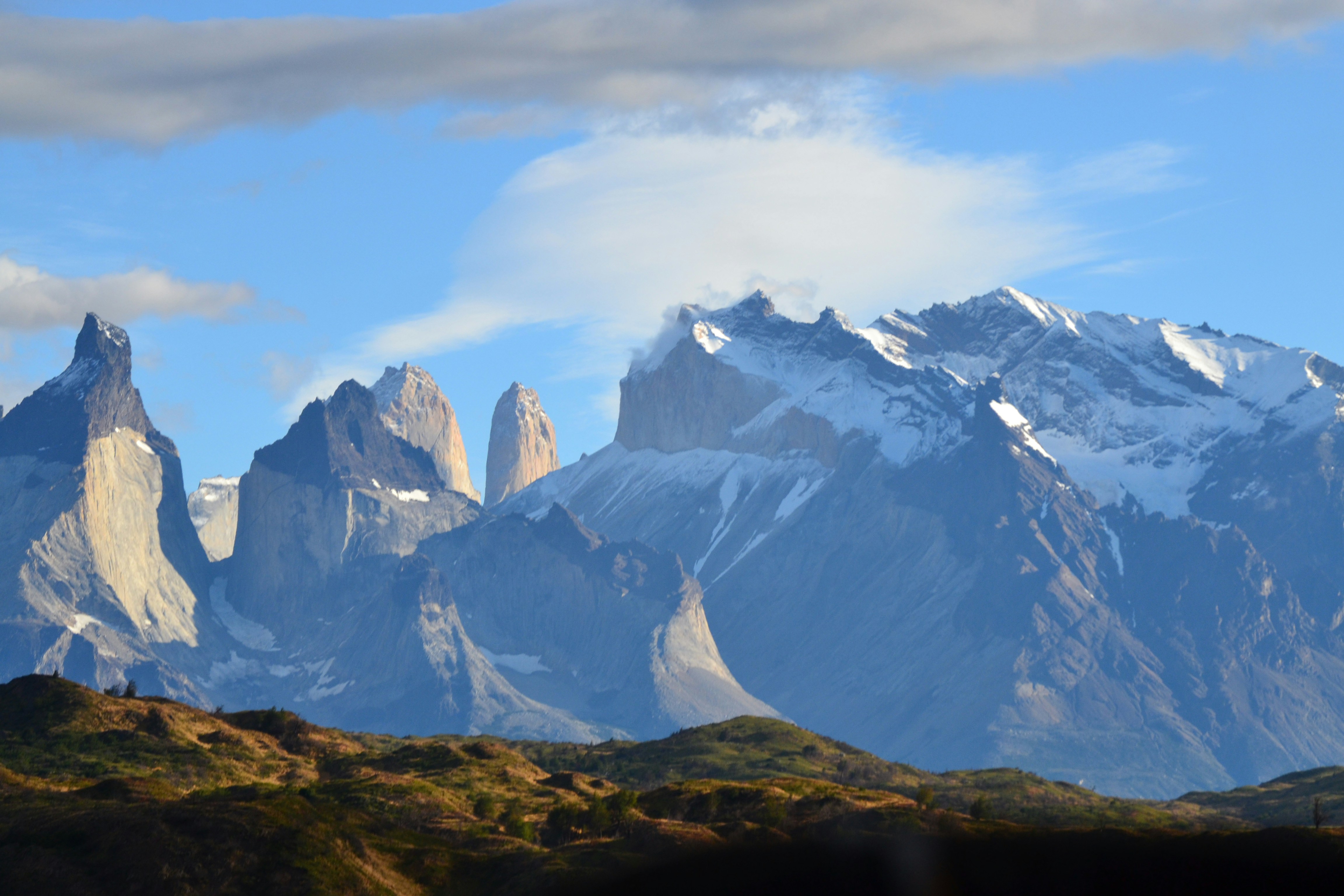
Stretching over 4,300 km from the Atacama Desert in the north to the glaciers of Patagonia in the south, Chile feels like several countries in one slim strip of land. In a single trip you can stargaze under some of the clearest skies on earth, hike among granite towers and turquoise lakes, taste world-class wines, and explore street art-filled port cities.
For many visitors, Chile’s appeal lies in its balance: it’s more affordable than Japan but with better infrastructure than many parts of Thailand, and as of 2026 it remains one of South America’s more stable and safe destinations when you follow basic precautions outlined in the Chile Safety Guide: Tips for a Safe Trip.
Chile is particularly rewarding for:
- Travellers who love outdoor adventure: trekking in Patagonia, surfing in Pichilemu, volcano hikes in the Lake District.
- Food lovers discovering empanadas, pastel de choclo, and fresh seafood in the Chile Food Guide: Must-Try Dishes, Prices, and Tips.
- Culture and city explorers combining museums and nightlife in Santiago with bohemian Valparaíso, guided by the Chile Cultural Guide: Etiquette, Customs, and Tips.
This pillar guide acts as your "big picture" Chile trip planner. Use it alongside itinerary guides like 3 Days in Chile: A Day-by-Day Itinerary, Chile in 5 Days: The Perfect Extended Itinerary, and Chile in 10 Days: The Ultimate Travel Itinerary to match Chile’s highlights with the time and budget you have.
Chile Safety Guide: Tips for a Safe Trip
Food & DiningChile Food Guide: Must-Try Dishes, Prices, and Tips
Cultural GuideChile Cultural Guide: Etiquette, Customs, and Tips
Itineraries3 Days in Chile: A Day-by-Day Itinerary
ItinerariesChile in 5 Days: The Perfect Extended Itinerary
ItinerariesChile in 10 Days: The Ultimate Travel Itinerary
Best Time to Visit Chile by Region and Season
The best time to visit Chile depends on where you’re going: Patagonia is ideal from November to March, the Atacama is great almost year-round, and central Chile (including Santiago and Valparaíso) shines in the shoulder seasons from September–November and March–May.
Because Chile spans such a huge latitudinal range, you should plan around regions, not just months. As of 2026, most travellers focus on three main areas: North (Atacama Desert), Central Chile (Santiago, Valparaíso, wine valleys), and South (Lake District and Patagonia). Use this section as a quick overview, then cross-check with the day-by-day plans in Chile in 5 Days: The Perfect Extended Itinerary and Chile in 10 Days: The Ultimate Travel Itinerary.
Here’s a simple seasonal comparison to help you decide:
| Season (Chile) | Months (approx.) | Weather & Highlights | Crowds | Ideal For |
|---|---|---|---|---|
| Summer | Dec–Feb | Warm in central Chile; best trekking conditions in Patagonia | High | Patagonia hikes, beach trips |
| Autumn | Mar–May | Mild in Santiago; colorful foliage in wine regions | Medium | City breaks, wine tasting |
| Winter | Jun–Aug | Cool and wet in central Chile; snow in Andes | Low–Medium | Ski trips, cultural city stays |
| Spring | Sep–Nov | Pleasant temps, blooming landscapes | Medium | Mixed trips combining cities and nature |
Decision tip:
- If your main goal is Patagonia, prioritize late spring to early autumn (Nov–Mar) for accessible trails and longer daylight.
- For a balanced trip including cities, coast, and a taste of the south, aim for Oct–Nov or Mar–Apr, when prices and crowds are softer but weather remains comfortable.
For safety and health considerations linked to seasonality—like winter driving or summer sun exposure—refer to the Chile Safety Guide: Tips for a Safe Trip while finalizing your dates.
Chile Travel Budget Overview: What It Costs in 2026
As of 2026, Chile is a mid-priced destination: cheaper than Japan, more expensive than much of Thailand, with daily budgets roughly ranging from US$50–70 for backpackers, US$90–150 for mid-range travellers, and US$200+ for luxury stays.
The Chile Travel Budget Guide: Daily Costs and Money Tips breaks down typical expenses line by line—accommodation, food, transport, and activities. Here, we’ll give you a quick overview so you can sense where your trip might fall.
**Estimated daily cost ranges (per person, 2026):
| Travel Style | Approx. Daily Budget (USD) | What It Includes |
|---|---|---|
| Budget | US$50–70 | Hostel dorm/cheap guesthouse, local buses, mercado/street food, limited paid tours |
| Mid-Range | US$90–150 | Comfortable hotels, mix of restaurants, intercity buses or occasional flights, guided day tours |
| High-End | US$200–350+ | Boutique or upscale hotels, fine dining, domestic flights, private excursions |
Big-ticket items to plan for:
- Domestic flights (e.g., Santiago–Punta Arenas for Patagonia) can add several hundred dollars to your overall budget, especially in high season.
- National park fees and guided activities (treks, stargazing, wine tours) scale quickly; build a dedicated activities line in your planner.
- Data and connectivity: choosing a Hello eSIM instead of roaming keeps mobile data predictable and usually cheaper; see Chile Currency & Money Guide: Exchange, Cards, and Tips for payment habits and card acceptance.
Money-flow tip: mix card payments for hotels and big restaurants with cash for small shops, tipping, and rural areas. For more detailed numbers and money-saving strategies, read the Chile Travel Budget Guide: Daily Costs and Money Tips alongside the Chile Currency & Money Guide: Exchange, Cards, and Tips.
Visa & Entry Requirements: Who Can Visit Chile Easily?
Most travellers can visit Chile visa-free for short stays, but entry rules vary by nationality, and as of 2026 you should check both visa exemption and passport validity requirements before booking flights.
Chile maintains different visa policies based on your passport, trip purpose, and length of stay. For Singaporean travellers, the Chile Visa & Entry Requirements for Singapore Passport Holders details whether a visa is needed, minimum passport validity (commonly six months), proof of onward travel, and customs allowances on arrival.
Even if you hold a visa-exempt passport, expect the following at the border:
- Passport validity often required for the duration of stay (many airlines and immigration officers prefer at least 6 months).
- Evidence of onward or return travel, especially if arriving without a round-trip ticket.
- Possible questions about accommodation, rough itinerary, and funds.
A simple pre-trip checklist for Chile entry:
- Confirm your visa status based on nationality via official government sources and, if you’re Singaporean, via the Chile Visa & Entry Requirements for Singapore Passport Holders.
- Ensure your passport has sufficient validity and blank pages.
- Book at least your first few nights’ accommodation and keep confirmation handy.
- Prepare proof of onward travel (flight or bus ticket out of Chile).
- Understand customs allowances for bringing in cash, electronics, and food.
For overall safety, health, and insurance considerations at the planning stage, cross-check with the Chile Safety Guide: Tips for a Safe Trip, which complements the visa guide by covering what happens after you clear immigration.
Getting Around Chile: Transport Decisions Made Easy
Chile’s transport network in 2026 is reliable and varied: use domestic flights for long distances, intercity buses for budget-friendly travel, urban public transport and ride-hailing in cities, and rental cars or tours in specific regions like the Lake District.
The Getting Around Chile: Transport Guide for Travellers goes into specifics on airport transfers, bus companies, metro lines, and driving tips. This section gives you a high-level decision framework.
How to choose your main mode:
- Domestic flights: Best between far-flung destinations like Santiago–Calama (Atacama) or Santiago–Punta Arenas (Patagonia). They save time but increase costs.
- Intercity buses: Ideal for routes like Santiago–Valparaíso or Santiago–Pucón, balancing price and comfort. Overnight buses can save on accommodation.
- Urban transport: Santiago’s metro, local buses, and ride-hailing apps make city navigation straightforward.
- Self-drive: Great in the Lake District and some parts of Patagonia if you’re comfortable with longer distances and variable weather.
A simple trip-style transport matrix:
| Trip Type | Best Main Mode | Notes |
|---|---|---|
| Short city break (3 days) | Public transport + ride-hailing | See 3 Days in Chile: A Day-by-Day Itinerary |
| One-week mixed trip | Flights + intercity buses | Common in Chile in 5 Days: The Perfect Extended Itinerary |
| 10+ days with Patagonia | Multiple domestic flights | As in Chile in 10 Days: The Ultimate Travel Itinerary |
You’ll find practical details like ticket booking, major bus terminals, and driving etiquette in the Getting Around Chile: Transport Guide for Travellers. Pair it with the Chile Safety Guide: Tips for a Safe Trip for advice on night travel, seat selection, and road safety.
Food & Dining in Chile: What to Eat and What It Costs
Chile’s food scene is hearty, seafood-rich, and surprisingly diverse, with typical restaurant meals in 2026 ranging from US$5–10 for simple local plates to US$20+ at mid-range restaurants in Santiago and popular tourist areas.
The Chile Food Guide: Must-Try Dishes, Prices, and Tips covers specific dishes like empanadas, pastel de choclo, cazuela, and fresh Pacific seafood. Here’s the high-level picture:
Where you’ll eat:
- Local "picadas" and markets for budget-friendly, home-style dishes.
- Casual restaurants and cafes in Santiago, Valparaíso, and regional hubs.
- Wine valley restaurants and fine-dining spots for special occasions.
Approximate 2026 price ranges:
- Street food and markets: US$3–6 for filling snacks or simple meals.
- Casual sit-down restaurants: US$8–15 for mains, more in tourist-heavy areas.
- Wine pairings or specialty seafood dinners: US$25+ per person.
If you have dietary restrictions (vegetarian, vegan, halal, gluten-free), larger cities offer growing options, while smaller towns may require more flexibility. The Chile Cultural Guide: Etiquette, Customs, and Tips helps with ordering politely, tipping norms, and basic Spanish phrases to explain your needs.
Food safety is generally good in Chile, but standard precautions apply: drink treated or bottled water in more remote areas, be cautious with raw seafood in very cheap spots, and follow local recommendations. For more detailed guidance on where to eat, price examples, and regional specialties, use the Chile Food Guide: Must-Try Dishes, Prices, and Tips alongside the Chile Currency & Money Guide: Exchange, Cards, and Tips to manage your restaurant budget.
Top Experiences & Sample Itineraries (3, 5, and 10 Days)
Chile’s top experiences cluster around three themes: desert and stars in the north, cities and wine in the center, and lakes and mountains in the south, with 3-, 5-, and 10-day itineraries offering different combinations of these highlights.
For day-by-day plans, dive into 3 Days in Chile: A Day-by-Day Itinerary, Chile in 5 Days: The Perfect Extended Itinerary, and Chile in 10 Days: The Ultimate Travel Itinerary. This section gives you a strategic overview.
Signature Chile experiences:
- Atacama Desert: moon-like valleys, salt flats, flamingo-filled lagoons, and world-class stargazing.
- Santiago & Valparaíso: museums, markets, hillside funiculars, street art, and vibrant nightlife.
- Wine valleys (Maipo, Colchagua, Casablanca): tastings and vineyard lunches.
- Lake District & Patagonia: trekking, glacier views, and multi-day hikes in national parks.
Quick itinerary decision guide:
| Trip Length | Focus | Ideal Traveller |
|---|---|---|
| 3 days | Santiago + Valparaíso or Santiago + wine valley | First-time visitor on a stopover |
| 5 days | One region in depth (e.g., Atacama or Lake District) plus Santiago | Active traveller wanting variety |
| 10 days | At least two major regions (e.g., Atacama + Patagonia or central + south) | Travellers seeking a fuller picture of Chile |
Use this hub to choose your “shape” of trip, then plug into the detailed itineraries for time-specific logistics, daily budgets, and transport tips. Pair your itinerary planning with the Getting Around Chile: Transport Guide for Travellers and Chile Travel Budget Guide: Daily Costs and Money Tips to check both feasibility and costs.
3 Days in Chile: A Day-by-Day Itinerary
ItinerariesChile in 5 Days: The Perfect Extended Itinerary
ItinerariesChile in 10 Days: The Ultimate Travel Itinerary
Getting AroundGetting Around Chile: Transport Guide for Travellers
Budget PlanningChile Travel Budget Guide: Daily Costs and Money Tips
Staying Connected: Hello eSIM for Chile in 2026
The easiest way to stay online in Chile in 2026 is to use a Hello eSIM, which lets you activate data instantly on arrival, avoid roaming charges, and stay connected across cities, deserts, and mountain regions with one digital plan.
The eSIM for Chile: Best Plans, Coverage, and Setup Tips explains how eSIM technology works in Chile and how to choose the right Hello eSIM data plan for your stay. At a high level, here’s what you need to know:
- Hello eSIM works on most modern smartphones (check that your device is eSIM-compatible before purchase).
- You can buy and install your Hello eSIM before departure, then switch it on when your plane lands in Santiago or another Chilean city.
- Data plans typically vary by duration (e.g., 5, 10, 30 days) and data allowance (from light use to heavy streaming), so match your plan to your itinerary length.
Why use Hello eSIM instead of relying on Wi‑Fi or local SIMs:
- You avoid hunting for SIM kiosks, language barriers, and ID requirements on arrival.
- You stay online during airport transfers and intercity travel, which helps with navigation and safety alongside advice in the Chile Safety Guide: Tips for a Safe Trip.
- If you’re travelling with friends, you can combine Hello eSIM connectivity with Hello’s expense tracking and trip-planning features.
Use the eSIM for Chile: Best Plans, Coverage, and Setup Tips for step-by-step installation, troubleshooting, and coverage insights, then pair it with the Chile Currency & Money Guide: Exchange, Cards, and Tips to estimate your connectivity costs within your overall travel budget.
Safety, Culture, and Money: Staying Smart in Chile
Chile is generally one of the safer and more orderly countries in South America, but in 2026 you should still follow basic urban safety, cultural etiquette, and money-handling practices to keep your trip smooth and respectful.
The Chile Safety Guide: Tips for a Safe Trip, Chile Cultural Guide: Etiquette, Customs, and Tips, and Chile Currency & Money Guide: Exchange, Cards, and Tips together form your “how to behave and pay” toolkit. Here’s a high-level snapshot:
Safety:
- In big cities, treat petty theft and pickpocketing as you would in any major urban area—stay aware of your belongings, especially on public transport and in crowded areas.
- At night, favor reputable transport options and well-lit streets.
- For outdoor adventures, respect trail guidelines and weather warnings.
Culture and etiquette:
- Chileans tend to be polite and formal at first; a simple greeting and “por favor” go a long way.
- Dress codes are generally relaxed, but modest attire is appreciated in religious or rural settings.
- Tipping is common in restaurants; the cultural guide explains local norms.
Money basics (2026):
- Chile uses the Chilean peso (CLP); cards are widely accepted in cities, but cash is useful in markets and smaller towns.
- ATMs are common and generally reliable; fees and limits are discussed in the currency guide.
Combine these three cluster guides when planning your day-to-day: read the Chile Cultural Guide: Etiquette, Customs, and Tips before arrival, keep the Chile Safety Guide: Tips for a Safe Trip handy for on-the-ground decisions, and use the Chile Currency & Money Guide: Exchange, Cards, and Tips to plan how much cash and card capacity you’ll need.
Before You Go: Chile Trip Checklist
Before flying to Chile, run through this pre-departure checklist: confirm visa and passport validity, book key flights and stays, set up your Hello eSIM, budget your daily spend, and read up on local safety and cultural tips.
This “Before You Go” section connects the dots between all the cluster guides so nothing slips through the cracks.
Documents & entry:
- Check visa requirements and passport validity for your nationality. If you’re Singaporean, follow the steps in Chile Visa & Entry Requirements for Singapore Passport Holders.
- Print or download confirmations for flights, accommodation, and onward travel.
Itinerary & transport:
- Choose your trip length and focus using the itineraries: 3 Days in Chile, Chile in 5 Days, or Chile in 10 Days.
- Book any essential domestic flights and high-demand bus routes, guided by Getting Around Chile: Transport Guide for Travellers.
Budget & money:
- Set a daily budget based on the Chile Travel Budget Guide: Daily Costs and Money Tips.
- Decide how much cash to withdraw on arrival using the Chile Currency & Money Guide: Exchange, Cards, and Tips.
Connectivity:
- Buy and install your Hello eSIM in advance using eSIM for Chile: Best Plans, Coverage, and Setup Tips.
Safety & culture:
- Review the Chile Safety Guide: Tips for a Safe Trip for insurance, emergency contacts, and common scams.
- Read the Chile Cultural Guide: Etiquette, Customs, and Tips for greetings, tipping, and basic phrases.
Use this checklist as your final pre-flight review, ticking off each item so that arrival in Chile feels exciting, not stressful.
Chile Visa & Entry Requirements for Singapore Passport Holders
Itineraries3 Days in Chile: A Day-by-Day Itinerary
ItinerariesChile in 5 Days: The Perfect Extended Itinerary
ItinerariesChile in 10 Days: The Ultimate Travel Itinerary
Getting AroundGetting Around Chile: Transport Guide for Travellers
Budget PlanningChile Travel Budget Guide: Daily Costs and Money Tips
Currency & MoneyChile Currency & Money Guide: Exchange, Cards, and Tips
eSIM & ConnectivityeSIM for Chile: Best Plans, Coverage, and Setup Tips
Safety & HealthChile Safety Guide: Tips for a Safe Trip
Cultural GuideChile Cultural Guide: Etiquette, Customs, and Tips
Frequently Asked Questions
How much should I budget per day for a trip to Chile in 2026?
As of 2026, most travellers should expect roughly US$50–70 per day for budget travel (hostels, buses, market food), US$90–150 for mid-range comfort (hotels, mix of restaurants, guided day tours), and US$200+ for higher-end stays. For detailed breakdowns, see the Chile Travel Budget Guide: Daily Costs and Money Tips and Chile Currency & Money Guide: Exchange, Cards, and Tips.
Do I need a visa to visit Chile, and how long can I stay?
Visa rules depend on your nationality and trip purpose. Many travellers can enter Chile visa-free for short tourism stays, but requirements vary. Singapore passport holders should follow the specific guidance in Chile Visa & Entry Requirements for Singapore Passport Holders. Regardless of nationality, always verify current rules and ensure sufficient passport validity before booking.
What is the best time of year to visit Chile for Patagonia and Atacama?
For Patagonia, the prime months are November to March, when trails are accessible and days are longer. The Atacama Desert is enjoyable much of the year, though temperatures are most comfortable from March–May and September–November. If you want a mixed itinerary including cities and wine regions, shoulder seasons (spring and autumn) balance weather, crowds, and prices.
Is Chile safe for solo travellers in 2026?
Chile is considered one of the safer countries in South America for solo travellers, especially if you follow standard urban safety habits—staying aware of belongings, choosing reputable transport at night, and avoiding overly isolated areas after dark. Outdoor regions are generally calm but demand respect for weather and trail conditions. For detailed advice, consult the Chile Safety Guide: Tips for a Safe Trip.
How do I stay connected in Chile without paying high roaming fees?
The simplest way in 2026 is to use a Hello eSIM, which you can purchase and install before departure, then activate on arrival for instant data connectivity. This avoids expensive roaming, lets you navigate and translate on the go, and works across multiple regions in Chile. For plan options, coverage details, and setup steps, see eSIM for Chile: Best Plans, Coverage, and Setup Tips.
What are the must-try Chilean foods for first-time visitors?
Don’t leave Chile without trying empanadas (stuffed pastries), pastel de choclo (corn pie), cazuela (hearty soup), and fresh Pacific seafood. In cities like Santiago and Valparaíso you’ll also find excellent cafes and international options. For price examples, regional specialties, and dietary tips, use the Chile Food Guide: Must-Try Dishes, Prices, and Tips.
How many days do I need in Chile to see the main highlights?
A 3-day trip works for Santiago and a side visit to Valparaíso or a wine valley. 5 days lets you add a focused region like Atacama or the Lake District. 10 days is ideal for combining at least two major regions (for example, Atacama plus Patagonia or central Chile plus the south). For specific day-by-day plans, check 3 Days in Chile, Chile in 5 Days, and Chile in 10 Days.
eSIM Plans for Chile
Detailed Articles
Dive deeper into specific topics covered in this guide.
Chile Safety Guide: Tips for a Safe Trip
Safety tips, health advisories, emergency contacts, common scams, and travel insurance advice for Chile.
16 July 2026
Chile Food Guide: Must-Try Dishes, Prices, and Tips
Best local dishes, street food, restaurant prices, dietary options, and food safety tips for Chile.
14 May 2026
Chile Cultural Guide: Etiquette, Customs, and Tips
Essential do's and don'ts, greeting customs, dress codes, local phrases, and cultural tips for Chile.
1 June 2026
3 Days in Chile: A Day-by-Day Itinerary
A detailed 3-day itinerary for Chile with daily activities, costs, neighborhoods, and transport tips.
10 June 2026
Chile in 5 Days: The Perfect Extended Itinerary
A detailed 5-day itinerary for Chile with daily activities, costs, neighborhoods, and transport tips for an extended stay.
4 May 2026
Chile in 10 Days: The Ultimate Travel Itinerary
A comprehensive 10-day itinerary for Chile covering top attractions, hidden gems, daily costs, and transport between cities.
18 June 2026
Chile Travel Budget Guide: Daily Costs and Money Tips
How much does it cost to travel in Chile? Daily budget breakdowns for budget, mid-range, and luxury travellers.
23 February 2026
Chile Currency & Money Guide: Exchange, Cards, and Tips
Currency exchange, credit card acceptance, ATM tips, tipping culture, and money-saving advice for Chile.
25 July 2026
More Travel Guides
Destination Guide
Complete Bosnia and Herzegovina Travel Guide 2026
Everything you need to know about travelling to Bosnia and Herzegovina — budget, visa, food, transport, eSIM connectivity, and itineraries.
Destination Guide
Complete Bahamas Travel Guide 2026
Everything you need to know about travelling to Bahamas — budget, visa, food, transport, eSIM connectivity, and itineraries.
Destination Guide
Complete Bahrain Travel Guide 2026
Everything you need to know about travelling to Bahrain — budget, visa, food, transport, eSIM connectivity, and itineraries.
Destination Guide
Complete Sint Eustatius Travel Guide 2026
Everything you need to know about travelling to Sint Eustatius — budget, visa, food, transport, eSIM connectivity, and itineraries.