Chile Travel Budget Guide: Daily Costs and Money Tips
How much does it cost to travel in Chile? Daily budget breakdowns for budget, mid-range, and luxury travellers.
By Hello Travel Team
This article contains affiliate links. If you book through them, Hello may earn a commission at no additional cost to you. Our editorial recommendations are independent. Learn more.
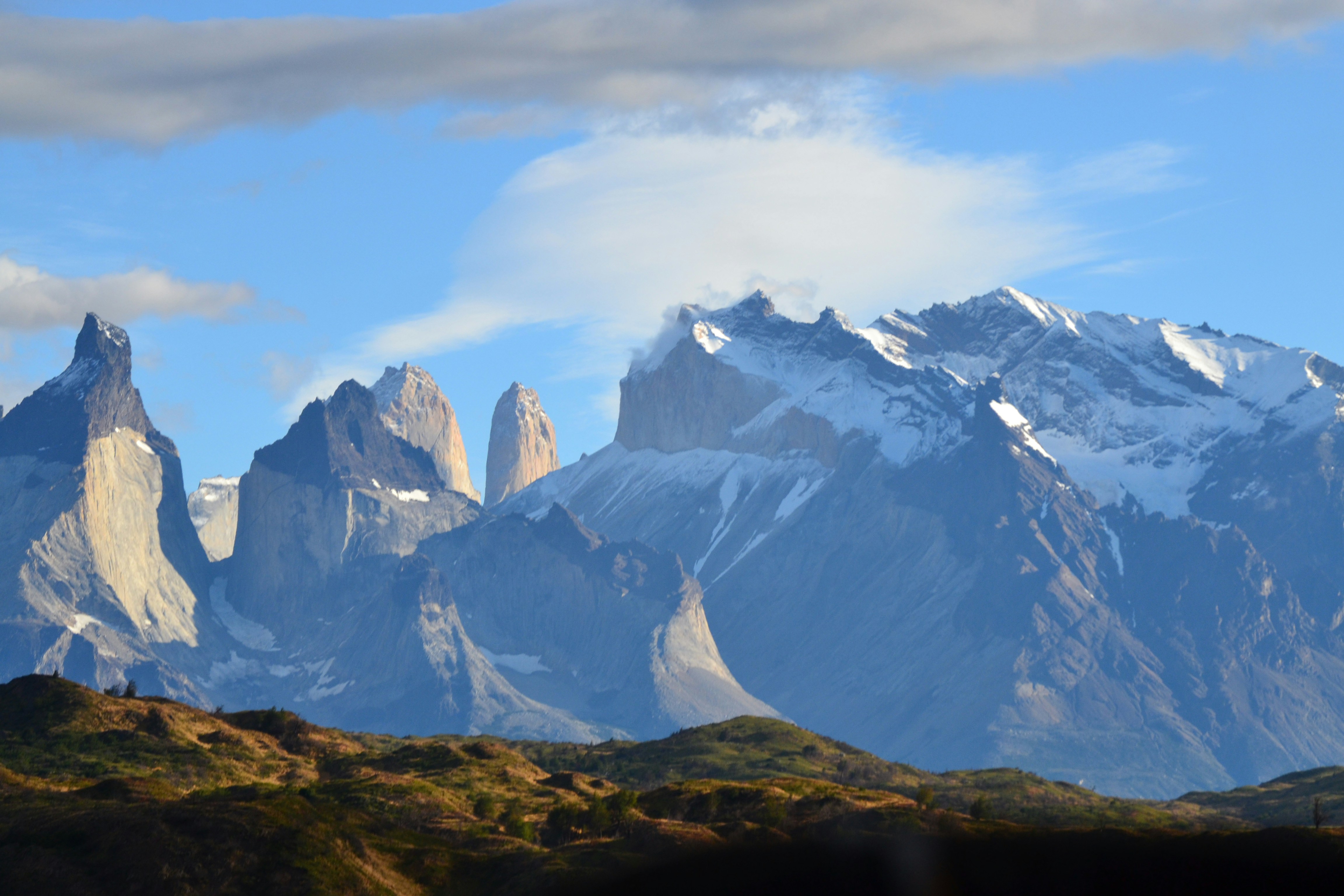
TL;DR: How much does a trip to Chile cost?
Most travellers spend $60–90 per day in Chile on a budget, $110–180 for mid-range, and $250+ for luxury, excluding flights, with Patagonia and Atacama noticeably pricier than cities like Santiago and Valparaíso in 2026.
If you’re skimming for a quick Chile budget guide: expect higher costs in remote regions and national parks, but very manageable daily expenses in cities and smaller towns. As of 2026, Chile’s minimum wage is roughly 500,000 CLP per month (about $540), which helps explain why restaurant and tour prices feel closer to European levels than nearby Peru or Bolivia. Long-distance buses are the backbone of travel and remain good value, but iconic experiences like Torres del Paine treks, wine tours near Santiago, and star-gazing in San Pedro de Atacama will quickly push your Chile travel cost into mid-range territory.
Use this guide to benchmark Chile daily expenses for food, transport, accommodation, and activities, then tweak based on your style: hostel dorms vs boutique hotels, self-catering vs restaurant meals, and buses vs flights. To keep everything under control, many travellers track in-app budgets and pay attention to peak seasons; Patagonia, for instance, saw rising visitor numbers and prices through 2024 according to Chile’s national tourism service (SERNATUR), especially in December–February.
Chile daily budget breakdown: backpacker, mid-range, and luxury
On a typical trip, expect $60–90/day for backpackers, $110–180/day for mid-range, and $250–400+/day for luxury travel in Chile in 2026, with Patagonia and Atacama sitting at the top end of every range.
To plan your Chile travel cost realistically, it helps to break expenses into accommodation, food, transport, and activities. In 2026, hostel dorm beds in Santiago, Valparaíso, and La Serena usually run $15–25 per night, while private hostel rooms or simple guesthouses cost $35–60. Mid-range hotels in major cities hover around $80–140 per night, and comfortable boutique options in wine regions or beach towns often reach $150–220.
Typical restaurant prices are $7–12 for a simple lunch menu (menú del día), $12–20 for a casual dinner, and $25–40 per person at nicer restaurants in Santiago or Puerto Varas. A domestic bus between Santiago and La Serena costs roughly $20–35 one-way in 2026, while flights to Patagonia or Atacama can range $80–200+ depending on season.
Here’s a quick overview of average daily budgets (excluding long-haul flights):
| Travel Style | Daily Budget (USD, 2026) | What It Typically Includes |
|---|---|---|
| Budget | $60–90 | Hostel dorm, buses, cheap eats, 1–2 paid activities/week |
| Mid-range | $110–180 | Mid-range hotel, mix of restaurants, some tours, occasional flights |
| Luxury | $250–400+ | High-end hotels, fine dining, private tours, multiple domestic flights |
Accommodation costs across Chile: from hostel dorms to Patagonian lodges
Most travellers budget $15–25 per night for hostel dorms, $40–120 for mid-range hotels, and $220+ for luxury lodges in Chile in 2026, with Patagonia accommodation often 30–50% more expensive than the rest of the country.
In cities like Santiago, Valparaíso, and Concepción, backpackers can find clean hostel dorms from $15–25 and basic private rooms from $35–60 per night. Smaller towns and coastal areas, such as Pichilemu or Puerto Varas, usually fall in a similar range outside peak holidays. Mid-range travellers staying in 3–4 star hotels or stylish B&Bs should expect $80–140 per night in major urban areas in 2026, according to average hotel price data reported by local tourism boards.
Patagonia is where your Chile daily expenses jump. In Puerto Natales or near Torres del Paine, dorm beds often start around $25–35, simple guesthouses at $70–120, and well-known eco-lodges or all-inclusive trekking hotels can easily cross $350–600 per night in high season. Atacama (San Pedro de Atacama) and the Lake District also see higher-than-average rates, especially during summer and school holidays.
To keep your Chile trip cost manageable, consider mixing city stays with camping or refugios in national parks, booking refundable options outside peak dates, and using the Hello app’s budget tracking to compare nightly averages between regions. Many travellers log accommodation costs by city to spot which parts of Chile eat up the most of their budget.
Food, transport, and activity prices: what you’ll really spend each day
Most visitors spend $20–35 per day on food, $5–25 on local transport, and $10–70 on activities in Chile in 2026, depending on how often they join guided tours, wine tastings, or national park excursions.
Meals will be a significant part of your Chile daily expenses. In 2026, a local lunch menu (soup, main, drink) in non-touristy areas is usually $7–10, while empanadas cost around $1.50–3 each. Casual dinners at neighborhood restaurants range $12–18, and a coffee in Santiago or Valparaíso sits near $2.50–4. If you self-cater, groceries for simple meals can be $8–15/day.
Transport varies by distance: city metro or buses (Santiago’s integrated public transport) cost roughly $0.90–1.30 per ride in 2026, with contactless cards widely used. Long-distance buses like Santiago–Puerto Montt or Antofagasta typically range $30–50 per leg, while domestic flights to Punta Arenas or Calama often fall between $80–200+, especially in December–February when, according to SERNATUR, visitor numbers and prices peak.
Activities are where Chile travel cost can swing. Museum entries are usually $3–8, a vineyard tour near Casablanca or Maipo costs $25–60, and full-day tours in Atacama or Patagonia can be $60–140. Multi-day treks in Torres del Paine, including park fees, gear rental, and refugio bookings, can add $80–150 per day to your overall budget, according to 2025 regional tourism statistics.
Money tips, currency, and using Hello to track your Chile budget
To keep your Chile trip cost under control, withdraw cash in moderate amounts, pay by card where possible, and use budget apps like Hello to track expenses, split costs, and manage multi-currency trips in real time.
Chile’s currency is the Chilean peso (CLP), and cards are widely accepted in cities, supermarkets, and most restaurants, though small local eateries and rural shops still prefer cash. Since Chile has seen moderate inflation over recent years—Chile’s Central Bank reported annual inflation around 3–4% in late 2024—prices for everyday items like coffee, bus tickets, and restaurant meals have slowly crept up, making it important to check recent data before you travel.
Practical money tips:
- Use ATMs from major banks (BancoEstado, BCI, Santander) to reduce fees.
- Carry small notes for markets, colectivos (shared taxis), and street food.
- Avoid airport exchange kiosks when possible; rates are often worse than ATMs.
The Hello app can be a quiet hero for your Chile budget guide in practice. You can:
- Scan receipts in Spanish with AI to log spending instantly.
- Import bank statements (CSV/PDF) to see all trip costs in one place.
- Automatically convert CLP expenses to your home currency with live exchange rates.
- Split costs with friends in different currencies, so that Torres del Paine park passes or shared Airbnb stays don’t require manual math.
Tracking your Chile daily expenses as you go makes it easier to adjust—skipping a pricey tour if your Patagonia days are running hot, or upgrading to a nicer meal in Valparaíso when you’re under budget.
Staying connected in Chile: mobile data, Hello eSIM, and practical costs
For most travellers, $10–25 per week of mobile data via a Hello eSIM is enough to stay connected in Chile in 2026, avoiding roaming fees and keeping bus tickets, maps, and hotel bookings at your fingertips.
Chile’s major cities and popular tourist regions have good mobile coverage, but remote areas in Patagonia, high-altitude Atacama, and rural stretches of the Carretera Austral can be patchy. Having data for navigation, WhatsApp, and translation apps is invaluable, especially when you’re coordinating buses, refugio stays, or last-minute tours. Instead of juggling physical SIM cards, you can install an eSIM from Hello before you fly, land already online, and top up data during your trip with live pricing.
Typical data needs for a standard Chile itinerary (Santiago – Valparaíso – Atacama – Patagonia) are around 5–10GB per week if you mainly use maps, messaging, and occasional social media. Hello’s eSIM plans start from 5GB, and you can check exact prices in the app, which are updated dynamically based on current rates.
A nice bonus: if you’re using Hello eSIM for Chile, your connectivity and your budget tracking all live in one place. You can view how much you’re spending on data versus tours, food, and transport, which helps keep your overall Chile travel cost aligned with your daily targets—especially handy on longer trips where small extras like extra data packs and taxi rides add up.
Common Questions: Is Chile expensive and how much cash do I need per day?
Most travellers find Chile moderately expensive compared to neighbors, with $60–90 per day enough for budget travel and $110–180 per day comfortable for mid-range in 2026, excluding flights.
Is Chile expensive compared to other South American countries?
Yes, Chile is generally pricier than countries like Bolivia or Peru, especially for restaurant meals and organized tours. According to regional price comparisons from Latin American economic studies, Chile’s higher wages and stronger infrastructure contribute to its elevated cost levels, particularly in Patagonia and Atacama.
How much cash should I carry per day?
Most visitors carry $20–40 in cash per day (in CLP) for small purchases—street food, markets, local buses, and public restroom fees—while paying hotels and larger restaurants by card. You don’t need huge amounts on hand because ATMs are common in cities and larger towns.
Is Patagonia much more expensive?
Yes. Torres del Paine and surrounding areas can easily push your Chile trip cost 30–50% higher. Multi-day treks, refugios, park entry fees, and tours all add up; regional tourism reports for Magallanes show steadily rising average spend per visitor since 2022.
How can I track and split expenses with friends?
Using the Hello app, you can log expenses in CLP, let AI categorize them, and split shared costs (like rental cars or cabin stays) across multiple currencies with automatic exchange rates—ideal for group trips tackling Chile’s long distances and bucket-list hikes.
Explore These Destinations
Stay Connected
Book this trip
Compare options on trusted travel sites
Plan flights for this trip
Continue to a reviewed booking partner to check current routes, fares, and terms.

Track your Chile trip budget
Split expenses with friends, track spending by category, and see real-time currency conversions — all in one app.
Related Articles
Chile Currency & Money Guide: Exchange, Cards, and Tips
Currency exchange, credit card acceptance, ATM tips, tipping culture, and money-saving advice for Chile.
25 July 2026
Chile Safety Guide: Tips for a Safe Trip
Safety tips, health advisories, emergency contacts, common scams, and travel insurance advice for Chile.
16 July 2026
Chile Visa & Entry Requirements for Singapore Passport Holders
Visa requirements, passport validity, customs allowances, and entry tips for Singapore citizens travelling to Chile.
7 July 2026