Chile Safety Guide: Tips for a Safe Trip
Safety tips, health advisories, emergency contacts, common scams, and travel insurance advice for Chile.
By Hello Travel Team
TL;DR: Is Chile Safe for Travellers?
Chile is generally a rewarding and manageable destination, but travellers should take urban-crime precautions, especially in Santiago, Valparaíso and busy transport areas. The most useful Chile travel safety habits are keeping valuables out of sight, using official transport, securing travel insurance, and saving the country’s emergency numbers before departure. Street theft, phone snatching, scams, carjackings and credit-card fraud are reported risks, while remote landscapes bring separate hazards such as strong sun, altitude, rough seas and limited medical access. Chile’s Ministry of Health advises safe food and water practices, including avoiding unpasteurised products and untreated water. Singaporeans should also save their travel insurance assistance line and the contact details of Singapore’s nearest diplomatic mission before leaving.
Chile Travel Safety by Destination and Situation
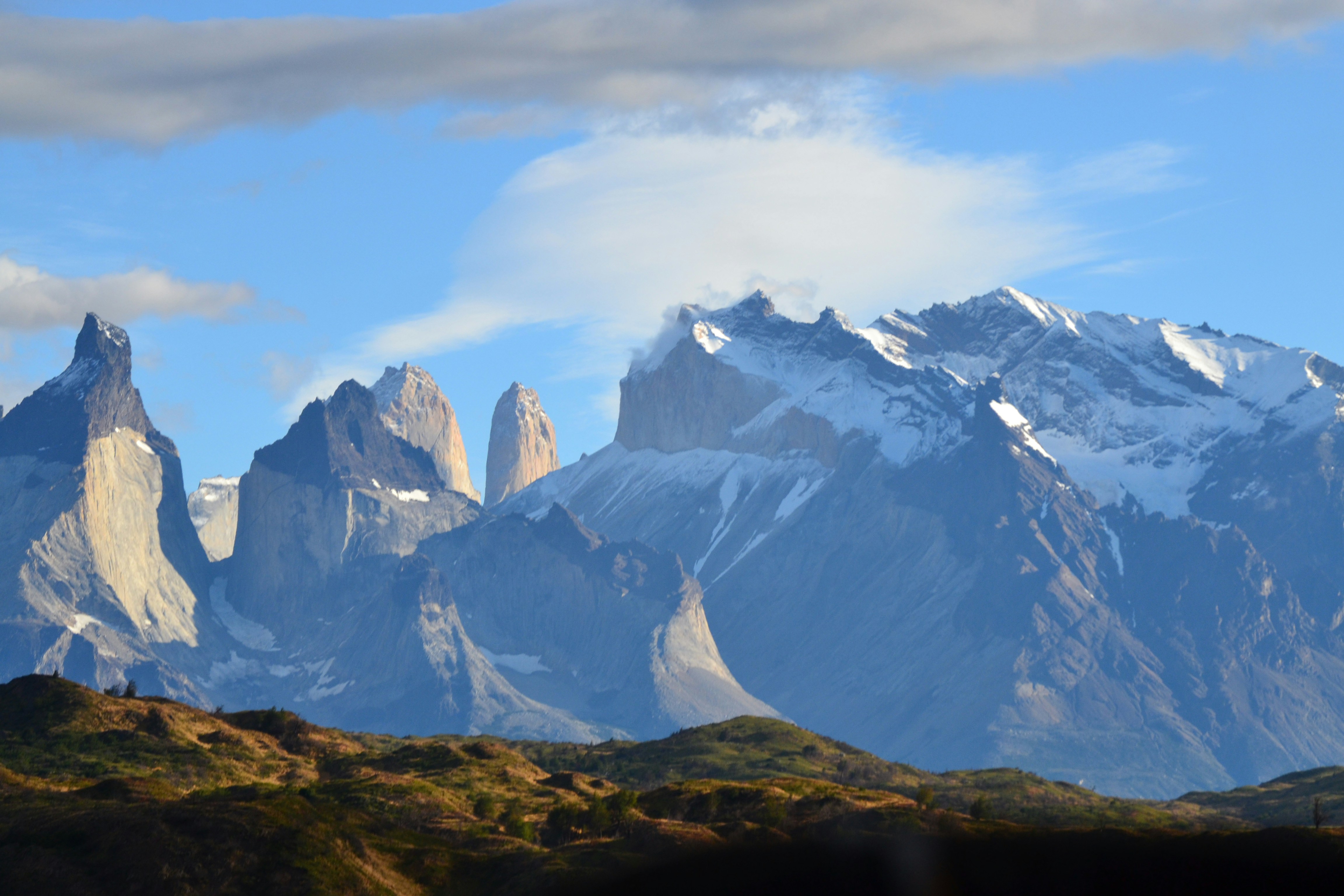
Chile is safest when travellers match their precautions to the place: urban areas require theft awareness, while Patagonia, the Atacama and the coast require preparation for weather, distance and terrain. Santiago’s central districts, metro stations, bus terminals, markets and nightlife areas can be crowded, so carry only the day’s essentials and keep your phone away from the kerb. Valparaíso deserves extra caution after dark, particularly on quiet hills and around empty viewpoints; use a pre-booked ride back to your accommodation. In Torres del Paine and the Atacama Desert, tell someone your route, follow park rules and avoid independent hikes without navigation, water and weather checks. Earthquakes are possible, and Chile’s authorities may issue local evacuation instructions for tsunami or wildfire risks. Follow official alerts rather than relying on social media. A practical safety rating is “generally safe with elevated urban-theft precautions,” not “risk-free.” Store digital copies of your passport, visa details, insurance policy and emergency contacts in a secure cloud account. Hello’s app can also help organise trip details and track spending in Chilean pesos, Singapore dollars or other currencies.
Chile Scams, Pickpocketing and Transport Theft: How to Avoid Them
The most common Chile scams target distraction, unattended belongings, payment cards and unofficial transport, so a calm routine is more effective than constant worry. A classic tactic involves someone spilling liquid, pointing out a stain or creating a sudden distraction while an accomplice takes a bag or phone. Politely move to a secure place before cleaning up. Keep backpacks in front on public transport, never leave phones on café tables, and avoid placing luggage in an unattended vehicle. At ATMs, choose machines inside banks or shopping centres, shield your PIN and check for unusual attachments. Pay by card only when the terminal remains visible, and review the amount before confirming. Exchange money at banks or formal exchange offices, not from street brokers. For airport transfers and taxis, use official airport desks, licensed services or a reputable booking platform; confirm the vehicle and fare before departing. Common warning signs include unsolicited “help,” pressure to withdraw cash, inflated taxi prices and requests to hand over your card. If a card is lost, freeze it immediately through your bank and report theft to police.
Chile Emergency Numbers and Singapore Consular Help
Save Chile’s emergency contacts before arrival because local networks, language barriers and stressful conditions can make searching difficult. The main Chile emergency numbers are Carabineros police on 133, ambulance on 131 and firefighters on 132; maritime emergencies, including coastal incidents, can be reported on 137. For non-urgent police matters, Chile’s Policía de Investigaciones can be reached on 600 400 0101. Give the operator your exact location, nearby landmark, accommodation name and a callback number. If your phone uses an eSIM from Hello, keeping mobile data active can make it easier to access maps, translation and your insurer’s assistance service when away from hotel Wi-Fi. Singaporeans should register their trip with Singapore’s Ministry of Foreign Affairs and verify the current after-hours contact for the Singapore Embassy in Santiago before departure, as diplomatic contact arrangements can change. Singapore does not maintain a broad consular network across Chile, so the embassy is the primary point of contact for serious emergencies such as arrest, hospitalisation, lost passports or major incidents. Consular officials cannot pay bills, replace travel insurance or provide legal representation, making insurance and document backups essential.
Chile Health Advisories, Vaccinations, Water and Outdoor Safety
Most visitors can stay healthy in Chile by maintaining routine vaccinations, using sensible food and water precautions, and preparing for the country’s extreme geography. Chile’s Ministry of Health recommends frequent handwashing and avoiding unpasteurised milk, unbottled drinks, raw or unwashed food, and undercooked seafood; it advises that drinking water should be boiled, chlorinated or filtered where safety is uncertain. Travellers should consult a doctor or travel clinic four to six weeks before departure about routine vaccines, hepatitis A and, depending on itinerary, typhoid. Yellow-fever vaccination is generally itinerary-dependent rather than a standard requirement for every Chile trip, but requirements can apply when arriving from a country with transmission risk. Ask a clinician for advice based on previous destinations and planned regions. Tap water may be treated in cities, but remote lodges, private wells and rural routes require extra care. Protect yourself from intense sun with SPF 30 or higher, sunglasses, water and layered clothing. At altitude in the Atacama, ascend gradually and reduce alcohol. Swim only at designated beaches, follow flags and lifeguards, and avoid unfamiliar rivers or lakes after heavy rain. Carry prescribed medicine in original packaging.
Solo Female and LGBTQ+ Travel Safety in Chile
Solo women and LGBTQ+ travellers can enjoy Chile, but visible confidence, careful nightlife planning and selective transport choices reduce avoidable problems. In Santiago, stay in well-reviewed accommodation near reliable transport, avoid walking alone on quiet streets after dark, and share your itinerary with a trusted contact. For nights out in Bellavista or other busy areas, watch drinks being prepared, use a pre-booked ride and leave with people you trust. Unwanted attention can occur, but harassment does not mean travellers should avoid Chile; move into a hotel, café or staffed venue if someone follows or pressures you. LGBTQ+ travellers are generally able to travel openly in major cities and tourist destinations, though attitudes can vary by region and public harassment remains possible. Consider local context in smaller towns, rural areas and conservative settings, particularly with public displays of affection. Use accommodation with recent reviews from diverse travellers and check current local conditions before visiting remote communities. Carry a small personal alarm if it provides reassurance, but prioritise distance and calling 133 over confrontation. Travel insurance should cover medical treatment, theft, evacuation and activities such as trekking, skiing or adventure excursions.
Common Questions About Chile Safety and Travel Insurance
The short answers are simple: Chile is not usually a high-risk destination for visitors, but urban theft is real, emergency numbers are easy to save, and comprehensive insurance is strongly recommended for a country with long distances and demanding outdoor activities.
Is Chile safe for first-time visitors? Generally yes, provided you use city precautions, official transport and reputable accommodation. Avoid displaying expensive electronics and do not leave bags unattended.
What are Chile’s emergency numbers? Call 133 for Carabineros police, 131 for ambulance, 132 for firefighters and 137 for maritime emergencies.
What are the main Chile scams? Watch for distraction theft, unofficial taxi pricing, ATM tampering, card fraud and street currency exchanges. Keep payments visible and use formal exchange services.
Do I need travel insurance for Chile? Strongly consider a policy covering overseas medical care, hospitalisation, emergency evacuation, theft, trip interruption and adventure activities. Check exclusions for trekking in Patagonia, skiing, climbing, diving and high-altitude travel; some policies require safety equipment or licensed guides.
How can I manage costs? Hello’s expense tools support receipt scanning, voice entries, bank-statement imports, automatic categorisation and multi-currency expense splitting. That is useful when one traveller pays in pesos and friends reimburse in Singapore dollars. Hello’s Chile eSIM can provide data from arrival, with plans starting from 5GB and prices updated live. For destination planning, see the Chile travel guide.
Explore These Destinations
Stay Connected
Ready for Chile?
eSIM data, expense splitting, budget tracking, and more. Everything you need for a smooth trip in one app.
Related Articles
Chile Currency & Money Guide: Exchange, Cards, and Tips
Currency exchange, credit card acceptance, ATM tips, tipping culture, and money-saving advice for Chile.
25 July 2026
Chile Visa & Entry Requirements for Singapore Passport Holders
Visa requirements, passport validity, customs allowances, and entry tips for Singapore citizens travelling to Chile.
7 July 2026
eSIM for Chile: Best Plans, Coverage, and Setup Tips
Everything you need to know about using eSIM in Chile. Best data plans, network coverage, and setup instructions.
28 June 2026