Key Takeaways
- ✓Cambodia is best for travellers who want temples, culture, food, and good value in one trip.
- ✓November to February is the most comfortable season for first-time visitors.
- ✓A 5-day Cambodia trip is the most balanced option for many travellers.
- ✓Use the transport guide to keep intercity travel simple and realistic.
- ✓Hello eSIM is the easiest way to stay connected on arrival and throughout the trip.
- ✓Cash still matters, so plan your money mix before you go.
- ✓Dress modestly at temples and follow local customs to travel respectfully.
- ✓Build your itinerary around fewer bases to reduce transit stress and save time.
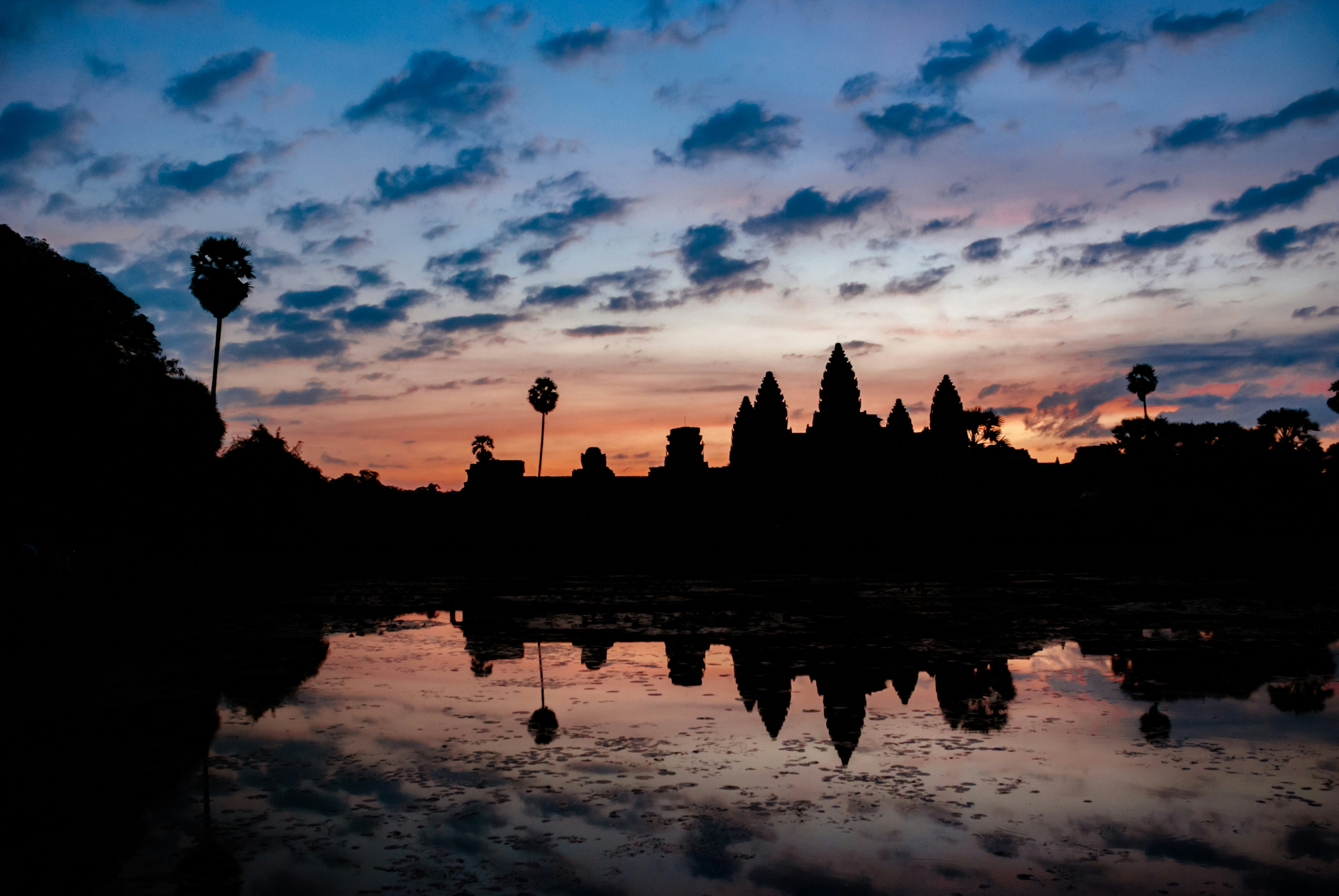
Cambodia is one of Southeast Asia’s most rewarding destinations: compact enough to explore efficiently, yet layered with history, food, river life, temple culture, and a travel rhythm that feels both adventurous and easygoing. In one trip, you can watch sunrise at Angkor Wat, eat your way through Phnom Penh’s markets, slow down on the coast, and still keep costs manageable. This complete Cambodia travel guide for 2026 brings together the essentials travellers need before they go — when to visit, how much to budget, what visas and entry rules to expect, how to move between cities, what to eat, how to stay connected, and which experiences are worth prioritising.
This guide is designed as a high-level hub for planning, so each section gives you the big picture first, then points you to a deeper cluster article for practical details. You’ll find comparison tables, decision frameworks, and trip-planning shortcuts that make it easier to decide whether Cambodia is a quick 3-day stop, a 5-day highlights trip, or a longer 10-day journey. It also includes practical advice for money, safety, and connectivity so you can travel with fewer surprises. If you’re building a Cambodia trip planner for 2026, this page is meant to save time: read the overview, jump into the relevant cluster guides, and use the checklists and tables here to turn inspiration into a clear itinerary.
Why Cambodia belongs on your 2026 travel list
Cambodia is an easy country to love because it offers a rare mix of world-famous sights and everyday travel simplicity. The headline attraction is Angkor, but the real appeal goes beyond temples: Phnom Penh’s riverfront energy, Battambang’s relaxed countryside feel, Siem Reap’s cafés and markets, and the southern coast’s slower island pace all give the country different moods in one trip. For many travellers, Cambodia is also one of the most value-friendly destinations in mainland Southeast Asia, which makes it ideal for first-time visitors, budget travellers, and slow-travel itineraries alike.
As a trip-planning base, Cambodia works especially well if you want variety without overcomplicating logistics. Distances are manageable, domestic routes are straightforward, and you can combine cultural highlights with food, history, and beach time in a single itinerary. It is also a destination where planning ahead matters more than people expect: timing your visit around the weather, understanding entry requirements, and choosing the right transport options can make a big difference to comfort and cost.
If you want the detailed planning version, pair this overview with Cambodia Travel Budget Guide: Daily Costs and Money Tips, Getting Around Cambodia: Transport Guide for Travellers, and Cambodia Cultural Guide: Etiquette, Customs, and Tips. Those articles go deeper on the practical side, while this pillar guide helps you choose priorities and build a sensible route. For 2026, the best Cambodia trips are the ones that balance the must-sees with a little breathing room — especially if you want time to enjoy the country rather than just check it off.
At a glance, Cambodia suits travellers who want temple heritage, affordable day-to-day costs, flexible routing, and a strong sense of place. It is less about high-speed sightseeing and more about choosing the right mix of culture, food, and downtime.
Best time to visit Cambodia
The best time to visit Cambodia is generally the cool, dry season from November to February, when temperatures are more comfortable, humidity is lower, and sightseeing is easier. If you want the most pleasant overall conditions for temples, city walking, and intercity travel, this is the strongest window. March to May is hotter and can feel intense in the middle of the day, while the rainy season from June to October brings lush scenery, fewer crowds, and more unpredictable downpours.
For many travellers, the decision is less about finding a perfect month and more about matching weather to travel style. Temple-focused itineraries usually work best in the cooler months, while photographers and slower travellers may enjoy the green landscapes and softer light of the wet season. Shoulder periods can also be smart if you want a balance of decent weather and fewer visitors. If you are planning a multi-stop trip, remember that Cambodia’s climate can affect road comfort, boat schedules, and outdoor sightseeing more than it affects urban stays.
| Season | Months | Weather feel | Crowd level | Best for |
|---|---|---|---|---|
| Cool, dry | Nov-Feb | Warm days, cooler evenings | Higher | First-time visitors, Angkor, city sightseeing |
| Hot, dry | Mar-May | Very hot, strong sun | Moderate | Short trips, early starts, coastal breaks |
| Rainy | Jun-Oct | Frequent showers, greener landscapes | Lower | Value-focused travellers, photography, slower itineraries |
A practical rule for 2026: if this is your first visit, aim for November to February; if you care more about value and atmosphere than perfect weather, the rainy season can still be excellent. The right answer depends on whether you prioritise comfort, photography, lower prices, or crowd avoidance.
For deeper planning, see Cambodia in 10 Days: The Ultimate Travel Itinerary and Cambodia in 5 Days: The Perfect Extended Itinerary, which help you match timing to route length and pace. You can also use Cambodia Travel Budget Guide: Daily Costs and Money Tips to estimate how seasonality may affect hotel and transport costs.
How much does a Cambodia trip cost in 2026?
Cambodia remains one of Southeast Asia’s more affordable destinations, but your total spend can vary sharply depending on where you stay, how you move around, and whether you plan around private transport or more basic options. A good budgeting approach is to think in daily ranges first, then add major fixed costs such as intercity transport, entry fees, and connectivity. That makes it easier to decide whether Cambodia fits a backpacking, mid-range, or comfort-focused trip.
| Traveller style | Typical daily budget | What it usually covers |
|---|---|---|
| Budget | Low-cost hostels or simple guesthouses, street food, public transport | |
| Mid-range | Comfortable hotels, some taxis or ride-hailing, restaurant meals | |
| Comfort/luxury | Upscale hotels, private transfers, frequent dining out, guided experiences |
The smartest way to save in Cambodia is to spend selectively. Accommodation and transport can be cheap if you keep plans flexible, while temple tickets, guided tours, airport transfers, and sim or data costs are the categories where expenses can add up faster. Food is another area where Cambodia can be very budget-friendly without sacrificing quality, especially if you mix casual local meals with the occasional sit-down restaurant. Cash still matters in many places, so it is worth planning for ATM fees and currency handling too.
If you want a detailed breakdown by style of travel, use Cambodia Travel Budget Guide: Daily Costs and Money Tips together with Cambodia Currency & Money Guide: Exchange, Cards, and Tips. Those cluster guides explain how to pay, when to use cards, how much cash to carry, and where travellers often overspend. In 2026, the best budget strategy is to build flexibility into your plan so you can choose when to splurge — for example on a better hotel in Siem Reap or a private transfer between cities — without losing control of the overall trip cost.
If you are comparing a short city break with a longer country trip, remember that Cambodia can be inexpensive per day but still feel expensive if you keep moving every night. Slower itineraries often give the best value.
Visa & entry basics for Cambodia
Entry rules are one of the first things to check before any Cambodia trip, because requirements can vary by passport nationality, length of stay, and how you enter the country. The safest planning approach is to confirm your visa method, passport validity, and any arrival paperwork well before departure. For Singapore passport holders, the dedicated cluster guide provides the most relevant step-by-step information for entry and customs preparation.
As a general travel principle in 2026, you should expect to verify your passport validity, understand whether you need a visa in advance or on arrival, and be ready for standard border checks. It is also sensible to know what you can and cannot bring in, especially if you are carrying medication, high-value electronics, or goods that may be subject to customs scrutiny. Entry processes are usually straightforward when documents are in order, but small mistakes can cause unnecessary delays.
| Entry item | What to check before departure |
|---|---|
| Passport validity | Make sure it is valid for the required period after arrival |
| Visa type | Confirm whether you need e-visa, visa on arrival, or visa-free entry |
| Arrival documents | Keep accommodation details and return/onward plans handy |
| Customs rules | Review allowances for cash, alcohol, tobacco, and restricted items |
| Border point | Check rules if entering by land rather than flying |
For Singapore travellers, read Cambodia Visa & Entry Requirements for Singapore Passport Holders before booking flights or land crossings. If you are not a Singapore passport holder, use the same logic: check official rules for your nationality and then compare them with the practical advice in the guide so you know what to prepare. That article covers visa requirements, passport validity, customs allowances, and entry tips in a format designed to reduce last-minute uncertainty.
A useful planning tip is to treat entry as part of your itinerary, not just an admin task. If you arrive on a tight connection, cross a border after a long bus ride, or depend on a specific visa format, your trip becomes more fragile. A bit of pre-trip preparation here makes the rest of Cambodia much easier.
Getting around Cambodia without the stress
Getting around Cambodia is usually manageable, but the best option depends on whether you are travelling between cities or moving around within them. In larger hubs such as Phnom Penh and Siem Reap, ride-hailing, taxis, tuk-tuks, and hotel transfers can cover short distances easily. For longer routes, buses, private cars, and some domestic flight combinations are the main tools travellers use to connect the major stops.
A good rule is to choose the simplest transport that matches your schedule. If you are short on time, private transfers can reduce friction. If you are travelling on a tighter budget, buses are often the best value for intercity travel. For city exploration, tuk-tuks are part of the Cambodia experience and are often the most practical way to move between temples, markets, and restaurants. Driving yourself is possible, but it is usually better suited to confident travellers familiar with local road conditions and traffic norms.
| Transport type | Best for | Main trade-off |
|---|---|---|
| Tuk-tuk | Short city hops, sightseeing | Can take longer in traffic |
| Ride-hailing/taxi | Convenience, clear point-to-point trips | Usually costs more than tuk-tuks |
| Bus | Budget intercity travel | Slower and less flexible |
| Private transfer | Comfort, fixed timing | Higher price |
| Domestic flight | Saving time on longer routes | Limited schedule and extra logistics |
For practical route planning, see Getting Around Cambodia: Transport Guide for Travellers, which explains airport transfers, public transport, ride-hailing apps, inter-city travel, and driving tips in more detail. If your trip includes a multi-city route, combine that with Cambodia in 5 Days: The Perfect Extended Itinerary or Cambodia in 10 Days: The Ultimate Travel Itinerary so your transport choices fit your pace rather than interrupt it.
The easiest travel strategy in Cambodia is to anchor your itinerary around fewer bases and use the right transport for each leg. That usually saves time, lowers stress, and makes the trip feel more enjoyable.
Food & dining in Cambodia
Cambodian food is one of the easiest and most enjoyable ways to understand the country. The cuisine is gentle yet distinctive, with flavours built around fresh herbs, rice, noodles, fish, tropical fruit, and a balance of sour, salty, and lightly sweet notes. Travellers often focus on the famous temple and city sights, but the food scene is a major part of the experience — from market breakfasts and noodle soups to riverside dinners and casual café meals.
The best way to eat in Cambodia is to mix local and modern. Street food and family-run spots give you value and local flavour, while restaurants in tourist areas offer broader menus, cleaner settings, and more dietary flexibility. If you have concerns about food safety, the simplest approach is to choose busy venues, eat freshly cooked dishes, and pay attention to water and ice handling. Travellers with vegetarian, vegan, or other dietary requirements will usually find workable options, especially in Siem Reap and Phnom Penh, but it still helps to know a few key phrases and dish names before you arrive.
| Dining style | Typical experience | Best for |
|---|---|---|
| Street food | Quick, cheap, local | Casual meals, snack stops |
| Local restaurant | Regional dishes, relaxed atmosphere | Everyday lunches and dinners |
| Tourist café/restaurant | Broader menus, coffee, comfort | Dietary needs, longer breaks |
| Upscale dining | Refined presentation, modern Khmer | Special occasions |
For a deeper look at dishes, pricing, and eating safely, use Cambodia Food Guide: Must-Try Dishes, Prices, and Tips. That guide is the best place to start if you want to know what to order, how much common dishes cost, and how to handle food choices with confidence. If you are also managing spend, pair it with Cambodia Travel Budget Guide: Daily Costs and Money Tips because food can be both one of the cheapest and most memorable parts of the trip.
In 2026, the smartest approach is not to chase only the most famous dishes, but to build a food routine: one local breakfast, one casual lunch, one flexible dinner, and room for street snacks or desserts. That gives you variety without overcomplicating the day.
Top experiences and the best itineraries
The best Cambodia trips are built around a few core experiences rather than an attempt to see everything. For most first-time visitors, the essential combination is Angkor heritage, a major city stop, local food, and some time for a slower region or coastal break. Cambodia works well for short itineraries because the highlights are concentrated, but it rewards longer stays because each city has its own rhythm.
If you only have a few days, focus on the strongest headline experiences and keep logistics simple. If you have a week or more, add a second base so the trip feels more rounded. The main decision is whether you want a temple-first trip, a culture-and-city trip, or a balanced route that includes food and downtime. That choice matters more than trying to cram in every possible stop.
| Trip length | Best focus | Suggested style |
|---|---|---|
| 3 days | One city and one major highlight | Fast-paced, selective |
| 5 days | Balanced highlights with comfortable pacing | Most popular first trip |
| 10 days | Multi-city route with deeper variety | Best for first-timers with time |
For detailed routing, use 3 Days in Cambodia: A Day-by-Day Itinerary, Cambodia in 5 Days: The Perfect Extended Itinerary, and Cambodia in 10 Days: The Ultimate Travel Itinerary. Those cluster articles are where the day-by-day structure lives; this pillar guide is where you decide which one fits your timeline and travel style.
The most worthwhile experiences in Cambodia typically include sunrise at Angkor, wandering local markets, riverfront evenings, countryside or village time, and at least one unhurried meal or café stop in each city. If your trip includes friends or family, it helps to use a shared planning tool so everyone can see the route, budget, and daily activity choices in one place. That is also where Hello’s trip planning and expense-splitting tools can make coordination easier, especially for group travel.
A strong Cambodia itinerary is less about quantity and more about sequence. Plan the hardest sightseeing early in the day, leave buffer time for transport, and give yourself one flexible afternoon in each major stop.
Hello eSIM connectivity in Cambodia
Staying connected in Cambodia is straightforward if you set up your data plan before you arrive or immediately after landing. For most travellers, the easiest option is Hello eSIM, which gives you instant activation, avoids physical SIM hunting, and keeps your phone ready for maps, messaging, ride-hailing, bookings, and translation from day one. That matters most when you are moving between the airport, your hotel, and your first sightseeing stop.
In practical terms, connectivity in Cambodia is about reliability, not just speed. City areas usually offer the strongest performance, while more remote or rural parts can be less consistent. That means the smartest setup is one that gives you enough data for navigation, transport apps, and photo uploads without forcing you to constantly monitor usage. If you are travelling as a couple or group, a reliable data connection also makes coordination much easier.
| Connectivity need | Best choice |
|---|---|
| Arrival-day convenience | Hello eSIM |
| Short city trip | Hello eSIM with a moderate data plan |
| Multi-city itinerary | Hello eSIM with enough data for maps and transport apps |
| Group coordination | Hello eSIM plus shared trip planning in the Hello app |
For a detailed breakdown of plan selection, coverage expectations, and setup steps, read eSIM for Cambodia: Best Plans, Coverage, and Setup Tips. That cluster guide goes deeper on activation and practical usage, while this hub helps you decide why eSIM is worth prioritising in the first place. In 2026, the key advantage of Hello eSIM is simplicity: you can arrive prepared, stay online without extra errands, and keep your travel day moving.
A good rule is to install and test your Hello eSIM before departure if possible, then keep offline maps and key bookings saved as backup. Even with solid connectivity, the best trip insurance is having your essential details available in more than one place.
Practical tips for a smoother Cambodia trip
The easiest Cambodia trips are the ones where a few small details are handled early. Money, safety, cultural etiquette, and packing choices all have a bigger impact than travellers expect because they shape your daily comfort. Cambodia is welcoming and relatively easy to navigate, but it still helps to understand local norms, carry the right payment mix, and prepare for hot weather and occasional rain.
The strongest practical advice for 2026 is simple: keep cash available, protect your phone and documents, use respectful dress for temples and religious spaces, and plan for hydration and sun protection. A compact day bag, a reusable water bottle, and a basic first-aid kit go a long way. If you are travelling onward by bus or taking multiple day trips, organize your documents and booking confirmations in one place before you leave your hotel.
| Practical area | What to do |
|---|---|
| Money | Carry a mix of cash and cards; know ATM fees and tipping norms |
| Safety | Use common-sense precautions and keep valuables secure |
| Culture | Dress modestly at temples and follow local etiquette |
| Health | Stay hydrated, protect against sun, and pack basic meds |
| Planning | Save bookings, transport details, and emergency contacts offline |
For a more detailed breakdown, read Cambodia Safety Guide: Tips for a Safe Trip, Cambodia Cultural Guide: Etiquette, Customs, and Tips, and Cambodia Currency & Money Guide: Exchange, Cards, and Tips. Those articles cover the details behind the practical habits that keep trips smooth. If you are deciding what to pack, think less in terms of specialist gear and more in terms of comfort and flexibility: breathable clothing, good walking shoes, a power bank, and rain protection if you are visiting during the wet season.
One helpful framework is to prepare for Cambodia in three layers: essentials for arrival, comfort items for daily travel, and backup plans for money and connectivity. That way, a missed bus, a sudden shower, or a low battery does not derail the day.
Before You Go checklist
Before you go to Cambodia, the goal is to eliminate avoidable friction. A good checklist keeps your trip focused on the fun parts — temple mornings, market meals, and comfortable transport — instead of last-minute admin. The most useful pre-departure tasks are the ones that help you arrive ready to move, pay, and connect immediately.
| Before You Go | Done? |
|---|---|
| Confirm passport validity and visa requirements | |
| Book the first night’s accommodation | |
| Save flight, hotel, and transfer details offline | |
| Set your budget and cash plan | |
| Install Hello eSIM and test activation | |
| Download offline maps | |
| Check the weather for your travel month | |
| Pack temple-appropriate clothing | |
| Bring a power bank and charging cables | |
| Review safety, transport, and cultural tips |
For many travellers, the most important decision is not what to pack, but how to sequence the first 24 hours. Have arrival transport arranged, know how you will get data on landing with Hello eSIM, and keep enough cash for your first meal, taxi, or tuk-tuk. If you are travelling with friends, make sure everyone can access the same booking and budget information before departure.
It also helps to match your checklist to trip length. A 3-day visit needs tighter timing and pre-booked essentials, while a 10-day trip benefits from more flexibility and a wider transport plan. If you are building your Cambodia trip planner in the Hello app, this is a good time to add accommodation, transport, and shared expenses so the trip is easier to manage once you arrive.
If you use only one principle from this guide, use this one: prepare the admin once, then keep the rest of the trip light and flexible. Cambodia is at its best when you leave space for slow mornings, unexpected meals, and a little spontaneity.
Frequently Asked Questions
What is the best month to visit Cambodia in 2026?
For most travellers, November to February is the best window because the weather is cooler, drier, and more comfortable for sightseeing. If you want fewer crowds and lower prices, the rainy season can still be a good choice with the right expectations.
How many days do I need for a Cambodia trip?
Three days works for a quick highlights trip, five days is a strong first visit, and ten days gives you enough time to see multiple regions without rushing. The right length depends on whether you want temples only or a broader culture-and-coast itinerary.
Is Cambodia expensive to travel in 2026?
Cambodia is generally affordable compared with many destinations, especially for food and basic accommodation. Costs rise when you choose private transport, guided experiences, and higher-end hotels, so your budget depends heavily on travel style.
Do I need a visa for Cambodia?
Visa rules depend on your passport nationality and how you enter the country. Check the relevant entry requirements before booking, and make sure your passport validity and arrival documents are in order.
What is the easiest way to stay connected in Cambodia?
Hello eSIM is the easiest option for most travellers because it activates instantly, keeps your phone online on arrival, and avoids the hassle of finding a physical SIM card after landing. It is especially useful for maps, ride-hailing, and messaging.
What is the best way to get around Cambodia?
Use tuk-tuks and taxis for short city trips, and buses or private transfers for intercity travel. If you have limited time, build your itinerary around fewer bases so transport stays simple.
Is Cambodia safe for first-time visitors?
Cambodia is a popular destination for first-time visitors, but standard travel caution still applies. Keep valuables secure, use trusted transport, stay aware in busy areas, and read a dedicated safety guide before departure.
eSIM Plans for Cambodia
Detailed Articles
Dive deeper into specific topics covered in this guide.
Cambodia Travel Budget Guide: Daily Costs and Money Tips
How much does it cost to travel in Cambodia? Daily budget breakdowns for budget, mid-range, and luxury travellers.
23 February 2026
Getting Around Cambodia: Transport Guide for Travellers
Airport transfers, public transport, ride-hailing apps, inter-city travel, and driving tips for Cambodia.
22 May 2026
Cambodia Cultural Guide: Etiquette, Customs, and Tips
Essential do's and don'ts, greeting customs, dress codes, local phrases, and cultural tips for Cambodia.
31 May 2026
Cambodia in 10 Days: The Ultimate Travel Itinerary
A comprehensive 10-day itinerary for Cambodia covering top attractions, hidden gems, daily costs, and transport between cities.
18 June 2026
Cambodia in 5 Days: The Perfect Extended Itinerary
A detailed 5-day itinerary for Cambodia with daily activities, costs, neighborhoods, and transport tips for an extended stay.
4 May 2026
Cambodia Currency & Money Guide: Exchange, Cards, and Tips
Currency exchange, credit card acceptance, ATM tips, tipping culture, and money-saving advice for Cambodia.
25 July 2026
Cambodia Visa & Entry Requirements for Singapore Passport Holders
Visa requirements, passport validity, customs allowances, and entry tips for Singapore citizens travelling to Cambodia.
7 July 2026
Cambodia Food Guide: Must-Try Dishes, Prices, and Tips
Best local dishes, street food, restaurant prices, dietary options, and food safety tips for Cambodia.
13 May 2026
More Travel Guides
Destination Guide
Complete Bosnia and Herzegovina Travel Guide 2026
Everything you need to know about travelling to Bosnia and Herzegovina — budget, visa, food, transport, eSIM connectivity, and itineraries.
Destination Guide
Complete Bahamas Travel Guide 2026
Everything you need to know about travelling to Bahamas — budget, visa, food, transport, eSIM connectivity, and itineraries.
Destination Guide
Complete Bahrain Travel Guide 2026
Everything you need to know about travelling to Bahrain — budget, visa, food, transport, eSIM connectivity, and itineraries.
Destination Guide
Complete Sint Eustatius Travel Guide 2026
Everything you need to know about travelling to Sint Eustatius — budget, visa, food, transport, eSIM connectivity, and itineraries.