Cambodia Safety Guide: Tips for a Safe Trip
Safety tips, health advisories, emergency contacts, common scams, and travel insurance advice for Cambodia.
By Hello Travel Team
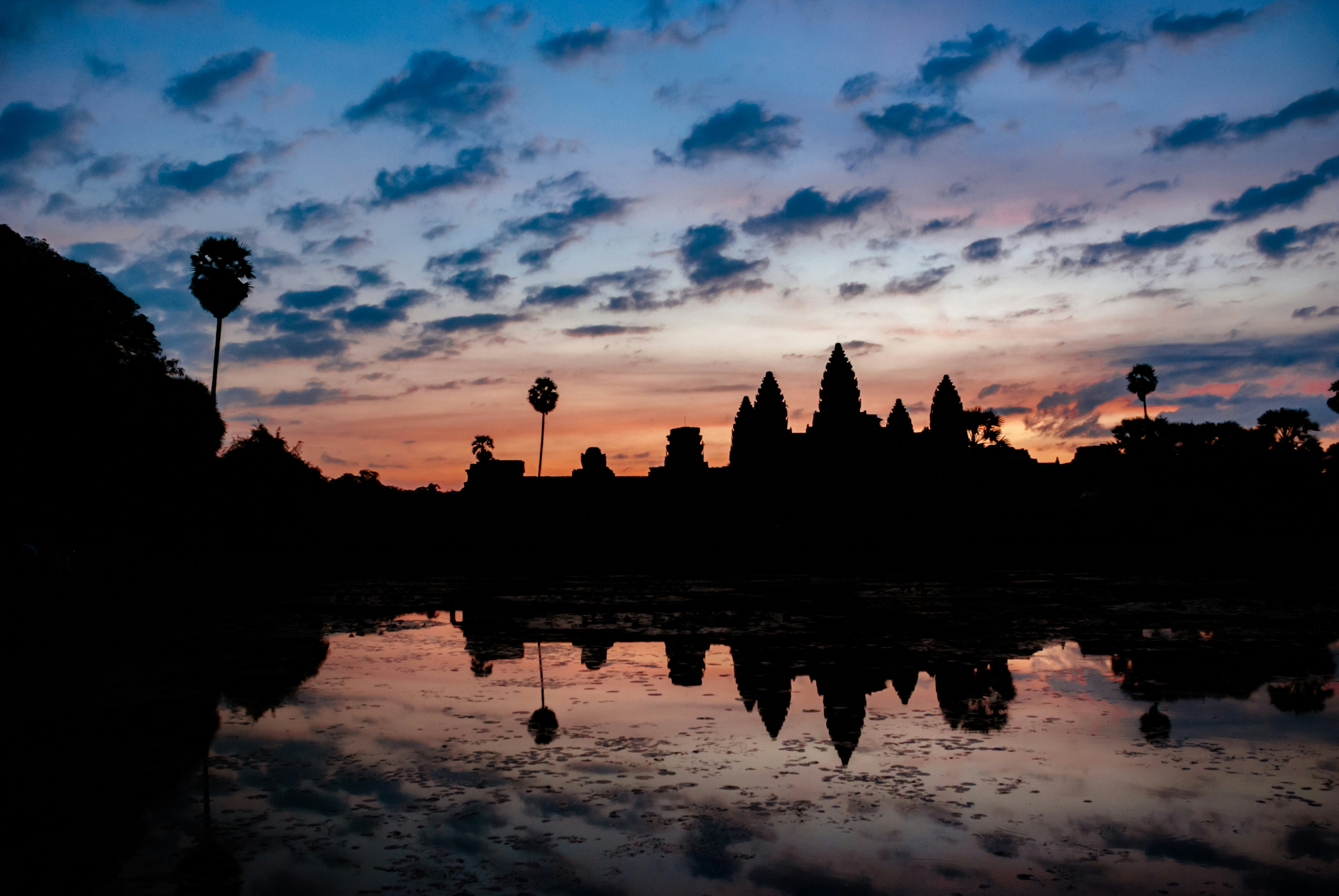
Cambodia Safety Guide: Is Cambodia Safe for Travellers?
Cambodia is generally safe for tourists who use normal precautions, stay alert in crowded areas, and avoid remote border zones or poorly lit streets after dark. Most visits to Phnom Penh, Siem Reap, Battambang, and the islands are trouble-free, although petty theft, traffic accidents, scams, heat-related illness, and occasional violent crime deserve practical planning.
TL;DR: Cambodia travel safety is manageable for couples, families, solo travellers, and LGBTQ+ visitors, but standards vary outside tourist centres. Keep valuables secure, use reputable transport, drink treated water, arrange travel insurance, and save Cambodia emergency numbers before departure.
Singapore’s Ministry of Foreign Affairs advises travellers to monitor official updates and defer travel to areas affected by Thai-Cambodian border tensions. Do not approach military sites, border crossings outside your itinerary, or unexploded ordnance in rural areas. Cambodia’s main tourist attractions, including Angkor Wat, are far from most border-sensitive locations, but local conditions can change.
For arrival connectivity, an eSIM for Cambodia from Hello can provide mobile data for maps, translation, ride coordination, and emergency calls where supported. Hello also combines connectivity with trip planning, budget tracking, and expense splitting in multiple currencies.
Cambodia Travel Safety: Common Risks and How to Stay Secure
The most common Cambodia travel-safety problems are bag snatching, traffic accidents, opportunistic theft, and poorly regulated transport—not attacks on tourists. A low-profile routine is usually enough: carry only the cash you need, keep phones away from the roadside, use a zipped crossbody bag, and photograph your passport rather than carrying it everywhere.
Motorbike and tuk-tuk journeys require extra care. Traffic can be chaotic, especially in Phnom Penh, where cars, scooters, bicycles, and pedestrians share busy roads. Wear a helmet, avoid renting a scooter without a valid licence and experience, and never assume another driver has seen you. At night, use a reputable hotel-arranged tuk-tuk, a recognised ride-booking service, or a trusted driver rather than accepting unsolicited rides.
At Angkor Archaeological Park, wear shoes with grip, carry water, and avoid climbing restricted structures. Heat and dehydration can become serious during long temple days. In coastal areas, check local advice before swimming because currents, boat standards, and lifeguard coverage vary.
Useful habits include:
- Keep your phone and wallet on the side away from traffic.
- Leave passports, spare cards, and large amounts of cash in a hotel safe.
- Share your itinerary with someone at home.
- Avoid walking alone on deserted streets after midnight.
- Do not photograph military facilities, police activity, or sensitive border infrastructure.
Cambodia Scams: Practical Ways to Avoid Losing Money
Cambodia scams are usually opportunistic and avoidable: agree on prices before travelling, refuse unsolicited help, protect your phone and wallet, and leave any situation that feels pressured. Tourist areas around Phnom Penh’s riverside, Siem Reap’s Pub Street, markets, transport hubs, and border crossings require the most awareness.
Common examples include tuk-tuk or remork drivers quoting an unclear fare, inflated prices after a journey, counterfeit or poor-quality goods, and “free” drinks or tours that produce an unexpected bill. Some visitors also encounter donation requests, temple-related approaches, or people claiming an attraction is closed and redirecting them to a shop. Politely say no and verify opening information with your hotel or the attraction’s official channels.
Use small Cambodian riel notes for minor purchases, while US dollars are commonly accepted in tourist areas. Check change carefully: worn or torn US dollar notes may be refused. For a meal, expect roughly $2–6 at a casual local restaurant in 2026, while a mid-range tourist restaurant may cost about $8–20 per person; confirm whether service charges are included.
If a card machine, ATM, or shop asks to process an unfamiliar amount, stop and check the screen. Keep receipts and use Hello’s expense features to scan receipts in different languages and currencies, split costs with friends, and track exchange-rate-adjusted spending. Never share a one-time password or hand over your passport as security for a rental.
Cambodia Emergency Numbers, Embassy Help, and Travel Insurance
Save Cambodia emergency numbers before travelling: call 117 for police, 118 for fire, and 119 for ambulance. Emergency response and ambulance availability can be limited outside major cities, so ask hotel staff, tour operators, or a local contact to help explain your location and arrange transport to a reputable hospital when necessary.
| Need | Number or action |
|---|---|
| Police | 117 |
| Fire service | 118; some official listings also show 666 |
| Ambulance | 119 |
| Emergency hotline for foreigners | 031 201 2345 or 031 601 2345 |
| Singapore Embassy, Phnom Penh | +855 23 221 875 during office hours |
| Singapore Embassy emergency mobile | +855 977 017 371 after hours |
| Singapore MFA Duty Office | +65 6379 8800 |
The Singapore Embassy is at 129 Norodom Boulevard, Sangkat Chaktomuk, Khan Daun Penh, Phnom Penh. Singaporeans should e-register their trip and keep embassy details accessible offline. Tourist police contacts also exist in Phnom Penh, Siem Reap, and Sihanoukville, but numbers can change, so verify them with your accommodation.
Travel insurance is strongly recommended. Choose a policy covering overseas medical treatment, hospital admission, medical evacuation, trip interruption, theft, and scooter or motorbike riding only if you meet the policy’s licence and helmet conditions. A basic policy may cost approximately $35–100 for a one- to two-week trip in 2026, depending on age, destination, activities, and coverage limits.
Cambodia Health Advice: Vaccinations, Water, Heat, and Food Safety
The right Cambodia health plan depends on your itinerary, season, and medical history, so arrange a travel-clinic appointment several weeks before departure. Routine vaccinations should be current; clinicians commonly discuss hepatitis A, typhoid, tetanus, and region-specific risks, while hepatitis B, rabies, Japanese encephalitis, or malaria precautions may be relevant for longer rural stays or particular activities.
There are no COVID-19 testing, quarantine, or vaccination-proof requirements for entry reported by Singapore’s Ministry of Foreign Affairs, but entry rules and health advice can change. Check current government guidance before flying. Mosquito-borne illnesses remain a consideration: use repellent, wear long sleeves around dawn and dusk, and ask a clinician whether antimalarial medication is appropriate for your route.
Avoid drinking untreated tap water. Choose sealed bottled water, check that the cap is intact, and use purified water for brushing teeth if uncertain. Ice at established hotels and restaurants is often made commercially, but avoid ice where hygiene is questionable. Eat food that is cooked thoroughly and served hot; be cautious with raw seafood and food sitting in the sun.
Cambodia’s heat can cause exhaustion quickly. Drink regularly, use oral rehydration salts for diarrhoea, schedule temple visits early, and rest during the hottest part of the afternoon. Pack sunscreen, insect repellent, basic medicines, and a copy of prescriptions. Seek medical attention for persistent fever, severe dehydration, breathing problems, or symptoms after an animal bite; wash bites immediately and obtain urgent rabies advice.
Solo Female and LGBTQ+ Travel Safety in Cambodia
Solo female travellers and LGBTQ+ visitors can enjoy Cambodia comfortably, especially in established tourist areas, by using the same sensible precautions as other visitors and choosing accommodation, transport, and nightlife settings carefully. Cambodia is generally socially tolerant of LGBTQ+ travellers, but public attitudes vary and legal protections may not cover every situation.
For solo women, select hotels with recent reviews, use reception-arranged transport at night, and avoid accepting drinks from strangers. Keep one emergency contact informed of your daily plan, particularly when travelling to remote islands, rural temples, or less-developed coastal areas. If someone follows you or repeatedly pressures you, enter a hotel, café, pharmacy, or busy shop and ask staff for help rather than confronting the person alone.
Dress respectfully at temples and religious sites: cover shoulders and knees, remove hats when appropriate, and follow signs about photography. This is both a cultural courtesy and a practical way to avoid unwanted attention. At nightlife venues, monitor drinks and travel home with friends or a trusted driver.
Same-sex relationships are not criminalised in Cambodia, and LGBTQ+ visitors are visible in major tourist centres, including Phnom Penh and Siem Reap. Discretion may still be helpful in conservative or rural settings. Transgender travellers should carry prescription documentation for medicines and allow extra time at airports if documents and appearance attract questions. Consular assistance remains available through the Singapore Embassy for Singapore citizens, but an embassy cannot replace comprehensive insurance or local legal advice.
Common Questions About Is Cambodia Safe?
Is Cambodia safe for first-time visitors? Yes, most first-time visitors have a safe trip when they protect valuables, use reliable transport, respect local customs, and plan for heat, traffic, and limited emergency services outside major cities.
Is Siem Reap safe at night? Central Siem Reap is lively and frequently visited after dark, but keep phones and bags secure, use a trusted tuk-tuk or driver, and avoid quiet unlit lanes after drinking. The route between your hotel and Pub Street still deserves attention.
Is Phnom Penh safe for solo travellers? Phnom Penh is manageable, but it is busier and more traffic-heavy than Siem Reap. Choose central accommodation, avoid displaying valuables near roads, and use arranged transport at night.
Can I drink tap water in Cambodia? Travellers should generally choose sealed bottled or properly filtered water. Do not assume ice or refill stations are safe unless hygiene is clear.
What should I do if my passport is stolen? Report the theft to police, obtain a written report, contact your insurer, and call your embassy or consulate. Keep a secure digital copy of your passport, visa, insurance policy, and emergency contacts.
Do I need travel insurance for Cambodia? Strongly consider it. Medical evacuation, hospital treatment, cancellation, theft, and activities such as motorbiking can create substantial costs. Check exclusions before departure rather than assuming every adventure activity is covered.
How can I stay connected safely? An eSIM from Hello can help you access maps, translation, transport apps, accommodation details, and emergency contacts as soon as you arrive. Hello’s plans cover 200+ countries, start from 5GB, and can be activated before departure; prices are updated live.
Explore These Destinations
Stay Connected
Ready for Cambodia?
eSIM data, expense splitting, budget tracking, and more. Everything you need for a smooth trip in one app.
Related Articles
Cambodia Currency & Money Guide: Exchange, Cards, and Tips
Currency exchange, credit card acceptance, ATM tips, tipping culture, and money-saving advice for Cambodia.
25 July 2026
Cambodia Visa & Entry Requirements for Singapore Passport Holders
Visa requirements, passport validity, customs allowances, and entry tips for Singapore citizens travelling to Cambodia.
7 July 2026
eSIM for Cambodia: Best Plans, Coverage, and Setup Tips
Everything you need to know about using eSIM in Cambodia. Best data plans, network coverage, and setup instructions.
28 June 2026