Cambodia Cultural Guide: Etiquette, Customs, and Tips
Essential do's and don'ts, greeting customs, dress codes, local phrases, and cultural tips for Cambodia.
By Hello Travel Team
This article contains affiliate links. If you book through them, Hello may earn a commission at no additional cost to you. Our editorial recommendations are independent. Learn more.
TL;DR: Cambodia Culture, Etiquette, and Essential Dos and Don’ts
Cambodia’s culture is warm and welcoming, but visitors are expected to dress modestly, show respect at religious sites, remove shoes before entering homes or temples, and avoid public displays of affection and loud behavior. Learn simple Khmer greetings, follow temple etiquette, and plan around major festivals for a smoother trip.
Think of this guide as your shortcut to travelling in Cambodia without committing a cultural faux pas. Locals are generally forgiving, but a few basics go a long way: smile often, speak gently, dress respectfully, and never touch someone’s head or point your feet at people or Buddha images.
You’ll also want to understand how to greet people (usually with a slight bow and palms together), what’s appropriate to wear at Angkor Wat and other pagodas, when it’s okay to take photos, and how to behave in business or more formal settings.
Throughout, you’ll see practical Cambodia dos and don’ts, realistic examples (like how much to budget for temple outfits or gifts in 2026), and tips to stay connected and on top of your expenses using the Hello app.
If you remember nothing else, remember this: in Cambodia, politeness, modesty, and respect for religion matter more than anything; when in doubt, observe what locals do and follow their lead.
Core Cambodia Etiquette: Greetings, Respect, and Everyday Customs
In Cambodia, good etiquette revolves around modesty, politeness, and respect for elders and religion, with the traditional sampeah greeting, gentle speech, and avoidance of physical contact helping travellers blend in comfortably and avoid common cultural missteps.
The most important gesture in Cambodia is the sampeah: place your palms together in front of your chest and give a slight bow. For most everyday interactions, a simple sampeah plus “Chum reap suor” (formal hello) or the more casual “Suosdei” is perfectly appropriate. Handshakes are common in cities, especially with foreigners, but the sampeah remains the more traditional sign of respect.
Everyday Cambodia customs emphasize respect for age and status. Always greet the eldest person first, and when giving or receiving items, use your right hand, supported by your left forearm or hand at the wrist in more formal contexts. Avoid touching people on the head (considered the most sacred part of the body) and avoid pointing your feet at others or religious images.
Public displays of affection, loud arguments, and aggressive body language are frowned upon. You’ll notice that most Cambodians speak softly and avoid direct confrontation, so keeping your tone calm and friendly will help defuse any misunderstandings.
A practical everyday dos and don’ts table:
| Situation | Do | Don’t |
|---|---|---|
| Greeting locals | Use sampeah and a smile | Force a handshake with elders |
| In conversation | Speak softly and politely | Raise your voice or swear |
| Physical contact | Keep it minimal | Hug or kiss in public |
| Using feet | Keep them pointed away | Point at people/Buddha with feet |
Dress Codes, Temple Etiquette, and Photography Rules in Cambodia
To respect Cambodia’s religious customs, travellers should wear modest clothing at temples, cover shoulders and knees, remove hats and shoes, and avoid intrusive photography, especially of monks and during prayer or ceremonies.
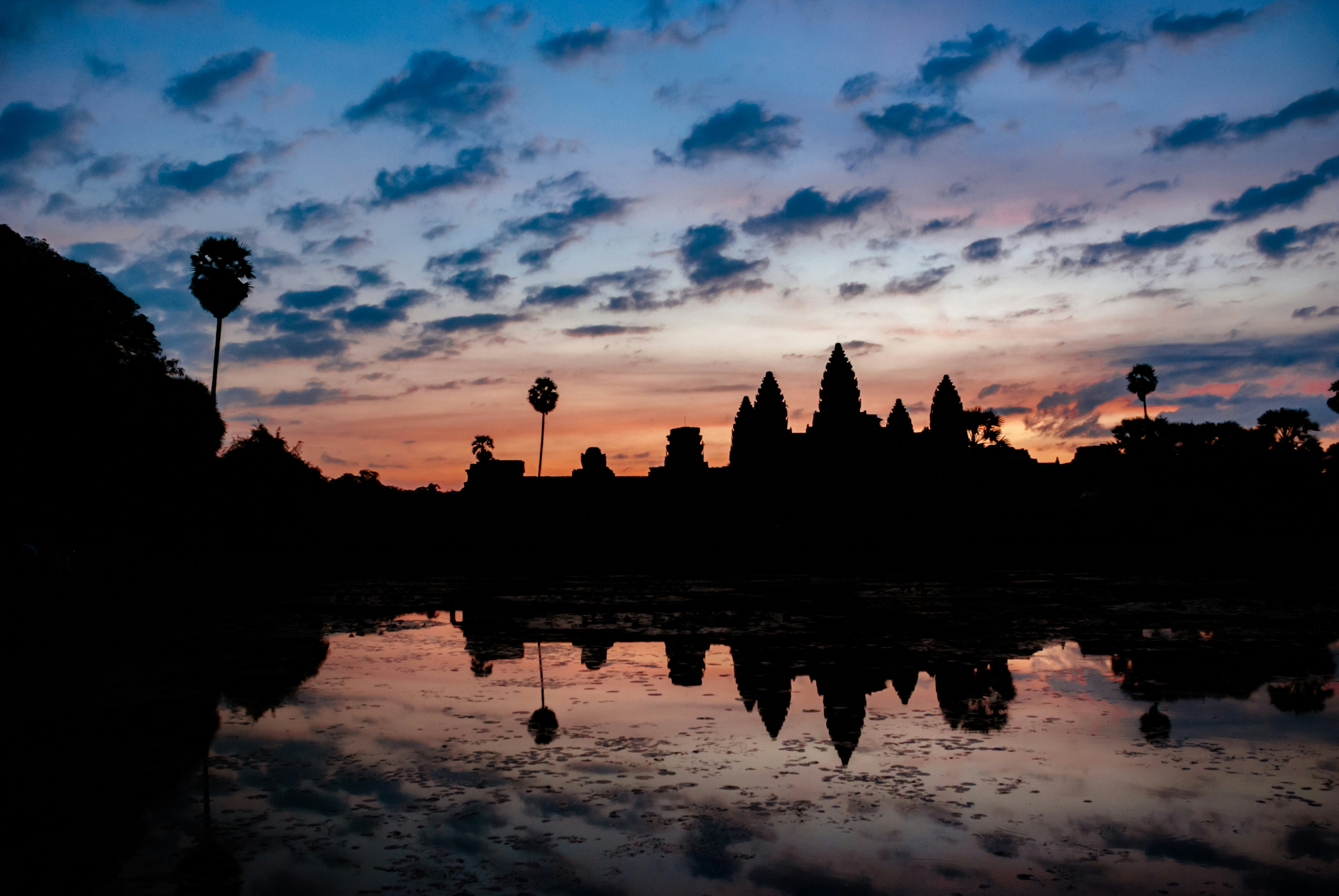
When visiting major religious sites like Angkor Wat, Bayon, Ta Prohm, or local pagodas across Phnom Penh, Siem Reap, and Battambang, dress codes are taken seriously. That means:
- Tops that cover shoulders and chest (no spaghetti straps or low-cut shirts).
- Trousers or skirts that cover the knees.
- Avoid tight, transparent, or slogan-heavy clothing, especially with religious or political references.
Many temples will deny entry to visitors wearing shorts or sleeveless tops, and security at Angkor Archaeological Park has become stricter over the past decade according to Cambodia’s Ministry of Tourism.
Photography is generally allowed in most temple complexes, but there are key dos and don’ts:
- Do: Ask before photographing people, especially monks or elderly Cambodians.
- Do: Turn off flash in darker shrine areas.
- Don’t: Climb on sacred structures, sit on balustrades, or pose suggestively with Buddha images.
- Don’t: Photograph military installations, border checkpoints, or some government buildings, where restrictions can be enforced.
Typical temple outfits can be purchased at markets near Angkor Wat for about $6–10 USD in 2026 for loose pants and $5–8 USD for light cotton tops, making it easy to adjust your clothing on arrival if you’ve under-packed.
Cambodia Dos and Don’ts: Practical Cultural Tips for Everyday Travel
The most important Cambodia dos and don’ts are simple: do be polite, dress modestly, and remove shoes indoors when asked; don’t touch heads, lose your temper publicly, or disrespect religious items or images.
Here are the most useful Cambodia culture tips translated into everyday scenarios:
Key Dos
- Do remove your shoes and sometimes hats when entering homes and many smaller temples.
- Do use both hands when giving formal gifts, documents, or money to elders or officials.
- Do accept food or drink with a smile; even a small sip shows appreciation.
- Do keep small change (1,000–5,000 riel, roughly $0.25–1.25 in 2026) for street food, moto-taxis, and small purchases.
Key Don’ts
- Don’t raise your voice or show anger; Cambodians value “saving face” and avoiding embarrassment.
- Don’t criticize the monarchy, religion, or recent history broadly in public conversations.
- Don’t step over people sitting on the floor—walk around them instead.
- Don’t hand money directly into a monk’s hand; place it in a donation box instead.
For tipping, travellers often follow the informal guideline of around 5–10% in restaurants if service isn’t already included and $1–2 USD per day for hotel staff in mid-range accommodation, based on travel industry surveys of Southeast Asia hospitality norms in 2025.
A little cultural care goes a long way—locals usually respond warmly when they see visitors making an effort to follow local customs.
Local Phrases, Holidays, and When Cambodia Travel Plans May Be Disrupted
Learning a few Khmer phrases and knowing major Cambodian holidays like Khmer New Year and Pchum Ben helps travellers navigate crowds, schedule temple visits, and communicate respectfully with locals.
The national language is Khmer, and even a few words make a noticeable difference in how warmly you’re received:
- Hello (informal): “Suosdei”
- Formal greeting: “Chum reap suor”
- Thank you: “Arkun” (often spoken as “Aw-kun”)
- Yes (male/female): “Baat/Chaa”
- No: “Ot tay”
Use a simple sampeah gesture with “Chum reap suor” when meeting older people or entering a formal office; “Suosdei” is fine for shops, cafes, and everyday chats.
Cambodia’s calendar includes several major public holidays that can affect opening hours, transport, and crowd levels. According to Cambodia’s Ministry of Tourism and government calendars in 2025, Khmer New Year (Chaul Chnam Thmey) is celebrated over three days around mid‑April, while Pchum Ben, the Ancestors’ Day festival, typically falls in September or October, depending on the lunar calendar. During these periods, bus tickets and flights can sell out several days in advance, and some family-run businesses may close temporarily.
Travellers should also note Royal Ploughing Ceremony (Bon Chaul Chnam Chbar) and various royal birthdays and memorial days, which can bring ceremonial parades and temporary traffic disruptions in Phnom Penh.
To navigate holiday crowds, book intercity buses or domestic flights at least 5–7 days ahead during peak festivals, and expect popular sites like Angkor Wat to be busier than usual in the early mornings and at sunset.
Business Etiquette, Gift-Giving Customs, and Staying Connected in Cambodia
Cambodia’s business etiquette favors formality, respect for hierarchy, and relationship-building, with polite greetings, small thoughtful gifts, and reliable connectivity all helping travellers make a good impression and stay organized.
For meetings in Phnom Penh’s growing business districts and cities like Siem Reap or Sihanoukville, business attire is modest and neat: lightweight long-sleeved shirts, trousers or knee-length skirts, and closed shoes. Arrive on time, even if the meeting starts a little late, and begin with a sampeah or a light handshake, depending on what your host initiates.
Business cards remain common; present and receive them with both hands, taking a brief moment to look at the card before putting it away respectfully. Aggressive negotiation styles are generally discouraged—Cambodia customs prioritize harmony, and decisions may be made collectively rather than on the spot.
Gift-giving is usually modest but appreciated. Suitable gifts include good-quality coffee or tea, local specialties from your home country, or stationery and books. Avoid overly expensive gifts, and steer clear of alcohol if you’re unsure of your counterpart’s preferences. Small gifts for hosts or newly made friends can range from $5–20 USD in 2026, depending on context.
For travellers managing meetings, receipts, and shared costs, Hello’s eSIM plans for Cambodia let you arrive with data already active, while the app’s expense splitting and AI receipt scanning keep track of business meals (often $8–15 per person at mid-range restaurants in 2026), taxis, and accommodation with automatic currency conversion.
Common Questions About Cambodia Culture, Etiquette, and Customs
Most common questions about Cambodia culture boil down to how to dress, how to greet, how to behave at temples, and whether tipping and bargaining are acceptable, all of which follow simple, respectful customs that are easy for visitors to learn.
Q: Is it okay to wear shorts and tank tops in Cambodia?
A: In touristy areas and beaches, yes—but not at temples or formal events. For religious sites, cover shoulders and knees. Lightweight linen or cotton trousers and short‑sleeve shirts work best in Cambodia’s tropical climate.
Q: How should I greet locals?
A: Use a friendly smile and either a light handshake or the sampeah (palms together, slight bow). A simple “Suosdei” is fine for everyday use, while “Chum reap suor” suits more formal or elder interactions.
Q: Do people in Cambodia expect tips?
A: Tipping isn’t mandatory but is increasingly common in urban areas, especially where tourism is strong. Many travellers tip around 5–10% in restaurants if service is good and $1–2 USD for hotel staff.
Q: Is bargaining acceptable in markets?
A: Bargaining is part of the culture in many markets and souvenir stalls, particularly around Angkor Wat and riverside areas. Aim for a friendly negotiation, and remember that a small difference of $1–2 USD can mean more to the vendor than to you.
Q: How can I stay connected and manage travel expenses?
A: An eSIM from Hello for Cambodia lets you activate local data before arrival, while Hello’s budget tracking and multi‑currency expense splitting features help you keep tabs on tuk‑tuk fares (often $1–3 per ride in 2026), temple entry fees, and group meals.
Explore These Destinations
Stay Connected
Book this trip
Compare options on trusted travel sites
Plan activities for this trip
Continue to a reviewed booking partner to check schedules, inclusions, and terms.

Make the most of Cambodia
From eSIM connectivity to expense tracking, Hello is the all-in-one companion that keeps your trip stress-free.
Related Articles
Cambodia Currency & Money Guide: Exchange, Cards, and Tips
Currency exchange, credit card acceptance, ATM tips, tipping culture, and money-saving advice for Cambodia.
25 July 2026
Cambodia Safety Guide: Tips for a Safe Trip
Safety tips, health advisories, emergency contacts, common scams, and travel insurance advice for Cambodia.
16 July 2026
Cambodia Visa & Entry Requirements for Singapore Passport Holders
Visa requirements, passport validity, customs allowances, and entry tips for Singapore citizens travelling to Cambodia.
7 July 2026