Key Takeaways
- ✓The British Virgin Islands are a high‑value, higher‑cost Caribbean destination best suited to travelers who enjoy beaches, sailing, and relaxed island culture.
- ✓As of 2026, most visitors can enter the BVI with relative ease, but visa rules and passport validity requirements vary by nationality, so pre‑trip checks are essential.
- ✓Daily budgets typically range from about US$80–130 for budget travelers to US$300+ for luxury, with clear savings available in shoulder and low seasons.
- ✓Getting around relies on a mix of ferries, taxis, car rentals, and boats; short trips focus on one or two islands, while longer stays allow broader island‑hopping.
- ✓Hello eSIM offers the most convenient way to secure local‑style data in the BVI, with instant activation through the Hello app for seamless connectivity.
- ✓Local cuisine centers on fresh seafood and Caribbean comfort food, with prices higher than major Asian destinations but manageable through smart venue choices.
- ✓The BVI is broadly safe and welcoming in 2026, with low crime in tourist areas, but standard precautions and good travel insurance remain important.
- ✓Using the 3‑, 5‑, and 10‑day itineraries as building blocks lets you quickly design a British Virgin Islands trip tailored to your time, budget, and interests.
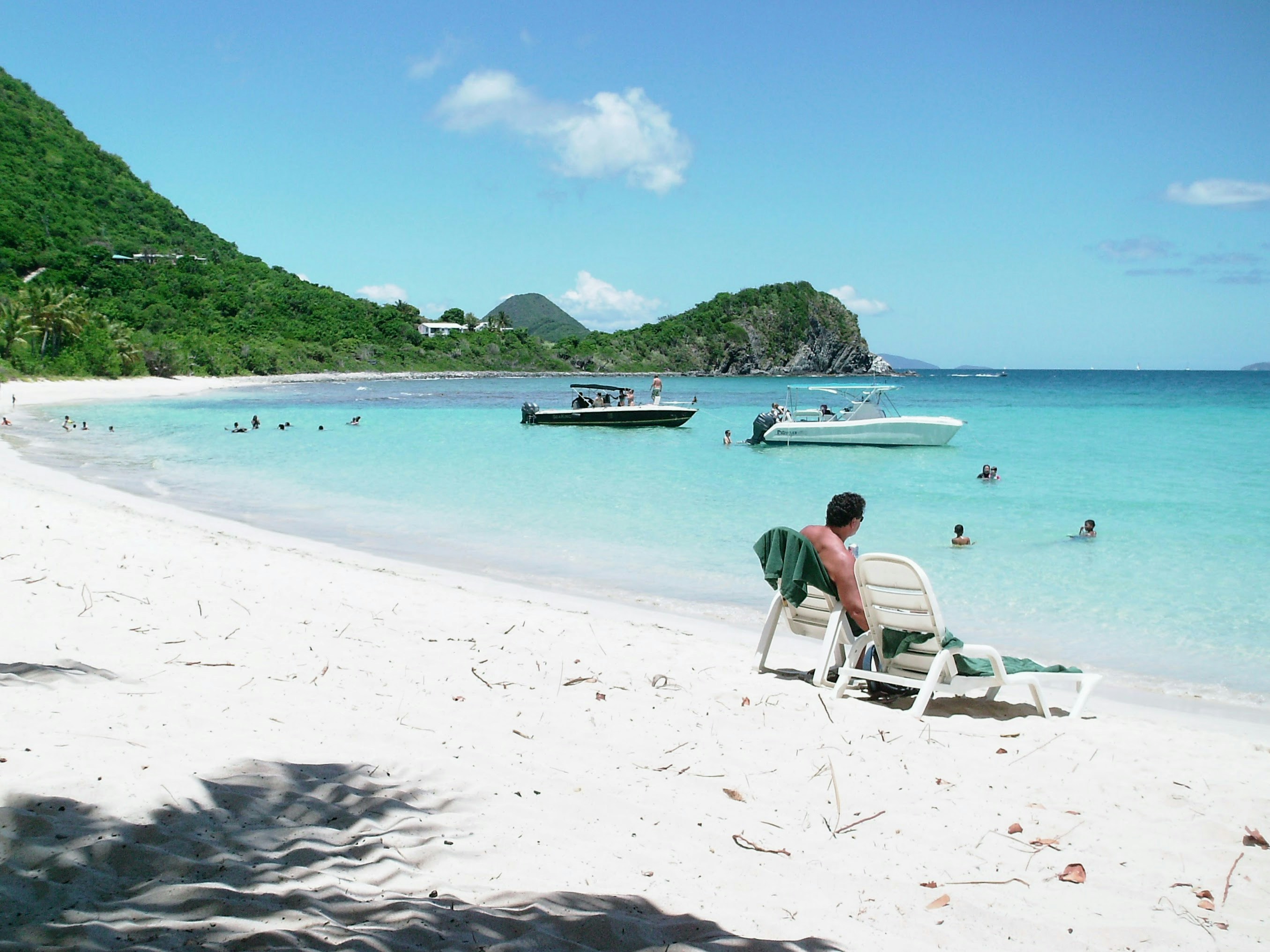
Turquoise waters, sugar-soft sand, and a laid‑back sailing culture make the British Virgin Islands (BVI) one of the Caribbean’s most dreamy escapes. This 2026 British Virgin Islands travel guide pulls everything together in one place: budget, visas, transport, food, connectivity, and itineraries, plus practical tips to help you plan with confidence.
Whether you’re island‑hopping by catamaran, unwinding at a beach resort, or mixing work and play as a digital nomad, we’ll walk you through the essentials: how much to budget per day, who needs a visa, how to get between islands, and how to stay online with Hello eSIM. You’ll also find at‑a‑glance tables comparing seasons, budgets, and trip styles so you can quickly decide what kind of BVI experience fits you best.
Throughout the guide, you’ll see links to more detailed, topic‑specific articles—deep dives on transport, food, safety, money, itineraries, and more—so this pillar can be your hub while the cluster articles handle the finer details. By the end, you’ll have a clear British Virgin Islands trip plan: when to go, where to stay, what to eat, how to get around, and how to keep your costs and connectivity under control. Let’s start planning your visit to the British Virgin Islands.
Why Visit the British Virgin Islands in 2026
The British Virgin Islands combine world‑class sailing, postcard‑perfect beaches, and a relaxed Caribbean culture, making them ideal for both first‑time visitors and seasoned island‑hoppers in 2026.
Think of the BVI as your personal playground of islands: Tortola for local flavor and practical bases, Virgin Gorda for dramatic rock formations and romantic resorts, Jost Van Dyke for barefoot beach bars, and Anegada for remote kite‑surfing and lobster feasts. Unlike larger Caribbean destinations like Thailand or Japan, the BVI feels small‑scale and intimate—distances are short, pace is slow, and the vibe is more yacht moorings than mega‑resorts.
What draws travelers back year after year is the combination of calm, clear waters and protected anchorages, making the BVI one of the easiest places in the world to learn or enjoy sailing. But you absolutely don’t need a boat to enjoy it: day trips, water taxis, and organized excursions make island‑hopping straightforward even for non‑sailors. Add in consistently warm weather, friendly English‑speaking locals, and a cuisine that blends Caribbean comfort food with fresh seafood, and you’ve got a destination that’s both adventurous and relaxing.
This guide is designed as your high‑level trip planner. For detailed logistics, budgets, and safety tips, you’ll find links throughout to deep‑dive articles such as the British Virgin Islands Travel Budget Guide, Getting Around British Virgin Islands: Transport Guide for Travellers, and the British Virgin Islands Safety Guide: Tips for a Safe Trip. Use this pillar page to sketch your ideal BVI trip, then click into those cluster articles for day‑by‑day details and on‑the‑ground advice.
British Virgin Islands Travel Budget Guide: Daily Costs and Money Tips
Getting AroundGetting Around British Virgin Islands: Transport Guide for Travellers
Safety & HealthBritish Virgin Islands Safety Guide: Tips for a Safe Trip
Cultural GuideBritish Virgin Islands Cultural Guide: Etiquette, Customs, and Tips
Best Time to Visit the British Virgin Islands
The best time to visit the British Virgin Islands is typically December to April, when trade winds are steady, humidity is lower, and the islands are at their most comfortable—though each season offers its own perks.
As of 2026, BVI’s climate remains reliably warm year‑round, with average daytime highs around 28–31°C (82–88°F). Rather than four distinct seasons, you’ll experience a dry, busier season and a wetter, quieter season. Your ideal time to visit depends on whether you value calm weather and events, or lower prices and fewer crowds.
Here’s an at‑a‑glance comparison to help you decide:
| Season (approx.) | Weather & Sea | Crowds | Price Level | Best For |
|---|---|---|---|---|
| Dec–Apr (High) | Dry, breezy, pleasant | High | $$$ | Sailing, first‑timers, festive trips |
| May–Jun (Shoulder) | Warm, mostly dry | Moderate | $$ | Balanced value, families |
| Jul–Nov (Low) | Hotter, more rain, hurricane risk peaks Aug–Oct | Low | $ | Budget trips, flexible travelers |
If you’re following one of the suggested itineraries—like the 3 Days in British Virgin Islands or British Virgin Islands in 10 Days: The Ultimate Travel Itinerary—aim to travel in shoulder or high season for the best chance of calm seas and clear visibility on snorkeling days. However, budget‑minded travelers can save substantially by visiting in the low season, provided they stay flexible and keep an eye on storm forecasts.
For more context on how seasonal changes affect daily costs, see the British Virgin Islands Travel Budget Guide, which breaks down price differences by month and travel style.
Budget Overview: How Much to Spend in the BVI
The British Virgin Islands are a relatively high‑cost Caribbean destination, but with smart planning you can tailor a 2026 trip to fit budget, mid‑range, or luxury spending levels.
As of 2026, most travelers will find the BVI more expensive than regional backpacker favorites like Thailand, but broadly comparable to upscale island destinations. The British Virgin Islands Travel Budget Guide provides detailed daily cost breakdowns; here’s a simplified overview to help you choose your bracket:
| Traveler Type | Approx. Daily Budget (per person, excl. flights) | Accommodation | Food | Activities |
|---|---|---|---|---|
| Budget | US$80–130 | Guesthouses, budget hotels, shared charters | Local eateries, food trucks | Free beaches, limited paid tours |
| Mid‑range | US$150–250 | Boutique hotels, mid‑range resorts | Mix of local + sit‑down restaurants | Regular boat trips, excursions |
| Luxury | US$300+ | High‑end resorts, private villas, crewed yachts | Upscale dining | Private charters, spa, premium tours |
To keep costs under control, prioritize shoulder‑season travel, book accommodation early, and mix free experiences (beaches, hiking, snorkelling from shore) with a handful of splurge‑worthy boat days. The British Virgin Islands Currency & Money Guide explains how to handle US dollars (the BVI’s primary currency), use ATMs, and pay by card without incurring unnecessary fees.
If you’re traveling with friends, using the Hello app’s expense splitting and budget tracking is a simple way to stay on top of shared costs like villa rentals, car hires, and boat charters. Combine this pillar’s overview with the in‑depth tips in the Currency & Money Guide to build a realistic budget before you book.
Visa & Entry Requirements: Who Can Visit the BVI
Most visitors experience straightforward entry into the British Virgin Islands in 2026, but visa rules and passport validity requirements vary by nationality—so always check before you fly.
The BVI is a British Overseas Territory with its own immigration regulations. Many nationalities receive visa‑free entry for short tourist stays, typically ranging from 30 to 180 days, provided they hold a valid passport, proof of onward travel, and sufficient funds. However, rules differ depending on your country of citizenship and may change, so it’s vital to consult official sources or your local consulate before traveling.
For Singapore citizens, the British Virgin Islands Visa & Entry Requirements for Singapore Passport Holders offers a dedicated breakdown of current visa‑free durations, documents to carry, and what to expect at immigration. Even if you’re not from Singapore, the structure of that guide is a helpful reference for understanding what officers typically look for when you arrive.
In general, plan for:
- A passport valid for at least 6 months beyond your stay (a common requirement as of 2026)
- Onward or return flight proof
- Accommodation details (hotel, villa, or yacht charter)
- Evidence of sufficient funds or a clear travel budget
If you’re arriving by yacht rather than a commercial flight, there are additional customs and immigration procedures when clearing in at designated ports. These are outlined in more detail in the visa & entry cluster article and are important to understand if you’re chartering a vessel.
For a safer trip, pair visa planning with the British Virgin Islands Safety Guide: Tips for a Safe Trip, which covers travel insurance recommendations and health advisories that can affect entry.
Getting Around: Transport & Island-Hopping in the BVI
Getting around the British Virgin Islands in 2026 is all about combining ferries, taxis, rental cars, and boats to match your itinerary and comfort level.
The BVI is a cluster of islands linked by reliable scheduled ferries and water taxis, with most visitors entering via Terrance B. Lettsome International Airport on Beef Island (connected to Tortola) or via ferry from nearby hubs like St. Thomas (USVI). Once in the territory, you’ll choose between public transport, taxis, rental cars, and private or shared boats.
The Getting Around British Virgin Islands: Transport Guide for Travellers breaks down each option in detail, including airport transfers, taxi fare norms, driving tips, and inter‑island ferry routes. Use it together with this high‑level decision framework:
- Short stay (3–5 days), mostly on Tortola or Virgin Gorda: rely on taxis, hotel transfers, and organized excursions. You can follow the 3 Days in British Virgin Islands or British Virgin Islands in 5 Days: The Perfect Extended Itinerary for sample patterns.
- Longer itinerary (7–10+ days): consider renting a car on your base island for flexibility, then use ferries or boat trips for day‑visits to neighboring islands. The British Virgin Islands in 10 Days: The Ultimate Travel Itinerary showcases how to string multiple islands together.
- Sailing‑focused trip: your yacht or catamaran becomes your primary transport, with dinghies for shore access. Still, you’ll occasionally use taxis and local ferries.
Driving is on the left‑hand side, and roads can be steep and winding. For up‑to‑date road safety insights, review the British Virgin Islands Safety Guide before deciding whether to drive or rely on drivers and organized tours.
Getting Around British Virgin Islands: Transport Guide for Travellers
Itineraries3 Days in British Virgin Islands: A Day-by-Day Itinerary
ItinerariesBritish Virgin Islands in 5 Days: The Perfect Extended Itinerary
ItinerariesBritish Virgin Islands in 10 Days: The Ultimate Travel Itinerary
Safety & HealthBritish Virgin Islands Safety Guide: Tips for a Safe Trip
Food & Dining: What to Eat in the British Virgin Islands
British Virgin Islands cuisine in 2026 is a delicious blend of Caribbean comfort food, fresh seafood, and casual beach bar culture—perfect for both adventurous eaters and those who prefer familiar flavors.
The British Virgin Islands Food Guide: Must-Try Dishes, Prices, and Tips offers a full overview of local dishes and restaurant types, but at a high level you can expect:
- Fresh seafood: grilled fish, conch, and the famous Anegada lobster during the right season
- Caribbean staples: rice and peas, fried plantains, stewed meats, roti, and patties
- Beach bar favorites: burgers, fish tacos, and bar snacks to pair with rum punches
Prices reflect the islands’ remote, import‑heavy economy. A casual local meal might run US$15–25 per person in 2026, while a main at a sit‑down restaurant is often US$25–40+. That said, you can balance your budget by mixing street food and take‑away with occasional splurge dinners in scenic locations.
Use this simple approach:
- Budget travelers: focus on local eateries, food trucks, and self‑catering where possible.
- Mid‑range: mix beach bars and nicer restaurants, maybe one or two destination dinners.
- Luxury: lean into fine dining, resort restaurants, and seafood feasts, particularly on islands like Virgin Gorda.
If you have dietary restrictions, the food guide explains where to find vegetarian, vegan, and gluten‑friendly options, and offers tips for communicating needs clearly. Combine those insights with the British Virgin Islands Cultural Guide to understand local etiquette around tipping, pacing, and reservations—especially important at small, family‑run spots.
Top Experiences & Sample Itineraries
The British Virgin Islands shine when you combine beach time, sailing, snorkeling, and laid‑back exploring—short trips and longer stays both work beautifully in 2026.
At a glance, top experiences include:
- Sailing around iconic spots like The Baths on Virgin Gorda
- Beach‑hopping on Tortola and Jost Van Dyke
- Snorkeling coral reefs and calm bays
- Enjoying sunset cocktails at waterfront bars
- Exploring small towns and hilltop viewpoints
To turn those experiences into a structured holiday, use the BVI’s cluster itineraries as building blocks:
- The 3 Days in British Virgin Islands itinerary is ideal for cruise‑style short breaks or long weekends, focusing on highlights near your base island.
- The British Virgin Islands in 5 Days: The Perfect Extended Itinerary adds extra islands and slower days, balancing activity with relaxation.
- The British Virgin Islands in 10 Days: The Ultimate Travel Itinerary is your blueprint for a comprehensive island‑hopping adventure.
Use this simple decision tree:
- If you have 3–4 days: pick one base island (often Tortola or Virgin Gorda), add one organized boat day, and one dedicated beach day.
- If you have 5–7 days: plan two base islands plus multiple boat trips for snorkeling and neighboring cays.
- If you have 8–10+ days: consider a mix of land bases and a short sailing charter, or move slowly across several islands.
Layer these itineraries with your own interests—food, photography, wellness, or adventure—to create a custom trip. For each day, check transport logistics in the British Virgin Islands Transport Guide and budget suggestions in the Travel Budget Guide.
3 Days in British Virgin Islands: A Day-by-Day Itinerary
ItinerariesBritish Virgin Islands in 5 Days: The Perfect Extended Itinerary
ItinerariesBritish Virgin Islands in 10 Days: The Ultimate Travel Itinerary
Getting AroundGetting Around British Virgin Islands: Transport Guide for Travellers
Budget PlanningBritish Virgin Islands Travel Budget Guide: Daily Costs and Money Tips
eSIM & Connectivity: Staying Online with Hello in 2026
Staying connected in the British Virgin Islands in 2026 is easy with Hello eSIM, which offers instant activation, local‑style data, and no need to hunt for physical SIM cards on arrival.
Mobile data in the BVI can be expensive for short‑term visitors, particularly if you rely on traditional roaming from your home provider. Hello eSIM streamlines the process by letting you purchase and activate a local‑style data plan for the BVI (and wider Caribbean) directly in the Hello app on iOS or Android, before or after you land. This is especially useful if you’re moving between islands and want stable navigation, messaging, and social media access.
The dedicated eSIM for British Virgin Islands: Best Plans, Coverage, and Setup Tips explains:
- How Hello eSIM works step‑by‑step
- Typical data packages and validity periods as of 2026
- Coverage expectations across major islands and popular anchorages
- How to avoid bill shock by disabling expensive home‑network roaming
Here’s how to integrate connectivity into your trip planning:
- Before departure: install the Hello app, choose a BVI or regional data plan, and set up your eSIM profile.
- On arrival: switch to Hello eSIM as your primary data line, keeping your home number active for calls if needed.
- During your trip: monitor data usage and top‑up within the app if you extend your stay or use more navigation/video than expected.
Because Hello also offers expense tracking and trip planning, you can keep all your core travel logistics—budgets, split bills, and connectivity—inside a single app. For more technical details and coverage maps, consult the full BVI eSIM guide before you travel.
Culture, Safety & Practical Tips
The British Virgin Islands are generally welcoming and safe in 2026, but understanding local culture, etiquette, and basic precautions will make your trip smoother and more respectful.
The British Virgin Islands Cultural Guide: Etiquette, Customs, and Tips outlines key norms: greetings are warm but polite, modest beachwear is appreciated away from the shore, and a relaxed sense of time means things may not run to the minute. As in many Caribbean societies, locals value friendliness and respect—simple courtesies like saying “good morning” or “good afternoon” when entering shops go a long way.
On the safety side, the British Virgin Islands Safety Guide: Tips for a Safe Trip covers health advisories, emergency numbers, and common‑sense precautions. Crime against tourists is generally low, but you should still:
- Avoid leaving valuables unattended on beaches or in unlocked vehicles
- Use hotel safes for passports and spare cards
- Be cautious if walking along unlit roads at night
For health, standard Caribbean advice applies in 2026: stay hydrated, protect yourself from sun exposure, and consider travel insurance that covers sailing, snorkeling, and other water activities. Mosquito‑borne illnesses may be present periodically, so bring repellent and check any current advisories before departure.
Practical tips to remember:
- Currency: US dollars are widely used; the Currency & Money Guide explains ATMs and card acceptance.
- Power: voltage and plug types can vary depending on your accommodation—confirm before packing electronics.
- Language: English is the main language, making communication straightforward.
Pair these cultural and safety insights with transport and budget guides to form a complete picture of daily life in the BVI.
Before You Go: BVI Trip Checklist for 2026
A simple pre‑departure checklist helps ensure your 2026 British Virgin Islands trip runs smoothly, from visas and money to connectivity and day‑to‑day logistics.
Use this high‑level checklist alongside the detailed cluster guides:
Documents & Entry
- Confirm if you need a visa; check rules for your nationality and read the Visa & Entry Requirements guide for Singapore passport holders as a template.
- Ensure your passport is valid for at least 6 months beyond your trip.
- Print or save copies of flight confirmations, accommodation bookings, and any yacht charter details.
Money & Budget
- Decide on a daily budget category (budget, mid‑range, or luxury) using the Travel Budget Guide.
- Inform your bank about international travel; bring at least two cards.
- Review the Currency & Money Guide for cash vs. card strategies.
Connectivity & Apps
- Install the Hello app on iOS or Android.
- Purchase and set up your Hello eSIM plan using the BVI eSIM guide.
- Create a trip in Hello to track expenses and share plans with travel companions.
Health & Safety
- Read the Safety Guide and confirm any recommended vaccinations or precautions.
- Buy travel insurance that covers sailing and water sports.
- Pack sunscreen, insect repellent, and any personal medications.
Itinerary & Transport
- Choose a core itinerary (3‑, 5‑, or 10‑day) from the BVI itinerary articles.
- Check the Transport Guide for airport transfers and ferry schedules.
Completing this checklist before you depart will significantly reduce on‑the‑ground stress and help you focus on enjoying the islands.
British Virgin Islands Visa & Entry Requirements for Singapore Passport Holders
Budget PlanningBritish Virgin Islands Travel Budget Guide: Daily Costs and Money Tips
Currency & MoneyBritish Virgin Islands Currency & Money Guide: Exchange, Cards, and Tips
eSIM & ConnectivityeSIM for British Virgin Islands: Best Plans, Coverage, and Setup Tips
Safety & HealthBritish Virgin Islands Safety Guide: Tips for a Safe Trip
Getting AroundGetting Around British Virgin Islands: Transport Guide for Travellers
Itineraries3 Days in British Virgin Islands: A Day-by-Day Itinerary
ItinerariesBritish Virgin Islands in 5 Days: The Perfect Extended Itinerary
ItinerariesBritish Virgin Islands in 10 Days: The Ultimate Travel Itinerary
Frequently Asked Questions
Is the British Virgin Islands expensive to visit in 2026?
Compared with many Caribbean islands and destinations like Thailand, the British Virgin Islands are on the pricier side in 2026 due to import costs and a strong focus on sailing and resort travel. The British Virgin Islands Travel Budget Guide estimates roughly US$80–130 per day for budget travelers, US$150–250 for mid‑range, and US$300+ for luxury, excluding flights. You can reduce costs by traveling in shoulder or low season, using local eateries, and mixing free beach days with a few key boat excursions.
Do I need a visa to visit the British Virgin Islands?
Visa requirements depend on your nationality, length of stay, and whether you arrive by plane or yacht. Many travelers enjoy visa‑free entry for short tourism visits, but rules can change. As of 2026, Singapore passport holders have specific guidelines detailed in the British Virgin Islands Visa & Entry Requirements for Singapore Passport Holders. Use that structure as a reference, then confirm current rules via official government sources or your nearest consulate before booking.
What’s the best way to get around the British Virgin Islands?
Most visitors combine ferries, taxis, and occasional car rentals to move between islands and explore locally. Short stays usually focus on one or two base islands with organized excursions, while longer trips may add rental cars and more independent island‑hopping. If you’re sailing, your boat becomes your main transport. The Getting Around British Virgin Islands: Transport Guide for Travellers explains airport transfers, ferry routes, driving norms, and costs so you can choose the right mix for your itinerary.
How can I stay connected with mobile data in the BVI?
The easiest way to stay online in 2026 is to use Hello eSIM, which provides local‑style data plans for the British Virgin Islands with instant activation via the Hello app. You install the app on iOS or Android, purchase a BVI‑compatible data package, and switch to Hello eSIM on arrival for navigation, messaging, and social media. The eSIM for British Virgin Islands: Best Plans, Coverage, and Setup Tips walks through activation steps, typical data allowances, and coverage expectations across major islands.
Is the British Virgin Islands safe for solo travelers?
The British Virgin Islands are generally considered safe for solo travelers in 2026, with relatively low crime rates in tourist areas and a friendly local culture. That said, standard precautions still apply: avoid isolated areas late at night, secure valuables, and stay aware of road and water safety. The British Virgin Islands Safety Guide: Tips for a Safe Trip details common scams, emergency contacts, and insurance recommendations, making it an essential read for solo and group travelers alike.
What are must-try foods in the British Virgin Islands?
Popular BVI dishes include fresh grilled fish, conch fritters, roti, rice and peas, fried plantains, and, when available, Anegada lobster. You’ll also find plenty of casual beach‑bar fare like fish tacos and burgers. Prices are higher than in destinations such as Thailand, but you can manage your budget by mixing local spots with occasional splurge dinners. The British Virgin Islands Food Guide: Must-Try Dishes, Prices, and Tips covers must‑try dishes, typical costs, and options for different dietary needs.
How many days do I need in the British Virgin Islands?
For a relaxed taste of the BVI, 3–5 days are enough to explore a primary base island and enjoy at least one boat day. For comprehensive island‑hopping and deeper cultural experiences, plan 7–10+ days. Use the 3 Days in British Virgin Islands, British Virgin Islands in 5 Days: The Perfect Extended Itinerary, and British Virgin Islands in 10 Days: The Ultimate Travel Itinerary as templates, then adjust based on your budget, interests, and travel pace.
eSIM Plans for British Virgin Islands
Detailed Articles
Dive deeper into specific topics covered in this guide.
British Virgin Islands Travel Budget Guide: Daily Costs and Money Tips
How much does it cost to travel in British Virgin Islands? Daily budget breakdowns for budget, mid-range, and luxury travellers.
22 February 2026
Getting Around British Virgin Islands: Transport Guide for Travellers
Airport transfers, public transport, ride-hailing apps, inter-city travel, and driving tips for British Virgin Islands.
22 May 2026
British Virgin Islands Safety Guide: Tips for a Safe Trip
Safety tips, health advisories, emergency contacts, common scams, and travel insurance advice for British Virgin Islands.
16 July 2026
British Virgin Islands Cultural Guide: Etiquette, Customs, and Tips
Essential do's and don'ts, greeting customs, dress codes, local phrases, and cultural tips for British Virgin Islands.
31 May 2026
3 Days in British Virgin Islands: A Day-by-Day Itinerary
A detailed 3-day itinerary for British Virgin Islands with daily activities, costs, neighborhoods, and transport tips.
9 June 2026
British Virgin Islands in 10 Days: The Ultimate Travel Itinerary
A comprehensive 10-day itinerary for British Virgin Islands covering top attractions, hidden gems, daily costs, and transport between cities.
18 June 2026
British Virgin Islands Currency & Money Guide: Exchange, Cards, and Tips
Currency exchange, credit card acceptance, ATM tips, tipping culture, and money-saving advice for British Virgin Islands.
24 July 2026
British Virgin Islands Visa & Entry Requirements for Singapore Passport Holders
Visa requirements, passport validity, customs allowances, and entry tips for Singapore citizens travelling to British Virgin Islands.
7 July 2026
More Travel Guides
Destination Guide
Complete Bosnia and Herzegovina Travel Guide 2026
Everything you need to know about travelling to Bosnia and Herzegovina — budget, visa, food, transport, eSIM connectivity, and itineraries.
Destination Guide
Complete Bahamas Travel Guide 2026
Everything you need to know about travelling to Bahamas — budget, visa, food, transport, eSIM connectivity, and itineraries.
Destination Guide
Complete Bahrain Travel Guide 2026
Everything you need to know about travelling to Bahrain — budget, visa, food, transport, eSIM connectivity, and itineraries.
Destination Guide
Complete Sint Eustatius Travel Guide 2026
Everything you need to know about travelling to Sint Eustatius — budget, visa, food, transport, eSIM connectivity, and itineraries.