British Virgin Islands Safety Guide: Tips for a Safe Trip
Safety tips, health advisories, emergency contacts, common scams, and travel insurance advice for British Virgin Islands.
By Hello Travel Team
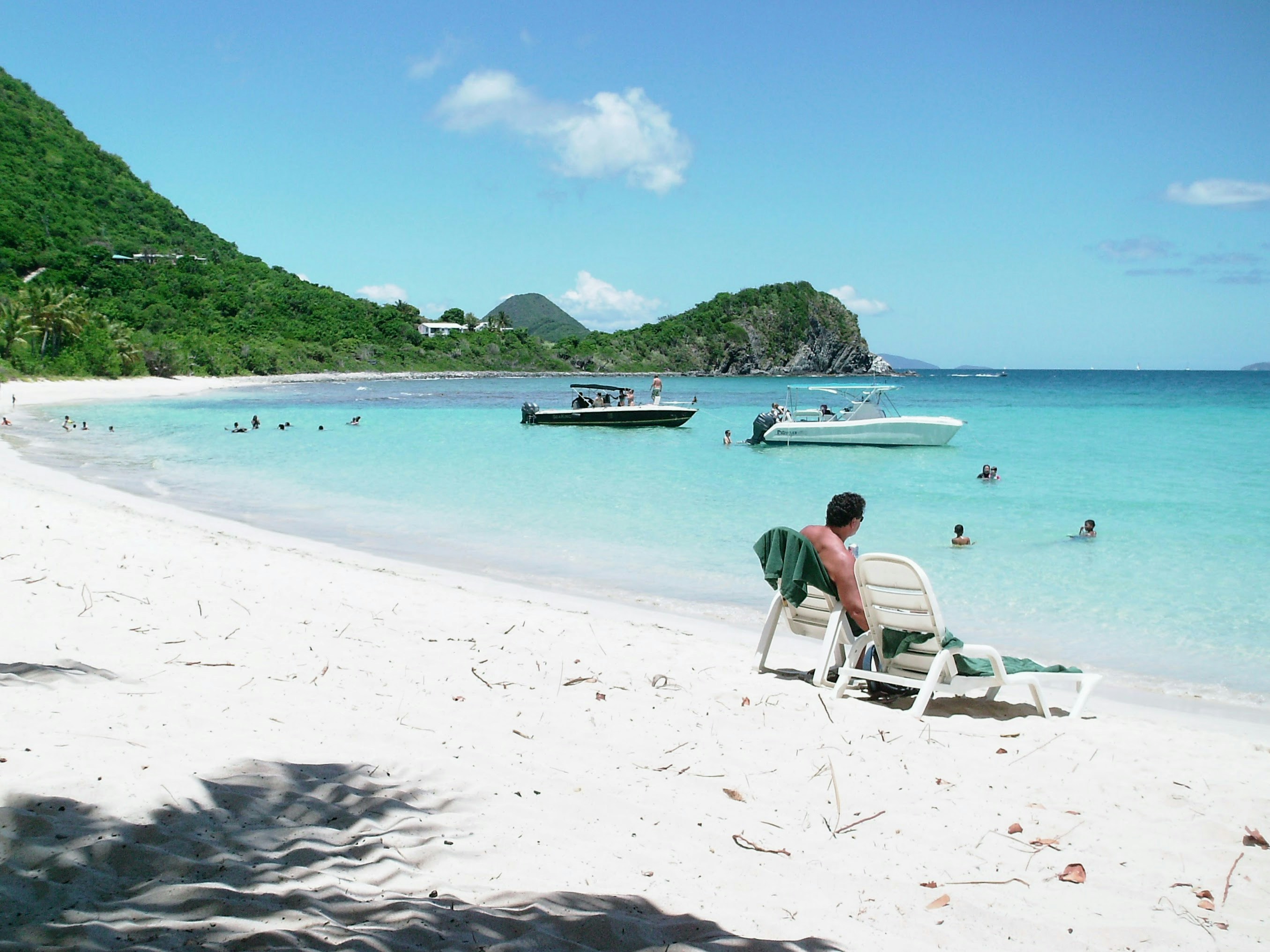
TL;DR: Is British Virgin Islands Safe for Travellers?
Yes, the British Virgin Islands are generally safe for visitors, especially if you use normal island common sense around beaches, boats, marinas, and nightlife. The main risks are petty theft, occasional scams, and water or weather-related hazards, not widespread violent crime, and official travel advisories for the territory are typically at the lowest caution level.
British Virgin Islands Travel Safety: What to Expect on the Ground
British Virgin Islands travel safety is good overall, but the islands reward travellers who stay organised and alert. Most trips are trouble-free, and safety issues are usually practical rather than dramatic: unattended bags at beaches, valuables left on boats, missed ferries, or late-night wandering in poorly lit areas.
A useful way to think about the BVI is that it feels relaxed, but not frictionless. Road Town, Spanish Town, major marinas, and resort areas are generally the safest places to base yourself, while isolated beaches and less busy nightlife spots deserve more caution after dark. If you’re sailing between islands, lock away passports, cash, and electronics, and double-check ferry or water-taxi schedules before you move—inter-island delays are a real inconvenience here.
For connectivity, an eSIM from Hello can be useful before arrival because you can activate data in advance and avoid hunting for Wi‑Fi at the airport or marina. If you want to stay connected while checking ferry times, maps, and weather alerts, Hello eSIM for the British Virgin Islands is the easiest option.
British Virgin Islands Scams and How to Avoid Them
Most British Virgin Islands scams are low-level and avoidable if you verify details before paying. The most common problems reported by travel safety sources are opportunistic theft, vague “special deals,” unlicensed transport, and overcharging on services aimed at visitors.
| Common issue | What it looks like | How to avoid it |
|---|---|---|
| Beach or boat theft | Bags, phones, and wallets disappear when left unattended | Keep valuables with you, use waterproof pouches, and don’t leave items on the sand or deck. |
| Taxi or tour overcharging | Driver gives a price much higher than expected | Use licensed operators, confirm the fare before departure, and ask your hotel or host for a typical rate. |
| Unreliable ferry advice | Someone claims a boat is “leaving now” or offers a shortcut | Verify times directly with your operator and build in extra time between islands. |
| Beach and marina opportunists | “Helpful” strangers offer to watch bags or arrange a deal | Politely decline unsolicited help and keep cash split between places. |
A practical example: if a beach vendor offers a last-minute charter at a “too good to be true” rate, the safest move is to compare it with your hotel’s recommended operator, ask about insurance, and pay only after the route and return time are clear. Keep receipts and use Hello’s budget tracking if you’re travelling with friends—it makes it easier to spot suspicious charges before they snowball.
British Virgin Islands Emergency Numbers, Hospitals, and Embassy Help
In an emergency, dial 911 in the British Virgin Islands for police, fire, or ambulance assistance. UK government travel advice also notes that emergency services can be reached at 911, and travel-safety guidance cites marine rescue support through VISAR for sea incidents.
Here’s the most useful quick-reference table for travellers:
| Situation | Number / contact |
|---|---|
| Police, ambulance, fire | 911 |
| Marine emergency / sea rescue | VISAR (Virgin Islands Search and Rescue) |
| Lost passport or emergency consular help for Singaporeans | Singapore’s nearest mission is not in the BVI; travellers should contact the High Commission of Singapore in London for consular guidance, or the Ministry of Foreign Affairs emergency hotline if travelling on a Singapore passport. |
Singapore does not maintain an embassy or consulate in the British Virgin Islands, so Singaporean travellers should plan to contact the nearest Singapore mission outside the Caribbean if they need formal consular support. In practical terms, that means carrying digital copies of your passport, keeping your accommodation details handy, and saving your insurer’s emergency line before you depart. UK guidance also stresses that a lost passport cannot be replaced locally in the BVI, so travellers should treat passport security as a top priority.
Health Advisories, Vaccinations, Water Safety, and Weather Risks in the BVI
Health risks in the BVI are usually manageable, but good preparation matters because medical resources are limited compared with larger destinations. Canadian travel advice recommends routine travel health precautions, including hepatitis B vaccination for all travellers, mosquito bite prevention, and extra care around animal exposure and water activities.
Before you go, check that your routine vaccines are current and ask a travel clinic whether additional protection makes sense based on your itinerary. Many travellers also discuss hepatitis A, typhoid, and rabies precautions with a clinician depending on length of stay, island hopping, and outdoor activities. For the trip itself, pack insect repellent, sunscreen, a basic first-aid kit, and any prescription medications in carry-on luggage.
Water safety deserves special attention. Coastal waters can be dangerous, particularly if you are drinking alcohol, swimming far from shore, or mixing swimming with boat traffic and jet skis. If you are unsure about a beach, ask locals or your hotel before entering the water, and avoid isolated swims without a buddy. Weather is another factor: from June through November, hurricane season can disrupt ferries, flights, and outdoor plans, so keep an eye on official weather updates and leave room in your itinerary.
Solo Female Traveller Safety, LGBTQ+ Travel, and Respectful Island Etiquette
Solo female travellers and LGBTQ+ visitors are generally comfortable in the BVI, especially in resort areas, but discretion and situational awareness still help. Travel safety sources describe the BVI as low risk for women overall, with occasional harassment more likely around nightlife hubs than in daytime tourist settings.
For solo female travellers, the best habits are simple: use licensed taxis, avoid isolated beaches after dark, keep your drinks in sight, and share your live location with someone you trust. If you’re staying on smaller islands or moving between marinas, book transport in advance rather than improvising late at night.
For LGBTQ+ travellers, same-sex sexual activity is legal in the BVI, and resorts are generally welcoming, but public attitudes can be more conservative outside the main tourist zones. A low-key approach to public displays of affection is the safest choice if you want to avoid unwanted attention.
A few etiquette tips also improve safety: don’t carry large amounts of cash, don’t flash expensive jewellery, and avoid leaving bags unattended on the beach. If you’re travelling with a group, Hello’s expense splitting and multi-currency budget tracking can be handy for keeping marina fees, taxis, and meals organised without awkward calculations.
Common Questions About British Virgin Islands Travel Safety
The BVI is safe for most travellers, but the smartest trips are the ones that plan for theft, transport, and sea conditions in advance. If you are wondering whether the British Virgin Islands are safe, the short answer is yes—provided you treat beaches, boats, and after-dark movement with normal caution.
Is British Virgin Islands safe for first-time visitors? Yes. First-time visitors usually do fine if they book reputable accommodation, avoid carrying unnecessary valuables, and confirm ferry or charter times before moving between islands.
What are the biggest British Virgin Islands scams? The most common issues are opportunistic theft, unlicensed transport, and inflated prices for last-minute services or “special” tours aimed at tourists.
Do I need travel insurance for the BVI? Yes. The U.S. State Department specifically recommends buying travel insurance before travel, and many advisories advise coverage that includes medical care, evacuation, and trip cancellation because local medical options are limited.
What should I do if I need urgent help? Call 911 for police, ambulance, or fire, and contact VISAR for marine emergencies.
If you want reliable mobile data for maps, ferries, weather, and emergency calls, set up a Hello eSIM before you leave so you land connected and ready to go.
Explore These Destinations
Stay Connected
🇻🇬 eSIM Plans for British Virgin Islands
Ready for British Virgin Islands?
eSIM data, expense splitting, budget tracking, and more. Everything you need for a smooth trip in one app.
Related Articles
British Virgin Islands Currency & Money Guide: Exchange, Cards, and Tips
Currency exchange, credit card acceptance, ATM tips, tipping culture, and money-saving advice for British Virgin Islands.
24 July 2026
British Virgin Islands Visa & Entry Requirements for Singapore Passport Holders
Visa requirements, passport validity, customs allowances, and entry tips for Singapore citizens travelling to British Virgin Islands.
7 July 2026
eSIM for British Virgin Islands: Best Plans, Coverage, and Setup Tips
Everything you need to know about using eSIM in British Virgin Islands. Best data plans, network coverage, and setup instructions.
28 June 2026