British Virgin Islands Travel Budget Guide: Daily Costs and Money Tips
How much does it cost to travel in British Virgin Islands? Daily budget breakdowns for budget, mid-range, and luxury travellers.
By Hello Travel Team
This article contains affiliate links. If you book through them, Hello may earn a commission at no additional cost to you. Our editorial recommendations are independent. Learn more.
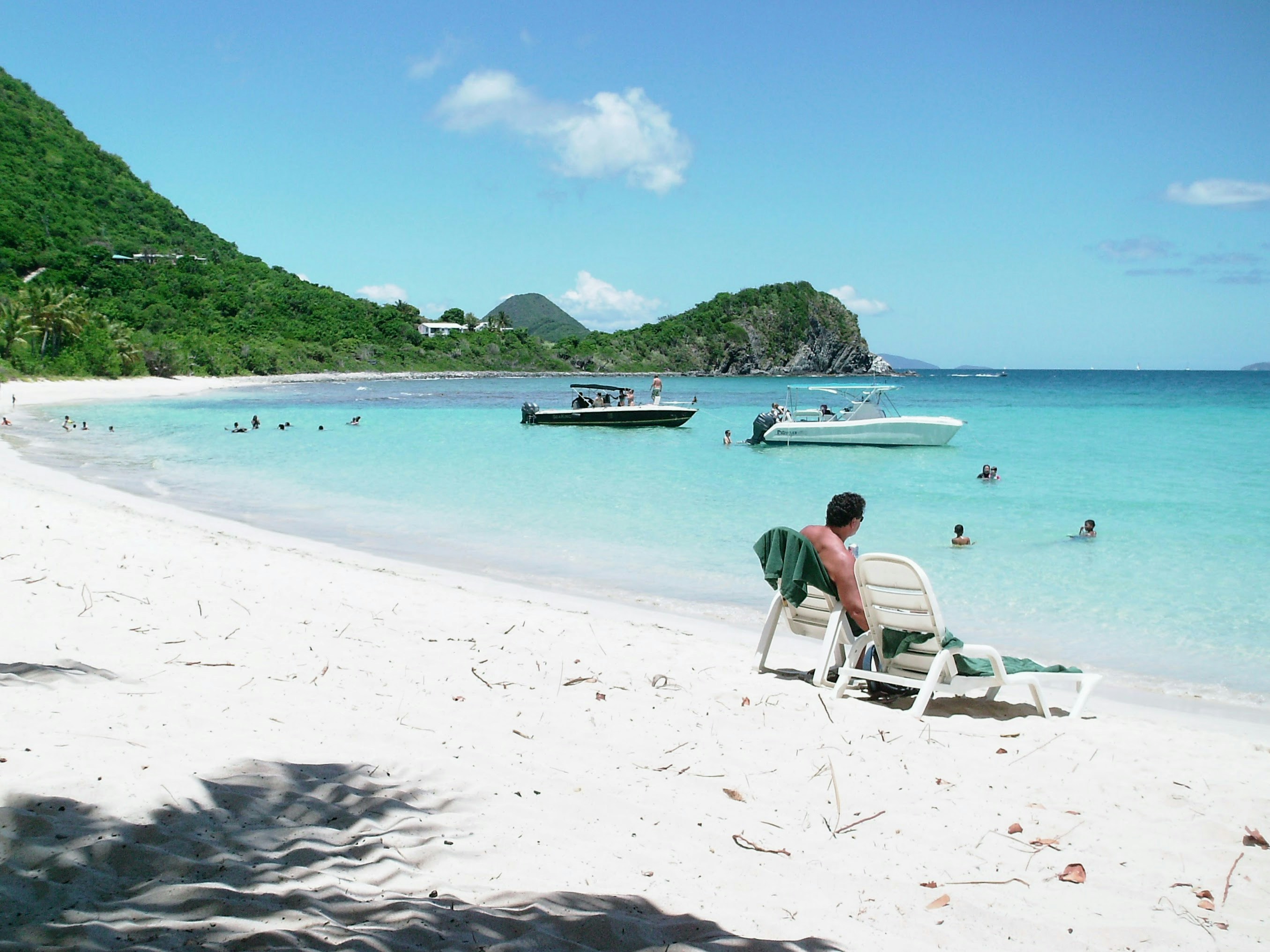
TL;DR: How Much Does a British Virgin Islands Trip Cost in 2026?
The British Virgin Islands travel cost is usually high compared with many Caribbean destinations, but your exact spend depends on islands visited, ferry use, and how often you eat out. A realistic daily budget is about $100–$150 for budget travellers, $185–$450 for mid-range travellers, and $400+ for luxury trips, with one-week trips often landing around $2,639 per person on average.
British Virgin Islands Daily Expenses by Travel Style: Budget, Mid-Range, and Luxury
The British Virgin Islands daily expenses vary a lot by style, but food, ferries, and accommodation are the big three to watch. TravelWithHello’s 2026 guide puts budget travel at $150–$200 per day, mid-range at $250–$500 per day, and luxury at $800+ per day; other 2026 travel budgets commonly cite $100/day for backpackers and $185/day for mid-range travellers, which is a useful lower-end benchmark. Here’s a practical breakdown for planning:
| Travel style | Daily budget | Typical spend includes |
|---|---|---|
| Budget | $100–$200 | Guesthouses, simple meals, ferries, beaches |
| Mid-range | $185–$450 | Comfortable hotels, restaurant meals, day sails |
| Luxury | $400–$800+ | Resorts, private charters, fine dining, spa time |
A budget day might mean a roti or takeaway lunch, a ferry between Tortola and Virgin Gorda, and a free beach stop. Mid-range travellers can usually mix beach bars, taxi rides, and one paid activity like snorkeling or a half-day sail. Luxury travellers should plan for premium island-hopping, higher-end marinas, and costly transport between islands.
British Virgin Islands Accommodation, Food, Transport, and Activity Costs
The British Virgin Islands budget guide gets easier once you split costs into accommodation, food, transport, and activities. Lodging is usually the biggest expense, especially in peak season, while ferries and island transfers can add up quickly if you visit multiple islands in one trip.
Typical 2026-style price ranges look like this: guesthouses and camping can start around $15–$35 for the most basic stays, mid-range rooms often run $100–$400+ per night, and luxury resorts can climb well above $800. Meals at casual spots often cost $15–$25, while nicer restaurants can be $30–$60+ per person. Ferry rides and local transport are usually modest compared with accommodation, but repeated island hops can still become a meaningful line item. Activities vary widely: beach days are free, while sailing trips, snorkeling tours, and private boat days can push your budget higher.
For most travellers, the smartest approach is to book the first two nights in advance, then adjust once you know which island pace you prefer. If you’re planning connectivity before arrival, a Hello eSIM for British Virgin Islands can help you stay online from the airport or ferry terminal without hunting for Wi-Fi.
One-Week British Virgin Islands Trip Cost: Realistic Sample Budgets
A one-week British Virgin Islands trip cost is often easiest to understand through sample itineraries, because the islands reward different travel styles. Budget travellers can sometimes keep a week close to $1,100–$2,000, mid-range travellers often spend around $2,000–$4,000, and luxury trips can move well beyond $5,000 depending on yacht time and hotel choice. Travel data from 2026 guides also puts an average one-week trip around $2,639 per person.
| Traveller type | 7-day estimate | Best for |
|---|---|---|
| Budget | $1,100–$2,000 | Simple rooms, ferries, free beaches |
| Mid-range | $2,000–$4,000 | Comfortable hotels, taxis, day sails |
| Luxury | $5,000+ | Resort stays, charters, fine dining |
A realistic budget week might include a basic guesthouse, breakfast from a supermarket, one or two restaurant dinners, and ferry travel between Tortola, Virgin Gorda, and maybe Jost Van Dyke. A mid-range week usually adds better waterfront lodging and a couple of paid excursions. If you’re traveling with friends, Hello’s expense splitting and multi-currency budget tracking can make it much easier to divide ferry tickets, villa bills, and restaurant tabs without spreadsheet chaos.
How to Save Money in the British Virgin Islands Without Missing the Best Parts
You can lower your British Virgin Islands travel cost without sacrificing the islands’ best experiences, but it takes a little planning. The biggest savings usually come from travelling in the quieter months, eating simply, and reducing unnecessary island hops. Off-season travel, especially outside the busiest winter period, is often cheaper for rooms and sometimes for tours too.
Use these money-saving tactics:
- Stay longer in one place instead of moving islands every night.
- Choose guesthouses or villas with kitchens so you can buy groceries.
- Use free beaches and hikes for at least one activity per day.
- Book ferries and transfers early if your schedule is fixed.
- Mix casual meals with one nicer dinner rather than dining out every meal.
A few examples help: buying breakfast supplies and snacks can cut one day’s food spend significantly, while skipping a private boat day in favor of public ferries can save a major chunk of your trip budget. For travellers who like to track every dollar, Hello’s AI receipt scanning and budget tools are useful for keeping tabs on island costs in real time, especially when you’re splitting costs across a group.
Money Tips for the British Virgin Islands: Currency, Cards, and Practical Planning
The British Virgin Islands budget guide is easier to manage when you understand how money works on the ground. The U.S. dollar is the official currency, which simplifies planning for many travellers, but you should still carry a mix of cash and card for smaller purchases, ferries, and casual beach spots that may prefer one over the other. Some island businesses also operate on limited hours, so it helps to avoid assuming every expense can be handled digitally.
A few practical tips make a big difference:
- Keep some small bills for taxis, snacks, and tips.
- Expect transport costs to rise if you’re moving between islands often.
- Save screenshots of bookings in case signal is patchy at docks or beaches.
- Check data access before arrival if you’ll be using maps, ride coordination, or ferry schedules.
If you want to arrive connected, an eSIM from Hello is a convenient option because it can be activated before departure, so your phone is ready when you land. That matters in the BVI, where you may need navigation, messaging, or booking confirmations as soon as you step off a ferry or head to your hotel.
Common Questions About British Virgin Islands Travel Costs
The most common questions about how much British Virgin Islands trip cost come down to whether you’re traveling lean, comfortably, or in style. The short answer is that the BVI is not a cheap destination, but careful planning can keep costs predictable and manageable.
How much should I budget per day in the British Virgin Islands?
Budget travellers should plan for about $100–$200 per day, mid-range travellers for $185–$450 per day, and luxury travellers for $400+ per day.
How much is a one-week trip to the British Virgin Islands?
A one-week trip often costs around $2,639 per person on average, though budget trips can be much lower and luxury trips much higher.
What is the cheapest way to travel around the islands?
Using ferries, staying in simple guesthouses, and eating some meals from groceries or casual spots is usually the most affordable approach.
Is the British Virgin Islands expensive?
Yes, compared with many Caribbean destinations, mainly because lodging and inter-island transport can be costly. Still, free beaches, hikes, and simple food choices can help you control spending.
Explore These Destinations
Stay Connected
🇻🇬 eSIM Plans for British Virgin Islands
Book this trip
Compare options on trusted travel sites
Plan flights for this trip
Continue to a reviewed booking partner to check current routes, fares, and terms.

Track your British Virgin Islands trip budget
Split expenses with friends, track spending by category, and see real-time currency conversions — all in one app.
Related Articles
British Virgin Islands Currency & Money Guide: Exchange, Cards, and Tips
Currency exchange, credit card acceptance, ATM tips, tipping culture, and money-saving advice for British Virgin Islands.
24 July 2026
British Virgin Islands Safety Guide: Tips for a Safe Trip
Safety tips, health advisories, emergency contacts, common scams, and travel insurance advice for British Virgin Islands.
16 July 2026
British Virgin Islands Visa & Entry Requirements for Singapore Passport Holders
Visa requirements, passport validity, customs allowances, and entry tips for Singapore citizens travelling to British Virgin Islands.
7 July 2026