Key Takeaways
- ✓Bangladesh in 2026 is an affordable, under-the-radar destination ideal for travellers seeking authentic cultural immersion.
- ✓The best time to visit is from November to February, when weather is cooler, drier, and more predictable for travel.
- ✓Daily budgets from US$25–35 are realistic for backpackers, while mid-range comfort stays under US$100 per day.
- ✓Visa and entry rules vary by nationality; always confirm requirements in advance and carry printed documents.
- ✓Getting around requires mixing buses, trains, rickshaws, ride-hailing apps, and occasional domestic flights.
- ✓Hello eSIM provides instant, convenient connectivity in Bangladesh, supporting maps, transport apps, and trip planning.
- ✓Understanding local etiquette and basic safety practices significantly improves your experience in busy cities and rural areas.
- ✓Using 3‑, 5‑, or 10‑day itineraries helps structure routes across Dhaka, tea regions, coastal areas, and the Sundarbans.
Bangladesh is one of Asia’s most rewarding under-the-radar destinations: lush river deltas, chaotic yet charming cities, tea-covered hills, and some of the world’s longest beaches. This 2026 Bangladesh travel guide pulls everything together so you can confidently plan a trip that fits your budget, time, and travel style.
You’ll find practical, updated advice on visa and entry rules, how much to budget per day, using Hello eSIM to stay connected, getting around by bus, train, and ride-hailing apps, and what to eat—from biryani in Dhaka to seafood in Cox’s Bazar. We’ll highlight the country’s top experiences, from historic Old Dhaka to the Sundarbans mangrove forests, and show how to fit them into 3‑, 5‑, or 10‑day itineraries using guides like Bangladesh in 5 Days: The Perfect Extended Itinerary.
Each section links to detailed cluster articles for deep dives, while this pillar guide adds unique comparison tables, decision frameworks, and “at a glance” summaries not found elsewhere. Whether you’re a budget backpacker, a curious first-timer hopping over from Thailand, or a seasoned traveller looking for something different from Japan, this guide is your starting point for a smooth, memorable Bangladesh adventure.
Why Visit Bangladesh in 2026
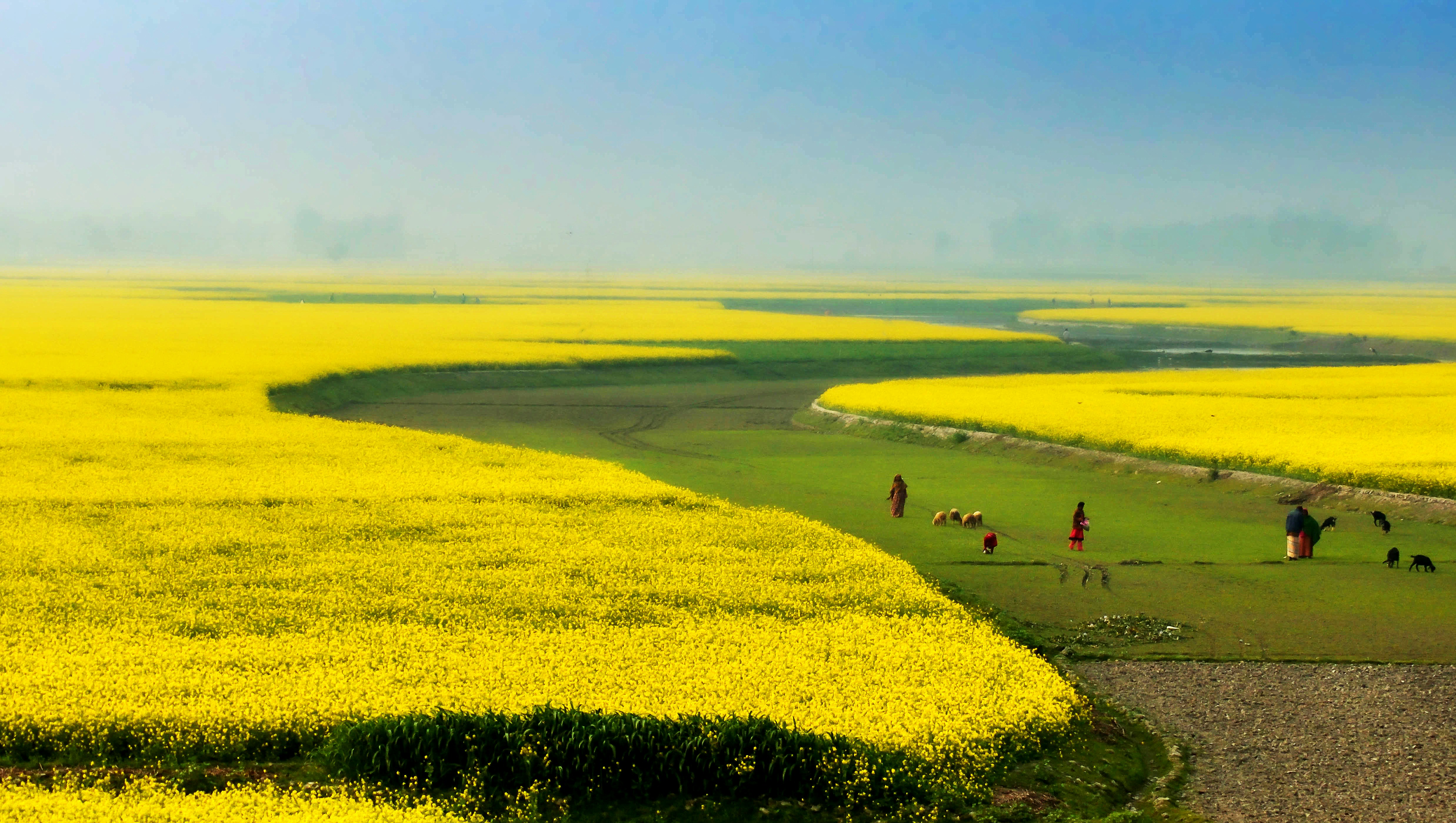
Bangladesh in 2026 offers a rare mix of affordability, authenticity, and adventure, with few crowds, welcoming locals, and diverse landscapes—from river life and tea estates to mangrove forests and beach towns—ideal for travellers seeking something beyond the usual South and Southeast Asia circuits.
If you’ve already explored nearby hubs like Thailand or Japan and are craving somewhere less polished but more surprising, Bangladesh delivers. Expect chaotic traffic, intense street life, and minimal tourist infrastructure—but also heartfelt hospitality, curious conversations, and the satisfaction of discovering a place most travellers skip.
Highlights include:
- Dhaka: A high-energy capital where rickshaws, ferries, and street food stalls define daily life.
- Srimangal: Known as the tea capital, with rolling green estates and quiet villages.
- Cox’s Bazar & coastal areas: Long beaches, fresh seafood, and relaxed local vibes.
- Sundarbans: The world’s largest mangrove forest and home of the Bengal tiger (best visited on guided trips).
Compared to more famous neighbors, Bangladesh is extremely budget-friendly as of 2026, with local meals often under US$3 and comfortable guesthouses starting around US$15–30 per night. For structured ideas, use the itineraries in 3 Days in Bangladesh: A Day-by-Day Itinerary, Bangladesh in 5 Days: The Perfect Extended Itinerary, and Bangladesh in 10 Days: The Ultimate Travel Itinerary to match your time frame.
Bangladesh is especially rewarding for travellers who enjoy cultural immersion—taking river ferries, eating at local canteens, and learning simple Bangla phrases outlined in the Bangladesh Cultural Guide: Etiquette, Customs, and Tips. Think of it as a country where small, everyday moments are the real attractions.
Best Time to Visit Bangladesh: Seasons & Weather
The best time to visit Bangladesh is generally from November to February, when temperatures are cooler, humidity is lower, and rainfall is minimal—ideal for city sightseeing, tea estates, and coastal trips without intense heat or monsoon disruptions.
Bangladesh has a tropical monsoon climate with three practical travel seasons:
- Cool & dry (Nov–Feb): Comfortable days (around 20–28°C), cooler nights, and clear skies—perfect for first-time visitors.
- Hot & humid (Mar–May): Temperatures can reach 35°C+, with rising humidity and occasional thunderstorms.
- Monsoon (Jun–Oct): Heavy rain, potential flooding, and travel disruptions, though landscapes are beautifully green.
Here’s an at-a-glance comparison to help you choose:
| Season (2026) | Months | Temperature feel | Rainfall | Pros | Cons |
|---|---|---|---|---|---|
| Cool & Dry | Nov–Feb | Mild, pleasant | Low | Best for sightseeing, easier travel | Slightly higher prices in cities |
| Hot & Humid | Mar–May | Very warm | Moderate | Fewer tourists, good for beaches | Heat can be tiring, midday outdoors |
| Monsoon | Jun–Oct | Warm, sticky | High, variable | Lush scenery, fewer travellers | Flooding risk, transport disruptions |
If you’re planning structured itineraries like Bangladesh in 10 Days: The Ultimate Travel Itinerary, aim for the cool & dry months. Nature-heavy trips, including Sundarbans excursions, are also more predictable then.
For short, flexible trips like 3 Days in Bangladesh: A Day-by-Day Itinerary, you can manage in shoulder seasons (Mar–May) by sightseeing early and late in the day and planning air-conditioned breaks.
Whenever you travel, pack light, breathable clothing, a compact umbrella, and a backup offline map—especially useful during monsoon when connectivity can fluctuate despite using Hello eSIM.
Bangladesh Budget Overview: How Much to Plan For
Bangladesh is one of Asia’s most affordable destinations in 2026, with realistic daily budgets starting around US$25–35 for backpackers and still under US$100 for comfortable mid-range travellers, including local transport, food, and basic sightseeing.
As of 2026, you’ll use Bangladeshi Taka (BDT) for most transactions. Cards are accepted at some hotels, malls, and higher-end restaurants, but cash is essential for street food, local buses, and small shops. For detailed money tips, see the Bangladesh Currency & Money Guide: Exchange, Cards, and Tips.
Here’s a simple daily budget comparison:
| Style (2026) | Daily Budget (BDT) | Approx. USD | What it covers |
|---|---|---|---|
| Budget | 2,500–3,500 | 25–35 | Local guesthouse, street food, public transport, basics |
| Mid-range | 5,500–8,000 | 55–80 | Comfortable hotel, mix of local & sit-down meals, taxis |
| Comfort / Plus | 10,000–15,000 | 100–150 | Good hotels, private drivers, domestic flights, activities |
Local meals often cost BDT 150–350 (US$1.50–3.50), while simple guesthouses in smaller cities may start at BDT 1,200–2,000 per night. In Dhaka, expect to pay more—especially for international-standard hotels.
Use Bangladesh Travel Budget Guide: Daily Costs and Money Tips for detailed category breakdowns and budgeting strategies, then track actual spending in the Hello app’s expense splitting and budget tracking features—especially handy if you’re sharing costs with friends.
For itineraries, Bangladesh in 5 Days: The Perfect Extended Itinerary and Bangladesh in 10 Days: The Ultimate Travel Itinerary include sample daily costs. Combine those with the currency advice from Bangladesh Currency & Money Guide: Exchange, Cards, and Tips to decide how much cash to carry versus what to withdraw locally.
Visa & Entry Requirements: What You Need Before Arrival
Most travellers to Bangladesh in 2026 need a valid passport, potentially a visa (often obtainable on arrival for select nationalities), and proof of onward travel; specific rules vary by citizenship, so always check current regulations before flying.
Entry requirements depend heavily on your passport. As of 2026, Bangladesh offers visa-on-arrival to some nationalities under specific conditions, while others must apply in advance via embassies or online systems. You’ll typically need:
- A passport with at least 6 months’ validity beyond your entry date.
- At least one or two blank pages for stamps.
- Proof of onward or return travel.
- Accommodation details for your first nights.
If you’re a Singapore citizen, the dedicated Bangladesh Visa & Entry Requirements for Singapore Passport Holders explains whether you’re eligible for visa-on-arrival, required documents, fees, and customs allowances.
For non-Singapore travellers, use that article as a structural reference and then confirm specifics via your local Bangladeshi embassy or consulate. General tips include:
- Carry printed copies of bookings and travel plans; immigration officers may ask.
- Check if yellow fever vaccination proof is required if you’re coming from affected countries.
- Know customs rules on currency declaration and duty-free limits.
Decision framework for visas:
- Check nationality: Does Bangladesh list you for visa-on-arrival in 2026?
- If yes: Prepare cash for the visa fee, passport photos, and supporting documents.
- If no: Apply in advance and build processing time into your trip planning.
When planning routes like those in Bangladesh in 3 Days: A Day-by-Day Itinerary, ensure your arrival and departure airports align with visa rules, especially if you’re combining Bangladesh with nearby destinations like Thailand.
Getting Around Bangladesh: Transport & City Navigation
Getting around Bangladesh in 2026 means mixing buses, trains, ride-hailing apps, rickshaws, and occasional domestic flights; with a bit of planning, you can move between cities and within Dhaka fairly smoothly despite traffic and limited English signage.
Within cities like Dhaka, Chattogram, and Sylhet, you’ll rely on:
- Cycle and auto-rickshaws for short hops.
- Ride-hailing apps (often linked to local phone numbers) for taxis and motorbikes.
- Local buses for budget-friendly, if crowded, transport.
Inter-city options include:
- Long-distance buses: Connecting major cities and towns.
- Trains: Comfortable for key routes, though tickets may need advance booking.
- Domestic flights: Useful for longer routes like Dhaka–Cox’s Bazar.
For a detailed breakdown of each mode—including airport transfers, estimated costs, and how to use ride-hailing apps—see Getting Around Bangladesh: Transport Guide for Travellers.
To make navigation easier, pair that guide with Hello’s trip planning features and Hello eSIM data for live maps, translations, and ride-hailing access. With Hello eSIM, you can access transport apps without hunting for local SIM vendors or dealing with paper top-up cards.
A simple framework for choosing transport:
- Budget priority: Favor buses, trains, and rickshaws.
- Time priority: Use domestic flights and ride-hailing cars.
- Comfort priority: Aim for AC buses/trains and mid-range taxis.
Itinerary-focused articles like Bangladesh in 5 Days: The Perfect Extended Itinerary and Bangladesh in 10 Days: The Ultimate Travel Itinerary show how to combine these modes day by day, making it easier to visualize real-world travel times.
Food & Dining in Bangladesh: What to Eat and Where
Bangladesh in 2026 is a paradise for food lovers on a budget, with fragrant rice dishes, rich curries, fresh river fish, and vibrant street snacks—most costing under US$3–5 per meal in local eateries.
Bangladeshi cuisine revolves around rice, lentils, fish, and meat, with regional variations:
- Dhaka: Famous for biryani, kebabs, and hearty street food.
- Coastal areas: Fresh seafood and fish curries.
- Tea regions: Snacks and sweets to accompany endless cups of cha.
Expect to encounter dishes like:
- Biryani: Aromatic rice with meat, often served at special occasions.
- Hilsa fish curries: A national favorite, rich and flavorful.
- Pithas: Traditional rice-based sweets.
For detailed dish lists, price ranges, and food safety tips, see Bangladesh Food Guide: Must-Try Dishes, Prices, and Tips.
A quick decision guide for dining:
- Street stalls & canteens: Best for adventurous eaters; ultra-budget-friendly.
- Family-run restaurants: Great balance of hygiene, authenticity, and value.
- Higher-end venues: Safer for sensitive stomachs; more international options.
Basic hygiene tips include drinking bottled or filtered water, being cautious with raw salads, and starting with cooked, hot foods if you’re not used to local conditions. The Bangladesh Safety Guide: Tips for a Safe Trip covers health advice and what to do if you experience food-related issues.
As you move through itineraries like 3 Days in Bangladesh: A Day-by-Day Itinerary, treat food as a key part of your experience—trying regional specialties in each city rather than sticking to the capital.
Top Experiences & Suggested Itineraries
Bangladesh’s top experiences in 2026 range from exploring Old Dhaka’s historic streets and river ferries to wandering tea estates in Srimangal and relaxing on Cox’s Bazar’s beach; combining these highlights into 3‑, 5‑, or 10‑day itineraries gives structure to your trip.
Core experiences most travellers enjoy:
- Old Dhaka & Sadarghat: Classic riverfront chaos, heritage buildings, and lively markets.
- Srimangal & tea estates: Green hills, quiet villages, and nature walks.
- Cox’s Bazar: Long beach, sunsets, and seafood shacks.
- Sundarbans excursions: Multi-day boat trips through mangrove forests.
Use the dedicated itineraries to shape your route:
- 3 Days in Bangladesh: A Day-by-Day Itinerary: Ideal if you’re adding Bangladesh to a longer Thailand or Japan trip.
- Bangladesh in 5 Days: The Perfect Extended Itinerary: Balances Dhaka with at least one secondary destination.
- Bangladesh in 10 Days: The Ultimate Travel Itinerary: Best for deeper exploration with multiple cities.
Simple itinerary decision table:
| Your Time (2026) | Best Itinerary Link | Travel Style Match |
|---|---|---|
| 2–3 days | 3 Days in Bangladesh: A Day-by-Day Itinerary | City highlights, first-time visit |
| 4–6 days | Bangladesh in 5 Days: The Perfect Extended Itinerary | Mix of city + nature or coastal escape |
| 8–12 days | Bangladesh in 10 Days: The Ultimate Travel Itinerary | Multi-city, deeper cultural immersion |
Plan your route in the Hello app’s trip planning feature, then use Hello eSIM for navigation and bookings on the go. Pair these digital tools with cultural insights from Bangladesh Cultural Guide: Etiquette, Customs, and Tips to make sure you’re moving respectfully through local communities.
Staying Connected: Hello eSIM & Digital Essentials
In 2026, the easiest way to stay connected in Bangladesh is to use Hello eSIM for instant data access on arrival, then pair it with offline maps and key travel apps for transport, translation, and budget tracking.
Hello offers eSIM connectivity for 200+ countries, including Bangladesh, with instant activation from the Hello app on iOS and Android. That means you can:
- Avoid local SIM card queues and language barriers.
- Activate data as soon as you land.
- Use ride-hailing apps, maps, and messaging right away.
For Bangladesh-specific eSIM options, coverage, and setup instructions, see eSIM for Bangladesh: Best Plans, Coverage, and Setup Tips. Once you’ve chosen a Hello eSIM plan, download essential apps before departure:
- Hello (for eSIM, expense splitting, and trip planning).
- Maps and navigation tools with offline areas saved.
- Translation apps for basic Bangla phrases.
A simple connectivity checklist:
- Check compatibility: Ensure your phone supports eSIM.
- Install Hello app: Set up your account and choose a Bangladesh eSIM plan.
- Activate shortly before arrival: So data works when you land.
- Save key info offline: Hotel address, embassy contacts, booking details.
For longer trips that follow Bangladesh in 10 Days: The Ultimate Travel Itinerary, consider slightly larger Hello eSIM data packages so you’re not constantly monitoring usage, especially if you rely on navigation and social media.
Culture, Safety & Practical Etiquette
Bangladesh is generally welcoming to travellers in 2026, but you’ll enjoy your trip more by understanding local etiquette, dressing modestly, and following basic safety and health precautions in busy cities and rural areas.
Social norms emphasize respect, modesty, and hospitality. Key etiquette tips from Bangladesh Cultural Guide: Etiquette, Customs, and Tips include:
- Dressing modestly, especially around religious sites and rural communities.
- Using polite greetings and avoiding overly physical displays of affection in public.
- Removing shoes before entering homes and some indoor spaces.
On the safety front, Bangladesh presents typical big-city risks—petty theft, traffic, and occasional scams—rather than widespread serious danger. The Bangladesh Safety Guide: Tips for a Safe Trip covers common scams, emergency contacts, and health considerations.
Simple safety framework:
- Health: Drink safe water, carry basic medication, and consider travel insurance.
- Transport: Be cautious with road crossings and late-night travel in unfamiliar areas.
- Money: Use hotel safes when available, split cash in multiple places, and rely on ATMs in reputable locations.
Hello’s expense splitting and budget tracking tools help you avoid handling large visible sums of cash in public while keeping group spending transparent.
Pair cultural understanding from Bangladesh Cultural Guide: Etiquette, Customs, and Tips with route planning in Getting Around Bangladesh: Transport Guide for Travellers to move confidently and respectfully through different regions.
Before You Go: Bangladesh Trip Checklist
Before you travel to Bangladesh in 2026, confirm your visa status, set up Hello eSIM, plan a realistic budget, and save key addresses and documents offline—this simple preparation turns an intense destination into a smooth, rewarding trip.
Use this pre-departure checklist:
Documents & admin
- Passport valid for at least 6 months.
- Visa or visa-on-arrival eligibility confirmed.
- Printed and digital copies of flight and hotel bookings.
- Travel insurance details and emergency contacts.
Refer to Bangladesh Visa & Entry Requirements for Singapore Passport Holders for a model of what to check, even if you’re not from Singapore.
Money & budget
- Decide daily budget using Bangladesh Travel Budget Guide: Daily Costs and Money Tips.
- Notify your bank of international use.
- Plan initial cash (BDT or exchange on arrival) guided by Bangladesh Currency & Money Guide: Exchange, Cards, and Tips.
Connectivity & apps
- Install Hello, choose a Hello eSIM Bangladesh plan via eSIM for Bangladesh: Best Plans, Coverage, and Setup Tips.
- Save offline maps and critical addresses.
Health & safety
- Pack basic medicines, sun protection, and any prescriptions.
- Review Bangladesh Safety Guide: Tips for a Safe Trip for current advisories.
Itinerary & transport
- Pick a route: 3, 5, or 10 days using the itinerary cluster.
- Check Getting Around Bangladesh: Transport Guide for Travellers for how you’ll move between stops.
Running through this checklist a week before departure gives you time to fix gaps, leaving more mental space for enjoying the chaos, conversations, and landscapes once you land.
Bangladesh Visa & Entry Requirements for Singapore Passport Holders
Budget PlanningBangladesh Travel Budget Guide: Daily Costs and Money Tips
Currency & MoneyBangladesh Currency & Money Guide: Exchange, Cards, and Tips
eSIM & ConnectivityeSIM for Bangladesh: Best Plans, Coverage, and Setup Tips
Safety & HealthBangladesh Safety Guide: Tips for a Safe Trip
Getting AroundGetting Around Bangladesh: Transport Guide for Travellers
Frequently Asked Questions
Is Bangladesh safe to visit in 2026 for solo travellers?
Bangladesh can be safe for solo travellers in 2026 if you follow standard big-city precautions: stay aware of your surroundings, avoid poorly lit areas at night, and protect valuables in crowded places. The Bangladesh Safety Guide: Tips for a Safe Trip provides detailed advice on common scams, emergency contacts, and health considerations. Solo travellers often find locals friendly and helpful, especially when they show cultural respect as outlined in the Bangladesh Cultural Guide: Etiquette, Customs, and Tips.
How many days do I need to see the highlights of Bangladesh?
To see core highlights like Dhaka, a tea region, and possibly a coastal area, aim for 5–10 days. Short trips of 3 days focus mainly on Dhaka and nearby sights using 3 Days in Bangladesh: A Day-by-Day Itinerary. For a balanced overview, Bangladesh in 5 Days: The Perfect Extended Itinerary is ideal. Those with more time should follow Bangladesh in 10 Days: The Ultimate Travel Itinerary for deeper exploration.
What is a realistic daily budget for Bangladesh in 2026?
As of 2026, a realistic daily budget for backpackers is around BDT 2,500–3,500 (US$25–35), covering guesthouse accommodation, local meals, and public transport. Mid-range travellers should plan BDT 5,500–8,000 (US$55–80) for more comfortable hotels and taxis. See Bangladesh Travel Budget Guide: Daily Costs and Money Tips and Bangladesh Currency & Money Guide: Exchange, Cards, and Tips for detailed breakdowns and money strategies.
Do I need a local SIM card, or is Hello eSIM enough in Bangladesh?
For most travellers, Hello eSIM is enough to stay connected in Bangladesh in 2026. It provides instant data access for maps, ride-hailing apps, and messaging without visiting local SIM vendors. The guide eSIM for Bangladesh: Best Plans, Coverage, and Setup Tips explains how to choose and activate Hello eSIM plans for Bangladesh. If you need a local number for specific services, you can still purchase a local SIM, but many visitors manage fine with Hello eSIM alone.
What should I know about cultural etiquette before visiting Bangladesh?
You’ll have a smoother experience if you dress modestly, use polite greetings, and respect religious and social norms. Avoid overly revealing clothing, especially in rural or religious areas, and remove shoes before entering homes or certain indoor spaces. The Bangladesh Cultural Guide: Etiquette, Customs, and Tips covers local phrases, greeting customs, and key do’s and don’ts to help you interact respectfully with communities.
When is the best time of year to visit Bangladesh?
The best time to visit Bangladesh is November to February, when the weather is cooler and drier, making city sightseeing and coastal trips more comfortable. Shoulder months March to May are hotter but manageable with proper planning. Monsoon season June to October brings heavy rain and occasional flooding, though landscapes are lush. When planning routes like Bangladesh in 10 Days: The Ultimate Travel Itinerary, try to schedule them in the cool, dry months.
How do I get around within Dhaka and between cities?
Within Dhaka, you’ll combine rickshaws, local buses, and ride-hailing apps for taxis and motorbikes. Between cities, long-distance buses, trains, and occasional domestic flights are common. Getting Around Bangladesh: Transport Guide for Travellers explains each option, typical costs, and booking tips. Using Hello eSIM ensures you can access navigation and ride-hailing apps, which makes city travel more manageable despite traffic and limited English signage.
eSIM Plans for Bangladesh
Detailed Articles
Dive deeper into specific topics covered in this guide.
3 Days in Bangladesh: A Day-by-Day Itinerary
A detailed 3-day itinerary for Bangladesh with daily activities, costs, neighborhoods, and transport tips.
9 June 2026
Bangladesh in 5 Days: The Perfect Extended Itinerary
A detailed 5-day itinerary for Bangladesh with daily activities, costs, neighborhoods, and transport tips for an extended stay.
3 May 2026
Bangladesh in 10 Days: The Ultimate Travel Itinerary
A comprehensive 10-day itinerary for Bangladesh covering top attractions, hidden gems, daily costs, and transport between cities.
17 June 2026
Bangladesh Cultural Guide: Etiquette, Customs, and Tips
Essential do's and don'ts, greeting customs, dress codes, local phrases, and cultural tips for Bangladesh.
31 May 2026
Bangladesh Travel Budget Guide: Daily Costs and Money Tips
How much does it cost to travel in Bangladesh? Daily budget breakdowns for budget, mid-range, and luxury travellers.
22 February 2026
Bangladesh Currency & Money Guide: Exchange, Cards, and Tips
Currency exchange, credit card acceptance, ATM tips, tipping culture, and money-saving advice for Bangladesh.
24 July 2026
Bangladesh Visa & Entry Requirements for Singapore Passport Holders
Visa requirements, passport validity, customs allowances, and entry tips for Singapore citizens travelling to Bangladesh.
6 July 2026
Getting Around Bangladesh: Transport Guide for Travellers
Airport transfers, public transport, ride-hailing apps, inter-city travel, and driving tips for Bangladesh.
22 May 2026
More Travel Guides
Destination Guide
Complete Bosnia and Herzegovina Travel Guide 2026
Everything you need to know about travelling to Bosnia and Herzegovina — budget, visa, food, transport, eSIM connectivity, and itineraries.
Destination Guide
Complete Bahamas Travel Guide 2026
Everything you need to know about travelling to Bahamas — budget, visa, food, transport, eSIM connectivity, and itineraries.
Destination Guide
Complete Bahrain Travel Guide 2026
Everything you need to know about travelling to Bahrain — budget, visa, food, transport, eSIM connectivity, and itineraries.
Destination Guide
Complete Sint Eustatius Travel Guide 2026
Everything you need to know about travelling to Sint Eustatius — budget, visa, food, transport, eSIM connectivity, and itineraries.