Bangladesh Cultural Guide: Etiquette, Customs, and Tips
Essential do's and don'ts, greeting customs, dress codes, local phrases, and cultural tips for Bangladesh.
By Hello Travel Team
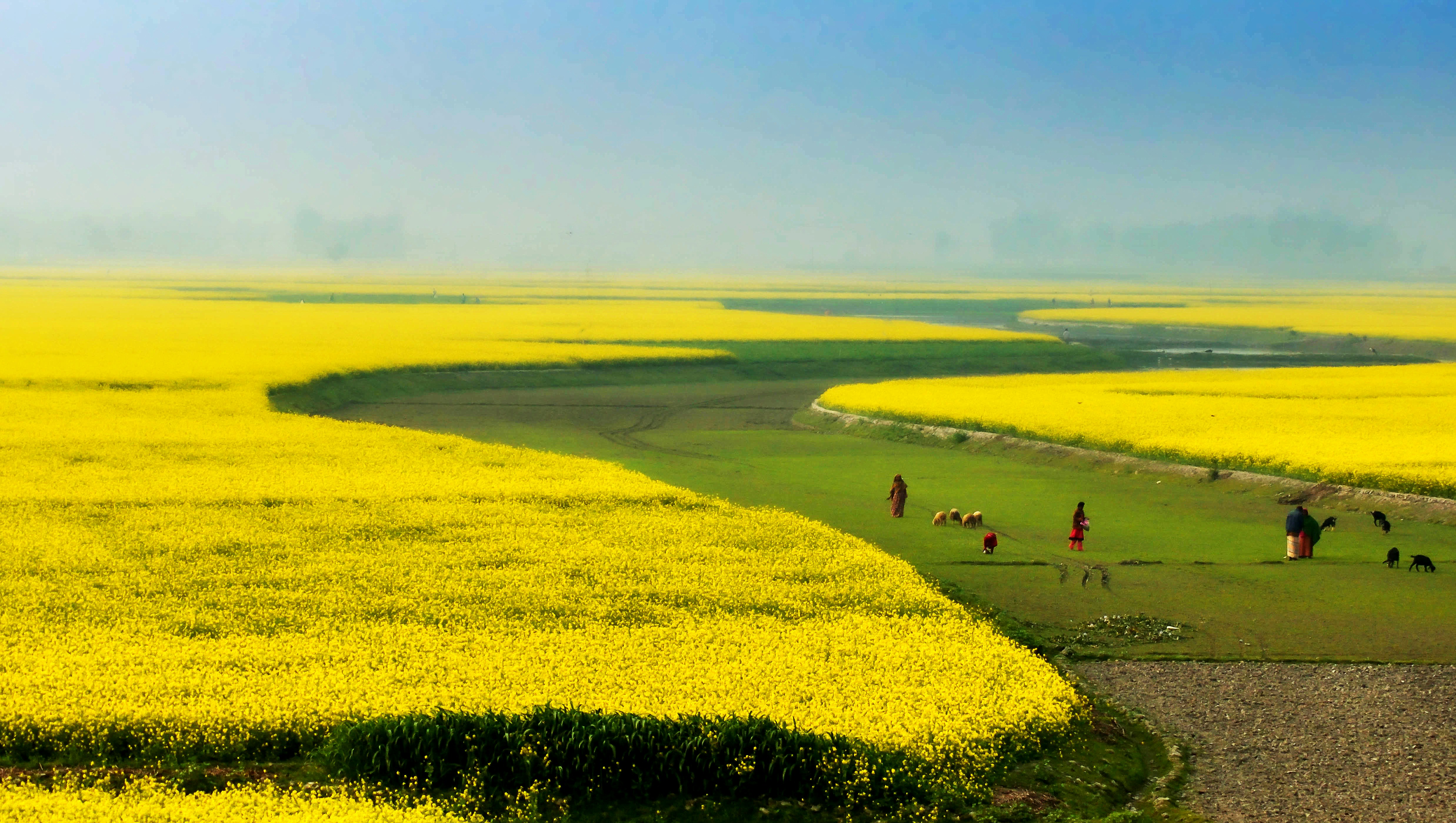
TL;DR: Bangladesh Culture, Etiquette, and Essential Dos and Don’ts
Bangladesh culture is warm, family-oriented, and deeply respectful, so travellers are expected to dress modestly, greet politely, and show consideration for local customs and religion. If you smile, speak gently, and follow a few simple dos and don’ts, you’ll be warmly welcomed almost everywhere.
In practical terms, this means covering shoulders and knees, removing shoes at mosques and homes, asking before taking photos, and being patient with flexible time and busy streets. Bangladesh welcomed around 323,000 international tourists in 2023 according to the Bangladesh Tourism Board, and most visitors highlight the country’s hospitality as a major reason to come. Everyday costs are budget-friendly: a simple restaurant meal in Dhaka can be found for $3–6 in 2026, and local buses often cost under $1 per ride.
To keep your trip smooth, consider using the Hello app to buy an eSIM for Bangladesh before you land, so you can arrive connected, coordinate airport pickups, and translate local phrases on the go. With a bit of cultural awareness and reliable connectivity, Bangladesh’s markets, rivers, and green countryside feel much easier – and much more rewarding – to explore.
Core Bangladesh Etiquette: Respect, Modesty, and Everyday Dos and Don’ts
Bangladesh etiquette is built on respect, modesty, and hospitality, so travellers should speak politely, dress conservatively, and be mindful of religious and family values in public. If you’re considerate and patient, people will generally go out of their way to help you.
Some key Bangladesh dos and don’ts:
| Situation | Do | Don’t |
|---|---|---|
| Greeting | Say “Assalamu Alaikum” or a friendly “Hello” | Hug or touch members of the opposite sex |
| Dress | Cover shoulders and knees, especially in rural areas | Wear tight or revealing clothes |
| Eating | Accept food or tea when offered | Refuse hospitality bluntly |
| Public behavior | Speak calmly and avoid confrontation | Raise your voice or show anger in public |
Bangladesh is majority Muslim (over 90% of the population, per the Bangladesh Bureau of Statistics), so Islamic values shape everyday social norms. Public displays of affection, heavy drinking, or loud arguments are frowned upon. When visiting someone’s home, remove your shoes at the door, bring a small snack or sweets as a gesture of thanks, and avoid pointing your feet directly at elders.
Bangladeshis often communicate indirectly, especially about money or conflict, so a soft answer and a smile usually resolve misunderstandings. Time can be flexible – a 3:00 p.m. meeting might start at 3:30 – so plan buffers into your schedule. If you treat people with courtesy and avoid criticism of religion or politics, you’ll find Bangladesh culture welcoming and easy to navigate.
Greetings, Body Language, and Useful Bangla Phrases for Travellers
The easiest way to connect with Bangladesh culture is through polite greetings, respectful body language, and a few basic Bangla phrases, which locals really appreciate from foreign visitors. Even one or two words can turn a simple interaction into a genuine connection.
Common greetings and phrases:
| English | Bangla (Roman script) | When to use |
|---|---|---|
| Hello / Peace be upon you | Assalamu Alaikum | Formal, common Muslim greeting |
| Reply to Assalamu Alaikum | Walaikum Assalam | Standard response |
| Thank you | Dhonnobad | Any situation |
| Please | Doya kore | When making polite requests |
| Yes / No | Haa / Na | Everyday conversations |
| How much is this? | Eta koto? | Markets and shops |
| Excuse me / Sorry | Maaf korun | Crowded places or small mistakes |
In cities like Dhaka and Chattogram, many younger people speak some English, but using Bangla words like dhonnobad (thank you) or bhai/apu (brother/sister, used respectfully) shows appreciation for local culture. Avoid overly familiar physical contact – handshakes are fine between men, but some women may prefer a simple nod and smile instead.
Keep your left hand away from food and formal handshakes when possible, as the right hand is traditionally considered cleaner and more respectful. When passing money or business cards, use your right hand or both hands. If you need help navigating or translating phrases, staying connected with an eSIM from Hello makes it easy to use translation apps and maps on the go without hunting for local SIM kiosks.
Dress Codes and Photography Rules in Mosques, Temples, and Public Spaces
Dress codes in Bangladesh prioritize modesty, especially in mosques, shrines, and rural areas, and travellers should always ask before photographing people or religious sites. As a rule of thumb, if you wouldn’t wear it to a conservative family gathering, it’s probably not right for a mosque.
For everyday sightseeing in Dhaka or Sylhet, lightweight, loose clothing that covers shoulders and knees is both culturally appropriate and practical in the humid climate. Men can wear long trousers and a shirt; women often feel most comfortable in long skirts or loose trousers with a tunic or scarf. In religious spaces, such as the Baitul Mukarram National Mosque in Dhaka, stricter rules apply: women should cover their hair with a scarf, and both men and women should avoid tight clothing.
Basic dress and photography guidelines:
| Context | Dress expectation | Photography etiquette |
|---|---|---|
| Mosques | Long sleeves, long trousers/skirt; women cover hair | Ask permission; avoid photos during prayer |
| Hindu temples | Modest clothing, shoulders covered | Often allowed outside; ask inside |
| Villages | Conservative, loose outfits | Ask before photographing people |
| Government buildings | Normal smart casual | Usually restricted or discouraged |
When visiting religious gatherings or Friday prayers, it’s best not to photograph worshippers at close range. Always look for signs indicating camera restrictions, especially around military, border, or port facilities. As of 2026, many popular sites publish visitor guidelines through local tourism offices, and checking them online before your visit is easier if you’re connected via Hello’s eSIM plans rather than relying on spotty hotel Wi‑Fi.
Business Etiquette, Meetings, and Gift-Giving Customs in Bangladesh
Business etiquette in Bangladesh is relationship-focused and polite, so building trust over tea and conversation often matters more than jumping straight into contracts or pricing. Expect meetings to start with small talk and be prepared for a courteous, sometimes indirect communication style.
In business settings, formal greetings using titles such as "Mr", "Mrs", or "Sir" are common, and exchanging business cards with the right hand is considered respectful. Dress tends toward business formal in finance and government (shirt and trousers with closed shoes; modest blouses and long skirts or trousers for women), while tech and creative sectors in Dhaka may accept business-casual outfits.
Key business etiquette points:
| Aspect | Recommended approach | Notes |
|---|---|---|
| Punctuality | Arrive on time, expect some flexibility | Traffic in Dhaka is heavy; allow extra time |
| Communication | Be polite, avoid blunt criticism | Use email/WhatsApp to confirm details |
| Negotiation | Expect some bargaining | Stay patient and respectful |
| Relationship building | Share tea, ask about family | Helps long-term cooperation |
Gift-giving is appreciated but usually modest: sweets, quality chocolates, or small items from your home country are ideal. Avoid alcohol or anything that could be considered extravagant or overly personal. Present gifts with your right hand or both hands, and don’t be surprised if they are not opened in front of you – this can be a sign of politeness.
For tracking shared costs on business trips – from client dinners to taxis that may be $2–5 per ride in 2026 – Hello’s expense splitting and multi-currency tracking features help you keep receipts organized and avoid awkward money conversations with colleagues.
Holidays, Prayer Times, and How Festivals Affect Travel Plans in Bangladesh
Major religious holidays like Eid and Ramadan significantly shape daily life in Bangladesh, so travellers should expect changed opening hours, busier transport, and a generally slower pace during these periods. Planning around these dates can turn logistical challenges into memorable cultural experiences.
Bangladesh’s calendar includes Islamic holidays (Eid-ul-Fitr, Eid-ul-Adha), Hindu festivals (Durga Puja), and national days like Independence Day (26 March) and Victory Day (16 December). During Eid, which follows the holy month of Ramadan, many shops close or operate reduced hours, and intercity buses and trains become crowded as millions of people travel from Dhaka to village homes. According to the Bangladesh Road Transport Authority, holiday travel can increase highway traffic volume by over 30%, so booking tickets early is wise.
Typical holiday impacts:
| Period | What to expect | Travel tips |
|---|---|---|
| Ramadan | Daytime fasting, shorter daytime hours, busy evenings | Be discreet eating/drinking in public during the day |
| Eid-ul-Fitr | Mass travel, closed offices/shops for 2–3 days | Buy tickets early; keep flexible plans |
| Durga Puja | Colorful processions and crowds at temples | Respect rituals; dress modestly |
| Pohela Boishakh (Bengali New Year) | Street fairs, music, markets | Book centrally located hotels early |
Prayer times, announced by mosque loudspeakers, structure the day but usually don’t interrupt tourism activities; however, being mindful of these rhythms shows respect for Bangladesh customs. Checking national holiday lists via government portals before you book, and using the Hello app for budget tracking (for fluctuating festival prices like hotel rooms jumping 20–30%) helps you stay ahead of crowds and costs.
Common Questions About Bangladesh Culture, Etiquette, and Connectivity
Most first-time visitors to Bangladesh ask about safety, dress codes, and how to stay connected, and the short answer is: dress modestly, stay respectful and patient, and use reliable mobile data so you can navigate and translate effortlessly throughout your trip.
Q: Is Bangladesh safe for travellers?
Generally yes, especially if you stick to popular areas like Dhaka, Cox’s Bazar, and Sylhet and follow common-sense precautions. According to regional UN tourism data, Bangladesh’s tourist numbers remain modest compared to neighbours, and crime against foreigners is relatively low, but traffic and river transport safety require attention.
Q: What should women wear in Bangladesh?
Light, modest clothing that covers shoulders and knees is recommended. Many female travellers feel comfortable in long trousers and loose tunics, similar to local salwar kameez outfits. A scarf is useful for mosques or conservative areas.
Q: Can I drink alcohol in Bangladesh?
Alcohol is restricted and not widely available; licensed hotels and a few bars serve it, but public drinking is frowned upon. Expect higher prices than in many countries and limited selection.
Q: How do I stay connected without buying a local SIM at the airport?
You can purchase and activate a Hello eSIM for Bangladesh (Hello eSIM for Bangladesh) before flying, so your phone connects to local networks as soon as you land. This is handy for using ride-hailing apps, maps, or AI receipt scanning in the Hello app right from the arrivals hall.
Q: How much does daily travel cost?
Bangladesh is very budget-friendly: in 2026, mid-range hotel rooms in Dhaka often range from $35–70 per night, simple restaurant meals $3–6, and city transport $1–5 per day, depending on whether you use buses, rickshaws, or ride-hailing services.
Explore These Destinations
Stay Connected
Make the most of Bangladesh
From eSIM connectivity to expense tracking, Hello is the all-in-one companion that keeps your trip stress-free.
Related Articles
Bangladesh Currency & Money Guide: Exchange, Cards, and Tips
Currency exchange, credit card acceptance, ATM tips, tipping culture, and money-saving advice for Bangladesh.
24 July 2026
Bangladesh Safety Guide: Tips for a Safe Trip
Safety tips, health advisories, emergency contacts, common scams, and travel insurance advice for Bangladesh.
15 July 2026
Bangladesh Visa & Entry Requirements for Singapore Passport Holders
Visa requirements, passport validity, customs allowances, and entry tips for Singapore citizens travelling to Bangladesh.
6 July 2026