Bangladesh Travel Budget Guide: Daily Costs and Money Tips
How much does it cost to travel in Bangladesh? Daily budget breakdowns for budget, mid-range, and luxury travellers.
By Hello Travel Team
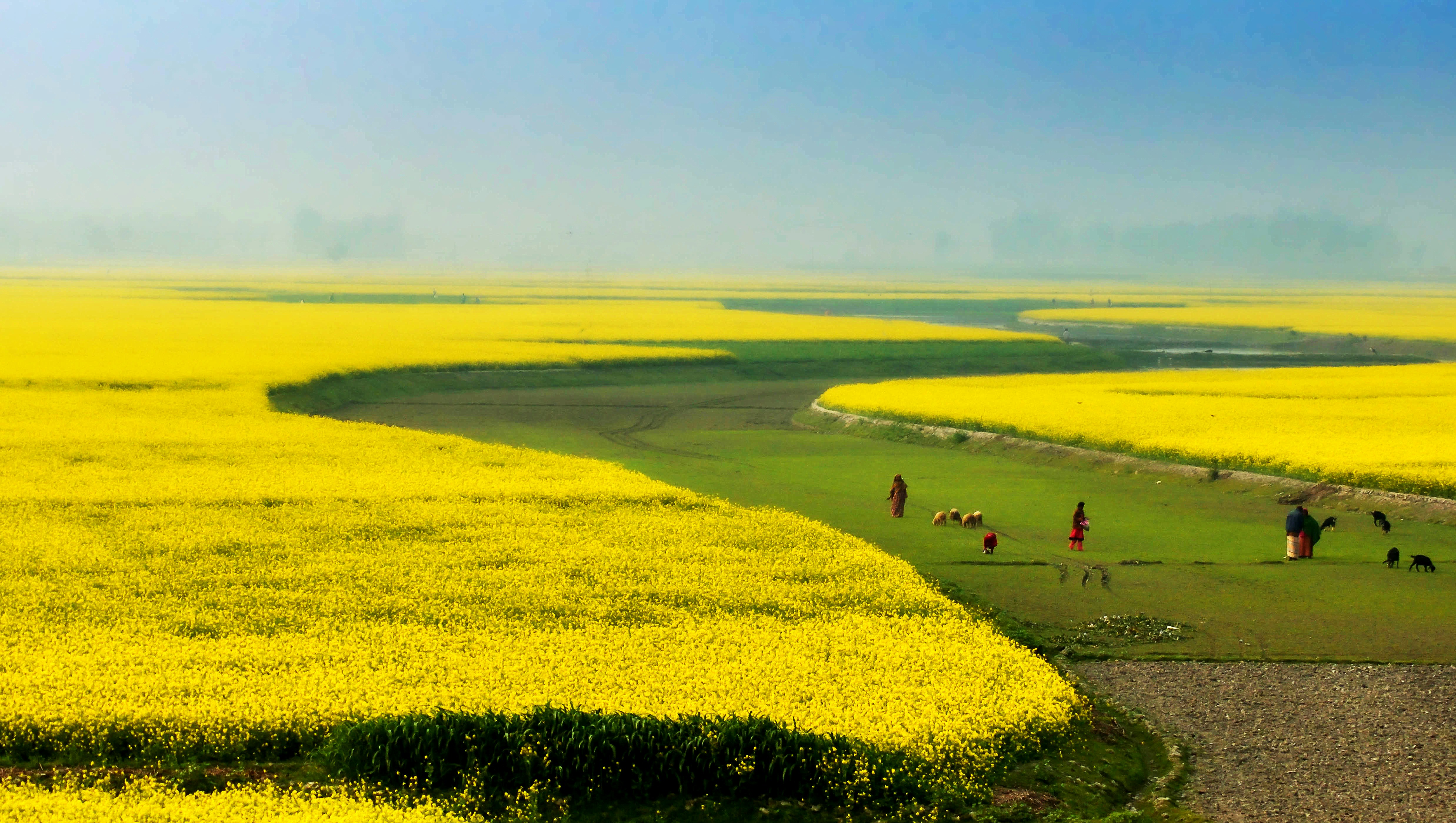
Bangladesh Travel Budget Guide: Daily Costs at a Glance
A realistic Bangladesh travel budget is about $20–35 per person per day for budget travel, $45–80 for mid-range travel, and $120 or more for luxury trips in 2026. These estimates include accommodation, meals, local transport, sightseeing, and small extras, but exclude international flights and major shopping.
At the October 2026 Bangladesh Bank reference rate of approximately 124 Bangladeshi taka (BDT) to US$1, the same budgets equal roughly BDT 2,480–4,340, BDT 5,580–9,920, and BDT 14,880 or more. Prices vary considerably between Dhaka, Cox’s Bazar, Sylhet, Chattogram, and rural areas.
| Travel style | Daily cost in USD | Approximate daily cost in BDT | Best for |
|---|---|---|---|
| Budget | $20–35 | BDT 2,480–4,340 | Hostels, local food, buses |
| Mid-range | $45–80 | BDT 5,580–9,920 | Private hotels, restaurants, rideshares |
| Luxury | $120–250+ | BDT 14,880–31,000+ | Premium hotels, drivers, guided tours |
Bangladesh received 585,145 foreign visitors in 2025, according to Bangladesh Tourism Board statistics reported by local media. Lower tourist volumes than many neighbouring destinations mean independent travellers can often find excellent value, especially outside peak holiday periods.
Bangladesh Daily Expenses: Accommodation, Food, and Transport
Most travellers can keep Bangladesh daily expenses below $50 by choosing simple accommodation, eating local meals, and using buses or trains instead of private transfers. Accommodation is usually the largest cost, followed by intercity transport and guided excursions.
In Dhaka, a basic guesthouse or hostel bed may cost around $8–15 per night, while a clean budget hotel room commonly costs $20–35. Comfortable three-star and boutique hotels generally range from $40–80, and international-standard properties can exceed $100. Cox’s Bazar and Sylhet may cost more during weekends, festivals, and school holidays.
Local meals are inexpensive. A plate of rice with curry, dal, vegetables, or fish at a neighbourhood restaurant often costs BDT 150–400, or about $1.20–3.25. A mid-range restaurant meal may cost $5–12 per person. Budget roughly $3–8 per day for bottled water, tea, snacks, and breakfast if these are not included.
Short CNG auto-rickshaw rides often cost around BDT 100–300, although fares should be agreed before departure. Dhaka rideshare journeys may cost $2–8 depending on traffic and distance. Intercity buses and trains commonly cost $3–15, while a private car with driver can cost $35–70 or more per day.
How Much Does a Bangladesh Trip Cost by Travel Style?
A one-week Bangladesh trip can cost approximately $140–245 on a backpacker budget, $315–560 for a comfortable mid-range trip, or $840–1,750 for a luxury itinerary, excluding international airfare. Your final Bangladesh trip cost depends mainly on hotel standards, the number of domestic journeys, and whether you hire guides or private vehicles.
A budget traveller might spend $12 on a dorm bed or simple room, $7 on local meals, $5 on transport, and $4 on entrance fees and miscellaneous purchases. This works well for a Dhaka–Sreemangal–Sylhet route using public transport and locally run accommodation.
A mid-range traveller could allocate $35 for a private hotel, $15 for food and coffee, $15 for taxis and intercity transport, and $10 for attractions. A seven-day itinerary covering Dhaka, Sonargaon, and Cox’s Bazar would typically fall near $400–500 before flights.
Luxury costs rise quickly when using private cars, upscale hotels, and organised tours. Allow $100–180 for accommodation, $25–50 for meals, $30–70 for transport, and $20–50 for guides and experiences. The Sundarbans is a notable exception: multi-day boat trips can add several hundred dollars, depending on cabin type, operator, and inclusions.
Keep a 10–15% reserve for unexpected traffic delays, higher seasonal hotel rates, tips, and last-minute transport.
Money Tips for Bangladesh: Cash, Cards, and Exchange Rates
Carry Bangladeshi taka for everyday spending, because cash remains essential for markets, local restaurants, small hotels, transport, and rural destinations even when larger businesses accept cards. Bangladesh Bank listed the US dollar at about BDT 123.99 on October 29, 2026, but the amount received at an exchange counter or ATM can differ after fees and margins.
Withdraw money from reputable bank ATMs in Dhaka, Chattogram, Sylhet, and other major cities before travelling to remote areas. Keep smaller notes for rickshaws, tea stalls, ferry tickets, and entry fees; BDT 20, 50, 100, and 200 notes are especially useful. Avoid displaying large amounts of cash in busy markets or transport hubs.
Visa and Mastercard are more likely to work at international hotels, established restaurants, supermarkets, and travel agencies than at independent cafés or family-run guesthouses. Notify your bank before travelling and carry a backup card separately from your main wallet.
For groups, the Hello app can track spending in multiple currencies, apply automatic exchange rates, scan receipts in different languages, and split shared hotel, transport, or meal costs. That makes it easier to see whether a group is staying within its Bangladesh budget guide without manually converting every taka expense.
Saving Money on Food, Transport, and Attractions in Bangladesh
The easiest way to reduce Bangladesh travel cost is to eat where residents eat, travel between cities by train or bus, and group paid excursions instead of booking private services for every day. Small choices can save $10–30 daily without reducing the experience.
Choose local eateries for biryani, bhuna, dal, paratha, and fish curry, while reserving hotel restaurants for occasional meals. Ask whether bottled water is sealed, and carry a reusable bottle that can be refilled safely at your accommodation. In Dhaka, schedule journeys outside peak traffic whenever possible; a cheap ride can become an expensive time loss when roads are congested.
For longer routes, compare Bangladesh Railway services with intercity buses and book ahead for popular departures. A shared vehicle is usually better value than a private car for sightseeing around Sonargaon, the tea estates near Sreemangal, or historic sites around Rajshahi. At Cox’s Bazar, negotiate boat and rickshaw fares before setting off.
Respect local customs while saving money: dress modestly at mosques and religious sites, remove shoes where required, and ask before photographing people. Friday can affect opening hours, while Eid, Bengali New Year, and major public holidays may increase transport demand and accommodation prices. Travelling in shoulder periods often delivers better rates.
Staying Connected in Bangladesh Without Losing Track of Your Budget
Reliable mobile data helps control Bangladesh daily expenses by making maps, rides, translations, digital payments, and hotel communication easier while reducing costly last-minute decisions. Arrange connectivity before departure so arrival at Dhaka’s Hazrat Shahjalal International Airport does not depend on finding a shop or negotiating a local setup.
Hello offers eSIM connectivity in more than 200 countries, with plans starting from 5GB and prices updated live. Travellers can purchase and activate an eSIM from Hello for Bangladesh before departure and arrive ready to use maps, messaging, ride apps, and online banking. Check that your phone is unlocked and eSIM-compatible before buying.
Data is particularly useful for comparing hotel prices, checking train or bus information, translating Bengali menus, and sharing live locations in busy areas. It can also help a group coordinate when travelling between Dhaka, Chattogram, Sylhet, and Cox’s Bazar.
Hello’s expense tools complement connectivity: AI receipt scanning, voice expense entry, bank-statement import, automatic categorisation, and expense splitting support travellers who are sharing costs. Record each payment immediately in BDT, then review totals in your home currency at the end of the day. This is more accurate than estimating from memory after a busy market visit or multi-stop journey.
Common Questions About Bangladesh Travel Cost
The short answer is that Bangladesh is an affordable destination, but visitors should budget extra for private transport, specialist tours, and premium accommodation. These answers cover the questions most travellers ask when estimating how much a Bangladesh trip costs.
Is Bangladesh expensive to visit? No. Budget travellers can manage on approximately $20–35 per day, while $45–80 provides a comfortable mid-range experience. Dhaka hotels, private drivers, and Sundarbans cruises can raise the average.
How much money is enough for seven days in Bangladesh? Plan around $140–245 for a budget trip, $315–560 for mid-range travel, or $840–1,750 for luxury travel, excluding international flights. Add a 10–15% emergency buffer.
Can I use US dollars in Bangladesh? Everyday purchases are made in Bangladeshi taka. Some hotels and tour operators may quote prices in dollars, but carrying taka is essential for transport, food stalls, markets, and smaller towns.
Should I tip in Bangladesh? Tipping is not compulsory in every situation, but rounding up restaurant bills or giving a modest tip to guides, porters, and drivers is appreciated when service is good. Confirm whether a hotel or restaurant has already added a service charge.
What is the biggest hidden cost? Private transport and multi-day excursions are the most common budget surprises. Request a complete price covering fuel, driver, tolls, waiting time, meals, and accommodation before agreeing.
Explore These Destinations
Stay Connected
Track your Bangladesh trip budget
Split expenses with friends, track spending by category, and see real-time currency conversions — all in one app.
Related Articles
Bangladesh Currency & Money Guide: Exchange, Cards, and Tips
Currency exchange, credit card acceptance, ATM tips, tipping culture, and money-saving advice for Bangladesh.
24 July 2026
Bangladesh Safety Guide: Tips for a Safe Trip
Safety tips, health advisories, emergency contacts, common scams, and travel insurance advice for Bangladesh.
15 July 2026
Bangladesh Visa & Entry Requirements for Singapore Passport Holders
Visa requirements, passport validity, customs allowances, and entry tips for Singapore citizens travelling to Bangladesh.
6 July 2026